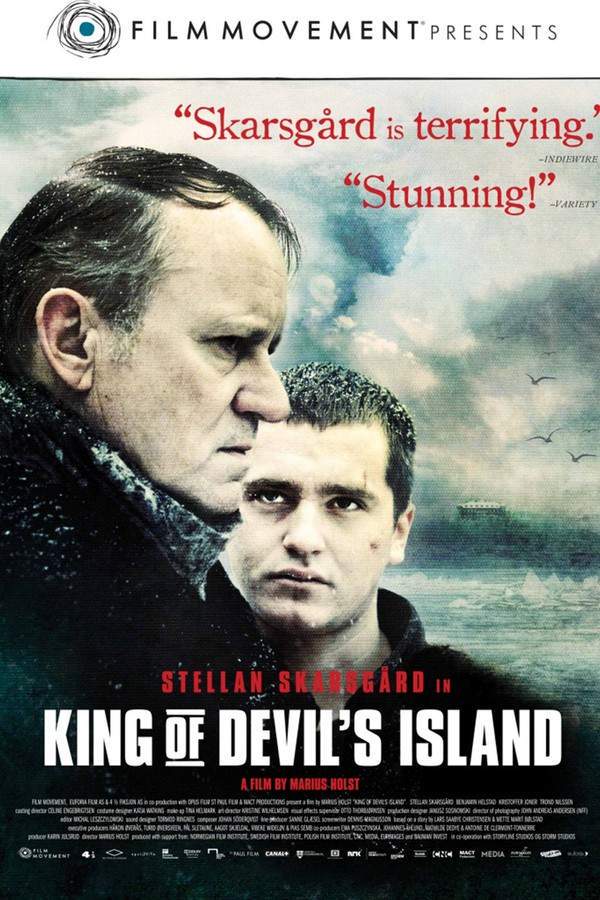
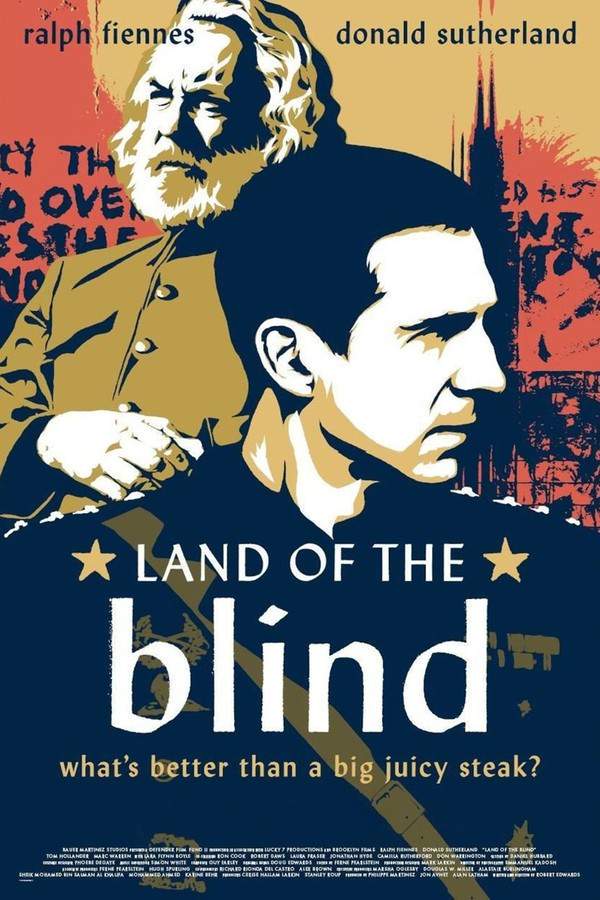
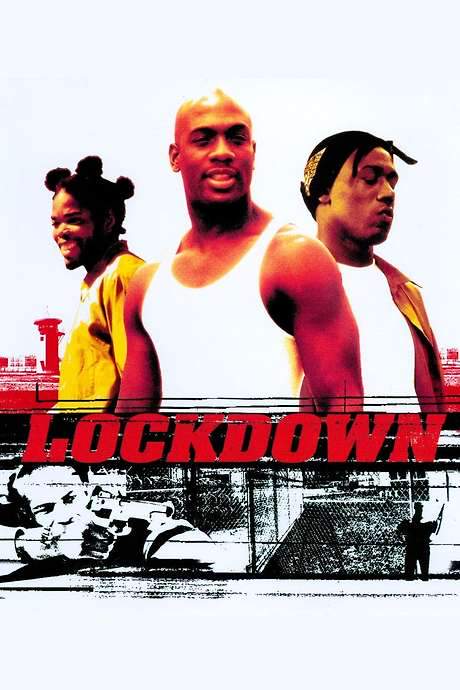
Terminal Island is a remote outpost off the U.S. coast where the abolition of the death penalty has transformed first-degree murderers into long-term residents who must learn to survive with minimal rules and set routines. A TV news crew visits the island to document life there, painting a stark picture of confinement, peril, and fragile power dynamics. Carmen Simms steps ashore with guards nearby yet no wardens on the island, and she quickly becomes entangled in a brutal social hierarchy that governs every day of life in the camp.
Inside the camp, a tension-filled pecking order takes shape around a dominant pair: Monk and Bobby. Monk uses force to maintain control, and when Carmen encounters him, she experiences the raw fear and isolation that pervade the place. The camp’s social weather deteriorates as the men fight among themselves, and Carmen begins to understand that safety often comes at a steep cost. The first prisoner she meets after arrival is Dr. Norman Milford, a former physician who was sent here for mercy killing, a reminder of the blurred lines between mercy, justice, and punishment within these walls.
Carmen learns about the four women who share the island’s harsh reality: Lee Phillips is a revolutionary, Bunny Campbell sits largely in a catatonic state, and Joy Lang navigates her own precarious path through sexuality and survival. Their voices reveal how the daily duties on Terminal Island extend beyond labor in the fields to include satisfying the sexual needs of the male inmates, a grim routine that underscores the power imbalances at the heart of the settlement. The women also describe how the men constantly clash, with casualties mounting as the fights grow more ferocious.
A split forms on the island when another faction, led by AJ Thomas and Cornell, abducts the women. Dylan—one of the men in that faction—attempts to assault [Joy Lang], but she fights back, and the group’s violence intensifies. In response, the rebels and the main group begin to maneuver for leverage, with Lee guiding the rebels on how to weaponize their resources. The island’s fragile order teeters on the brink as alliances shift and the threat of violence becomes almost constant.
Tensions flare into a dramatic escalation when Bunny Campbell reemerges from a period of quiet, and Bobby uses her as bait to lure visiting guards to the beach, where they are ambushed and killed. Armed intruders seize the opportunity, securing weapons and tipping the balance of power in favor of the rebellious faction. A large-scale confrontation follows, and the two sides clash in a brutal battle marked by strategic preparations and brutal hand-to-hand strife. In the ensuing chaos, Cornell and Dylan are among those who fall, while [Bobby] and [Monk] face a desperate stand in a bunker.
The rebels intensify their assault, and the bunker becomes the focal point of a devastating attack that ends with a firebombing. In the firefight that follows, Bobby is killed and Monk is blinded, leaving the island’s leadership unstable and the prisoners with a scarred sense of how fragile their world truly is. Amid the carnage, Bunny experiences a cathartic moment as her voice returns, offering a small glimmer of humanity amid the wreckage of the island’s brutal order.
In the aftermath, Dr. Milford is presented with a chance to return to the mainland, but he declines, choosing to remain where he has endured so much, a quiet note of resignation that lingers after the final clashes. The story closes on a landscape of exhausted survivors, shifting loyalties, and the lingering question of what justice means when a society remakes itself in a place built on survival, power, and the uneasy coexistence of captors and captives.