Stoic

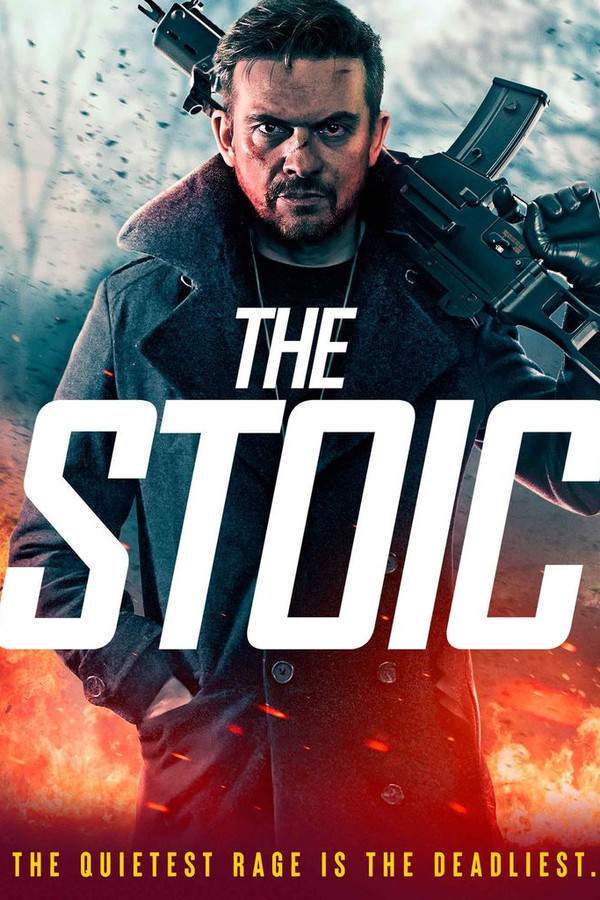
Stoic

Year: 2009

Runtime: 87 mins

Language: English

Director: Uwe Boll

CrimeDrama

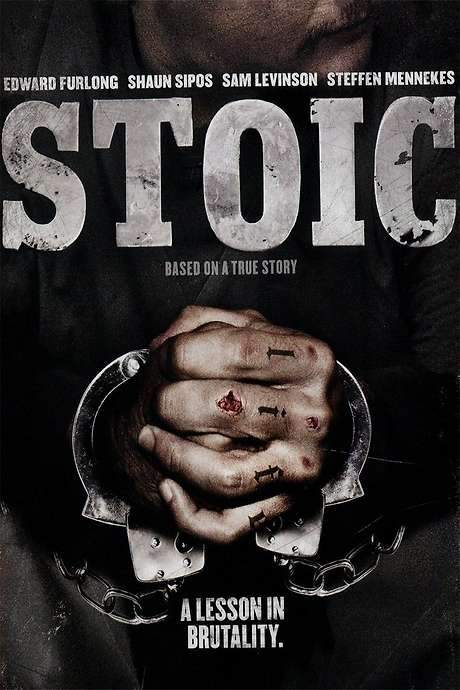
A heated game of poker causes three men incarcerated for nonviolent offenses to brutalize their cellmate before taking drastic measures in order to cover up their crime.

Warning: spoilers below!

Haven’t seen Stoic yet? This summary contains major spoilers. Bookmark the page, watch the movie, and come back for the full breakdown. If you're ready, scroll on and relive the story!

Stoic (2009) – Full Plot Summary & Ending Explained

Read the complete plot breakdown of Stoic (2009), including all key story events, major twists, and the ending explained in detail. Discover what really happened—and what it all means.

The film unfolds through a series of flashbacks as three inmates — Peter Thompson, Harry Katish, and Jack Ulrich — are interviewed about the apparent suicide of their cellmate Mitch Palmer. Across these interviews, the audience learns the grim truth: Mitch Palmer was subjected to torture and humiliation at the hands of his fellow inmates long before his death, and the three men confess their roles in the escalating abuse.

The story begins with the four cellmates sharing a game of poker for cigarettes, trading stories from their lives before confinement. Mitch wins the round and dares to stake his entire cigarette stash on one more game. The bet flips the dynamic: the loser must eat an entire tube of toothpaste. Mitch loses, and the others press him to fulfill the bizarre punishment. What starts as coercion soon spirals into a chain of coercive cruelties.

Harry, who is in for armed robbery, stages a mock wash-up and wraps a towel around a bar of soap, then targets Mitch with a brutal soap beatdown while the others restrain him. Mitch’s stomach turns as the attackers force him to swallow the toothpaste. Peter, feigning concern, offers a “special drink”—water flavored with salt and pepper—only to threaten Mitch with renewed discipline if he resists. Mitch, wary and wary of the others, is pressured to drink, but he pushes the cup away, and the taunting continues.

The circle of torment deepens when Peter proposes another drink: this time it is tainted with urine and feces from the toilet. Mitch struggles, choking and vomiting as the others loom over him, counting down the seconds and pushing him to comply. The brutality escalates further when Jack, enraged by the violence, physically beats Mitch and belittles him with humiliating commands, insisting that Mitch lick up his own vomit. Mitch’s pleas to stop are met with cold indifference as the others watch, indifferent to the pain.

One of the most shocking moments comes next as the group’s cruelty turns sexual and violent. After a late-night moment where Mitch tries to signal for help via the prison’s emergency intercom, Peter lies to the guards, claiming it was an accident. The trio presses Mitch and violence intensifies; Jack becomes openly enraged that Mitch pressed the emergency button, while Harry stares with a cold gaze and participates in the abuse. The moments grow darker as Harry grabs a mop handle and, in a brutal act, uses it in a sexual assault, then forces the bloodied implement into Mitch’s mouth. Mitch’s state deteriorates into catatonia as the scene plays out, and Peter, plagued by remorse, wavers between guilt and fear.

From this point, the group hatches a chilling rationale: Mitch’s death could, in their minds, lessen their own sentences. They recount an urban myth that the psychological trauma inflicted on fellow inmates can influence sentencing when a cellmate commits suicide. The plan is cruelly clear: Mitch must hang himself. They try first with a TV cord, propping Mitch against a barred window, but the cord snaps under the weight. They try again with Mitch’s bedsheets, lifting him onto a garbage can so he can take a final cigarette. When Harry finally delivers the decisive kick that ends Mitch’s life, Peter is left in tears, while Jack and Harry watch the television as if nothing happened.

The morning after the death, the three cellmates stage a scene for the interviews, claiming to be moved by the tragedy, though Peter remains quietly silent. Harry denies any real involvement, and Jack offers a remorseful confession: he doesn’t fully understand why he acted the way he did and longs to wash his hands clean. Peter, however, is engulfed in tears, insisting the hanging was his idea and that Mitch did not deserve the abuse he endured.

In the closing text, the film reveals the grim consequences of their actions: each of the three cellmates, originally serving 2- to 3-year sentences, receives an additional 8 to 15 years for their roles in Mitch Palmer’s death. Mitch, by contrast, had been serving a 6-month sentence for vagrancy and resisting arrest. The final frames show a fleeting, uneasy sense of connection as Mitch helps Peter perform proper pushups, hinting at a fragile, troubled bond formed in the worst of circumstances.

remember who made the drink

enough of this shit

“already a part of this”

Last Updated: October 09, 2025 at 11:02

Mobile App Preview

Coming soon on iOS and Android

The Plot Explained Mobile App

From blockbusters to hidden gems — dive into movie stories anytime, anywhere. Save your favorites, discover plots faster, and never miss a twist again.

Sign up to be the first to know when we launch. Your email stays private — always.

Explore Movie Threads

Discover curated groups of movies connected by mood, themes, and story style. Browse collections built around emotion, atmosphere, and narrative focus to easily find films that match what you feel like watching right now.

Claustrophobic descent movies like Stoic

Intense stories of characters descending into brutality in confined spaces.If you were gripped by the grim moral collapse and prison brutality in Stoic, explore these movies about similar claustrophobic descents. This collection features stories of systemic abuse and psychological torment in confined settings, for viewers seeking intense, dark dramas about the loss of humanity.

claustrophobicoppressivegrimunsettlinganxiousbrutalmoral decaydread

Narrative Summary

The narrative pattern typically involves a catalyst—a conflict, a power struggle, or a secret—that triggers a chain reaction of increasingly cruel and violent acts. The story methodically strips away civility, trapping characters in a situation that escalates from tension to full-blown atrocity, often with no hope of redemption.

Why These Movies?

Movies are grouped here for their shared focus on the psychological and moral unraveling of characters in oppressive, confined environments. They deliver a heavy emotional experience through a steady, escalating pace and a uniformly dark, bleak tone that leaves little room for hope.

Inevitable crime spiral movies similar to Stoic

Crime stories where a single bad decision leads to an inescapable tragic outcome.For viewers who appreciated the straightforward, devastating cause-and-effect narrative in Stoic, this list features crime dramas with a similar sense of fatalism. These movies focus on a single bad decision that spirals into murder and cover-up, resulting in stories with heavy emotional impact and bleak endings.

grimtenseunsettlingfatalisticbrutalanxiouscrime spiralhopeless

Narrative Summary

The plot follows a clear, cause-and-effect structure. A pivotal mistake—a bet, a lie, a moment of anger—forces characters down a path of escalating crimes, often culminating in murder. The story emphasizes the cold, logical progression from poor judgment to horrific acts and the futile attempts to avoid punishment, reinforcing a theme of inescapable fate.

Why These Movies?

These films are united by their narrative structure—a straightforward descent from a bad decision into a catastrophic outcome. They share a high intensity, a steady pace that builds dread, and a bleak tone that underscores the futility of the characters' actions, creating a coherent experience of tragic inevitability.

Unlock the Full Story of Stoic

Don't stop at just watching — explore Stoic in full detail. From the complete plot summary and scene-by-scene timeline to character breakdowns, thematic analysis, and a deep dive into the ending — every page helps you truly understand what Stoic is all about. Plus, discover what's next after the movie.

Stoic Timeline

Track the full timeline of Stoic with every major event arranged chronologically. Perfect for decoding non-linear storytelling, flashbacks, or parallel narratives with a clear scene-by-scene breakdown.

Stoic Timeline

Characters, Settings & Themes in Stoic

Discover the characters, locations, and core themes that shape Stoic. Get insights into symbolic elements, setting significance, and deeper narrative meaning — ideal for thematic analysis and movie breakdowns.

Characters, Settings & Themes in Stoic

Stoic Spoiler-Free Summary

Get a quick, spoiler-free overview of Stoic that covers the main plot points and key details without revealing any major twists or spoilers. Perfect for those who want to know what to expect before diving in.

Stoic Spoiler-Free Summary

More About Stoic

Visit What's After the Movie to explore more about Stoic: box office results, cast and crew info, production details, post-credit scenes, and external links — all in one place for movie fans and researchers.

More About Stoic

Similar Movies to Stoic

Discover movies like Stoic that share similar genres, themes, and storytelling elements. Whether you’re drawn to the atmosphere, character arcs, or plot structure, these curated recommendations will help you explore more films you’ll love.