Plot Explained Spoilers guaranteed!
Plot Explained

Browse by genre

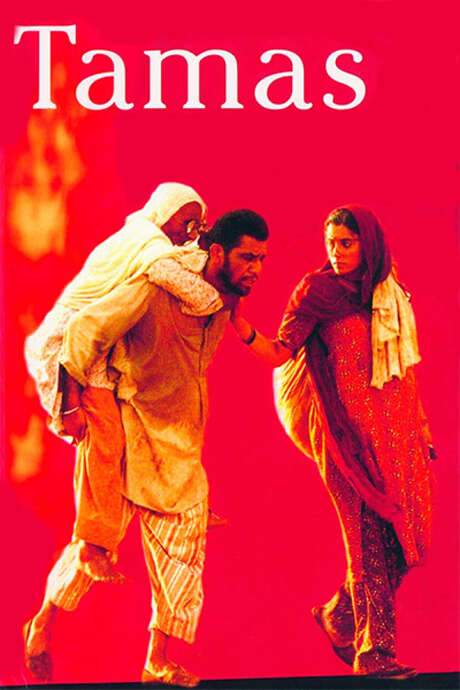
Tamas (1000) movie poster

Characters & Themes

Tamas (1000) Characters, Setting & Themes Explained

Release, runtime and language
1000 · 300 mins · Hindi
Directed by
Govind Nihalani
Starring
Surekha Sikri, Saeed Jaffrey, Om Puri, Veerendra Saxena, Dina Pathak, Pankaj Kapur

Based on Bhisham Sahni’s novel, this epic drama unfolds in riot‑stricken North India on the eve of the 1947 Partition. Outcast Nathu is hired to kill a pig, only to discover its carcass placed before a mosque, sparking a violent mob. Overcome by guilt, he flees with his ailing mother and pregnant wife, abandoning the town.

On this page (7)
  1. 1 Characters explained (10)
  2. 2 Where & when it takes place
  3. 3 Themes & meaning (4)
  4. 4 Character & meaning questions
  5. 5 Movie threads
  6. 6 Movies like Tamas
  7. 7 Every angle

10 main characters · contains spoilers

Tamas Characters Explained: Who Is Who

The main characters of Tamas (1000), heroes and villains: what drives them, how they change over the course of the story and what each of them reveals about the film's bigger ideas.

  • Nathu (Om Puri)

    A humble pig handler who initially refuses to kill the animal yet is coerced by the thekedar. He commits the act, wrestles with immense guilt, and ultimately becomes a casualty of the ensuing violence. His journey mirrors the collapse of personal ethics under communal pressure, ending with his death in the riot aftermath.

    • 🕊️ Conscience
    • 💼 Duty
    • ⚖️ Guilt
  • Kammo (Deepa Sahi)

    Nathu’s pregnant wife who bears the weight of the crisis with quiet resilience. She witnesses suffering, endures trauma, and goes into labor amid chaos. Her perspective centers the human cost of violence on families and unborn futures.

    • 🤰 Pregnancy
    • 💔 Trauma
    • 🕊️ Hope
  • Harnam Singh (Bhisham Sahni)

    A Sikh elder and father who, along with his wife Banto, seeks shelter and safety for his family. He embodies the tension between communal identity and humanitarian bonds, navigating danger while maintaining a sense of dignity.

    • 🧭 Identity
    • 🤝 Community
    • 🚶 Migration
  • Banto (Dina Pathak)

    Harnam Singh’s wife, a Sikh woman who travels with her husband and finds herself within refugee dynamics. She endures the uncertainty of displacement and the strain of protecting family members amid chaos.

    • 🗺️ Refuge
    • 🧭 Family
    • 🕊️ Resilience
  • Jasbir (Uttara Baokar)

    Daughter of Harnam Singh who embodies the fear and determination of Sikh communities. She becomes a symbol of collective action, including tragic choices that underscore the desperation of those cornered by violence.

    • 🧭 Survival
    • 🎭 Identity
    • 💔 Loss
  • Teja Singh (Amrish Puri)

    Leader of the Sikh council who pushes for armament and organized defense. He represents political and martial responses to threat, complicating fragile attempts at peace and exacerbating cycles of retaliation.

    • 🗳️ Leadership
    • ⚖️ Authority
    • 🔥 Violence
  • Ehsan Ali (Iftekhar)

    A Muslim friend who shelters the Sikhs in danger and later faces pressure to turn away. He embodies cross-community solidarity and the precarious choices that preserve humanity amidst hostility.

    • 🏠 Hospitality
    • 🕊️ Solidarity
    • 🤝 Trust
  • Bakshiji (A.K. Hangal)

    A local political figure who moves among communities to avert violence. He helps steer the Aman Committee and advocates for peaceful coexistence, reflecting political maneuvering during crises.

    • 🧭 Strategy
    • 🕊️ Mediation
    • 🗳️ Politics
  • Richard (Barry John)

    The Deputy Commissioner who oscillates between restraint and responsibility. He delivers public statements about relief measures and the formation of an Aman Committee, highlighting the administrative attempt to manage chaos.

    • 🏛️ Authority
    • 🗣️ Communication
    • 🌐 Governance
  • Thekedar (Pankaj Kapur)

    The contractor who pressures Nathu into killing the pig, acting as a catalyst for the initial act that sparks the violence. His role exposes the manipulation of fear and economic interests in communal conflict.

    • 🏗️ Pressure
    • 👁️ Exploitation
    • 💰 Coercion

Last updated: November 29, 2025 at 00:43

Was this helpful?

Setting

Where and When Does Tamas Take Place?

The setting of Tamas (1000): the year and time period, the places and locations, and how they shape the characters, the mood and the tension of the story.

Time period

1947

Set during the Partition of India in 1947, the film tracks how religious loyalties and political rhetoric collide with ordinary lives. Colonial and local authorities struggle to contain outbreaks of violence, while leaders attempt to broker peace. Families are forced to flee their homes as unrest spreads.

Location

Northern India, Punjab region (Partition-era town)

The story unfolds in a small town in the Punjab region during the lead-up to Partition. The town houses a Muslim mohalla, a gurudwara, and a Sikh council, all within close reach of one another. The everyday life here becomes a powder keg as rumors and fear feed intercommunal conflict.

  • 🗺️ Northern India
  • 🕌 Mosque
  • 🕊️ Community tensions
  • 🏙️ Town setting

Last updated: November 29, 2025 at 00:43

Was this helpful?

4 major themes

Tamas Meaning: Themes & Message Explained

What is Tamas (1000) really about? The emotional, social and philosophical themes the film keeps returning to, its symbolism and the message beneath the surface.

  • Violence

    A petty act—a pig carcass—triggers a wave of mob violence across the town, pulling in neighbors from different communities. The escalation is fueled by fear, rumor, and political manipulation, turning ordinary streets into battlegrounds. The film shows how violence destroys homes, trust, and basic humanity, leaving survivors haunted by what they have done and witnessed.

  • Peace & Reconciliation

    Amid the flames, attempts to calm tensions surface in the form of Aman Committee and calls for restraint. Local leaders on both sides publicly advocate peace, while the Deputy Commissioner hesitates to deploy stricter measures. The narrative suggests that peace requires sustained courage from individuals, not just decrees from authorities.

  • Guilt

    Characters grapple with moral culpability as their actions ripple outward. Nathu’s reluctant killing of the pig and his subsequent confession to Kammo anchor a meditation on personal responsibility. The film probes how one impulsive act can precipitate collective tragedy, leaving lives shattered and consciences forever wracked with guilt.

  • Displacement

    As violence erupts, families flee the town in search of safety, often with little more than hope. The death of loved ones and the destruction of homes intensify the sense of loss, forcing people to abandon familiar places and identities. The refugee experience becomes a central thread, marking the human cost of communal hatred.

Last updated: November 29, 2025 at 00:43

Was this helpful?

Character & theme questions

Tamas Characters & Meaning: Your Questions Answered

The questions people ask about Tamas (1000): who the characters really are, their relationships, what the symbols mean, where it takes place and what the movie is really about. Each answer contains spoilers.

Q1

Where is Tamas set?

Tamas is set in a small town in the Punjab region of Northern India during the era leading up to the 1947 Partition. The town contains a Muslim mohalla, a gurudwara, and a Sikh council located within close proximity to one another. This intimate geographic arrangement makes the communal tensions and violence that unfold even more devastating, as neighbors from different faiths live side by side.

  • punjab
  • northern india
  • small town
  • setting
  • partition
Q2

When does Tamas take place?

Tamas takes place in 1947, during the Partition of India, which divided British India into two independent nations. The film depicts the events immediately leading up to and during this traumatic moment in South Asian history. This time period is critical because it marks the moment when British colonial rule ended and religious communities were forced to navigate unprecedented political and social upheaval.

  • 1947
  • partition
  • india
  • time period
  • history
Q3

What is the Punjab region like in Tamas?

The Punjab region depicted in Tamas is a diverse area where Hindu, Sikh, and Muslim communities have historically lived in close proximity. The small town setting showcases how these communities share spaces, mosques, gurudwaras, and council meeting places, creating an environment where both coexistence and conflict are possible. The film portrays how everyday life in this region becomes a powder keg as rumors and fear feed intercommunal tensions.

  • punjab
  • community
  • mohalla
  • gurudwara
  • intercommunal
Q4

What are the main themes of Tamas?

The main themes of Tamas include violence and its destructive power over communities, guilt and moral culpability, displacement and the refugee experience, and peace versus reconciliation. The film explores how a single petty act, a pig carcass placed before a mosque, can trigger widespread mob violence. It also examines the psychological burden carried by those who participate in communal conflict and the tragic human cost of displacement.

  • themes
  • violence
  • guilt
  • displacement
  • peace
Q5

Who is Nathu in Tamas?

Nathu is a humble pig handler from a lower social caste who is coerced by a contractor called thekedar into killing a pig. He serves as a symbol of how ordinary individuals can be pulled into communal violence against their own moral compass. His guilt over the act and the consequences that follow illustrate the film's exploration of personal responsibility amid collective tragedy.

  • nathu
  • pig handler
  • guilt
  • character
Q6

Who is Kammo in Tamas?

Kammo is Nathu's pregnant wife who embodies quiet resilience throughout the film. She bears the weight of the crisis on her family, enduring trauma and ultimately going into labor amid the chaos of violence. Her character centers the human cost of violence on families and unborn futures, providing a poignant perspective on the generational impact of communal conflict.

  • kammo
  • pregnant wife
  • family
  • resilience
Q7

Who is Teja Singh in Tamas?

Teja Singh is the leader of the Sikh council who advocates for armament and organized defense in response to perceived threats. He represents the political and martial responses to communal danger, pushing for retaliation rather than restraint. His character complicates fragile attempts at peace and illustrates how hardline leadership can exacerbate cycles of violence and retaliation.

  • teja singh
  • sikh council
  • leader
  • defense
Q8

What is the Aman Committee in Tamas?

The Aman Committee is a peace initiative depicted in Tamas, formed in an attempt to calm rising communal tensions. Local leaders from different communities publicly advocate for peace and restraint, while the Deputy Commissioner hesitates to deploy stricter measures. The film suggests that achieving peace requires sustained courage from individuals rather than simply relying on decrees from authorities.

  • aman committee
  • peace
  • reconciliation
  • leadership
Q9

What does Tamas say about guilt?

Tamas presents guilt as a transformative force that can consume individuals who participate in communal violence. Nathu's reluctant killing of the pig and his subsequent confession to Kammo anchor the film's meditation on personal responsibility. The narrative demonstrates how one impulsive act can precipitate collective tragedy, leaving lives shattered and consciences forever burdened by guilt.

  • guilt
  • moral culpability
  • nathu
  • responsibility
Q10

What does Tamas say about communal violence?

Tamas depicts communal violence as an escalating cycle fueled by fear, rumor, and political manipulation. The film shows how ordinary streets can become battlegrounds and how violence destroys homes, trust, and basic humanity. The violence depicted leaves survivors haunted by what they have done and witnessed, suggesting that the trauma of such conflicts extends far beyond the immediate events.

  • communal violence
  • riots
  • fear
  • trauma
Q11

Who is Ehsan Ali in Tamas?

Ehsan Ali is a Muslim character who shelters Sikh families in danger during the violence, demonstrating cross-community solidarity. He embodies the precarious choices faced by individuals who attempt to preserve humanity amidst hostility. His actions represent the human bonds that persist even when communities are being torn apart by religious loyalty and political rhetoric.

  • ehsan ali
  • muslim
  • solidarity
  • cross-community
Q12

Who is Harnam Singh in Tamas?

Harnam Singh is a Sikh elder who, along with his wife Banto, seeks shelter and safety for his family as violence escalates. He embodies the tension between communal identity and humanitarian bonds, navigating danger while maintaining dignity. His journey reflects the broader refugee experience faced by countless families during Partition.

  • harnam singh
  • sikh elder
  • family
  • refugee
Q13

What role does displacement play in Tamas?

Displacement is a central theme in Tamas, depicting how families are forced to flee their homes in search of safety as violence erupts. The film shows refugees traveling with little more than hope, abandoning familiar places and identities. The death of loved ones and destruction of homes intensify the sense of loss, making the refugee experience a powerful thread that marks the human cost of communal hatred.

  • displacement
  • refugees
  • partition
  • fleeing

Movie threads

More Movies Like Tamas, by Mood & Story

Curated lists built around what makes Tamas tick: the same mood, the same kind of story or the same emotional payoff. Each list explains why these movies belong together.

Historical Tragedies like Tamas

Bleak dramas depicting the human cost of major historical crises. Discover movies like Tamas that explore the brutal realities of historical crises. If you were moved by the grim portrayal of the Partition, you'll find similar stories here that document the human toll of war, political upheaval, and societal collapse with unflinching honesty.

  • grim
  • somber
  • heart-wrenching
  • oppressive
  • tragic
  • historical
  • Tone: bleak, tragic
  • Pacing: steady, methodical
Why these movies?

The story pattern: These stories typically follow multiple characters or a central family unit as they navigate a collapsing societal order. The plot is driven by external, large-scale events that strip away safety and civility, forcing characters into desperate survival journeys that often end in profound loss.

Why they belong together: Movies are grouped here for their shared commitment to depicting historical calamity with bleak realism. They connect through a heavy emotional weight, a pervasive sense of doom, and a focus on collective tragedy over individual triumph.

Movies about Guilt and Fleeing Violence like Tamas

Stories where a single act of guilt propels a desperate escape from chaos. If you were captivated by Nathu's guilt-ridden flight in Tamas, explore similar films where a character's moral failing triggers a spiral of violence. These stories focus on the heavy burden of guilt and the desperate survival journey that follows, often set against a backdrop of communal or civil unrest.

  • tense
  • guilt-ridden
  • desperate
  • melancholic
  • grim
  • flight
  • Tone: bleak, tense
  • Pacing: steady, relentless
Why these movies?

The story pattern: The narrative follows a clear cause-and-effect spiral: an initial transgression (accidental or coerced) leads to unforeseen violent consequences. The protagonist, burdened by responsibility, becomes a fugitive from both external threats and their own conscience, driving a tense journey of escape and reflection.

Why they belong together: These films share a specific character arc centered on guilt and redemption amidst chaos. They are united by a steady, tense pacing that builds from a single inciting incident, a bleak tone, and a focus on the psychological weight carried by the protagonist.

If you liked this

Movies Like Tamas

Similar movies to Tamas: the same genre, themes or kind of story. Each one comes with its own plot summary, timeline and ending explained.

Browse all movie summaries

Every angle

Tamas (1000) Explained: Plot, Timeline & Characters

Everything about Tamas in one place: what happens in the plot summary, the timeline in chronological order, the characters and meaning and a spoiler-free summary. What's After the Movie adds the cast, box office and post-credit scenes.

Coming soon on iOS and Android

The Plot Explained Movie Summary App

Plot summaries, endings explained and timelines on your phone. Catch up on any movie in minutes, save your favorites and never miss a twist again.

Be the first to know when we launch. Your email stays private, always.

Learn more about the app