Plot Explained Spoilers guaranteed!
Plot Explained

Browse by genre

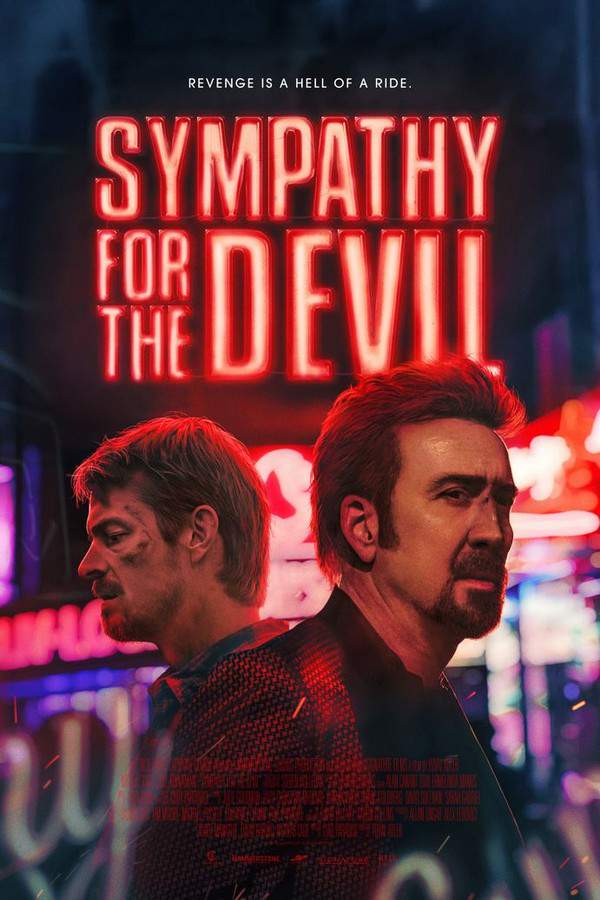
Sympathy for the Devil (2023) movie poster

Timeline

Sympathy for the Devil (2023) Timeline Explained – Every Event in Order

Release, runtime and language
2023 · 90 min · English
Echo score 55
Directed by
Yuval Adler
Starring
Joel Kinnaman, Nicolas Cage, Alexis Zollicoffer, Burns Burns, Cameron Lee Price, Danny Tesla

A rideshare driver's routine is shattered when he picks up a mysterious passenger who reveals himself to be a dangerous and manipulative man. As the journey progresses, the driver finds himself embroiled in a perilous situation, facing escalating threats and uncovering a complex network of lies and deception. He must fight to survive and unravel the truth behind his passenger's sinister agenda.

On this page (5)
  1. 1 Events in order (14)
  2. 2 Timeline questions answered
  3. 3 Movie threads
  4. 4 Movies like Sympathy for the Devil
  5. 5 Every angle

14 events in order · contains spoilers

Sympathy for the Devil Timeline: Events in Chronological Order

Every key event of Sympathy for the Devil (2023) in order, scene by scene, with when and where it takes place. Use it to untangle flashbacks, time jumps and parallel storylines, to refresh your memory before the sequel or to find the exact scene you are thinking of.

  1. David's Race to the Hospital

    David Chamberlain is filled with anxiety as he rushes to the hospital for the birth of his child. His excitement quickly turns into dread as a mysterious figure enters his vehicle uninvited.

    When
    Just before his wife's labor
    Where
    On the road
  2. Encounter with The Passenger

    The Passenger takes control of the situation by pointing a gun at David's head. He forces David to pick a card from a deck, leading to the chosen Ace of Spades, intensifying the tension in the car.

    Where
    Inside David's car
  3. Frantic Attempts to Escape

    Desperate for freedom, David tries to signal for help at a gas station, but his plea goes unnoticed as the woman drives away. His next attempt to gain assistance from a police officer quickly spirals into violence.

    Where
    Gas station
  4. Police Officer Encounter

    The Passenger escalates the situation by confronting the police officer aggressively. The confrontation ends in tragedy as he brutally shoots the officer multiple times, heightening the stakes for David.

    Where
    Roadside
  5. David's Daring Leap

    In a moment of desperation, David leaps from the moving vehicle, resulting in a dangerous crash. However, fear for his wife's safety compels him to return to the car, continuing the perilous journey.

    Where
    On the road
  6. Visit to the Diner

    At a diner, the Passenger begins revealing his dark past, sharing a tragic story involving an Irish Mob boss. This revelation hints at David's deep and disturbing connection to the Passenger's life.

    Where
    Diner
  7. Unraveling Connections

    As the Passenger continues his tale, it becomes clear that David is not just an innocent victim but is linked to his family's demise. The atmosphere thickens with tension and fear as the threads of their fates intertwine.

    Where
    Diner
  8. Violent Outburst at the Diner

    The Passenger's mental instability manifests as he turns the diner into a scene of chaos, attacking it and igniting a fire. David escapes, calling for help, but the situation continues to spiral out of control.

    Where
    Diner
  9. Identity Revelation

    In a moment of intense confrontation, the Passenger reveals himself as the bookkeeper whose life was destroyed by an act of violence. His accusations against David, now identified as James Levine, add layers of betrayal and guilt.

    Where
    Parking lot
  10. The Fatal Confrontation

    As their confrontation reaches a fever pitch, David confesses his role in the Passenger's family tragedy. The emotional weight of the situation culminates as he fatally wounds the Passenger, sealing both their fates.

    Where
    On the road
  11. Cunning Framing of the Passenger

    With sirens approaching, David cleverly cleans the murder weapon of his fingerprints. He places it in the Passenger's hands, hoping to frame him for the police officer's death despite his own heinous actions.

    Where
    Crash site
  12. The Haunting Reminder

    Among the wreckage, David finds the Ace of Spades card, a chilling memento of their harrowing journey. This discovery emphasizes the inescapable nature of their twisted encounter.

    Where
    Crash site
  13. Voicemail Revelation

    In the aftermath of the chaos, David receives a voicemail announcing the birth of his daughter. The moment ignites a twisted satisfaction within him, juxtaposing the joy of fatherhood with the horror of his actions.

    Where
    Crash site
  14. Final Standoff with Law Enforcement

    As law enforcement arrives, David prepares to greet them with a false façade of innocence. The juxtaposition between his outward calm and inner turmoil sets the stage for a haunting conclusion to his nightmarish ordeal.

    Where
    Crash site

Last updated: November 04, 2024 at 04:29

Was this helpful?

Timeline questions answered

Sympathy for the Devil Timeline Explained: Your Questions Answered

When does it happen, and why in that order? The questions people ask about the chronology of Sympathy for the Devil (2023): time jumps, flashbacks, cause and effect between scenes and the correct order of events, each answered with spoilers.

Q1

Why does the Passenger target David specifically?

The Passenger targets David because he is not a random victim. David is actually James Levine, a man who was complicit in the murder of the Passenger's wife and daughter. The Passenger reveals that the Irish Mob boss Sullivan orchestrated the hit, and David (Levine) was involved in carrying it out. The entire abduction is revenge for this past crime.

Foreshadowing: The Passenger hints early on that he knows much more about David than a typical stranger would, suggesting a deeper connection exists between them.

  • passenger
  • david
  • james levine
  • revenge
  • targeted
  • kidnap
Q2

What is the significance of the Ace of Spades card?

The Ace of Spades serves as a twisted symbol of fate and inevitability. The Passenger forces David to randomly pick a card at gunpoint, and David unknowingly selects the Ace of Spades, a card the Passenger claims represents death. This mirrors how the Passenger views David: marked for death, just as the bookkeeper was lured to his demise. The card resurfaces at the end, serving as a haunting reminder of the night's brutality.

Foreshadowing: The Passenger mentions the Ace of Spades is a death card, foreshadowing the violent confrontation that follows.

  • ace of spades
  • card
  • death
  • fate
  • symbol
Q3

Who is the Passenger and what is his backstory?

The Passenger is revealed to be a bookkeeper who worked for Irish Mob boss Jacob Sullivan in Boston. His entire life was destroyed when Sullivan ordered the murder of his wife and daughter. This tragedy sets the Passenger on his path of revenge, targeting those responsible for his loss, including David, who was involved in carrying out Sullivan's hit.

Foreshadowing: The Passenger tells a tragic tale about a bookkeeper at the diner before revealing he is that very person.

  • passenger
  • bookkeeper
  • jacob sullivan
  • irish mob
  • boston
  • murder
Q4

Why does David return to the car after jumping out?

David jumps from the moving vehicle in a desperate escape attempt, resulting in a crash. However, fear for his wife's safety, who is in labor at the hospital, compels him to return. The Passenger exploits this vulnerability, knowing David would not risk abandoning his unborn child. This desperation keeps David trapped in the deadly situation.

Foreshadowing: David's constant mentions of his wife and unborn child throughout the journey establish his primary motivation to survive and reach the hospital.

  • escape
  • jump
  • car
  • wife
  • hospital
  • labor
Q5

What is the Irish Mob connection in the movie?

The Irish Mob, led by Jacob Sullivan from Boston, is central to the Passenger's backstory. Sullivan ordered the murder of the Passenger's entire family. David (James Levine) was one of the men who carried out this hit, making him complicit in the crime. The Passenger reveals this connection to explain why David is not an innocent victim but someone who deserves revenge.

Foreshadowing: The Passenger hints at a grim destination tied to a past crime, foreshadowing the revelation of their shared violent history.

  • irish mob
  • jacob sullivan
  • boston
  • hit squad
  • murder
Q6

Why does David kill the Passenger at the end?

After the Passenger reveals David's true identity as James Levine and confronts him about his role in killing his family, David confesses his guilt. In the ensuing struggle, David swerves off the road, crashing the car and fatally wounding the Passenger. Rather than seeking help, David strangles him to death, driven by both malice and a sense that their confrontation must end in death, this is the only way to resolve the weight of his past actions.

Foreshadowing: The Passenger repeatedly hints that they are driving toward a final destination where David's sins will be answered.

  • killing
  • murder
  • death
  • confession
  • strangle
  • final confrontation
Q7

How does David frame the Passenger for the police officer's death?

After killing the Passenger, David wipes his own fingerprints from the murder weapon and places it in the Passenger's lifeless hands. This clever act is designed to make it appear as though the Passenger shot the police officer earlier, absolving David of that crime. David then prepares to greet approaching law enforcement with a false facade of innocence.

Foreshadowing: The Passenger's violent shooting of the officer earlier provides David with the perfect opportunity to shift blame onto the dead Passenger.

  • fingerprints
  • weapon
  • frame
  • police officer
  • murder weapon
  • cover up
Q8

What is David's real identity in the movie?

David Chamberlain is actually James Levine, a man who worked as a hitman for Jacob Sullivan's Irish Mob operation. He changed his identity to live a normal life with a wife and impending child. The Passenger knows this truth and spends the journey forcing David to confront his past crimes before ultimately revealing his true name.

Foreshadowing: The Passenger's cryptic comments about knowing David better than he knows himself hint at this hidden identity.

  • david chamberlain
  • james levine
  • identity
  • real name
  • changed identity
  • hitman
Q9

What happened to the Passenger's family?

The Passenger's family, his wife and daughter, were murdered on orders from Jacob Sullivan, the Irish Mob boss. The Passenger was the bookkeeper for Sullivan's operation, and Sullivan had his entire family killed as part of some operation or to silence him. This devastating loss is the driving force behind the Passenger's quest for vengeance against those responsible, including David/James Levine.

Foreshadowing: The Passenger's emotional recounting of the bookkeeper's tragedy at the diner builds to this devastating reveal.

  • wife
  • daughter
  • family
  • murder
  • sullivan
  • irish mob
  • death
Q10

What does the voicemail about David's daughter signify at the end?

In the final moments, David receives a voicemail announcing the birth of his daughter, a child who bears his eyes. Instead of feeling genuine joy, David experiences a twisted satisfaction, smiling at the irony. He now has everything to live for, yet he has just committed murder and framed an innocent man. This disturbing reaction underscores the movie's morally ambiguous and unsettling conclusion.

Foreshadowing: David's constant references to his unborn child and desire to be a good father contrast sharply with his violent actions.

  • voicemail
  • daughter
  • birth
  • hospital
  • newborn
  • twisted ending

Movie threads

More Movies Like Sympathy for the Devil, by Mood & Story

Curated lists built around what makes Sympathy for the Devil tick: the same mood, the same kind of story or the same emotional payoff. Each list explains why these movies belong together.

Claustrophobic Psychological Duels like in Sympathy for the Devil

Thrillers where two characters are locked in a high-stakes battle of wits in a confined space. If you liked the tense, single-location conflict in Sympathy for the Devil, explore other movies that feature intense psychological battles in confined spaces. These thrillers and horrors create high-stakes drama through claustrophobic settings and dangerous, manipulative character dynamics.

  • claustrophobic
  • tense
  • unsettling
  • anxious
  • psychological
  • confined
  • Tone: tense, unsettling
  • Pacing: fast, relentless
Why these movies?

The story pattern: The narrative pattern revolves around a contained conflict, often beginning with a seemingly mundane situation that escalates into a life-or-death struggle. The plot is driven by dialogue, revelation, and psychological manipulation, with the confined setting amplifying the stakes and forcing a direct, personal confrontation.

Why they belong together: Movies are grouped here for their shared use of a claustrophobic setting to create unbearable tension and focus on a two-hander psychological war. They deliver a similar experience of being trapped alongside the characters, feeling the anxiety and desperation of a situation with no easy escape.
Movies about Moral Descent and Bittersweet Survival like Sympathy for the Devil

Stories where survival comes at a heavy moral cost, leaving characters permanently scarred. For viewers who appreciated the heavy emotional weight and morally ambiguous ending of Sympathy for the Devil, this thread collects movies where characters survive a traumatic ordeal but are irrevocably changed by their actions, resulting in a bittersweet or bleak conclusion.

  • desperate
  • cathartic
  • heavy
  • unsettling
  • traumatic
  • morally ambiguous
  • Tone: heavy, bleak, morally complex
  • Pacing: fast, propulsive
Why these movies?

The story pattern: The emotional journey typically involves an ordinary individual forced into extreme circumstances, leading them to cross moral lines they never thought they would. The story explores the psychological fallout of these actions, with the ending focusing less on triumph and more on the lingering trauma and shattered identity of the survivor.

Why they belong together: These films are grouped by their shared focus on the heavy cost of survival. They resonate with a similar bittersweet or bleak emotional tone, prioritizing the exploration of guilt, trauma, and moral ambiguity over a clean, happy resolution.

If you liked this

Movies Like Sympathy for the Devil

Similar movies to Sympathy for the Devil: the same genre, themes or kind of story. Each one comes with its own plot summary, timeline and ending explained.

Browse all movie summaries

Every angle

Sympathy for the Devil (2023) Explained: Plot, Ending, Timeline & Characters

Everything about Sympathy for the Devil in one place: what happens in the plot summary, the timeline in chronological order, the characters and meaning, the ending explained and a spoiler-free summary. What's After the Movie adds the cast, box office and post-credit scenes.

Coming soon on iOS and Android

The Plot Explained Movie Summary App

Plot summaries, endings explained and timelines on your phone. Catch up on any movie in minutes, save your favorites and never miss a twist again.

Be the first to know when we launch. Your email stays private, always.

Learn more about the app