Plot Explained Spoilers guaranteed!
Plot Explained

Browse by genre

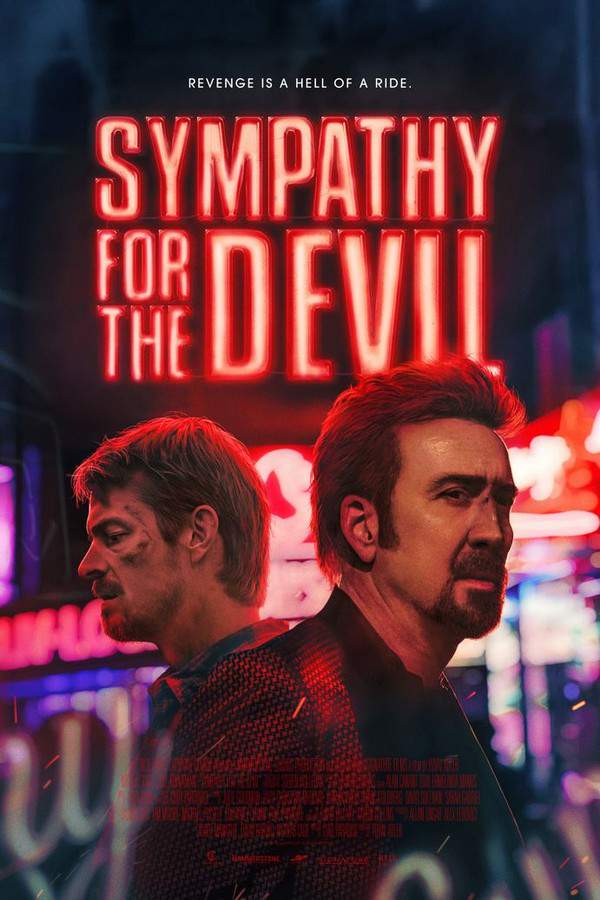
Sympathy for the Devil (2023) movie poster

Ending Explained

Sympathy for the Devil (2023) Ending Explained – Final Scene & Meaning

Release, runtime and language
2023 · 90 min · English
Echo score 55
Directed by
Yuval Adler
Starring
Joel Kinnaman, Nicolas Cage, Alexis Zollicoffer, Burns Burns, Cameron Lee Price, Danny Tesla

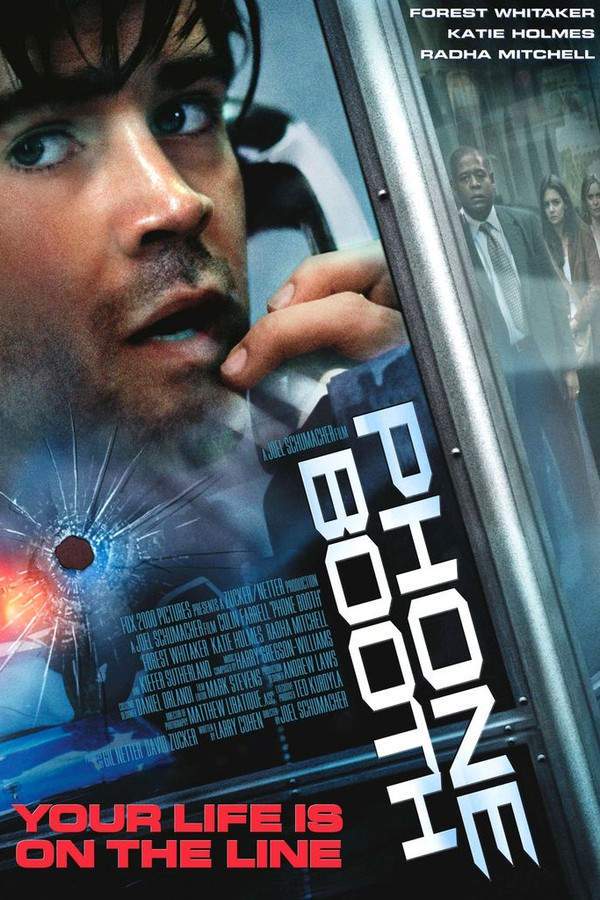
A rideshare driver's routine is shattered when he picks up a mysterious passenger who reveals himself to be a dangerous and manipulative man. As the journey progresses, the driver finds himself embroiled in a perilous situation, facing escalating threats and uncovering a complex network of lies and deception. He must fight to survive and unravel the truth behind his passenger's sinister agenda.

On this page (6)
  1. 1 What happens at the end
  2. 2 Final events in order
  3. 3 Ending questions answered
  4. 4 Movie threads
  5. 5 Movies like Sympathy for the Devil
  6. 6 Every angle

Ending explained · contains spoilers

What Happens at the End of Sympathy for the Devil?

How Sympathy for the Devil (2023) ends, what the final scene means, which earlier moments set it up and how to read the ending if the film leaves it open. The full ending explained, with every spoiler.

In the climax of Sympathy for the Devil, David Chamberlain, known as the Driver, confronts his dark past after a tense and violent night. Throughout the film, David is revealed to be a man haunted by the crimes he committed long ago, and by the end, he finally accepts his true identity and the sins he has carried. When the police arrive after the car accident, David, who has been struggling with guilt and grief, chooses to take the responsibility for the chaos and death that occurred. He kills the Passenger, who is actually a former hitman named James Lavine, and confesses his own sins to the police, fully aware that his past will now catch up with him. His action and confession serve as a form of catharsis, a final attempt to free himself from the weight of his guilt.

As the police find David beside the lifeless body of the Passenger, he claims that he was abducted at gunpoint and that the Passenger or his accomplices are responsible for the murders. However, his true story—one that reveals he is the actual murderer—remains hidden from the authorities. The film leaves ambiguous whether David will face justice or escape, emphasizing the recurring theme that the real Devil is not necessarily an external force, but the darkness within oneself. The title hints at this internal struggle—whether David's sins will finally be atoned for or perpetuated, leaving viewers contemplating who the real villain truly is in this morally complex tale. Ultimately, the ending suggests that David has finally confronted and embraced his darker side, finding a disturbing sort of peace with his past, even as the true extent of his guilt stays hidden beneath the surface.

Last updated: June 25, 2025 at 08:59

Was this helpful?

The last 4 events

How Sympathy for the Devil Ends: The Final Events in Order

The last events of Sympathy for the Devil (2023) in chronological order, the run-up to the ending explained above. The complete timeline has all 14 events, scene by scene.

Open the full timeline
  1. Cunning Framing of the Passenger

    With sirens approaching, David cleverly cleans the murder weapon of his fingerprints. He places it in the Passenger's hands, hoping to frame him for the police officer's death despite his own heinous actions.

    Where
    Crash site
  2. The Haunting Reminder

    Among the wreckage, David finds the Ace of Spades card, a chilling memento of their harrowing journey. This discovery emphasizes the inescapable nature of their twisted encounter.

    Where
    Crash site
  3. Voicemail Revelation

    In the aftermath of the chaos, David receives a voicemail announcing the birth of his daughter. The moment ignites a twisted satisfaction within him, juxtaposing the joy of fatherhood with the horror of his actions.

    Where
    Crash site
  4. Final Standoff with Law Enforcement

    As law enforcement arrives, David prepares to greet them with a false façade of innocence. The juxtaposition between his outward calm and inner turmoil sets the stage for a haunting conclusion to his nightmarish ordeal.

    Where
    Crash site

Ending questions answered

Sympathy for the Devil Ending: Your Questions Answered

The questions people ask most about the ending of Sympathy for the Devil (2023): what the final scene means, how the twist works, what happens to each character and how to read the ending. Each answer contains spoilers.

Q1

What happens at the end of the movie?

At the end of Sympathy for the Devil, David Chamberlain kills the Passenger, who is revealed to be James Lavine, a former hitman. After the car accident, David confesses to the police but claims he was abducted at gunpoint, hiding the fact that he is actually the murderer. The film ends ambiguously, with David appearing to find a disturbing peace with his past crimes while the true extent of his guilt remains hidden from authorities.

Foreshadowing: Earlier scenes establish David's guilt and trauma over crimes he committed long before the film begins.

  • david chamberlain
  • passenger
  • james lavine
  • ending
  • confession
  • car accident
Q2

Who is the Passenger actually?

The Passenger is revealed to be James Lavine, a former hitman. He is connected to David's dark past and serves as the embodiment of the unresolved crimes David committed years earlier. Their confrontation in the final act forces David to finally face the history they share.

Foreshadowing: The Passenger's knowledge of David's personal details and his mysterious motives hint at a deeper connection between the two men.

  • passenger
  • james lavine
  • hitman
  • identity
  • backstory
Q3

Does David kill the Passenger in the climax?

Yes, David kills the Passenger in the climax of the film. This act marks a turning point where David fully embraces his darker nature rather than continuing to run from his past. The killing is deliberate and represents David's acceptance of his true identity as someone capable of murder.

Foreshadowing: David's escalating violence throughout the night and his internal struggle foreshadow his willingness to kill.

  • david kills passenger
  • climax
  • murder
  • violence
Q4

Does David get arrested at the end?

David is not arrested at the end. When the police arrive after the car accident, he tells them he was abducted at gunpoint and claims the Passenger or his accomplices are responsible for the murders. His lie allows him to leave the scene without immediate arrest, though the film emphasizes that his past will eventually catch up with him.

Foreshadowing: David's careful construction of a false narrative throughout the film sets up his deception of the police.

  • arrest
  • police
  • david escapes
  • confession
  • lie
Q5

What does the ending mean?

The ending suggests that the real Devil is not an external force but the darkness within oneself. David finally confronts and embraces his darker side, finding a disturbed peace with his past sins. However, his guilt remains hidden beneath the surface, leaving ambiguous whether he will truly face justice or continue evading the consequences of his actions.

Foreshadowing: The title itself hints at the thematic exploration of internal evil and moral ambiguity.

  • ending meaning
  • theme
  • devil
  • darkness
  • guilt
  • moral ambiguity
Q6

Why does David lie to the police about what happened?

David lies to the police because he wants to avoid immediate consequences for his actions. Although he confesses to the chaos and death that occurred, he frames himself as a victim who was abducted at gunpoint. This lie allows him to escape arrest while still carrying the psychological burden of his crimes.

Foreshadowing: David's pattern of deception and his struggle with guilt suggest he would choose self-preservation.

  • police
  • lie
  • confession
  • deception
  • escape
Q7

What is David's dark past?

David Chamberlain is haunted by crimes he committed long ago, specifically the murder of a family, as hinted at in the meta notes about vengeance and the death of a family. By the end of the film, he accepts this true identity and the sins he has carried, using his confrontation with James Lavine as a form of catharsis for his accumulated guilt.

Foreshadowing: Throughout the film, David's guilt and grief are evident in his reactions and dialogue.

  • david past
  • crimes
  • murder
  • guilt
  • family
  • sins
Q8

Does David find peace at the end?

David finds a disturbing sort of peace with his past by the end. He has finally confronted and embraced his darker side, which provides him with catharsis. However, this peace is unsettling because it comes through acceptance of violence and murder rather than redemption or justice.

Foreshadowing: David's emotional arc moves from guilt and torment toward acceptance throughout the film.

  • peace
  • catharsis
  • acceptance
  • closure
  • dark side
Q9

Will David face justice for his crimes?

The film leaves ambiguous whether David will face justice. While he confesses to the police, he does so while lying about his own role in the murders. The ending emphasizes that his past will eventually catch up with him, but the actual outcome remains uncertain, reinforcing the film's moral complexity.

Foreshadowing: The unresolved nature of David's deception sets up the ambiguity of his future.

  • justice
  • consequences
  • punishment
  • future
  • ambiguity
Q10

Why does David accept his true identity at the end?

David accepts his true identity because he can no longer live with the weight of his guilt. Confronting James Lavine, the last person connected to his past crimes, forces him to stop running. By accepting who he really is, David experiences catharsis, though this acceptance leads him toward further violence rather than redemption.

Foreshadowing: David's internal struggle and trauma build throughout the film until he reaches this breaking point.

  • identity
  • acceptance
  • self
  • catharsis
  • confrontation

Movie threads

More Movies Like Sympathy for the Devil, by Mood & Story

Curated lists built around what makes Sympathy for the Devil tick: the same mood, the same kind of story or the same emotional payoff. Each list explains why these movies belong together.

Claustrophobic Psychological Duels like in Sympathy for the Devil

Thrillers where two characters are locked in a high-stakes battle of wits in a confined space. If you liked the tense, single-location conflict in Sympathy for the Devil, explore other movies that feature intense psychological battles in confined spaces. These thrillers and horrors create high-stakes drama through claustrophobic settings and dangerous, manipulative character dynamics.

  • claustrophobic
  • tense
  • unsettling
  • anxious
  • psychological
  • confined
  • Tone: tense, unsettling
  • Pacing: fast, relentless
Why these movies?

The story pattern: The narrative pattern revolves around a contained conflict, often beginning with a seemingly mundane situation that escalates into a life-or-death struggle. The plot is driven by dialogue, revelation, and psychological manipulation, with the confined setting amplifying the stakes and forcing a direct, personal confrontation.

Why they belong together: Movies are grouped here for their shared use of a claustrophobic setting to create unbearable tension and focus on a two-hander psychological war. They deliver a similar experience of being trapped alongside the characters, feeling the anxiety and desperation of a situation with no easy escape.
Movies about Moral Descent and Bittersweet Survival like Sympathy for the Devil

Stories where survival comes at a heavy moral cost, leaving characters permanently scarred. For viewers who appreciated the heavy emotional weight and morally ambiguous ending of Sympathy for the Devil, this thread collects movies where characters survive a traumatic ordeal but are irrevocably changed by their actions, resulting in a bittersweet or bleak conclusion.

  • desperate
  • cathartic
  • heavy
  • unsettling
  • traumatic
  • morally ambiguous
  • Tone: heavy, bleak, morally complex
  • Pacing: fast, propulsive
Why these movies?

The story pattern: The emotional journey typically involves an ordinary individual forced into extreme circumstances, leading them to cross moral lines they never thought they would. The story explores the psychological fallout of these actions, with the ending focusing less on triumph and more on the lingering trauma and shattered identity of the survivor.

Why they belong together: These films are grouped by their shared focus on the heavy cost of survival. They resonate with a similar bittersweet or bleak emotional tone, prioritizing the exploration of guilt, trauma, and moral ambiguity over a clean, happy resolution.

If you liked this

Movies Like Sympathy for the Devil

Similar movies to Sympathy for the Devil: the same genre, themes or kind of story. Each one comes with its own plot summary, timeline and ending explained.

Browse all movie summaries

Every angle

Sympathy for the Devil (2023) Explained: Plot, Ending, Timeline & Characters

Everything about Sympathy for the Devil in one place: what happens in the plot summary, the timeline in chronological order, the characters and meaning, the ending explained and a spoiler-free summary. What's After the Movie adds the cast, box office and post-credit scenes.

Coming soon on iOS and Android

The Plot Explained Movie Summary App

Plot summaries, endings explained and timelines on your phone. Catch up on any movie in minutes, save your favorites and never miss a twist again.

Be the first to know when we launch. Your email stays private, always.

Learn more about the app