





Plot Explained Spoilers guaranteed!
Plot Explained

Browse by genre

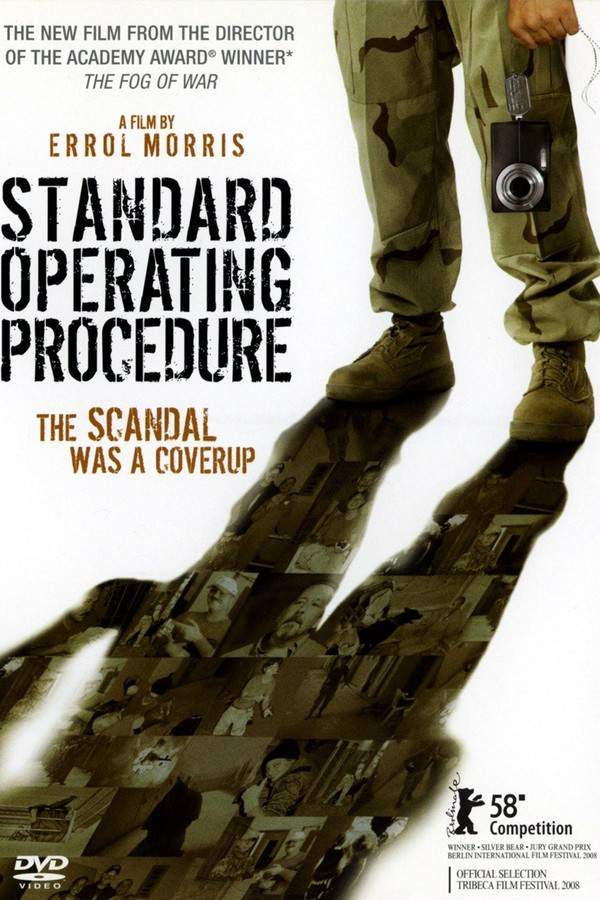
Standard Operating Procedure (2008) movie poster

Characters & Themes

Standard Operating Procedure (2008) Characters, Setting & Themes Explained

Release, runtime and language
2008 · 116 min · English
Directed by
Errol Morris

This film examines the circumstances surrounding the controversial photographs taken at Abu Ghraib prison. It explores the events leading up to the incident and investigates the systemic issues that contributed to the abuse of prisoners. Through interviews and analysis, the documentary seeks to understand the human element behind the images and reveal the broader culture of complicity that extended beyond the actions of a few individuals.

On this page (7)
  1. 1 Where to watch
  2. 2 Where & when it takes place
  3. 3 Themes & meaning (2)
  4. 4 Character & meaning questions
  5. 5 Movie threads
  6. 6 Movies like Standard Operating Procedure
  7. 7 Every angle

Where to watch

Where to Watch Standard Operating Procedure (2008)

Where can you watch Standard Operating Procedure? Stream, rent or buy it in the US, including on Amazon Video, Apple TV Store and Fandango At Home: current JustWatch availability with up-to-date prices.

Streaming availability powered by JustWatch

Setting

Where and When Does Standard Operating Procedure Take Place?

The setting of Standard Operating Procedure (2008): the year and time period, the places and locations, and how they shape the characters, the mood and the tension of the story.

Time period

Early 2000s

The early 2000s marked a significant period in modern history, characterized by the aftermath of the September 11 attacks and the ensuing global War on Terror. The invasion of Iraq in 2003 led to heightened scrutiny of military operations and the treatment of prisoners, particularly in the context of human rights violations that unfolded during this turbulent era.

Location

Abu Ghraib Prison

Abu Ghraib Prison, located near Baghdad, Iraq, is infamously known for the human rights abuses that took place during the Iraq War. It became a symbol of the darker aspects of American military policy and the ethical dilemmas surrounding wartime conduct. The prison's dark history remains a focal point of discussion about morality and accountability in conflict.

  • 🏛️ Place of Horror
  • 📍 Iraq
  • 🪦 Historic Site

Last updated: October 22, 2024 at 19:45

Was this helpful?

2 major themes

Standard Operating Procedure Meaning: Themes & Message Explained

What is Standard Operating Procedure (2008) really about? The emotional, social and philosophical themes the film keeps returning to, its symbolism and the message beneath the surface.

  • Truth and Deception

    The theme of truth versus deception is crucial in 'Standard Operating Procedure.' The controversial photographs from Abu Ghraib not only reveal shocking abuses but also generate questions regarding the narratives constructed around them. The film delves into how visual evidence can both expose reality and obscure deeper truths, ultimately prompting viewers to reflect on the complexities of accountability.

  • Morality and Ethics

    The film confronts the moral dilemmas faced by the military personnel involved in the Abu Ghraib scandal. It explores how individuals navigate their actions under the heightened stress of war and the ethical implications of their choices. This theme resonates throughout the narrative, illuminating the struggle between duty and personal ethics.

Last updated: October 22, 2024 at 19:45

Was this helpful?

Character & theme questions

Standard Operating Procedure Characters & Meaning: Your Questions Answered

The questions people ask about Standard Operating Procedure (2008): who the characters really are, their relationships, what the symbols mean, where it takes place and what the movie is really about. Each answer contains spoilers.

Q1

What is Abu Ghraib Prison known for?

Abu Ghraib Prison, located near Baghdad, Iraq, is infamous for the human rights abuses that occurred there during the Iraq War. It became a symbol of the darker aspects of American military policy and the ethical dilemmas surrounding wartime conduct. The prison's association with prisoner torture and abuse made it a focal point for discussions about morality, accountability, and the treatment of detainees in conflict zones.

  • abu ghraib prison
  • human rights abuses
  • iraq war
  • torture
Q2

When did the Abu Ghraib scandal occur?

The Abu Ghraib scandal emerged in the early 2000s, specifically after the 2003 U.S. invasion of Iraq. The abuses took place between 2003 and 2004, during a period marked by the global War on Terror and heightened tensions following the September 11 attacks. The scandal became public in 2004 when photographs of the mistreatment were leaked and published worldwide.

  • abu ghraib scandal
  • 2003
  • 2004
  • iraq war
  • timeline
Q3

What is Standard Operating Procedure about?

Standard Operating Procedure is a 2008 documentary that examines the controversial photographs taken at Abu Ghraib prison. The film investigates the events leading up to the incident, the systemic issues that contributed to the prisoner abuses, and the broader culture of complicity that extended beyond the actions of a few individuals. Through interviews and analysis, it explores the human element behind the infamous images.

  • standard operating procedure documentary
  • abu ghraib photos
  • errol morris
Q4

What role do the Abu Ghraib photographs play in the film?

The photographs are central to the documentary's investigation. The film analyzes how these visual records both exposed shocking abuses and simultaneously generated questions about the narratives constructed around them. The images serve as evidence that the film deconstructs to reveal deeper truths about accountability, complicity, and the gap between what the photos show and what actually occurred.

  • abu ghraib photographs
  • evidence
  • visual documentation
Q5

How does the film explore truth and deception?

The documentary examines how visual evidence can both expose reality and obscure deeper truths. It investigates the official narratives constructed around the Abu Ghraib incident and questions how the photographs were interpreted by the public, media, and military leadership. The film reveals the complexities of accountability and how the images were used to shape public perception of the events.

  • truth
  • deception
  • accountability
  • visual evidence
  • narrative
Q6

What ethical questions does Standard Operating Procedure raise about Abu Ghraib?

The film confronts the moral dilemmas faced by military personnel involved in the scandal. It explores how individuals navigated their actions under the heightened stress of war and examines the ethical implications of their choices. The documentary illuminates the struggle between duty and personal ethics, asking whether the actions were isolated incidents or symptoms of a broader systemic problem.

  • morality
  • ethics
  • military personnel
  • accountability
  • complicity
Q7

Does the film blame individuals or systemic issues for Abu Ghraib?

Standard Operating Procedure moves beyond scapegoating individual soldiers to analyze the systemic failures that enabled the abuses. The documentary presents a layered argument about institutional culture, command responsibility, and how broader policies contributed to the conditions at Abu Ghraib. It suggests the scandal was not solely the result of a few bad actors but reflected deeper problems within military operations and oversight.

  • systemic failure
  • military culture
  • command responsibility
  • institutional blame
Q8

What is the tone and approach of the documentary?

The documentary is rigorously analytical with a dark, serious tone given the disturbing nature of its subject matter. Directed by Errol Morris, it uses interviews, reenactments, and document analysis to construct its argument. The film carries an immense emotional weight from the events it examines while maintaining a steady, investigative pacing that seeks to uncover the full truth behind the scandal.

  • errol morris
  • documentary style
  • investigative
  • tone

Movie threads

More Movies Like Standard Operating Procedure, by Mood & Story

Curated lists built around what makes Standard Operating Procedure tick: the same mood, the same kind of story or the same emotional payoff. Each list explains why these movies belong together.

Documentaries of Systemic Failure like Standard Operating Procedure

Documentaries that meticulously uncover the layers of corruption and complicity. For viewers who appreciated the deep dive into Abu Ghraib, this section features movies like Standard Operating Procedure. These similar documentaries focus on forensic analysis of political corruption, military scandals, and coverups, offering a sobering look at how systems fail.

  • investigative
  • forensic
  • sobering
  • unsettling
  • grim
  • analytical
  • Tone: sobering, unsettling, analytical
  • Pacing: steady, methodical
Why these movies?

The story pattern: The narrative is built around an investigation, often using interviews, archival footage, and documents to methodically challenge an accepted story. The journey is not about solving a mystery in the traditional sense, but about understanding the 'how' and 'why' of a systemic breakdown, leading to a morally ambiguous conclusion.

Why they belong together: They share a commitment to rigorous, analytical storytelling, a dark and unsettling tone, and a heavy emotional weight derived from confronting uncomfortable truths about power and accountability.

Movies about the Anatomy of a Scandal like Standard Operating Procedure

Stories that dissect a public crisis from the inside out, revealing moral rot. If you liked Standard Operating Procedure's exploration of the human element behind the Abu Ghraib photos, discover more movies that dissect scandals. These films share a dark tone and heavy emotional weight, focusing on moral ambiguity and the complex reasons behind public failures.

  • grim
  • unsettling
  • moral ambiguity
  • psychological
  • solemn
  • disturbing
  • Tone: dark, grim, morally ambiguous
  • Pacing: steady, reflective, procedural
Why these movies?

The story pattern: These narratives often begin after a pivotal, infamous event and work backwards or inwards to understand the causes. The structure is less about linear progression and more about piecing together a puzzle of responsibility, frequently featuring multiple perspectives and challenging the audience to assign blame in a gray-area world.

Why they belong together: They are connected by a shared dark tone, a steady pacing that allows for deep reflection, a high intensity due to the disturbing subject matter, and a central theme of moral ambiguity within powerful institutions.

If you liked this

Movies Like Standard Operating Procedure

Similar movies to Standard Operating Procedure: the same genre, themes or kind of story. Each one comes with its own plot summary, timeline and ending explained.

Browse all movie summaries

Every angle

Standard Operating Procedure (2008) Explained: Plot, Timeline & Characters

Everything about Standard Operating Procedure in one place: what happens in the plot summary, the timeline in chronological order, the characters and meaning and a spoiler-free summary. What's After the Movie adds the cast, box office and post-credit scenes.

Coming soon on iOS and Android

The Plot Explained Movie Summary App

Plot summaries, endings explained and timelines on your phone. Catch up on any movie in minutes, save your favorites and never miss a twist again.

Be the first to know when we launch. Your email stays private, always.

Learn more about the app