Plot Explained Spoilers guaranteed!
Plot Explained

Browse by genre

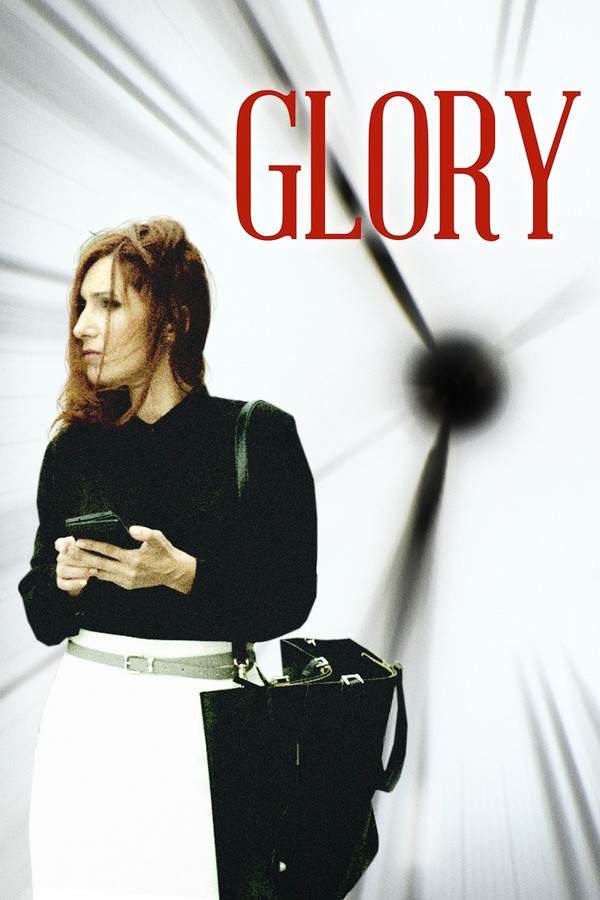
Glory (2017) movie poster

Plot Summary

Glory (2017) Plot Summary Explained

Release, runtime and language
2017 · 101 min · Bulgarian
Loading streaming availability…
Directed by
Kristina Grozeva, Petar Valchanov

After a chance discovery, Tsanko Petrov finds himself entangled in a series of unexpected events. Driven to reclaim a lost family heirloom and rediscover his identity, he embarks on a quest for justice and dignity. The story unfolds with a blend of poignant moments and quiet determination, exploring themes of family, heritage, and the pursuit of a meaningful life.

On this page (6)
  1. 1 Where to watch
  2. 2 What happens: full plot
  3. 3 Plot questions answered
  4. 4 Movie threads
  5. 5 Movies like Glory
  6. 6 Every angle
Loading streaming availability…

Full plot summary · contains spoilers

What Happens in Glory: Full Plot Summary

The whole story of Glory (2017) explained, from the opening scene to the final frame: every key event, every twist and what it all adds up to. Read it as a quick recap before the sequel, to check a scene you missed, or to finally understand what really happened.

Railway trackman Tsanko Petrov makes a startling discovery: bundles of cash scattered on the tracks. Instead of pocketing the money, he does the honest thing and reports the find to the authorities. This act becomes a spark in a larger political game: Julia Staykova, the polished head of PR at Bulgaria's Ministry of Transport, seizes the moment to deflect a brewing corruption scandal by orchestrating a ceremony that casts Tsanko as a working-class hero.

Despite his rugged, unkempt appearance and his debilitating stutter, Tsanko is thrust into the spotlight as the PR machine parades him before the press. The intention behind the public tribute is clear—to soften scrutiny on the ministry—while Julia and her team mock him behind the scenes. In a calculated gesture meant to showcase recognition, Julia plans to present Tsanko with a new digital watch, but to do so she first removes his cherished Slava-brand watch, an heirloom carried from his father. The plan falters when she loses the heirloom, ignores his attempts to reach her, and ultimately substitutes the missing watch with a counterfeit.

Anger fuels Tsanko as he takes his story to the media and publicly exposes the corruption and theft embedded within the transportation ministry, implicating the Minister in the scheme. In a bid to salvage the ministry’s reputation, Julia arranges a cunning trap: Tsanko is framed for a crime he did not commit and pressured to retract his accusations in exchange for his eventual release from prison.

On his journey home, Tsanko is confronted by former colleagues who resent him for blowing the whistle on their crime ring. The situation is also tied to a personal tragedy—rumors hint that Tsanko’s beloved rabbits died from neglect during his time behind bars, a consequence of his absence.

The following day, Julia is confronted by the consequences of her actions when she reads in the newspaper that a trackman has died by suicide. Guilt gnaws at her as she drinks and searches her office for the missing watch. The next morning, she finds the watch and learns the dead trackman was not Tsanko after all. Relieved, she drives to Tsanko’s home to return the watch in person, only to find him severely injured and furious with her for triggering the entire chain of events.

The film closes on a tense, almost mythic note: Tsanko grabs a wrench in a moment of raw confrontation, while Julia screams, her husband in the car nearby obliviously listening to music. The story lingers on the unraveling of a system where a single act of honesty spirals into manipulation, accusation, guilt, and a volatile reckoning between those who wield power and those who stand up to it.
Last updated: October 09, 2025 at 16:24

Was this helpful?

Plot questions answered

Glory Plot Explained: Your Questions Answered

The questions people ask most about Glory (2017): what happens in the confusing scenes, why the characters do what they do, the twists, hidden details and what the ending means. Each answer contains spoilers.

Q1

Why does Tsanko report the money instead of keeping it?

Tsanko chooses to report the money because he is an honest, principled man who cannot accept easy wealth that isn't his. Despite being poor and struggling, his integrity compels him to turn the cash over to authorities rather than pocket it. This decision defines his character and sets the tragic chain of events in motion, as his honesty makes him a target for political exploitation.

Foreshadowing: His immediate decision to do the right thing establishes his vulnerability in a corrupt system.

  • honesty
  • integrity
  • money
  • railway worker
  • bulgaria
Q2

Why does Julia use Tsanko for the hero ceremony?

Julia exploits Tsanko to deflect attention from an ongoing corruption scandal at the Ministry of Transport. By parading him as a working-class hero, she creates positive media coverage that distracts from the real issues. Tsanko's genuine honesty serves as a convenient shield for the ministry's dishonesty, allowing officials to appear patriotic and moral while covering up their crimes.

Foreshadowing: The ceremony is orchestrated specifically to protect the minister's reputation.

  • pr
  • propaganda
  • corruption
  • media manipulation
  • minister
Q3

What happens to Tsanko's watch and why does it matter?

Julia removes Tsanko's Slava-brand watch, a family heirloom from his father, to replace it with a digital watch during the ceremony. She loses the heirloom and secretly substitutes it with a counterfeit. The watch represents Tsanko's connection to his family heritage and dignity, making its loss devastating. Julia's carelessness with the heirloom symbolizes how the system treats ordinary people, as pawns to be manipulated and discarded.

Foreshadowing: The watch becomes a tangible symbol of the power imbalance between Tsanko and the officials.

  • heirloom
  • family heritage
  • slava watch
  • dignity
  • father
Q4

Why does Tsanko go to the media about the corruption?

Tsanko goes public because he realizes he has been used and humiliated by the PR team. After being mocked, dismissed, and having his watch replaced with a fake, he decides to expose the corruption and theft happening within the transportation ministry, including the minister's involvement. His whistle-blowing is driven by outrage at being manipulated and a desire to reveal the truth.

Foreshadowing: His decision directly threatens the ministry's carefully constructed narrative.

  • whistleblower
  • exposure
  • corruption
  • media
  • truth
Q5

Why is Tsanko framed for a crime he didn't commit?

Julia arranges for Tsanko to be framed because his whistle-blowing threatened to expose the corruption network and damage the ministry's reputation. To silence him and protect the minister, she has him arrested and imprisoned on false charges. He is then coerced into retracting his accusations in exchange for his release, demonstrating how the system uses intimidation and false accusations to crush dissent.

Foreshadowing: The framing shows the lengths the ministry will go to protect its own.

  • frame
  • prison
  • false accusation
  • retraction
  • coercion
Q6

What happens to Tsanko's rabbits while he's in prison?

While Tsanko is imprisoned, his beloved rabbits die from neglect because there is no one to care for them during his absence. This represents the personal toll of his imprisonment, the destruction of something he loved and depended on for companionship. The death of the rabbits symbolizes how the system's actions ripple outward, destroying not just Tsanko but everything connected to him.

Foreshadowing: This tragedy occurs off-screen but deeply affects Tsanko's emotional state.

  • pets
  • neglect
  • prison
  • loss
  • isolation
Q7

Why does Julia think a trackman committed suicide?

Julia reads in the newspaper that a trackman has died by suicide and assumes it is Tsanko, her manipulation has led to his death. This causes intense guilt as she realizes the consequences of her actions have gone too far. She drinks heavily and frantically searches for the missing watch, overwhelmed by the weight of what she believes she has caused.

Foreshadowing: This moment forces Julia to confront the human cost of her political games.

  • guilt
  • suicide
  • newspaper
  • death
  • realization
Q8

Why does Julia search for the watch in her office?

Julia searches for the watch while drunk because it has become a symbol of her manipulation and guilt. The missing heirloom represents her dishonesty and the tangible harm she caused Tsanko. Finding the watch becomes a way to assuage her guilt, though she also discovers that the trackman who died was not Tsanko, bringing both relief and deeper moral reckoning.

Foreshadowing: The search marks Julia's turning point toward conscience.

  • search
  • guilt
  • heirloom
  • office
  • realization
Q9

What does the ending scene with the wrench mean?

The ending shows Tsanko grabbing a wrench during his confrontation with Julia, symbolizing his rage at everything he has suffered. Despite his injuries, he stands ready to fight back against the system that destroyed his life. The ambiguous ending leaves whether he uses the wrench uncertain, representing the volatile tension between victims and those who wield power over them.

Foreshadowing: The wrench represents the potential for violent resistance against systemic oppression.

  • confrontation
  • wrench
  • rage
  • ending
  • ambiguity
Q10

Why does Julia replace the heirloom with a fake watch?

Julia replaces Tsanko's Slava watch with a fake because she lost the original heirloom during her scheme. Rather than admitting her mistake, she attempts to cover it up with a counterfeit, showing her disregard for Tsanko's personal history and her willingness to deceive. This deception further degrades his dignity and reveals her manipulative nature.

Foreshadowing: The fake watch foreshadows the broader falseness of the entire hero narrative.

  • fake
  • counterfeit
  • deception
  • heirloom
  • loss
Q11

How does the corruption scandal connect to Tsanko?

The corruption scandal involves theft and misuse of funds within Bulgaria's Ministry of Transport. Tsanko's discovery of money on the tracks accidentally exposes part of this criminal operation. Rather than investigating the theft, officials use his honest act as a publicity stunt to deflect scrutiny from their own crimes, ultimately punishing him for stumbling upon evidence of their corruption.

Foreshadowing: The money Tsanko found was likely stolen government funds being transported.

  • corruption
  • scandal
  • ministry
  • theft
  • exposure
Q12

What motivates Julia's guilt in the story?

Julia experiences guilt because she realizes her political manipulation has destroyed an innocent man's life. She had initially seen Tsanko as a disposable tool, but his suffering becomes real to her when she believes he has died. Her guilt is complicated, she recognizes the harm she caused but also continues to operate within the corrupt system that enabled her actions.

Foreshadowing: Julia's guilt is sparked by the newspaper report of the suicide, not by empathy alone.

  • guilt
  • remorse
  • manipulation
  • conscience
  • system

Movie threads

More Movies Like Glory, by Mood & Story

Curated lists built around what makes Glory tick: the same mood, the same kind of story or the same emotional payoff. Each list explains why these movies belong together.

Movies about fighting a corrupt system like Glory

One ordinary person is crushed by the gears of a vast, cynical system. If you liked Glory and its story of one man's fight against a manipulative establishment, you'll find similar movies here. These dramas focus on the emotional and psychological toll of battling institutional corruption, media manipulation, and cynical power structures.

  • frustrating
  • oppressive
  • defiant
  • anxious
  • somber
  • troubling
  • Tone: dark, cynical, defiant
  • Pacing: steady, procedural escalation
Why these movies?

The story pattern: These narratives typically begin with a small discovery or act of principle that escalates into a life-altering conflict. The protagonist is slowly isolated, discredited, and broken down by a faceless, bureaucratic system that prioritizes its own survival over truth or justice. The journey is one of gradual disempowerment and rising defiance.

Why they belong together: Movies in this thread share a dark, somber tone and a steady, procedural pacing that builds a sense of oppressive frustration. They are united by themes of class struggle, whistleblowing, and the moral collapse of institutions, creating a heavy emotional weight and often an ambiguous or bleak resolution.

Slow burn dramas with a dark atmosphere like Glory

Stories where anxiety and tension build steadily into an oppressive atmosphere. For viewers who appreciated the anxious, oppressive mood and steady-building tension of Glory. This collection features movies with a similar slow burn pacing, a dark and somber tone, and a heavy emotional weight that creates a palpable sense of dread throughout the story.

  • anxious
  • oppressive
  • slow burn
  • somber
  • troubling
  • psychological
  • Tone: dark, anxious, somber
  • Pacing: steady, slow burn
Why these movies?

The story pattern: The narrative unfolds methodically, often starting from a point of normality that is slowly eroded. The conflict is internal and external, with psychological pressure mounting as the protagonist's world becomes more claustrophobic and hopeless. The focus is on the emotional journey and atmospheric tension rather than plot twists.

Why they belong together: This thread groups films based on a shared viewing experience of sustained, atmospheric tension. They prioritize mood over pace, using a steady rhythm to create an anxious, somber, and ultimately oppressive vibe that weighs heavily on the viewer, much like the input movie.

If you liked this

Movies Like Glory

Similar movies to Glory: the same genre, themes or kind of story. Each one comes with its own plot summary, timeline and ending explained.

Browse all movie summaries

Every angle

Glory (2017) Explained: Plot, Timeline & Characters

Everything about Glory in one place: what happens in the plot summary, the timeline in chronological order, the characters and meaning and a spoiler-free summary. What's After the Movie adds the cast, box office and post-credit scenes.

Coming soon on iOS and Android

The Plot Explained Movie Summary App

Plot summaries, endings explained and timelines on your phone. Catch up on any movie in minutes, save your favorites and never miss a twist again.

Be the first to know when we launch. Your email stays private, always.

Learn more about the app