Plot Explained Spoilers guaranteed!
Plot Explained

Browse by genre

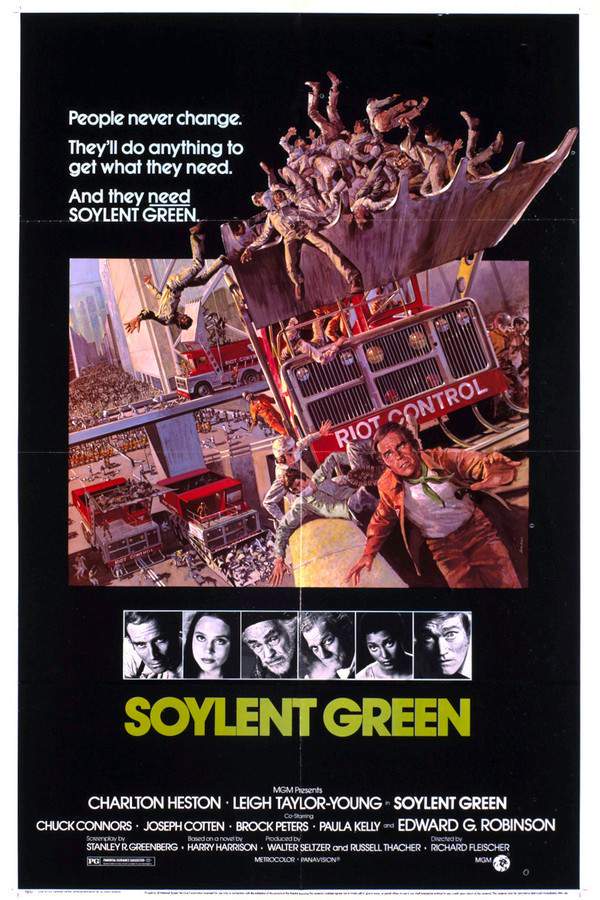
Soylent Green (1973) movie poster

Plot Summary

Soylent Green (1973) Plot Summary Explained

Release, runtime and language
1973 · 97 min · English
Directed by
Richard Fleischer
Starring
Joseph Cotten, Charlton Heston, Edward G. Robinson, Brock Peters, Mike Henry, Chuck Connors

In a severely overpopulated and resource-depleted New York City, Detective Thorn investigates the suspicious death of a Soylent Corporation executive. As he pursues the case, he uncovers a disturbing secret about the company's popular food product, Soylent Green, and its origins. His investigation leads him into a dangerous confrontation with powerful figures, forcing him to question everything he thought he knew and ultimately leading him to a shocking revelation about the state of the world.

On this page (7)
  1. 1 Where to watch
  2. 2 What happens: full plot
  3. 3 Plot questions answered
  4. 4 The book behind the movie
  5. 5 Movie threads
  6. 6 Movies like Soylent Green
  7. 7 Every angle

Where to watch

Where to Watch Soylent Green (1973)

Where can you watch Soylent Green? Stream, rent or buy it in the US, including on TCM, Amazon Video and Apple TV Store: current JustWatch availability with up-to-date prices.

Streaming availability powered by JustWatch

Full plot summary · contains spoilers

What Happens in Soylent Green: Full Plot Summary

The whole story of Soylent Green (1973) explained, from the opening scene to the final frame: every key event, every twist and what it all adds up to. Read it as a quick recap before the sequel, to check a scene you missed, or to finally understand what really happened.

In 2022, New York City grapples with a staggering population of 40 million, leading to rampant overcrowding and dilapidated housing. The once-bustling streets are now overflowing with the homeless, while the city's residents are forced to contend with an unemployment rate hovering around 50%. The oppressive heat, exacerbated by severe climate change from the Greenhouse Effect, has made summers unbearably humid, creating conditions where temperatures soar above 90°F, day and night. Food has become a scarce and costly resource, reminiscent of a bygone era. Technology has stagnated due to the depletion of Earth's natural resources, with few trees remaining. Most of the populace relies on processed rations from the Soylent Corporation, including the notorious Soylent Red and Soylent Yellow—both marketed as "high-energy vegetable concentrates." The newest offering, Soylent Green, is touted as being made from "high-energy plankton," presenting itself as a more nutritious option, though it remains in limited supply, leading to weekly food riots.

The story follows Robert Thorn (Charlton Heston), a detective with the New York City Police Department, who resides in a cramped, rundown apartment with his elderly friend and roommate, Solomon "Sol" Roth (Edward G. Robinson). Once a college professor, Roth now dedicates his efforts to sifting through the chaos of what remains of written history to aid Thorn's investigations. Despite Roth sharing tales of the past from a time of abundance and sustainability, Thorn remains skeptical, finding the stories hard to fathom.

Thorn's latest case involves the murder of William R. Simonson (Joseph Cotten), a wealthy lawyer found dead in his lavish apartment at Chelsea Towers West. Upon the scene, Thorn converses with the building superintendent, Charles (Philip Stone), who guides him to Simonson’s residence, where the detective discovers the lifeless body lying in a pool of blood, having suffered multiple blows to the head. Rather than diligently seeking clues, Thorn indulges in the luxuries of the affluent man's food and drink, relishing a shower with real hot water.

During his investigation, Thorn meets Shirl (Leigh Taylor-Young), the attractive 23-year-old "concubine" designated to Simonson, and Tab Fielding (Chuck Connors), Simonson's bodyguard. Fielding asserts he was away during the murder, leading Thorn to distrust his alibi. Afterward, Thorn returns to his apartment, sharing a meal with Roth from the food he pilfered from Simonson’s apartment, where they unravel the victim’s connections to the Soylent Corporation.

Later, Thorn spots Shirl during her gathering with other "furniture" girls, and she reveals Simonson had been increasingly distressed in the days leading up to his untimely death. In the throes of his investigation, Thorn learns from a worn-out priest (Lincoln Kilpatrick) that Simonson's confession contained something so deeply troubling that it remains unspoken, prompting Thorn's further digging. The plot thickens as he unearths evidence that links powerful individuals like Governor Joseph Santini (Whit Bissell) to the case, only to find himself embroiled in a conspiracy that compels him to tread carefully.

As Thorn navigates the violent street riots and corrupt law enforcement, he realizes the stakes are criminally high when Gilbert (Stephen Young), a hired gunman, attempts to eliminate him. An explosive chase ensues, culminating in Thorn discovering the horrifying truth about Soylent Green: its real composition is human bodies, not plankton as the public has been led to believe.

Ultimately, through relentless determination, Thorn races against time to expose the truth. In a heartbreaking denouement, he confronts the realities of his world as he battles against those who wish to maintain the grim status quo. As he faces life-threatening danger and narrowly escapes death multiple times, Thorn's message relays a desperate urgency: "Soylent Green is PEOPLE!! We've got to stop them... SOMEHOW!!!" His revelation is both a personal and societal indictment, showcasing the desperate straits in which humanity finds itself in this dystopian future.

Last updated: November 02, 2024 at 11:56

Was this helpful?

Plot questions answered

Soylent Green Plot Explained: Your Questions Answered

The questions people ask most about Soylent Green (1973): what happens in the confusing scenes, why the characters do what they do, the twists, hidden details and what the ending means. Each answer contains spoilers.

Q1

Why was William Simonson killed?

Simonson was murdered because he possessed knowledge about Soylent Green's true composition. As a lawyer connected to the Soylent Corporation, he had learned the horrifying secret that the product marketed as 'high-energy plankton' was actually made from human bodies. His distress in the days before his death suggests he was either conscience-stricken or feared for his life after discovering this truth.

Foreshadowing: Earlier scenes show Simonson growing increasingly agitated, hinting that he knew something dangerous.

  • simonson murder
  • soylent conspiracy
  • why simonson died
Q2

What did the priest reveal about Simonson’s confession?

The priest told Thorn that Simonson had made a confession containing something so disturbing it remained unspoken. This secret was the truth about Soylent Green being made from human remains rather than plankton. Simonson, wracked with guilt over his involvement with the corporation, had intended to confess everything before he was killed.

Foreshadowing: The priest's cryptic warning signals that Simonson's death was connected to something far larger than a simple murder.

  • priest confession
  • simonson secret
  • dying confession
Q3

How did Detective Thorn discover Soylent Green was made from people?

Thorn uncovered the truth through relentless investigation. After learning about Simonson's connections to the Soylent Corporation and his disturbing final confession, Thorn pieced together evidence linking powerful officials to a massive cover-up. His investigation led him to confront the conspiracy directly, ultimately discovering the horrifying reality that the corporation was processing human bodies into food.

Foreshadowing: The increasing danger Thorn faces from hired gunmen suggests he was getting dangerously close to the truth.

  • thorn investigation
  • discovering truth
  • soylent revelation
Q4

Why was Thorn targeted by a hired assassin?

Thorn was targeted because he was getting too close to exposing the Soylent Corporation's secret. As he investigated Simonson murder, he uncovered connections between the wealthy lawyer and powerful figures including Governor Santini. The corporation and its allies in government hired assassin Gilbert to silence Thorn before he could reveal the truth about Soylent Green's true ingredients.

Foreshadowing: The conspiracy's willingness to kill Simonson foreshadows their determination to eliminate anyone who threatens to expose them.

  • gilbert assassin
  • thorn danger
  • hired killer
Q5

What was Simonson’s connection to the Soylent Corporation?

Simonson was a wealthy lawyer who represented and was deeply entangled with the Soylent Corporation. His luxury apartment and access to the wealthy elite placed him at the center of the company's operations. Through his work, he discovered the dark secret behind Soylent Green, which ultimately led to his murder.

Foreshadowing: Simonson's distress in the days before his death directly correlates to his knowledge of the corporation's crimes.

  • simonson lawyer
  • soylent corporation
  • corporate conspiracy
Q6

Why are food riots happening in New York City?

Food riots erupt because Soylent Green, the corporation's newest product marketed as made from plankton, remains in extremely limited supply despite being presented as the solution to the city's food shortage. With 40 million overpopulated residents, massive unemployment, and barely any natural resources remaining, people desperately compete for the scarce rations, leading to violent outbreaks across the city.

Foreshadowing: The introduction of Soylent Green as a 'more nutritious' option sets up the cruel irony of the product's true nature.

  • food riots
  • soylent shortage
  • new york crisis
Q7

What makes Soylent Green different from Soylent Red and Yellow?

Soylent Green was marketed as made from 'high-energy plankton,' presented as a superior, more nutritious option than Red and Yellow. However, all three products were actually processed rations. The key difference was the Green variety was newer and more scarce, creating greater demand and hype, while in reality, it was no different from the other Soylent products in being a processed food substitute.

Foreshadowing: The limited supply of Soylent Green creates the desperate demand that fuels the riots.

  • soylent red
  • soy yellow
  • plankton lie
Q8

What is Sol Roth’s role in the story?

Sol Roth is Thorn's elderly roommate and former college professor who now works as a researcher, sifting through remnants of written history to aid Thorn's investigations. He provides crucial context about the world's past, sharing stories of a time when Earth had trees, abundant resources, and sustainability. His research and historical knowledge help Thorn piece together the clues that lead to the truth about Soylent Green.

Foreshadowing: Roth's tales of the past highlight the contrast between the depleted present and the lost abundance.

  • sol roth
  • thorn friend
  • history researcher
Q9

Why is the truth about Soylent Green so disturbing?

The revelation is devastating because the entire population has been unknowingly consuming human remains. In a world where food is scarce and people are dying from starvation, the corporation has been processing dead human bodies into the food rations that keep millions alive. This reveals not just a corporate crime, but a horrifying cycle of survival that makes the population complicit in consuming each other.

Foreshadowing: The film's dark tone and themes of desperation set up the bleak logic of this horrifying solution.

  • cannibalism
  • human bodies
  • shocking truth
Q10

Does anyone believe Thorn’s warning about Soylent Green?

The ending suggests Thorn's warning goes unheard. After his desperate cry of 'Soylent Green is PEOPLE!!!' he is shown wounded and alone, with no indication that the corrupt authorities or starving population will believe or act on his revelation. The film's bleak conclusion leaves viewers with a sense of hopelessness, as the system that protects the conspiracy remains firmly in control.

Foreshadowing: The oppressive atmosphere and constant danger to Thorn foreshadow his ultimate failure to change anything.

  • thorn ending
  • truth ignored
  • hopeless ending
Q11

Why does Thorn indulge in luxury at the crime scene instead of investigating?

Upon discovering Simonson's body, Thorn briefly succumbs to the temptation of luxury, real hot water, expensive food and drink, contrasting sharply with his cramped, run-down apartment. This moment humanizes Thorn as flawed, showing how even a detective can be seduced by the privileged lifestyle he rarely experiences, though he quickly returns to his duty.

Foreshadowing: This moment underscores the extreme class divide between the wealthy elite and the struggling masses.

  • thorn luxury
  • crime scene
  • class divide
Q12

Why does Thorn continue investigating despite the danger?

Thorn persists because his investigation reveals a conspiracy reaching the highest levels of government, including Governor Santini. Once he learns about Simonson's confession and the disturbing secret, he feels compelled to uncover the truth. His determination reflects both professional duty and personal outrage at the deception and murder hiding behind the corporation's public image.

Foreshadowing: The priest's warning about Simonson's confession foreshadows that the truth is worth dangerous pursuit.

  • thorn courage
  • truth quest
  • government conspiracy

Movie threads

More Movies Like Soylent Green, by Mood & Story

Curated lists built around what makes Soylent Green tick: the same mood, the same kind of story or the same emotional payoff. Each list explains why these movies belong together.

Dystopian Conspiracy Thrillers like Soylent Green

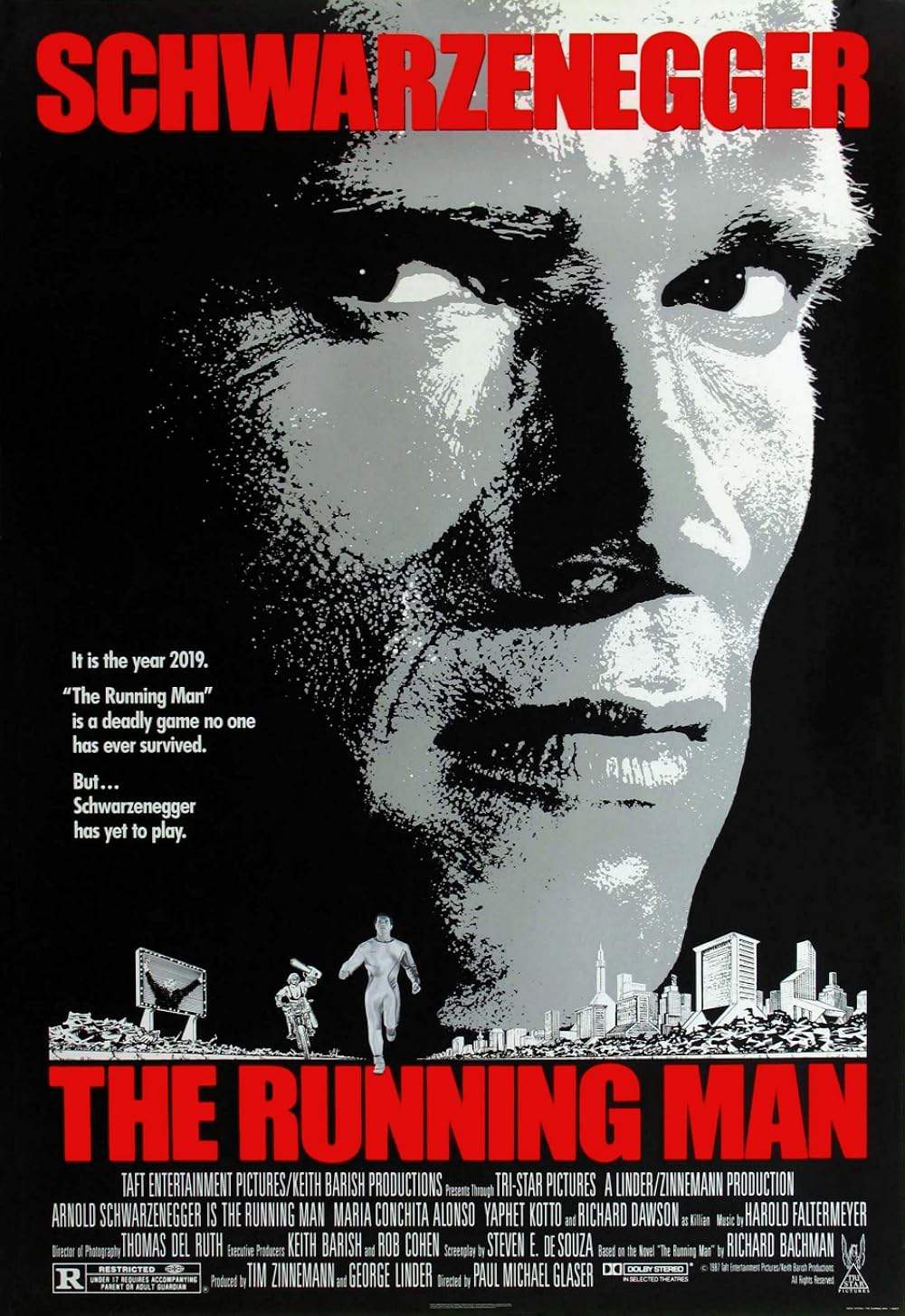
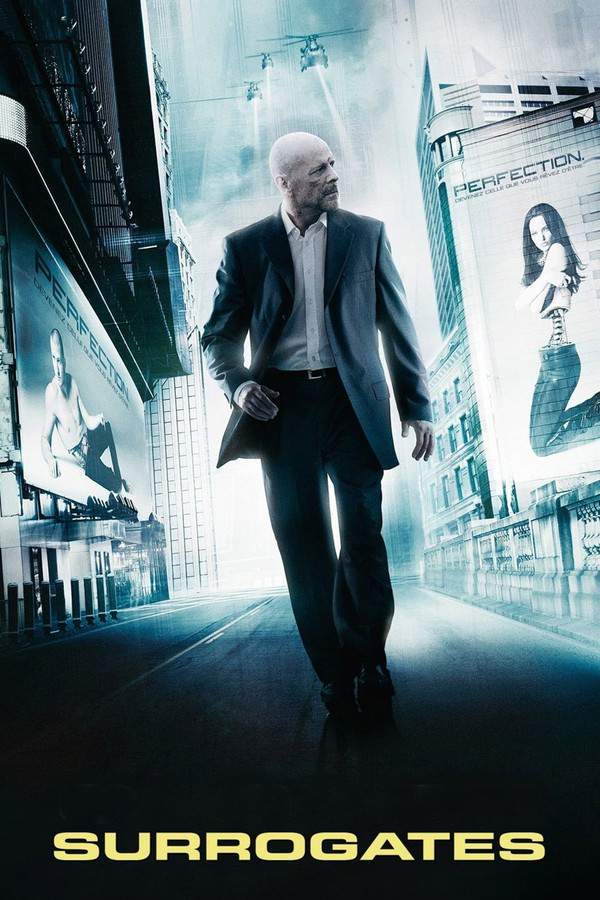
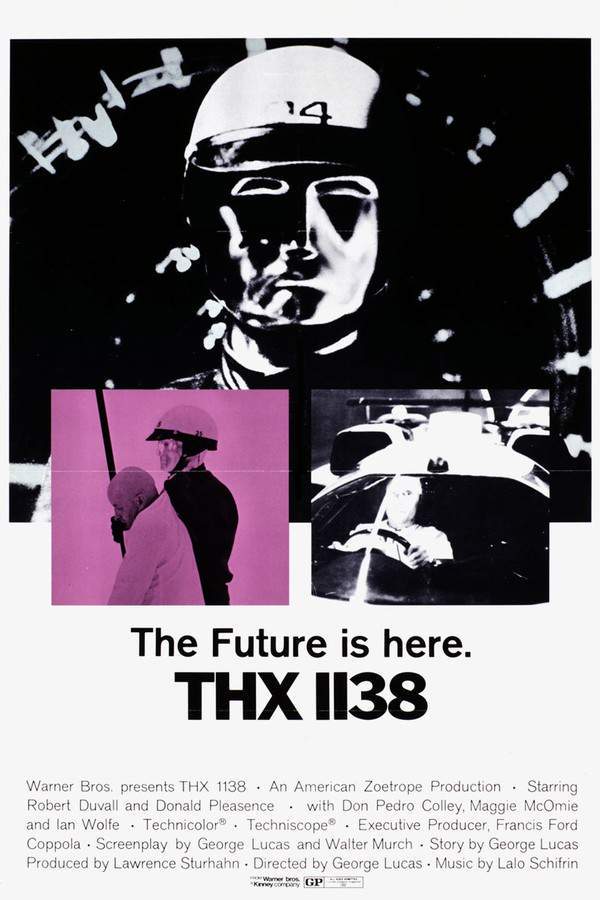
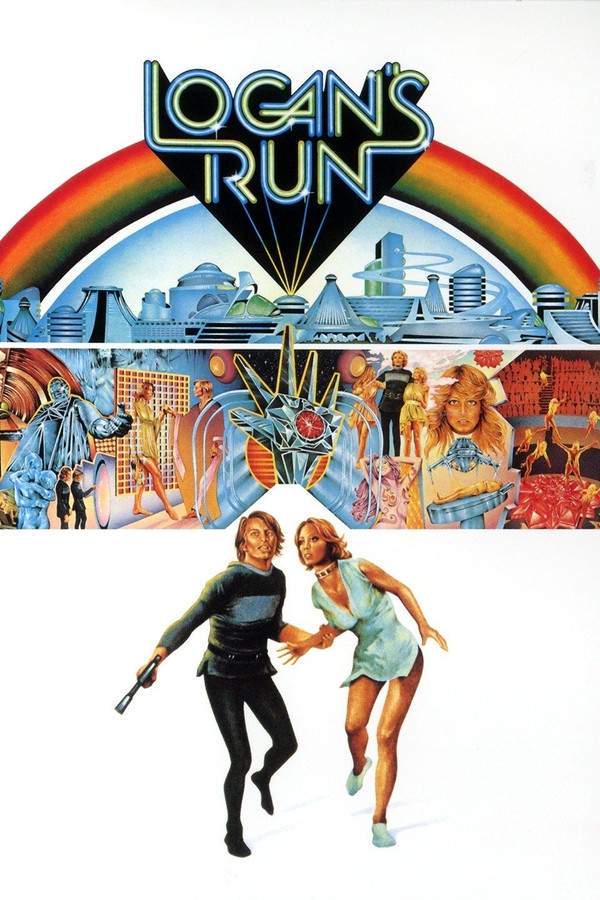
Uncovering horrifying secrets within a decaying, oppressive future society. If you liked the investigative dread of Soylent Green, explore more movies where characters uncover dark secrets in a broken future. These films share a steady, suspenseful pace, a bleak tone, and shocking revelations about the world's corruption, perfect for fans of tense, high-stakes dystopian stories.

  • dystopian
  • conspiracy
  • paranoid
  • grim
  • anxious
  • fatalistic
  • Tone: dark, paranoid, bleak
  • Pacing: steady, suspenseful
Why these movies?

The story pattern: These stories typically follow a procedural investigation structure within a dystopian setting. A protagonist, often an insider like a detective or official, begins to question the status quo. Their inquiry leads them down a dangerous path, besieged by the system they once served, culminating in a truth so horrific it shatters their worldview, often with little hope for change.

Why they belong together: They are grouped by their shared core premise: a mystery unraveled within a dystopia. The experience is defined by a combination of world-building that establishes a hopeless setting, a narrative that builds suspense through investigation, and a tone that is unflinchingly dark and morally grim.

Bleak Crime Noir Movies like Soylent Green

A detective's straightforward case leads to a morally bankrupt abyss. For viewers who appreciated the grim detective story in Soylent Green, this list features similar movies where a procedural investigation leads to a bleak, fatalistic conclusion. These films share a dark tone, heavy emotional weight, and the theme that solving the crime doesn't solve the underlying corruption.

  • noir
  • bleak
  • fatalistic
  • grim
  • oppressive
  • crime
  • Tone: dark, grim, fatalistic
  • Pacing: steady, procedural
Why these movies?

The story pattern: The narrative pattern is a seemingly standard investigation that acts as a vehicle for exploring profound themes of corruption and dehumanization. The protagonist follows the clues, but each discovery only deepens the moral quagmire. The climax is not a triumph of justice but a realization of systemic evil, often leaving the hero broken and the status quo unchallenged.

Why they belong together: These films are united by their use of the detective genre to deliver a profoundly pessimistic message. They share a specific mood: a claustrophobic, oppressive atmosphere where the mystery's solution brings despair rather than closure. The similarity lies in the fusion of crime plot mechanics with a overwhelmingly dark and heavy tone.

If you liked this

Movies Like Soylent Green

Similar movies to Soylent Green: the same genre, themes or kind of story. Each one comes with its own plot summary, timeline and ending explained.

Browse all movie summaries

Every angle

Soylent Green (1973) Explained: Plot, Timeline & Characters

Everything about Soylent Green in one place: what happens in the plot summary, the timeline in chronological order, the characters and meaning and a spoiler-free summary. What's After the Movie adds the cast, box office and post-credit scenes.

Coming soon on iOS and Android

The Plot Explained Movie Summary App

Plot summaries, endings explained and timelines on your phone. Catch up on any movie in minutes, save your favorites and never miss a twist again.

Be the first to know when we launch. Your email stays private, always.

Learn more about the app