Plot Explained Spoilers guaranteed!
Plot Explained

Browse by genre

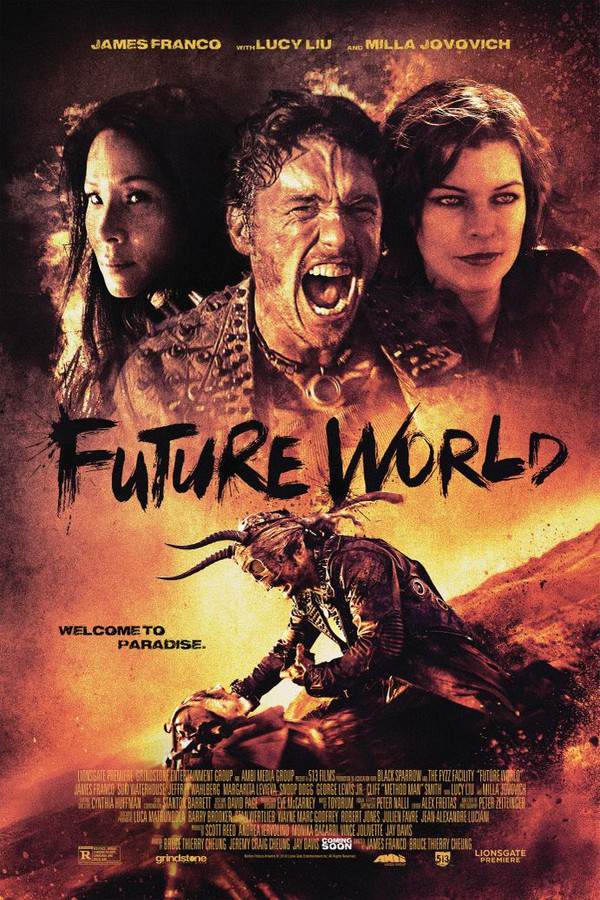
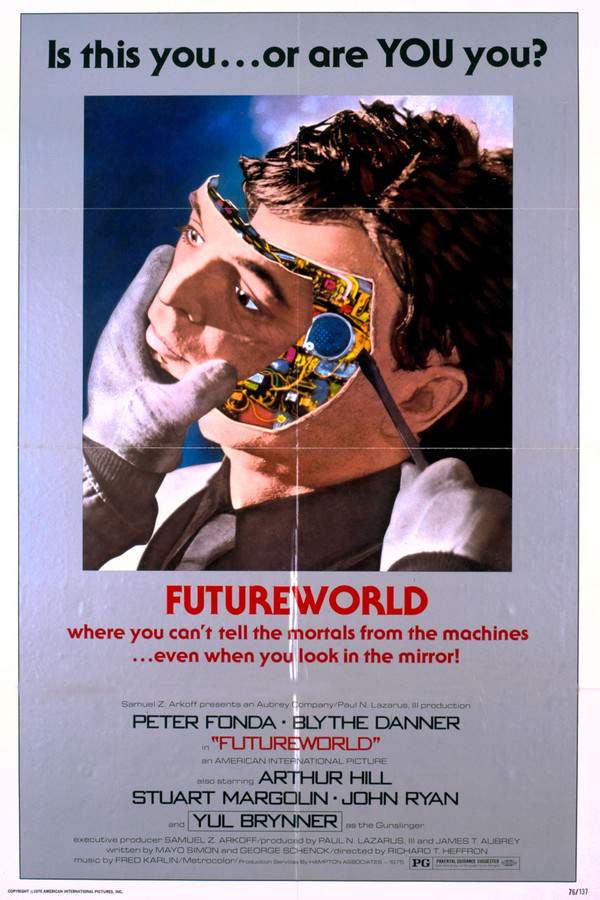
Futureworld (1976) movie poster

Plot Summary

Futureworld (1976) Plot Summary Explained

Release, runtime and language
1976 · 108 min · English
JustWatch #7,142 17
Directed by
Richard T. Heffron
Starring
Arthur Hill, Peter Fonda, Yul Brynner, Blythe Danner, John P. Ryan, Stuart Margolin

In a sprawling, futuristic resort where technology reigns supreme, investigative journalists Chuck Browning and Tracy Ballard stumble upon a disturbing secret hidden beneath the polished surface of the Delos facility. While exploring the advanced environment, they uncover a sinister plot orchestrated by Dr. Duffy. Navigating a world where the distinction between humans and machines is increasingly blurred, they race against time to prevent a potential disaster with far-reaching consequences for humanity.

On this page (7)
  1. 1 Where to watch
  2. 2 What happens: full plot
  3. 3 Plot questions answered
  4. 4 Movie threads
  5. 5 Movies like Futureworld
  6. 6 Categories
  7. 7 Every angle

Where to watch

Where to Watch Futureworld (1976)

Where can you watch Futureworld? Stream, rent or buy it in the US, including on fuboTV, MGM Plus and Philo: current JustWatch availability with up-to-date prices.

Streaming availability powered by JustWatch

Full plot summary · contains spoilers

What Happens in Futureworld: Full Plot Summary

The whole story of Futureworld (1976) explained, from the opening scene to the final frame: every key event, every twist and what it all adds up to. Read it as a quick recap before the sequel, to check a scene you missed, or to finally understand what really happened.

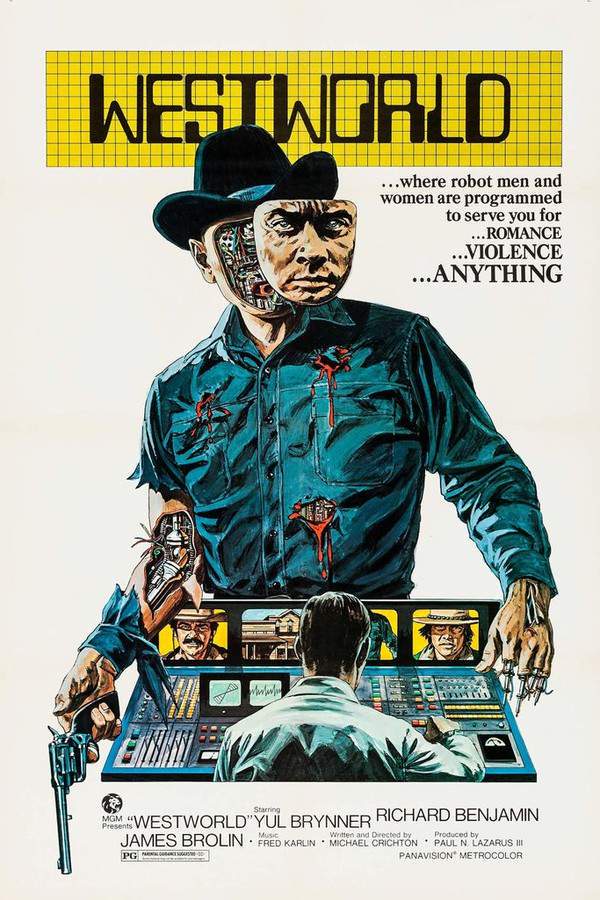
In the aftermath of the disastrous collapse of Westworld in 1983, the Delos Corporation undertook a massive overhaul of its theme park, investing a staggering $1.5 billion into enhanced safety features. After two years of reconstruction, the resort was reopened as an expansive entertainment complex. As a part of a strategically crafted publicity initiative, newspaper journalist Chuck Browning and TV reporter Tracy Ballard received a special invitation to preview the park's newly upgraded attractions.

Before their arrival, Browning arranged a discreet meeting with a Delos insider who was poised to expose damaging secrets about the corporation. However, their exchange was tragically cut short when the informant was fatally shot, leaving Browning with an enigmatic envelope from the dying man, shrouded in mystery and anticipation.

Upon entering the resort, guests found four meticulously designed theme parks: Spaworld, where the effects of aging and trauma had been erased; Medievalworld, Romanworld, and the futuristic Futureworld, offering a space station simulation. Opting for Futureworld, Browning and Ballard experienced a range of robots crafted for both enjoyment and entertainment, including engaging boxing matches and romantic escapades. Their tour was led by the elusive Dr. Duffy, who enthusiastically presented the resort's advanced safety measures and declared Delos' commitment to resolving previous concerns.

As night descended, the duo was astonished to discover a Control Center manned entirely by robots. The following evening, they unknowingly ingested drugged meals, allowing secret medical tests to be conducted while they slept. This unusual procedure was designed to clone the reporters, a process also enacted for visiting dignitaries such as a Russian general and a Japanese politician.

When Ballard abruptly woke up, she felt a profound unease, reminiscent of a vivid nightmare. Nevertheless, she and Browning devised a plan to sneak out and explore the resort's intricate underground passageways. Their after-dark escapade ultimately triggered a cloning machine, resulting in the manifestation of three samurai from the abandoned Eastworld park. Just as they faced capture by these mechanical warriors, Harry, a clever mechanic, came to their rescue, taking them to his quarters where he shared space with a robot named Clark, after Superman's alter ego.

While engaged in an impromptu interview with Harry, their discussion was suddenly interrupted by Dr. Schneider and two security personnel, who escorted them back to their rooms under the watchful gaze of a lingering kiss. The next day, while Ballard was immersed in a surreal dream sequence courtesy of the Delos dream-recording device, Browning stealthily made his way to Harry's quarters, eager to uncover secrets hidden behind locked doors.

Their investigation gained momentum when they discovered that the key to unveiling the mystery lay within the eyes of a robot. With Ballard's inadvertent help, Harry managed to procure the face of a mechanical companion, granting them access to the restricted area. Inside, they stumbled upon eerie duplicates of themselves, alongside astonishingly realistic clones of world leaders. These replicas were programmed to serve Delos' interests and eliminate their original counterparts. As Browning began to unravel the truth behind the envelope from his dying informant, he realized that Delos was cloning influential figures around the globe—a shocking revelation that sent chills down his spine.

In preparation for their escape from the resort on the first available flight, they returned to their quarters, only to find Duffy lying in wait. His malevolent intentions became evident as he unveiled Delos’ sinister plan: by cloning world leaders, they sought to eliminate threats to their interests, effectively ensuring humanity would collapse without “appropriate” guidance. Cloning journalists like themselves would guarantee favorable media coverage, making sure the Westworld tragedy would fade from public memory. Browning’s temper flared, yet Duffy’s unnatural strength overwhelmed him. An intervention from Ballard, who shot at Duffy, revealed his robotic nature as she peeled back the exterior of his face.

Meanwhile, Harry, in his attempt to aid them, confronted Browning's duplicate—the encounter turning tragic for him. Browning and Ballard faced their sinister doppelgängers, each mocking them with personal details from their lives. A gruesome game of survival unfolded, culminating in one member of each pair meeting a tragic demise—the survivor’s identity remaining shrouded in ambiguity. Upon their eventual reunion, Browning embraced Ballard in a passionate kiss, testing whether she was an authentic being or another cleverly engineered duplicate.

Ultimately, their escape from the resort became a reality, yet not before Dr. Schneider intercepted them to affirm their identities as clones. The reporters, facing a precarious choice, reluctantly agreed to craft positive reviews for Delos. However, their pledge was shattered upon witnessing Ballard's injured duplicate stumble towards them on the jetway—a stark reminder that some truths are impossible to bury. As they boarded the plane, Browning revealed to Ballard that his editor was preparing an exposé on Delos that would unmask their nefarious schemes, and that their passionate kiss had indeed been his clever ruse to discern her true identity in the chaos of deception.
Last updated: November 17, 2024 at 20:25

Was this helpful?

Plot questions answered

Futureworld Plot Explained: Your Questions Answered

The questions people ask most about Futureworld (1976): what happens in the confusing scenes, why the characters do what they do, the twists, hidden details and what the ending means. Each answer contains spoilers.

Q1

Why was the Delos informant killed before he could reveal the secret?

The informant was shot and killed during a covert meeting with Chuck Browning because he was about to expose damaging secrets about the Delos Corporation. The murder ensured his information died with him, though he managed to pass an envelope to Browning containing cryptic evidence about Delos' cloning operation. This silencing mechanism prevented the press from exposing the conspiracy before the journalists even entered the resort.

Foreshadowing: Earlier events establish that Delos will go to extreme lengths to protect its secrets, as evidenced by the massive cover-up following the original Westworld disaster.

  • informant murder
  • Delos cover-up
  • envelope evidence
  • whistleblower killed
Q2

How were the journalists cloned without their knowledge?

While Browning and Ballard slept after unknowingly ingesting drugged meals, Delos conducted secret medical tests on them. These tests extracted genetic material to create perfect clones of the reporters. The cloning process produced duplicates that retained the same memories and personality as the originals, making them indistinguishable from real humans.

Foreshadowing: The discovery of the robot-only Control Center foreshadows Delos' willingness to automate and manipulate beyond guest services.

  • cloning process
  • drugged meals
  • genetic material
  • unconscious cloning
  • medical tests
Q3

What was the purpose of cloning world leaders in Futureworld?

Dr. Duffy explained that Delos was cloning influential world leaders, such as a Russian general and Japanese politician, to eliminate threats to the corporation's interests and manipulate global politics. By replacing real leaders with compliant clones, Delos aimed to ensure humanity would follow their prescribed path. Cloning journalists like Browning and Ballard would guarantee favorable media coverage to help the Westworld tragedy fade from public memory.

Foreshadowing: The presence of eerily realistic duplicates of world leaders in the secret facility confirms the scale of this operation.

  • world leader clones
  • political manipulation
  • Delos control
  • global conspiracy
  • clone assassination
Q4

How did the robot eye work as a key to access the secret area?

The key to accessing the restricted cloning facility was embedded in the eyes of a robot. When Ballard inadvertently helped Harry obtain the face of a mechanical companion, they gained access to the restricted area. The robot's eye contained encoded data that served as a security pass, allowing them to enter the hidden laboratory where the cloning operation was conducted.

Foreshadowing: The earlier discovery of the robot-only Control Center hints that robots serve as gatekeepers to Delos' most sensitive operations.

  • robot eye access
  • security key
  • restricted area
  • cloning facility entrance
  • robot face
Q5

Why did Dr. Duffy reveal Delos' plan to Browning and Ballard?

Duffy revealed the full extent of Delos' conspiracy because he believed the journalists were already cloned duplicates who would be compliant. He wanted them to understand their role in the operation and why they should cooperate. Additionally, by this point, the protagonists had discovered too much, and Duffy may have wanted to demonstrate the futility of resistance while intimidating them into silence.

Foreshadowing: Duffy's enthusiastic presentation of safety measures early in the film masks his true role in the cloning operation.

  • Duffy confession
  • Delos conspiracy revealed
  • cloned journalists
  • trap revealed
  • villain monologue
Q6

What triggered the appearance of the samurai clones?

The samurai clones appeared when Browning and Ballard inadvertently activated a cloning machine while exploring the underground passageways. These three samurai were leftovers from the abandoned Eastworld park, which had been shut down after the original Westworld disaster. The machine automatically produced these mechanical warriors upon detecting intruders, turning the maintenance tunnels into a deadly trap.

Foreshadowing: The existence of multiple themed parks, including the abandoned Eastworld, establishes that Delos maintains dormant operations across the complex.

  • samurai clones
  • Eastworld
  • cloning machine activated
  • underground tunnels
  • mechanical warriors
Q7

Why did the clones know personal details about the originals?

The clones were created from genetic material extracted during the journalists' unconscious state, combined with detailed surveillance data collected throughout their stay. During the cloning process, Delos programmed the duplicates with comprehensive information about the originals' lives, including personal details, relationships, and memories. This allowed the clones to perfectly impersonate their targets and deceive those around them.

Foreshadowing: The drugged meals and secret medical tests while they slept provided the genetic material and time needed for this surveillance-based programming.

  • clone memories
  • personal details
  • surveillance data
  • perfect impersonation
  • clone programming
Q8

What was the purpose of the dream-recording device?

The dream-recording device was part of Delos' sophisticated guest monitoring system. While guests believed they were experiencing standard hotel amenities, the device could record and analyze their dreams, extracting psychological data that could be used to enhance the cloning process. When Ballard experienced the surreal dream sequence, Delos was gathering valuable information about her subconscious mind and emotional responses.

Foreshadowing: The discovery of the robot-controlled Control Center demonstrates that Delos collects extensive guest data for purposes beyond entertainment.

  • dream recording
  • guest monitoring
  • psychological data
  • subconscious extraction
  • Delos surveillance
Q9

How did the kiss test determine if someone was human or a clone?

At the end of the film, Browning kisses Ballard to determine whether she is the original or a clone. Since the cloning process was designed to create perfect copies with the same memories and personality, the only reliable test was intuition and emotion, Browning used the kiss as a psychological probe, believing that a clone might respond differently or lack authentic emotional depth. The ambiguity of whether the test actually worked reflects the film's central theme about the impossibility of truly distinguishing between human and artificial.

Foreshadowing: Throughout the film, the protagonists' paranoia about who they can trust establishes the psychological groundwork for this desperate verification method.

  • kiss test
  • identity verification
  • clone detection
  • original vs clone
  • human authenticity
Q10

What happened to Harry in Futureworld?

Harry, the helpful mechanic who rescued Browning and Ballard from the samurai clones, was killed during the confrontation with Browning's duplicate. When Harry attempted to assist the protagonists by confronting the clone, he was overpowered and murdered. His death underscores the danger of Delos' operation and the willingness of clones to eliminate anyone who threatens the conspiracy.

Foreshadowing: Harry's knowledge of the resort's hidden passages and his friendly robot companion Clark establish him as an ally, making his death more impactful.

  • Harry death
  • mechanic killed
  • clone confrontation
  • sacrifice
  • Delos violence
Q11

Why were the journalists forced to write positive reviews?

Dr. Schneider intercepted the journalists at the jetway and confirmed their identities as clones before they could escape. He coerced them into writing favorable reviews of Delos to ensure the positive media coverage needed to maintain the resort's reputation. This enforced cooperation was part of Delos' strategy to use cloned journalists to control the narrative and bury the memory of the Westworld disaster.

Foreshadowing: The initial invitation to the journalists was specifically part of a strategic publicity initiative, confirming Delos' focus on media manipulation.

  • coerced reviews
  • media manipulation
  • Schneider
  • Delos propaganda
  • forced cooperation
Q12

Did the protagonists escape as clones or originals?

The film deliberately leaves this question ambiguous. Dr. Schneider confirms their identities as clones at the jetway, yet Browning's kiss test was meant to verify Ballard's authenticity, suggesting doubt remained. The wounded duplicate appearing on the jetway confirms at least one clone survived, but whether the escaping protagonists are originals or clones remains unclear. Browning's revelation that his editor was preparing an exposé suggests the truth may eventually surface despite their coerced cooperation.

Foreshadowing: The throughout the film constantly blurs the line between human and clone, making this uncertainty the thematic core of the ending.

  • escape ending
  • clone ambiguity
  • original vs clone
  • identity confusion
  • ambiguous conclusion

Movie threads

More Movies Like Futureworld, by Mood & Story

Curated lists built around what makes Futureworld tick: the same mood, the same kind of story or the same emotional payoff. Each list explains why these movies belong together.

Technological Paranoia Thrillers like Futureworld

Stories exposing sinister plots where corporations use technology for control. For viewers who enjoyed the high-tech conspiracy of Futureworld. This section features movies like Futureworld, where investigative heroes uncover sinister corporate plots involving dangerous technology, creating a tense and paranoid atmosphere.

  • paranoid
  • suspenseful
  • conspiratorial
  • foreboding
  • anxious
  • unnerving
  • Tone: tense, paranoid, foreboding
  • Pacing: fast, investigative
Why these movies?

The story pattern: The narrative typically follows an investigator or journalist who stumbles upon a seemingly benign facade, only to discover a deeply hidden, malicious agenda. The plot is driven by a series of clues, narrow escapes, and rising stakes as the protagonist gets closer to the shocking truth, often involving themes of identity duplication or mass control.

Why they belong together: These movies are grouped by their shared high-intensity pacing, tense tone, and focus on a specific type of conspiracy. They create a cohesive experience of suspicion and dread, appealing to fans of sci-fi thrillers where the threat is systemic and technologically advanced.

Dystopian Race Against Time Movies like Futureworld

High-stakes chases through deceptively perfect, controlled environments. If you liked the frantic escape from the high-tech resort in Futureworld, explore these similar movies. They feature protagonists racing through controlled, futuristic worlds to expose a dark secret, blending sci-fi concepts with thriller pacing.

  • claustrophobic
  • foreboding
  • urgent
  • dystopian
  • unnerving
  • suspenseful
  • Tone: tense, claustrophobic, unnerving
  • Pacing: fast, relentless
Why these movies?

The story pattern: The narrative pattern involves protagonists entering an idealized world—a resort, city, or compound—only to discover it is a gilded cage built on a lie. The story unfolds as a series of obstacles and revelations, forcing the heroes to navigate a labyrinthine environment while being hunted by the very systems that maintain the illusion.

Why they belong together: These films share a specific combination of a futuristic or artificial setting, a fast-paced investigative/escape plot, and a tone of claustrophobic unease. The similarity lies in the feeling of being hunted within a seemingly open space, creating a coherent vibe of technological dread and survival.

If you liked this

Movies Like Futureworld

Similar movies to Futureworld: the same genre, themes or kind of story. Each one comes with its own plot summary, timeline and ending explained.

Browse all movie summaries

Categories

Movie Lists Featuring Futureworld

Futureworld appears in these hand-built movie categories. Each one groups movies by a specific mood, theme or story type, with their plot summaries and endings explained.

View all movie categories

Every angle

Futureworld (1976) Explained: Plot, Timeline & Characters

Everything about Futureworld in one place: what happens in the plot summary, the timeline in chronological order, the characters and meaning and a spoiler-free summary. What's After the Movie adds the cast, box office and post-credit scenes.

Coming soon on iOS and Android

The Plot Explained Movie Summary App

Plot summaries, endings explained and timelines on your phone. Catch up on any movie in minutes, save your favorites and never miss a twist again.

Be the first to know when we launch. Your email stays private, always.

Learn more about the app