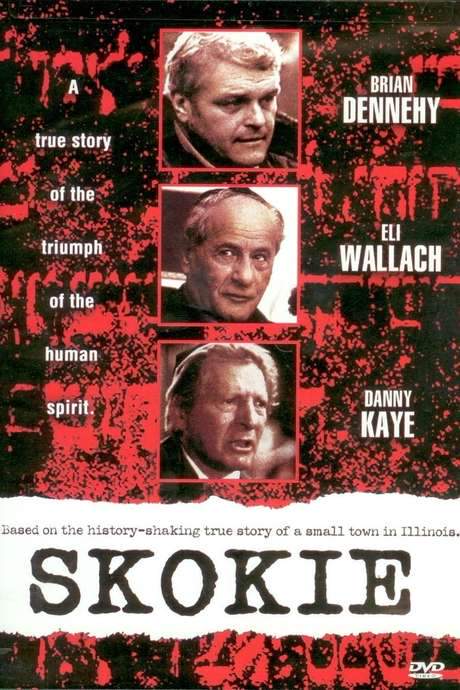
In the quiet, tree‑lined streets of Skokie—a tight‑knit suburb just north of Chicago—daily life hums with the rhythm of ordinary families, a thriving local culture, and the lingering echo of histories that refuse to be forgotten. The town’s identity is shaped by a sizable Jewish population, many of whom are descendants of Holocaust survivors, and the community’s collective memory casts a gentle, watchful light over its public spaces. The film’s tone is measured and contemplative, letting the stillness of the neighborhood contrast with the undercurrent of moral unease that soon stirs.
When Frank Collin selects Skokie as the site for a neo‑Nazi rally, the ordinarily placid town is thrust into a dilemma that tests the limits of tolerance and civic responsibility. The clash is not presented as a simple binary of good versus evil; instead, it exposes the fragile balance between the right to free speech and the deep wounds of a people who have endured unimaginable atrocities. The atmosphere tightens, and ordinary conversations acquire a weightier significance as residents grapple with the implications of such a provocative act.
Amid the debate, two seasoned community figures—Bert Silverman and Abbot Rosen—advocate a strategy of “quarantine,” urging the town to withhold the attention that feeds the extremist agenda. Their measured approach underscores a belief in the power of collective restraint. Opposing them, Max Feldman, a Holocaust survivor whose past haunts him, argues that silence can become complicity, insisting that memory demands a voice, however uncomfortable. Meanwhile, civic leaders—Police Chief Arthur Buchanan and Mayor Albert J. Smith—find themselves walking a tightrope, tasked with safeguarding public safety while honoring the constitutional protections that define American democracy.
The film unfolds as a sober, thoughtful portrait of a community navigating the intersection of history, principle, and fear. Its style blends courtroom‑room seriousness with quiet, everyday scenes, inviting the audience to feel the tension that lies between vigilance and vengeance, between remembering the past and confronting present challenges. The result is a resonant meditation on how a town chooses to define its moral compass when faced with a test that threatens both its unity and its conscience.