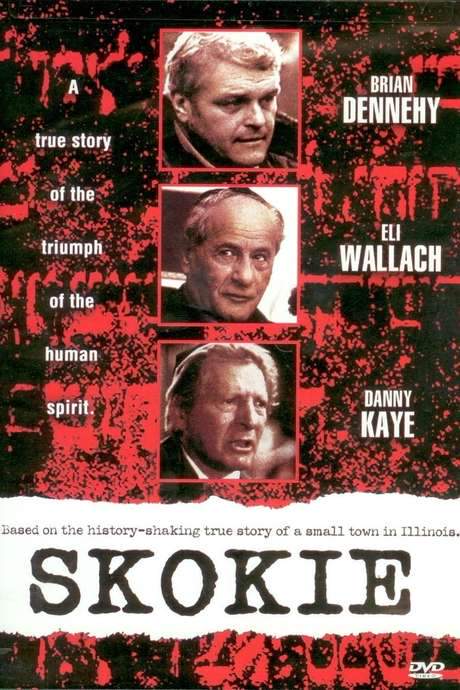
Skokie

Skokie

Year: 1981

Runtime: 125 mins

Language: English

Director: Herbert Wise

HistoryDrama

A dramatization of the controversial trial concerning the right for Neo-Nazis to march in the predominantly Jewish community of Skokie, Illinois.

Warning: spoilers below!

Haven’t seen Skokie yet? This summary contains major spoilers. Bookmark the page, watch the movie, and come back for the full breakdown. If you're ready, scroll on and relive the story!

Timeline & Setting – Skokie (1981)

Explore the full timeline and setting of Skokie (1981). Follow every major event in chronological order and see how the environment shapes the story, characters, and dramatic tension.

Time period

Late 1970s (around 1978)

The events unfold in the months leading up to and during the planned march, set in a period when debates over civil rights, memory, and public safety dominated American discourse. The town's peace is tested as activists debate whether to confront or ignore the extremist rally. Historical memory of the Holocaust weighs heavily on the residents, shaping their responses.

Location

Skokie, Illinois

Skokie is a comfortable suburban village just north of Chicago, known for its quiet neighborhoods and a strong sense of local identity. The population includes a sizable Jewish community, many of whom are Holocaust survivors who remember the atrocities of World War II. The film centers on this community as it confronts a neo-Nazi rally planned in their town, turning a peaceful suburb into a stage for a national confrontation.

🏘️ Suburban 🕯️ Holocaust memory 🏛️ Diverse community

Last updated: February 18, 2026 at 23:20

Was this helpful?

Main Characters – Skokie (1981)

Meet the key characters of Skokie (1981), with detailed profiles, motivations, and roles in the plot. Understand their emotional journeys and what they reveal about the film’s deeper themes.

Max Feldman (Danny Kaye)

A Holocaust survivor who becomes the de facto spokesman for action, challenging the community's cautionary approach. He speaks from painful memory and urges protest, risking potential violence to prevent a repeat of history. His stance forces others to confront whether memory should drive immediate, concrete resistance.

🗯️ Survivor 🕯️ Memory 🗳️ Activist

Bert Silverman (Eli Wallach)

A moderate Jewish community leader advocating a quarantine strategy to avoid feeding the media and escalating tension. He believes restraint will minimize harm and prevent a spectacle that could empower extremists. His cautious approach is tested by competing voices who demand action.

🕊️ Moderation 🧭 Leadership 🗳️ Strategy

Abbot Rosen (Carl Reiner)

Another moderating figure who, like Silverman, seeks to steer the community away from provocation. He represents the calculated, non-confrontational approach to maintaining safety and stability in the face of hate.

🎭 Leadership 🕯️ Remembrance 🧭 Strategy

Frank Collin (George Dzundza)

The politically astute neo-Nazi organizer who chooses Skokie as a platform to spread his ideology. He embodies the threat of hate and the calculated use of public events to advance extremist aims.

🏴‍☠️ Extremism 🗳️ Politics 🧨 Threat

Mayor Albert J. Smith (Ed Flanders)

The town's mayor, balancing public order with civic responsibility. He faces pressure from residents, law enforcement, and activists as the rally looms, trying to uphold democratic norms while keeping the peace.

🏛️ Leadership 🧭 Policy 🗳️ Democracy

Sol Goldstein (David Hurst)

A prominent member of the Jewish community who represents the collective memory and concerns of survivors. He weighs in on the ethics and consequences of confronting hate, contributing to the debate over the right course of action.

🧭 Memory 👥 Community 🗳️ Debate

Last updated: February 18, 2026 at 23:20

Was this helpful?

Major Themes – Skokie (1981)

Explore the central themes of Skokie (1981), from psychological, social, and emotional dimensions to philosophical messages. Understand what the film is really saying beneath the surface.

🕊️ Hate vs. Memory

The film contrasts the destructive agenda of the neo-Nazi organizers with the community's efforts to protect memory and dignity. It questions whether silence in the face of hate can preserve safety or if memory demands active resistance. The tension forces characters to confront whether memory should drive immediate, concrete resistance.

🤝 Community Resilience

Skokie shows how a diverse town mobilizes to defend its values without surrendering to fear. Leaders debate strategies, from quarantine to protest, revealing different philosophies about how to safeguard a vulnerable minority. The narrative highlights collective action, solidarity, and the price of standing together.

⚖️ Democracy under Pressure

The planned rally pits constitutional rights against the harm caused by hate groups. The film examines how local institutions—mayors, police, and community groups—navigate law, order, and public sentiment. It ultimately portrays the fragility and strength of democratic processes when faced with extremism.

Last updated: February 18, 2026 at 23:20

Was this helpful?

Skokie (1981) Character & Theme Questions Answered – Info FAQ

Browse frequently asked questions about Skokie (1981) focused on characters, relationships, themes, symbols, setting, and story context. This movie info FAQ gives spoiler-aware explanations for character arcs, world details, and thematic interpretation so readers can better understand what the film is really about.

Q1

Where is the movie set?

A.

Skokie is set in the suburban village of Skokie, Illinois, just north of Chicago. The film takes place in this quiet, predominantly Jewish community, which became the unexpected center of a national controversy when neo-Nazis planned a rally there.

skokie illinois setting chicago suburb location
Q2

What time period does the movie take place in?

A.

The movie is set in the late 1970s, around 1978, during a period when debates over civil rights, memory, and public safety were prominent in American discourse. This era provides the historical context for the community's confrontation with the planned neo-Nazi march.

1970s 1978 time period era late 1970s historical context
Q3

Who is Max Feldman in the movie?

A.

Max Feldman, played by Danny Kaye, is a Holocaust survivor who becomes the de facto spokesman for taking action against the neo-Nazi rally. He speaks from painful personal memory and urges protest, arguing that memory of the Holocaust demands active resistance rather than silence, even at the risk of potential violence.

max feldman holocaust survivor character jewish leader
Q4

Who is Bert Silverman and what does he believe?

A.

Bert Silverman, played by Eli Wallach, is a moderate Jewish community leader who advocates for a quarantine strategy, essentially ignoring the neo-Nazi rally to avoid feeding the media and escalating tension. He believes that restraint will minimize harm and prevent giving extremists a platform they seek.

bert silverman eli wallach character moderate leader quarantine strategy
Q5

Who is Frank Collin in the movie?

A.

Frank Collin, played by George Dzundza, is the neo-Nazi organizer who chooses Skokie as a platform to spread his ideology. He represents the threat of organized hate and demonstrates the calculated use of public events and First Amendment rights to advance extremist aims.

frank collin neo-nazi organizer antagonist extremist character
Q6

What does the 'Hate vs. Memory' theme explore?

A.

The 'Hate vs. Memory' theme contrasts the neo-Nazi agenda with the Jewish community's efforts to preserve memory and dignity. It questions whether silence in the face of hate can preserve safety or if memory of the Holocaust demands active resistance. The tension forces characters to confront whether memory should drive concrete action.

hate vs memory theme holocaust memory resistance confronting hate
Q7

What does the 'Democracy under Pressure' theme explore?

A.

The 'Democracy under Pressure' theme examines the conflict between constitutional rights and the harm caused by hate groups. It shows how local institutions, mayors, police, and community groups, navigate law, order, and public sentiment, portraying the fragility and strength of democratic processes when faced with extremism.

democracy first amendment constitutional rights neo-nazis free speech legal debate
Q8

Why is the setting of Skokie significant to the story?

A.

Skokie's significance lies in its demographics, it is home to a sizable Jewish community, many of whom are Holocaust survivors who remember World War II atrocities. This makes the planned neo-Nazi rally deeply painful and provocative, transforming a peaceful suburban village into a stage for a national confrontation over hate, memory, and civil rights.

skokie jewish community holocaust survivors significance setting suburb chicago
Q9

What does the 'Community Resilience' theme explore?

A.

The 'Community Resilience' theme shows how a diverse town mobilizes to defend its values without surrendering to fear. Leaders debate strategies from quarantine to protest, revealing different philosophies about safeguarding a vulnerable minority. The narrative highlights collective action, solidarity, and the price of standing together against hate.

community resilience solidarity collective action Jewish community protest strategies
Q10

Who is Mayor Albert J. Smith in the movie?

A.

Mayor Albert J. Smith, played by Ed Flanders, is the town's mayor who must balance public order with civic responsibility. He faces pressure from residents, law enforcement, and activists as the rally looms, trying to uphold democratic norms while keeping the peace in a deeply divided community.

mayor albert smith ed flanders mayor character local government
Q11

What debate does the movie present about confronting hate?

A.

The movie presents a debate between confronting hate through protest versus ignoring it to avoid giving extremists attention. Characters argue about whether responding to neo-Nazis empowers them or whether silence betrays the memory of Holocaust victims. The film explores whetherQuarantine or protest better protects a vulnerable community.

confronting hate first amendment free speech debate protest vs silence neo-nazis
Mobile App Preview

Coming soon on iOS and Android

The Plot Explained Mobile App

From blockbusters to hidden gems - dive into movie stories anytime, anywhere. Save your favorites, discover plots faster, and never miss a twist again.

Sign up to be the first to know when we launch. Your email stays private, always.

Explore Movie Threads

Discover curated groups of movies connected by mood, themes, and story style. Browse collections built around emotion, atmosphere, and narrative focus to easily find films that match what you feel like watching right now.

Legal Battles with Moral Dilemmas like Skokie

High-stakes courtroom dramas where the law clashes with deep-seated morals.Discover movies like Skokie that explore intense legal dramas centered on profound moral dilemmas. These films feature courtroom conflicts, debates on ethics and civil rights, and emotionally heavy narratives focused on justice.

tenseseriousthought-provokingconfrontationallegal dramamoral conflictanxiousuncomfortable

Narrative Summary

The narrative typically revolves around a controversial case that forces characters and the audience to grapple with complex questions. The story builds methodically through legal arguments and personal conflict, leading to a resolution that often leaves a lasting emotional and intellectual impact.

Why These Movies?

These movies are grouped together because they share a focus on the courtroom as a crucible for moral and philosophical debate. They feature high emotional weight, steady pacing, and a tense tone, creating a gripping and thought-provoking viewing experience centered on justice.

Movies about Protest and Community Conflict like Skokie

Stories where community trauma clashes with the exercise of controversial rights.If you liked Skokie, explore movies about political protest, community conflict, and civil rights debates. These tense dramas often involve controversial marches, historical trauma, and moral questions about free speech.

tensecontroversialdefiantcommunity conflictpolitical dramatraumaanxiousserious

Narrative Summary

These narratives follow a community under threat from a protest or political action that triggers past trauma. The plot explores the internal divisions, legal challenges, and personal reckonings that arise, building a steady tension towards a climactic confrontation or resolution.

Why These Movies?

This thread unites films with a shared focus on the explosive conflict between constitutional rights and communal suffering. They are characterized by a tense, anxious mood, heavy emotional weight, and a serious examination of societal values and historical wounds.

Unlock the Full Story of Skokie

Don't stop at just watching - explore Skokie in full detail. From the complete plot summary and scene-by-scene timeline to character breakdowns, thematic analysis, and a deep dive into the ending - every page helps you truly understand what Skokie is all about. Plus, discover what's next after the movie.

Skokie Summary

Read a complete plot summary of Skokie, including all key story points, character arcs, and turning points. This in-depth recap is ideal for understanding the narrative structure or reviewing what happened in the movie.

Skokie Summary

Skokie Timeline

Track the full timeline of Skokie with every major event arranged chronologically. Perfect for decoding non-linear storytelling, flashbacks, or parallel narratives with a clear scene-by-scene breakdown.

Skokie Timeline

Skokie Spoiler-Free Summary

Get a quick, spoiler-free overview of Skokie that covers the main plot points and key details without revealing any major twists or spoilers. Perfect for those who want to know what to expect before diving in.

Skokie Spoiler-Free Summary

More About Skokie

Visit What's After the Movie to explore more about Skokie: box office results, cast and crew info, production details, post-credit scenes, and external links - all in one place for movie fans and researchers.

More About Skokie