Plot Explained Spoilers guaranteed!
Plot Explained

Browse by genre

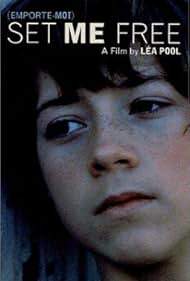
Set Me Free (2000) movie poster

Characters & Themes

Set Me Free (2000) Characters, Setting & Themes Explained

Release, runtime and language
2000 · 95 min · Korean
Loading streaming availability…
Directed by
Léa Pool

Young-jae finds himself in a suffocating environment within Isaac's House, desperately seeking a way out of his constrained existence. His longing for freedom is complicated when his father's actions put his younger sibling at risk. Forced to confront the complexities of family and responsibility, Young-jae must navigate a challenging situation and fight for what he believes is right.

On this page (7)
  1. 1 Where to watch
  2. 2 Characters explained (7)
  3. 3 Where & when it takes place
  4. 4 Themes & meaning (4)
  5. 5 Character & meaning questions
  6. 6 Movie threads
  7. 7 Every angle
Loading streaming availability…

7 main characters · contains spoilers

Set Me Free Characters Explained: Who Is Who

The main characters of Set Me Free (2000), heroes and villains: what drives them, how they change over the course of the story and what each of them reveals about the film's bigger ideas.

  • Hanna

    13-year-old Hanna is caught between rural upbringing and urban possibilities as she navigates puberty and a dawning sense of independence. She is introspective, observant, and eager to understand herself, often turning to art and film for guidance. Her journey is marked by moments of vulnerability and resilience as she tests boundaries with family, friends, and strangers.

    • 🎀 Protagonist
    • 🧭 Growth
    • 🚸 Puberty
  • Father

    Hanna's overbearing, sometimes abusive father is a Polish Jew who survived the Holocaust in France and is an aspiring poet. He uses literature and memories of the past to connect with Hanna while also exerting control over the family. His contradictions shape Hanna's understanding of love, danger, and artistic ambition.

    • 👨 Father
    • 🧠 Complexity
    • 💔 Dysfunction
  • Mother

    Hanna's mother is depressive and overworked, spending long hours in a sewing factory while seeking emotional connection. She oscillates between anger and tenderness, and she confesses that she needs her husband. Her fragility and resilience create the emotional core of the home and influence Hanna's longing for stability.

    • 👩 Mother
    • 🫶 Resilience
    • 💔 Struggle
  • Paul

    Hanna's brother, who returns to the cramped apartment and offers a counterpoint to Hanna's desire for independence. He provides moments of camaraderie and occasional tension as the siblings navigate a complex family dynamic.

    • 👦 Brother
    • 🤝 Sibling Bond
    • 🗯️ Conflict
  • Laura

    Hanna's school friend who joins her on a dance and a kiss, illustrating early experimentation with intimacy and identity. Laura gives Hanna companionship and a space to explore her feelings outside the family.

    • 👧 Friend
    • 💃 Youthful Romance
    • 🤝 Support
  • Teacher

    A teacher who defends Hanna against taunts and admires her growing independence. She recognizes Hanna's potential and provides guidance, even lending her a camera to begin telling her own story.

    • 👩‍🏫 Mentor
    • 🧭 Guidance
    • 🎬 Inspiration
  • Bakery Baker

    A bakery worker who gropes Hanna in a back kitchen, highlighting the real danger she faces outside the family circle and the vulnerabilities of young girls in public spaces.

    • 👨 Baker
    • ⚠️ Danger
    • 🫡 Coercion

Last updated: October 04, 2025 at 08:04

Was this helpful?

Setting

Where and When Does Set Me Free Take Place?

The setting of Set Me Free (2000): the year and time period, the places and locations, and how they shape the characters, the mood and the tension of the story.

Time period

1963

Set in 1963 Quebec, the story sits at a moment of social change where traditional family roles are being questioned. The contrast between rural life and city living mirrors Hanna's own shifting sense of self. The year anchors scenes of school, family conflict, and first steps toward independence and self-expression.

Location

Rural Quebec, Montreal

The film shifts between a farm in rural Quebec where Hanna lives with her grandparents and uncle, and a cramped Montreal apartment where she reconnects with her parents. The rural and urban settings highlight the pull between traditional life and new ideas in the early 1960s. These places frame Hanna's coming-of-age journey as she moves between worlds.

  • 🏞️ Rural Quebec
  • 🏙️ Montreal
  • 🏠 Family Home

Last updated: October 04, 2025 at 08:04

Was this helpful?

4 major themes

Set Me Free Meaning: Themes & Message Explained

What is Set Me Free (2000) really about? The emotional, social and philosophical themes the film keeps returning to, its symbolism and the message beneath the surface.

  • Coming of Age

    Hanna's puberty triggers a push toward independence and self-definition. She tests boundaries by questioning her religious and familial labels and seeking control over her body and choices. Her fascination with Godard's Nana embeds an idea of personal responsibility and self-authorship. The film ends with a glimmer of growth as she is handed a movie camera, signaling a new form of self-expression.

  • Family and Belonging

    The father is overbearing and abusive at times, yet capable of tenderness, shaping Hanna's understanding of love and danger. The mother is depressive and overworked, creating emotional distance but deep needs for connection. The siblings navigate loyalty, blame, and care as the home becomes a pressure cooker. These dynamics push Hanna toward seeking belonging beyond her parents, while the eventual reconciliation hints at fragile family bonds.

  • Art and Identity

    Hanna imitates Karina from Godard's film, adopting similar poses to explore personal responsibility and self-expression. Cinema becomes a lens through which she tries on different identities and navigates desire and autonomy. The teacher's admiration for Hanna's independence reinforces the value of art as a means of self-discovery. The end's camera gift underscores how creative tools can help narrate one's own life.

  • Power and Boundaries

    Moments of exploitation—such as the bakery incident and the lure of the city's red-light district—force Hanna to test her boundaries and safety. The story treats these dangers with care, emphasizing consent, protection, and the need for trusted adults. Hanna's flight from danger and eventual return illustrate resilience and a search for personal sovereignty. The narrative highlights the vulnerability of young girls and the importance of agency and support.

Last updated: October 04, 2025 at 08:04

Was this helpful?

Character & theme questions

Set Me Free Characters & Meaning: Your Questions Answered

The questions people ask about Set Me Free (2000): who the characters really are, their relationships, what the symbols mean, where it takes place and what the movie is really about. Each answer contains spoilers.

Q1

Where is the movie set?

The film takes place in two main locations: a farm in rural Quebec where Hanna lives with her grandparents and uncle, and a cramped Montreal apartment where she reconnects with her parents. The contrast between these rural and urban settings highlights the pull between traditional life and new possibilities during the early 1960s.

  • rural quebec
  • montreal
  • setting
  • locations
  • farm
  • apartment
Q2

What time period is the story set in?

The movie is set in 1963 Quebec, a period of significant social change where traditional family roles were being questioned. The year anchors scenes of school life, family conflict, and Hanna's first steps toward independence and self-expression.

  • 1963
  • time period
  • 1960s
  • quebec
  • historical setting
Q3

Who is the main character Hanna?

Hanna is a 13-year-old girl caught between her rural upbringing and urban possibilities. She is introspective, observant, and eager to understand herself, often turning to art and film for guidance. Her journey is marked by moments of vulnerability and resilience as she tests boundaries with family, friends, and strangers.

  • hanna
  • main character
  • protagonist
  • teenager
Q4

What is Hanna's father like?

Hanna's father is an overbearing, sometimes abusive Polish Jewish Holocaust survivor who emigrated from France. He is an aspiring poet who uses literature and memories of the past to connect with Hanna while also exerting control over the family. His contradictions shape Hanna's understanding of love, danger, and artistic ambition.

  • father
  • holocaust survivor
  • poet
  • polish jew
  • abusive
Q5

What is Hanna's mother like?

Hanna's mother is depressive and overworked, spending long hours in a sewing factory while desperately seeking emotional connection. She oscillates between anger and tenderness, and she confesses that she needs her husband. Her fragility and resilience create the emotional core of the home and influence Hanna's longing for stability.

  • mother
  • depression
  • sewing factory
  • emotional distance
Q6

What is the coming-of-age theme in the film?

Hanna's puberty triggers a push toward independence and self-definition. She tests boundaries by questioning her religious and familial labels and seeking control over her body and choices. Her fascination with Godard's film Nana embeds an idea of personal responsibility and self-authorship. The film ends with a glimmer of growth as she is handed a movie camera, signaling a new form of self-expression.

  • coming of age
  • puberty
  • independence
  • self-identity
  • growth
Q7

How does cinema function in the movie?

Hanna imitates Karina from Godard's film, adopting similar poses to explore personal responsibility and self-expression. Cinema becomes a lens through which she tries on different identities and navigates desire and autonomy. The teacher's admiration for Hanna's independence reinforces the value of art as a means of self-discovery. The end's camera gift underscores how creative tools can help narrate one's own life.

  • cinema
  • godard
  • art
  • identity
  • camera
  • self-expression
  • nana
Q8

What are the family dynamics in the film?

The father is overbearing and abusive at times, yet capable of tenderness, shaping Hanna's understanding of love and danger. The mother is depressive and overworked, creating emotional distance but deep needs for connection. The siblings navigate loyalty, blame, and care as the home becomes a pressure cooker. These dynamics push Hanna toward seeking belonging beyond her parents, while the eventual reconciliation hints at fragile family bonds.

  • family
  • father
  • mother
  • siblings
  • relationships
  • dynamic
Q9

How does the film address power and boundaries?

Moments of exploitation, such as the bakery incident and the lure of the city's red-light district, force Hanna to test her boundaries and safety. The story treats these dangers with care, emphasizing consent, protection, and the need for trusted adults. Hanna's flight from danger and eventual return illustrate resilience and a search for personal sovereignty.

  • power
  • boundaries
  • exploitation
  • safety
  • consent
  • vulnerability
Q10

What does the title Set Me Free mean?

The title refers to Hanna's deep longing for freedom from her suffocating family environment. As she navigates puberty and a challenging home life, she desperately seeks a way out of her constrained existence. However, her father's actions put her younger sibling at risk, forcing her to confront the complexities of family and responsibility while fighting for what she believes is right.

  • title
  • meaning
  • freedom
  • escape
  • longing
Q11

What does the ending signify?

The ending is bittersweet: Hanna returns home and is given a camera, suggesting a hopeful turn toward artistic expression and understanding. However, this is tempered by prior trauma and the family's ongoing struggles, resulting in a resolution that is neither purely happy nor sad. The camera symbolizes her new ability to narrate her own life and express herself.

  • ending
  • camera
  • symbolism
  • hope
  • artistic expression
  • bittersweet

Movie threads

More Movies Like Set Me Free, by Mood & Story

Curated lists built around what makes Set Me Free tick: the same mood, the same kind of story or the same emotional payoff. Each list explains why these movies belong together.

Oppressive coming-of-age stories like Set Me Free

Where the turbulent journey to adulthood is marked by trauma and isolation. This section features movies like Set Me Free, focusing on gritty, melancholic stories of youth grappling with heavy topics. If you enjoyed the raw portrayal of a young person's struggle against a suffocating environment, you'll find similar films about traumatic self-discovery and survival here.

  • melancholic
  • oppressive
  • gritty
  • yearning
  • isolated
  • introspective
  • Tone: melancholic, oppressive
  • Pacing: slow, character-driven
Why these movies?

The story pattern: The narrative follows a young character trapped in a difficult situation, often their own home. Their arc is less about triumph and more about survival and tentative understanding. The story unfolds slowly, emphasizing internal struggle and the psychological weight of their circumstances, leading to an ending that is rarely a clean escape but offers a complex, often bittersweet, sense of moving forward.

Why they belong together: Movies in this thread share a distinct mood of melancholy and oppression, a slow, introspective pacing, and a heavy emotional weight. They are united by their focus on the painful aspects of growing up, where the central conflict is against an environment or system rather than a single antagonist.

Movies about artistic awakening like Set Me Free

Characters find a fragile escape and new purpose through creative expression. Explore films similar to Set Me Free where characters use art to cope with a harsh reality. If you liked the theme of cinema providing a glimpse of freedom for the protagonist, you'll find other stories about bittersweet artistic discovery and its power to offer solace and perspective.

  • yearning
  • introspective
  • melancholic
  • hopeful
  • artistic
  • bittersweet
  • Tone: melancholic, hopeful
  • Pacing: slow, introspective
Why these movies?

The story pattern: The story follows a character experiencing significant hardship. A catalyst, often exposure to a specific art form, ignites a spark of curiosity or self-expression within them. This artistic journey runs parallel to their ongoing struggles, not replacing them but reframing them. The climax involves a synthesis of their art and their life, leading to an ending that acknowledges enduring pain while validating the newfound creative voice.

Why they belong together: These movies are connected by the specific narrative beat of artistic discovery as a form of salvation, a melancholic yet hopeful tone, and a bittersweet ending feel. The shared experience is one of finding light in darkness through creativity, making the emotional weight feel purposeful rather than purely despairing.

Every angle

Set Me Free (2000) Explained: Plot, Timeline & Characters

Everything about Set Me Free in one place: what happens in the plot summary, the timeline in chronological order, the characters and meaning and a spoiler-free summary. What's After the Movie adds the cast, box office and post-credit scenes.

Coming soon on iOS and Android

The Plot Explained Movie Summary App

Plot summaries, endings explained and timelines on your phone. Catch up on any movie in minutes, save your favorites and never miss a twist again.

Be the first to know when we launch. Your email stays private, always.

Learn more about the app