Plot Explained Spoilers guaranteed!
Plot Explained

Browse by genre

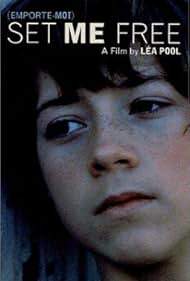
Set Me Free (2000) movie poster

Timeline

Set Me Free (2000) Timeline Explained – Every Event in Order

Release, runtime and language
2000 · 95 min · Korean
Loading streaming availability…
Directed by
Léa Pool

Young-jae finds himself in a suffocating environment within Isaac's House, desperately seeking a way out of his constrained existence. His longing for freedom is complicated when his father's actions put his younger sibling at risk. Forced to confront the complexities of family and responsibility, Young-jae must navigate a challenging situation and fight for what he believes is right.

On this page (5)
  1. 1 Where to watch
  2. 2 Events in order (14)
  3. 3 Timeline questions answered
  4. 4 Movie threads
  5. 5 Every angle
Loading streaming availability…

14 events in order · contains spoilers

Set Me Free Timeline: Events in Chronological Order

Every key event of Set Me Free (2000) in order, scene by scene, with when and where it takes place. Use it to untangle flashbacks, time jumps and parallel storylines, to refresh your memory before the sequel or to find the exact scene you are thinking of.

  1. First period sparks return to Montreal

    In 1963, Hanna, a 13-year-old girl living on a rural Quebec farm, experiences her first period. The moment interrupts family dinner and exposes the lack of supportive guidance about puberty. Spurred by the upheaval, she decides to return to her parents in Montreal.

    When
    1963
    Where
    Rural Quebec farm
  2. Back in Montreal: crowded family life

    Hanna arrives at a small Montreal apartment and is reunited with her brother Paul. The family struggles with rent and money, often pawning household items to cover costs. Her father, an aspiring poet who survived the Holocaust, alternates between tenderness and controlling outbursts.

    When
    1963
    Where
    Montreal apartment
  3. Stories, memory, and pressure

    Her father shares memories of his former wife and urges Hanna to read The Diary of Anne Frank, linking family history to present hardship. Her mother is depressed, working long hours and typing her husband's poems at home. The fragile domestic balance shapes Hanna's search for belonging.

    When
    1963
    Where
    Montreal apartment
  4. Cinema escape and identity

    While wrestling with puberty, Hanna sneaks into a cinema to see Godard's Vivre Sa Vie and is captivated by Nana's sense of personal responsibility. She begins imitating Karina's poses and style as a way to craft her own identity. The film's influence becomes a throughline for her self-image.

    When
    1963
    Where
    Movie theater
  5. First school day and identity

    On her first day at a new school, Hanna openly states that her parents are not married and that she does not identify as Jewish or Catholic. The revelation draws taunts and suspicion from classmates. The dynamics foreshadow a teacher stepping in to defend her later.

    When
    1963
    Where
    Montreal school
  6. Teacher's defense and advice

    A teacher who resembles Karina admires Hanna's independence but cautions her to form her own view of life rather than copying a film icon. The teacher's defense offers a potential mentor in Hanna's evolving self-perception. Hanna's resolve to be independent remains central.

    When
    1963
    Where
    Montreal school
  7. Dance with Laura and unfolding feelings

    Hanna attends a dance with her friend Laura, and they share a kiss, marking a new exploration of sexuality. She introduces Laura to Paul and the three spend time together, reflecting a shifting trio of relationships. The experience underscores Hanna's sense of growing autonomy and isolation.

    When
    1963
    Where
    School dance
  8. Mother's suicide attempt

    After a quarrel with her husband, Hanna's mother attempts suicide. Hanna visits the hospital and finds her sedated mother unresponsive, deepening her sense of familial distance. The moment reveals the fragility of Hanna's home life.

    When
    1963
    Where
    Hospital
  9. Bakery incident

    Following a bread errand, Hanna is taken to the bakery's back kitchen where a worker gropes her. He gives her bread and money but the abuse leaves a lasting mark on her sense of safety. The incident exposes the predatory danger lurking in her world.

    When
    1963
    Where
    Bakery back kitchen
  10. Leaving home and wandering the city

    After a dispute with her father, Hanna and Paul leave the apartment and she does not return. She wanders into the city, befriends a lost dog, and begins adopting the pose and attitudes of a prostitute, echoing Karina's character. Her state of mind grows increasingly unsettled.

    When
    1963
    Where
    Montreal streets
  11. Red-light district and persona

    Hanna continues to roam the city’s fringes, befriending a lost dog and deepening the Karina-inspired persona she’s been cultivating. The urban environment amplifies her isolation and curiosity about adult roles. The line between imitation and selfhood becomes increasingly blurred.

    When
    1963
    Where
    City's red-light district
  12. Hotel confrontation and escape

    A man picks Hanna up and takes her to a cheap hotel room, where he tries to force himself on her. She resists the assault and flees, asserting her agency in a dangerous moment. The incident sharpens her resolve to seek safety and return home.

    When
    1963
    Where
    Cheap hotel
  13. Collapse on the teacher's doorstep

    Driven almost to despair, Hanna collapses on her teacher's doorstep with her dog; they are discovered in the morning. This moment signals a turning point toward seeking help and repair. The dog remains a steady companion through the crisis.

    When
    Next morning
    Where
    Teacher's doorstep
  14. Return, camera, and summer plan

    Hanna returns to the family apartment, where her father welcomes her back with a dinner prepared for the occasion. Back at school, she is loaned a small movie camera by her teacher, who promises she will learn to use it. The film ends with shots from the camera of Hanna's mother as they head to the grandparents' house for the summer.

    When
    Season's end / summer
    Where
    Montreal family home / Grandparents' house

Last updated: October 09, 2025 at 15:46

Was this helpful?

Timeline questions answered

Set Me Free Timeline Explained: Your Questions Answered

When does it happen, and why in that order? The questions people ask about the chronology of Set Me Free (2000): time jumps, flashbacks, cause and effect between scenes and the correct order of events, each answered with spoilers.

Q1

Why does Hanna decide to return to Montreal after getting her first period?

Hanna's first period arrives while she's living with her grandparents in rural Quebec, and her grandmother provides an awkward, unsupportive explanation about puberty. The uncomfortable experience, combined with a phone call from her father that disrupts family dinner, makes Hanna realize she wants to navigate this new chapter of her life with her parents rather than staying in an environment that shames her bodily changes.

Foreshadowing: The phone call from her father during this vulnerable moment foreshadows her eventual choice to leave the farm and seek belonging with her parents.

  • first period
  • hanna
  • montreal
  • grandparents
  • rural quebec
Q2

Why is Hanna's father both loving and overbearing?

Hanna's father is a Polish Jewish Holocaust survivor who lost his first wife to the Nazis. This trauma makes him intensely protective and emotionally demanding, he shares his painful memories urgently, insists Hanna read The Diary of Anne Frank, and alternates between tender moments and controlling outbursts. His overbearing nature stems from fear of losing his family again, while his love shows in his desperate attempts to connect Hanna with her heritage.

Foreshadowing: His traumatic past and intensity foreshadow the family conflicts that drive Hanna to leave home later in the film.

  • father
  • holocaust survivor
  • trauma
  • poet
  • parenting
Q3

How does Vivre Sa Vie influence Hanna's identity

When Hanna sneaks into a screening of Jean-Luc Godard's Vivre Sa Vie, she becomes mesmerized by Nana, a character who takes responsibility for her own life. Hanna begins copying Karina's poses and fashion, using the film as a template for crafting her identity. Her teacher later warns her against blindly imitating a cinematic model and encourages her to form her own beliefs instead.

Foreshadowing: This film becomes a throughline, Hanna's adoption of a prostitute's persona in the red-light district directly echoes Nana's journey in the film.

  • godard
  • vivre sa vie
  • cinema
  • nana
  • karina
  • identity
Q4

Why does Hanna's mother attempt suicide

Hanna's mother lives with deep depression, working long hours at a sewing factory while also typing her husband's poems at night. After a quarrel with her husband, likely triggered by his intensity and the family's chronic financial stress, she takes pills in a suicide attempt. The pressures of poverty, her husband's demanding nature, and her own unspoken struggles become overwhelming.

Foreshadowing: Earlier scenes showing her mother's exhaustion and quiet despair foreshadow this tragic moment.

  • mother
  • depression
  • suicide
  • hospital
  • family conflict
Q5

What happens to Hanna at the bakery

While on a bread errand, the bakery worker leads Hanna into a back room where he gropes her. The assault is brief but brutal, he hands her bread and a few coins afterward, as if transactional. This violation leaves Hanna with lasting trauma and a sense of being unsafe in ordinary situations.

Foreshadowing: The predatory nature of this attack foreshadows the later hotel confrontation with another man.

  • bakery
  • assault
  • groping
  • abuse
  • hanna
Q6

Why does Hanna wander into Montreal's red-light district

After a heated dispute with her father, Hanna and her brother Paul leave the apartment. Instead of returning to her grandparents' house, Hanna ventures into the city's fringes. Influenced by the prostitute character in Vivre Sa Vie, she begins adopting that persona, dressing and posing like a sex worker, as a way to explore adult identities while feeling lost and disconnected from her family.

Foreshadowing: Her imitation of Nana from Godard's film directly leads her to this dangerous imitation of a prostitute's life.

  • red-light district
  • prostitute
  • identity
  • vivre sa vie
  • wandering
Q7

What happens when Hanna goes to a hotel with a man

A man picks Hanna up and takes her to a cheap hotel room where he tries to force himself on her. Hanna musters the will to resist and flee, narrowly escaping a worse assault. The terrifying confrontation forces her to confront how dangerous her self-destructive path has become.

Foreshadowing: This mirrors the earlier bakery assault, reinforcing the predatory dangers Hanna has faced.

  • hotel
  • assault
  • flee
  • escape
  • hanna
  • danger
Q8

Why does Hanna collapse at her teacher's doorstep

After the traumatic hotel incident and living on the streets, Hanna reaches a breaking point. She collapses on her teacher's doorstep with the stray dog that has followed her throughout her wandering. The teacher discovers them the next morning and helps bring Hanna back to safety, marking a turning point toward seeking help.

Foreshadowing: The teacher's earlier defense of Hanna against anti-Semitic taunts and encouragement toward independent thinking makes this a natural moment for Hanna to seek her help.

  • teacher
  • collapse
  • rescue
  • dog
  • doorstep
Q9

What does the camera symbolize at the end of the film

Hanna's teacher lends her a small movie camera, believing in her creative potential and promising she will learn to use it. The final shots from the camera show Hanna's mother as the family heads to the grandparents' house for summer. The camera symbolizes Hanna finding a new form of self-expression and a tentative hopeful turn toward understanding herself and her family.

Foreshadowing: This gift fulfills the earlier thematic thread of cinema and identity, Hanna moves from imitating characters to creating her own vision.

  • camera
  • ending
  • hopeness
  • film
  • mother
  • summer
Q10

Why does Hanna say she's not Jewish or Catholic

On her first day at a new Montreal school, Hanna boldly declares that her parents are not married and that she herself does not identify as Jewish or Catholic. This reflects the complex loyalties and identity questions in her life, her father is Jewish but she's been raised mostly with her grandparents in rural Quebec, and she's navigating what faith and heritage mean to her amid family tension and anti-Semitic classmate taunts.

Foreshadowing: Her teacher's later defense against anti-Semitism confirms the hostile environment Hanna faces regarding her Jewish identity.

  • identity
  • jewish
  • catholic
  • school
  • declaration

Movie threads

More Movies Like Set Me Free, by Mood & Story

Curated lists built around what makes Set Me Free tick: the same mood, the same kind of story or the same emotional payoff. Each list explains why these movies belong together.

Oppressive coming-of-age stories like Set Me Free

Where the turbulent journey to adulthood is marked by trauma and isolation. This section features movies like Set Me Free, focusing on gritty, melancholic stories of youth grappling with heavy topics. If you enjoyed the raw portrayal of a young person's struggle against a suffocating environment, you'll find similar films about traumatic self-discovery and survival here.

  • melancholic
  • oppressive
  • gritty
  • yearning
  • isolated
  • introspective
  • Tone: melancholic, oppressive
  • Pacing: slow, character-driven
Why these movies?

The story pattern: The narrative follows a young character trapped in a difficult situation, often their own home. Their arc is less about triumph and more about survival and tentative understanding. The story unfolds slowly, emphasizing internal struggle and the psychological weight of their circumstances, leading to an ending that is rarely a clean escape but offers a complex, often bittersweet, sense of moving forward.

Why they belong together: Movies in this thread share a distinct mood of melancholy and oppression, a slow, introspective pacing, and a heavy emotional weight. They are united by their focus on the painful aspects of growing up, where the central conflict is against an environment or system rather than a single antagonist.

Movies about artistic awakening like Set Me Free

Characters find a fragile escape and new purpose through creative expression. Explore films similar to Set Me Free where characters use art to cope with a harsh reality. If you liked the theme of cinema providing a glimpse of freedom for the protagonist, you'll find other stories about bittersweet artistic discovery and its power to offer solace and perspective.

  • yearning
  • introspective
  • melancholic
  • hopeful
  • artistic
  • bittersweet
  • Tone: melancholic, hopeful
  • Pacing: slow, introspective
Why these movies?

The story pattern: The story follows a character experiencing significant hardship. A catalyst, often exposure to a specific art form, ignites a spark of curiosity or self-expression within them. This artistic journey runs parallel to their ongoing struggles, not replacing them but reframing them. The climax involves a synthesis of their art and their life, leading to an ending that acknowledges enduring pain while validating the newfound creative voice.

Why they belong together: These movies are connected by the specific narrative beat of artistic discovery as a form of salvation, a melancholic yet hopeful tone, and a bittersweet ending feel. The shared experience is one of finding light in darkness through creativity, making the emotional weight feel purposeful rather than purely despairing.

Every angle

Set Me Free (2000) Explained: Plot, Timeline & Characters

Everything about Set Me Free in one place: what happens in the plot summary, the timeline in chronological order, the characters and meaning and a spoiler-free summary. What's After the Movie adds the cast, box office and post-credit scenes.

Coming soon on iOS and Android

The Plot Explained Movie Summary App

Plot summaries, endings explained and timelines on your phone. Catch up on any movie in minutes, save your favorites and never miss a twist again.

Be the first to know when we launch. Your email stays private, always.

Learn more about the app