Plot Explained Spoilers guaranteed!
Plot Explained

Browse by genre

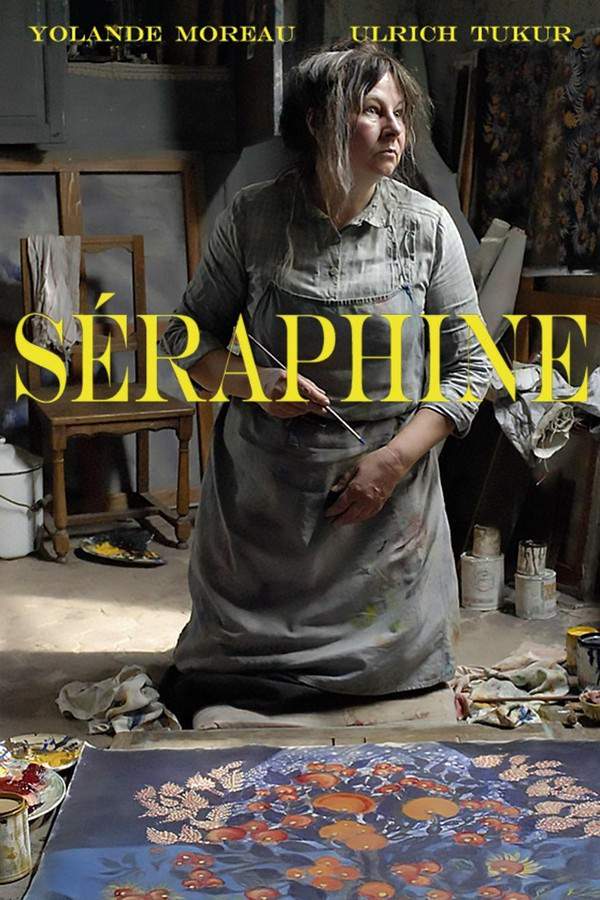
Séraphine (2009) movie poster

Characters & Themes

Séraphine (2009) Characters, Setting & Themes Explained

Release, runtime and language
2009 · 125 min · French
Loading streaming availability…
Directed by
Martin Provost

This poignant biopic portrays Séraphine Louis, a gifted but initially unrecognized servant, who discovers her artistic talent through a series of striking, naive paintings. Her work gains increasing attention between the World Wars, leading to a period of fame alongside Henri Rousseau. However, her life takes a tragic turn as she descends into mental illness, ultimately fading into obscurity amidst the turmoil of the Great Depression and World War II.

On this page (7)
  1. 1 Where to watch
  2. 2 Characters explained (2)
  3. 3 Where & when it takes place
  4. 4 Themes & meaning (3)
  5. 5 Character & meaning questions
  6. 6 Movie threads
  7. 7 Every angle
Loading streaming availability…

2 main characters · contains spoilers

Séraphine Characters Explained: Who Is Who

The main characters of Séraphine (2009), heroes and villains: what drives them, how they change over the course of the story and what each of them reveals about the film's bigger ideas.

  • Séraphine Louis

    A humble, self-taught painter who regards her gift as a religious inspiration. She is practical and reserved, yet intensely devoted to her art, drawing strength from nature during her daily walks. Her art uses unconventional materials she gathers herself, and she guards the secret of her vivid rouge as part of her creative identity.

    • 🎨 Artist
    • 🧠 Complex
    • 🌿 Spiritual
  • Wilhelm Uhde

    A respected German art critic who recognizes Séraphine's talent and becomes her patron. He encourages her to paint and provides financial support, hoping to promote her work. His faith in her artistry is tested by war and economic downturn, ultimately forcing him to re-evaluate his role in her life.

    • 🎭 Patron
    • 🧭 Mentor
    • 💬 Critic

Last updated: October 04, 2025 at 08:03

Was this helpful?

Setting

Where and When Does Séraphine Take Place?

The setting of Séraphine (2009): the year and time period, the places and locations, and how they shape the characters, the mood and the tension of the story.

Time period

1910s-1940s

The tale spans from the onset of World War I through the interwar period and into World War II. It begins around 1914 when war forces the German critic Uhde to flee, and passes through the late 1920s prosperity, the Great Depression, and culminates in a 1942 death. Throughout, the era's upheavals intersect with Séraphine's personal and artistic development.

Location

France

Séraphine's story unfolds in a French provincial setting, where a modest home illuminated by candles sits at the heart of daily life. The town and its outskirts provide a quiet backdrop for her walks among trees and fields, and for the budding artist's emergence amid modest means. The socio-historical backdrop—war, economic hardship, and shifting fortunes—shapes the world she inhabits.

  • 🏛️ France
  • 🎨 Art World
  • 🌳 Rural Life
  • 🕰️ Early 20th Century

Last updated: October 04, 2025 at 08:03

Was this helpful?

3 major themes

Séraphine Meaning: Themes & Message Explained

What is Séraphine (2009) really about? The emotional, social and philosophical themes the film keeps returning to, its symbolism and the message beneath the surface.

  • Creativity

    Séraphine's untrained talent emerges from quiet, devout inspiration rather than formal training. Her art relies on a deep connection with nature—trees, soil, and even unconventional pigments she gathers herself. The film highlights how creativity can flourish in isolation and modest surroundings, drawing attention from a discerning critic who sees real promise. The secret behind her vibrant reds hints at a personal, mystical process that fuels her work.

  • Mental Health

    Prosperity brings pressure that unsettles Séraphine's balance, showing how mental well-being can be fragile under fame's lure. The story chronicles a gradual shift from humble contentment to delusions of grandeur, including believing she has messages from angels. The Great Depression intensifies insecurity as markets falter and support wanes. Her subsequent institutionalization marks a stark downturn, followed by a return to nature's calm that restores some sense of self.

  • Prosperity

    Uhde's patronage initially lifts Séraphine from obscurity and offers steady income, changing her social standing. The material comforts bring new desires, such as the bridal gown she buys for herself, which reveals a longing for recognition beyond her status. As markets collapse, the illusion of financial security fractures, testing her sense of worth and triggering a psychological crisis. The arc shows how wealth can become a burden when the source of inspiration remains spiritual rather than transactional.

Last updated: October 04, 2025 at 08:03

Was this helpful?

Character & theme questions

Séraphine Characters & Meaning: Your Questions Answered

The questions people ask about Séraphine (2009): who the characters really are, their relationships, what the symbols mean, where it takes place and what the movie is really about. Each answer contains spoilers.

Q1

Where is the movie set?

The film takes place in rural France, primarily in a French provincial town. Séraphine lives in a modest home illuminated by candles, and the surrounding countryside with its trees and fields serves as both her daily environment and her primary artistic inspiration. The setting reflects her humble origins and the modest circumstances from which her extraordinary talent emerges.

  • rural france
  • setting
  • french province
  • countryside
Q2

What time period does the story cover?

The narrative spans from the onset of World War I in 1914 through the interwar period and into World War II, ending in 1942. This decades-long timeline allows the film to explore how Séraphine's artistic journey unfolds alongside major historical upheavals, including the war, the late 1920s prosperity, the Great Depression, and ultimately the Second World War.

  • time period
  • 1910s
  • 1940s
  • world war
  • interwar period
Q3

Who is Séraphine Louis?

Séraphine Louis is a humble, self-taught painter who works as a servant in rural France. She regards her artistic gift as a religious inspiration and creates naive paintings using unconventional materials she gathers herself, including natural pigments. Her signature vibrant reds remain her secret, contributing to the mystical quality of her work. She draws strength from daily walks through nature.

  • seraphine louis
  • painter
  • artist
  • servant
  • naive art
Q4

Who is Wilhelm Uhde?

Wilhelm Uhde is a German art critic who becomes Séraphine's patron. He recognizes her raw talent and provides financial support, lifting her from obscurity and offering steady income. His patronage changes her social standing and brings her artwork to public attention, though his faith in her artistry is later tested by war and economic downturn.

  • wilhelm uhde
  • critic
  • patron
  • art dealer
  • support
Q5

What are the main themes of the movie?

The film explores three interconnected themes: Creativity, which shows how artistic talent can emerge from isolation and modest surroundings; Mental Health, which examines how fame and prosperity can destabilize someone already vulnerable; and Prosperity, which traces the psychological impact of sudden wealth on someone whose inspiration was fundamentally spiritual rather than transactional.

  • themes
  • creativity
  • mental health
  • prosperity
  • artistry
Q6

How does the film address mental illness?

The film portrays Séraphine's gradual descent into mental illness as a direct consequence of fame and economic pressure. Her shift from humble contentment to delusions of grandeur, including believing she receives messages from angels, coincides with the financial insecurities of the Great Depression. Eventually institutionalized, she finds some peace only upon returning to nature, illustrating how fragile mental well-being can be under the weight of sudden recognition.

  • mental illness
  • delusions
  • institutionalization
  • mental health
  • breakdown
Q7

How does nature inspire Séraphine's art?

Nature is central to Séraphine's creative process. She draws profound inspiration from her daily walks among trees and fields, using unconventional natural pigments she gathers herself. Her deep connection with the earth, soil, and surrounding landscape fuels her paintings. Even after institutionalization, a return to nature's calm helps restore some sense of self, underscoring her spiritual bond with the environment.

  • nature
  • inspiration
  • painting
  • pigments
  • environment
  • walks
Q8

How does Uhde's patronage change Séraphine?

Uhde's financial support initially lifts Séraphine from poverty and obscurity, bringing material comforts she never knew. However, this prosperity also brings new desires, such as buying an elaborate bridal gown, revealing a deep longing for recognition beyond her servant status. When markets collapse during the Great Depression, the loss of financial security triggers a psychological crisis, showing how wealth becomes a burden when it disrupts her spiritual equilibrium.

  • patronage
  • wealth
  • money
  • financial support
  • social status
Q9

How does World War I affect the story?

World War I serves as the catalyst that brings Séraphine and Uhde together, war forces the German critic to flee and seek refuge in rural France, where he discovers her work. The war and its aftermath shape the historical backdrop against which her brief fame emerges, while the economic turmoil of the interwar period and later World War II ultimately contribute to her downfall and obscurity.

  • world war i
  • war
  • historical events
  • german critic
  • uprooting
Q10

What kind of paintings does Séraphine create?

Séraphine creates naive, self-taught paintings characterized by their raw, untrained quality and vibrant colors. Her works draw heavily from nature, trees, soil, and the rural landscape around her. She uses unconventional materials, including pigments she gathers herself, and keeps the secret of her distinctive vivid reds, which become a signature element of her artistic identity.

  • paintings
  • naive art
  • rouge
  • red pigments
  • nature paintings
Q11

What is the film's message about artistic recognition?

The film presents a bittersweet reflection on artistic legacy. While Séraphine dies in an asylum, forgotten and mentally ill, the closing moments note her posthumous fame, suggesting that true artistic recognition can come too late for the artist herself. The film balances personal tragedy with the idea of artistic immortality, implying that genuine talent may ultimately be validated, even if the creator does not live to witness it.

  • artistic recognition
  • fame
  • legacy
  • posthumous recognition
  • immortality

Movie threads

More Movies Like Séraphine, by Mood & Story

Curated lists built around what makes Séraphine tick: the same mood, the same kind of story or the same emotional payoff. Each list explains why these movies belong together.

Movies about tormented artists like Séraphine

Films about visionary creators plagued by mental illness and isolation. If you were moved by Séraphine's story, explore other films about outsider artists whose visionary work is shadowed by personal struggle. These movies, like biopics and character studies, focus on the bittersweet intersection of genius, mental illness, and the search for beauty.

  • somber
  • tragic
  • contemplative
  • isolated
  • reverent
  • obsessive
  • Tone: melancholic, tragic, reverent
  • Pacing: slow, contemplative
Why these movies?

The story pattern: This thread follows a recurring narrative pattern: an individual with an unconventional artistic vision emerges from obscurity, often facing misunderstanding and poverty. A period of discovery or fame is often eclipsed by a descent into mental instability, leading to a poignant or tragic end that contrasts with the enduring legacy of their art.

Why they belong together: These films are grouped together because they share a deep focus on the creative process as an isolating and often painful force. They possess a melancholic tone, a contemplative pace, and explore themes of obsession, the nature of beauty, and the high price of genius.

Movies with a quiet melancholic vibe like Séraphine

Slow, reverent films that find profound beauty in tragic lives. For viewers who appreciated the quiet, reverent mood of Séraphine, this collection features films with a similar slow pace and melancholic tone. These stories often focus on isolated characters, finding moments of profound beauty amidst themes of struggle, loss, or obscurity.

  • quiet
  • somber
  • contemplative
  • reverent
  • bittersweet
  • resilient
  • Tone: melancholic, bittersweet, contemplative
  • Pacing: slow, deliberate
Why these movies?

The story pattern: The narrative journey in these films is often internal and character-driven. The plot unfolds gradually, prioritizing atmosphere and emotional depth over dramatic events. The central conflict is frequently between the character's inner world or artistic vision and the harsh realities of their external life, resulting in a deeply felt, bittersweet resolution.

Why they belong together: This thread connects films based on a specific mood blend: a slow, deliberate pacing combined with a melancholic tone and a meditative quality. They share a focus on resilience in the face of sadness and an ability to find splendor in the mundane or the tragic.

Every angle

Séraphine (2009) Explained: Plot, Timeline & Characters

Everything about Séraphine in one place: what happens in the plot summary, the timeline in chronological order, the characters and meaning and a spoiler-free summary. What's After the Movie adds the cast, box office and post-credit scenes.

Coming soon on iOS and Android

The Plot Explained Movie Summary App

Plot summaries, endings explained and timelines on your phone. Catch up on any movie in minutes, save your favorites and never miss a twist again.

Be the first to know when we launch. Your email stays private, always.

Learn more about the app