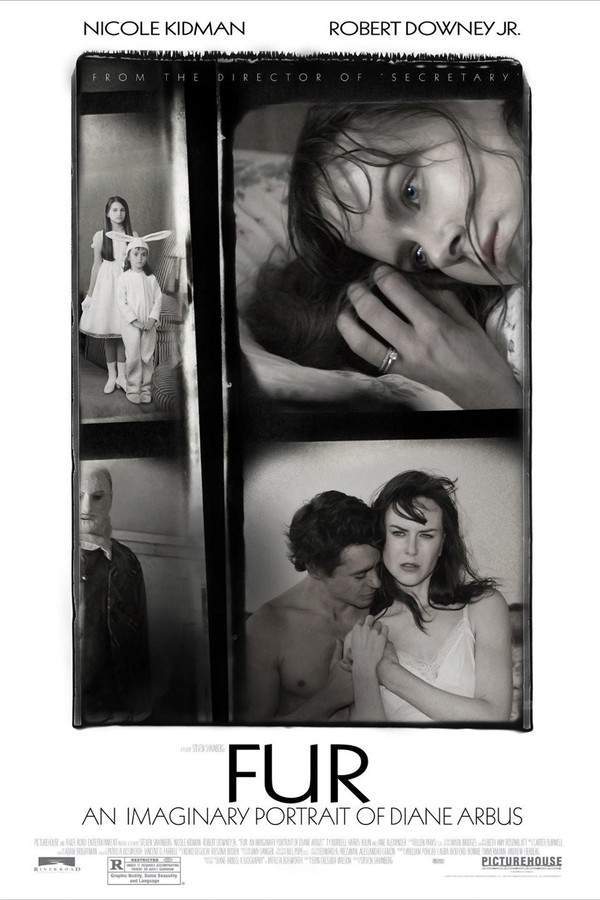
Fur: An Imaginary Portrait of Diane Arbus
Year: 2006
Runtime: 122 min
Language: English
Director: Steven Shainberg
In 1950s New York, Diane Arbus, a photographer feeling constrained by her privileged background, encounters a captivating stranger. This meeting ignites a creative transformation, pushing her to explore and capture the essence of the human condition. She begins a journey to develop her distinctive photographic style, focusing on unconventional subjects and challenging societal norms through her art.
Where to Watch Fur: An Imaginary Portrait of Diane Arbus?
Find where to stream, rent, or buy Fur: An Imaginary Portrait of Diane Arbus (2006) in the US with current JustWatch availability, up-to-date pricing, and platform listings for subscription, rental, and digital purchase options.






Warning: spoilers below!
Haven’t seen Fur: An Imaginary Portrait of Diane Arbus yet? This summary contains major spoilers. Bookmark the page, watch the movie, and come back for the full breakdown. If you're ready, scroll on and relive the story!
Fur: An Imaginary Portrait of Diane Arbus (2006) – Full Plot Summary & Ending Explained
Read the complete plot breakdown of Fur: An Imaginary Portrait of Diane Arbus (2006), including all key story events, major twists, and the ending explained in detail. Discover what really happened, and what it all means.
The film begins with Diane Arbus (Nicole Kidman) visiting a nudist colony in order to capture photographs. Welcomed by Jack Henry (Boris McGiver) and Tippa Henry (Marceline Hugot), she is invited to disrobe if she wishes to take any pictures. The narrative then shifts back to New York City in 1958, where Diane, the assistant to her husband Allan (Ty Burrell), grapples with the restrictions of her affluent upbringing. Raised in a wealthy family, with a mother, Gertrude Nemerov (Jane Alexander), and a furrier father, David Nemerov (Harris Yulin), Diane feels suffocated by her mundane role as a city wife and mother to their two daughters, Grace (Emmy Clarke) and Sophie (Genevieve McCarthy).
During a party at their home, Diane gazes outside and catches the eye of an enigmatic neighbor whose face is shrouded, save for his eyes and mouth. That evening, she confides this incident to Allan after boldly exposing her bra on the patio. Days later, when her daughter mentions a plumbing issue, Diane uncovers hair clogging a pipe, from which a key unexpectedly falls. Curious, she asks her neighbor about it, leading him to suggest a visit to the basement. There, she stumbles upon an ornate chair and a sideshow poster of a "wild man," which is dusted off by Althea (Mary Duffy), who Diane mistakenly assumes to be the man's wife.
Unable to shake her curiosity, Diane finally takes the plunge and approaches the mysterious neighbor, Lionel Sweeney (Robert Downey Jr.), who suffers from Hypertrichosis and works as a wig maker. In their initial meeting, he invites her to return later, asking if she brought the key. This sets off a profound connection between them, as he shares videos of his life as an outcast due to his condition. Diane, intrigued and empathetic, reveals her own repressed desires and fantasies, igniting a spark of attraction that draws her deeper into Lionel's world, filled with societal outcasts.
Lionel introduces Diane to people on the fringes of society, including transvestites and dwarfs, and Diane yearns to escape from her constrained life. She communicates her desire to focus on her own photography, starting with her neighbors. Though supportive, Allan is eventually made aware of their growing bond, as Diane becomes more entwined with Lionel's life, even involving him in family affairs.
During their anniversary celebration, Diane discovers Lionel experimenting with substances that endanger his health. In a heart-wrenching moment, they share an almost kiss, but it’s interrupted by Allan, who senses the tension between them. Despite her promise to Allan to end the affair, Diane finds herself drawn back to Lionel's apartment, leading to a night of intimacy where he reveals his dark intention to end his life by swimming into the ocean.
Their love is both tender and tumultuous, leaving Diane in turmoil as she grapples with her emotions. Meanwhile, Allan discovers her hidden talent for photography when he accidentally develops her films, awakening in him a newfound admiration for her artistic abilities.
As Lionel gifts Diane a fur coat made from his own hair, their last encounter unfolds at the beach where he joyfully swims away, leaving her in reflective devastation. Finding herself unable to return to her previous life, she returns to Lionel's apartment, where an unexpected party unfolds in his honor, filled with his unique friends. Here, she receives a photo album meant for her, filled with invitations to document her journey.
In an empowering closing scene, Diane is seen at the nudist camp once more, but this time, she seeks out a deeper connection with her subject as she invites a woman to share a secret before taking her photograph. Through her journey, Diane transforms, recognizing her passion and direction, ready to embrace her artistic identity.
Last updated: November 03, 2024 at 23:30
Fur: An Imaginary Portrait of Diane Arbus (2006) Plot Questions Answered – Summary FAQ
Explore frequently asked questions about Fur: An Imaginary Portrait of Diane Arbus (2006) with spoiler-rich answers covering the full plot summary, major story beats, character motivations, hidden details, and ending meaning. This movie summary FAQ helps explain confusing scenes, plot twists, and narrative decisions in clear, searchable detail.
Why is Diane drawn to her mysterious neighbor Lionel?
Diane feels suffocated by her privileged but restrictive life as a wealthy housewife and mother. Lionel, a man with Hypertrichosis who works as a wig maker, represents the world of societal outcasts she craves to explore. His openness about being an outcast due to his condition awakens Diane's repressed desires and provides her with the artistic liberation she desperately seeks.
Earlier at the party, Diane gazes at her mysterious neighbor, already sensing a connection she cannot ignore.
What is Lionel's condition Hypertrichosis?
Hypertrichosis, also known as werewolf syndrome, is a rare condition causing excessive hair growth over the body. In the film, Lionel lives as a social outcast because of his appearance and works as a wig maker to help others conceal their own imperfections. His condition makes him a target of societal judgment, which is why he connects with Diane when she treats him with empathy rather than fear.
Why does Lionel reveal he wants to end his life?
Lionel's decision stems from a lifetime of isolation and alienation due to his Hypertrichosis. During their intimate night together, he tells Diane he wants to swim into the ocean, revealing his deep despair. This dark intention explains the tragic undercurrent of their relationship and highlights how two lonely people find solace in each other, though Lionel's pain ultimately proves insurmountable.
During their anniversary celebration, Diane observes Lionel experimenting with substances that endanger his health.
What does the fur coat Lionel gives Diane symbolize?
Lionel gifts Diane a fur coat made from his own hair, which is an intensely personal and symbolic gesture. The coat represents their deep emotional bond, he offers part of himself to her. It also marks a turning point in their relationship, showing his vulnerability and trust. For Diane, it becomes a tangible reminder of her transformation and connection to Lionel's world of outcasts.
How does Allan discover Diane's hidden talent for photography?
While developing photographs, Allan accidentally comes across Diane's film and discovers her previously hidden talent for photography. This moment shifts his perception of her, as he gains newfound admiration for her artistic abilities. It represents a turning point in their marriage, though it comes too late to save their relationship as Diane has already become deeply entangled with Lionel.
Why does Diane return to the nudist colony at the end of the film?
Diane returns to the nudist camp because it represents the pinnacle of her artistic transformation. At the film's opening, she photographs the nudists but remains somewhat disconnected. By returning, she now seeks a deeper, more intimate connection with her subjects, she asks a woman to share a secret before photographing her. This signifies her complete embrace of her artistic identity and her commitment to capturing authentic human vulnerability.
What is the significance of the key Diane finds in the plumbing?
While fixing a plumbing issue, Diane discovers a key hidden in hair clogging the pipe. This mysterious key becomes the catalyst that draws her to Lionel's apartment. When she approaches him, he asks if she brought the key, suggesting it was left intentionally for someone to find. The key represents the gateway to Lionel's world and symbolizes Diane's transition from her constrained domestic life into the realm of societal outcasts she desperately wishes to explore.
What happens when Lionel swims away at the beach?
At their final encounter at the beach, Lionel joyfully swims away into the ocean, leaving Diane on the shore in reflective devastation. This scene implies Lionel has followed through on his earlier intention to end his life. The moment is both tragic and liberating, while it represents a profound loss for Diane, it also catalyzes her final acceptance of her artistic path, pushing her toward empowerment despite her solitude.
Earlier, Lionel tells Diane he wants to swim into the ocean to end his life.
What motivates Diane to pursue photography as a career?
Diane feels trapped by her affluent upbringing and domestic role as a wife and mother in 1950s New York. Meeting Lionel and discovering his world of transvestites, dwarfs, and other societal outcasts awakens her desire to capture authentic human experiences. Photography becomes her escape from societal constraints and her means of expressing the repressed desires and fantasies she has kept hidden throughout her privileged yet stifling life.
Why does Diane return to Lionel after promising Allan she would end the affair?
Diane finds herself unable to resist returning to Lionel despite promising Allan she would end their affair. Her connection with Lionel represents everything her constrained life lacks, authenticity, artistic inspiration, and acceptance of her true self. The emotional turmoil she experiences reflects her deep internal conflict between her duty to her family and her desperate need for personal and artistic liberation. Ultimately, her passion for Lionel and her artistic transformation prove more powerful than her commitment to her marriage.

Explore Movie Threads
Discover curated groups of movies connected by mood, themes, and story style. Browse collections built around emotion, atmosphere, and narrative focus to easily find films that match what you feel like watching right now.
Movies about artistic awakening like Fur: An Imaginary Portrait of Diane Arbus
Characters break free from societal cages to find their true creative voice.If you enjoyed the journey of self-discovery in Fur: An Imaginary Portrait of Diane Arbus, explore these movies about characters finding their artistic voice. These films often feature themes of breaking free from societal expectations, exploring forbidden love, and the bittersweet price of creative freedom, set against evocative period backdrops.
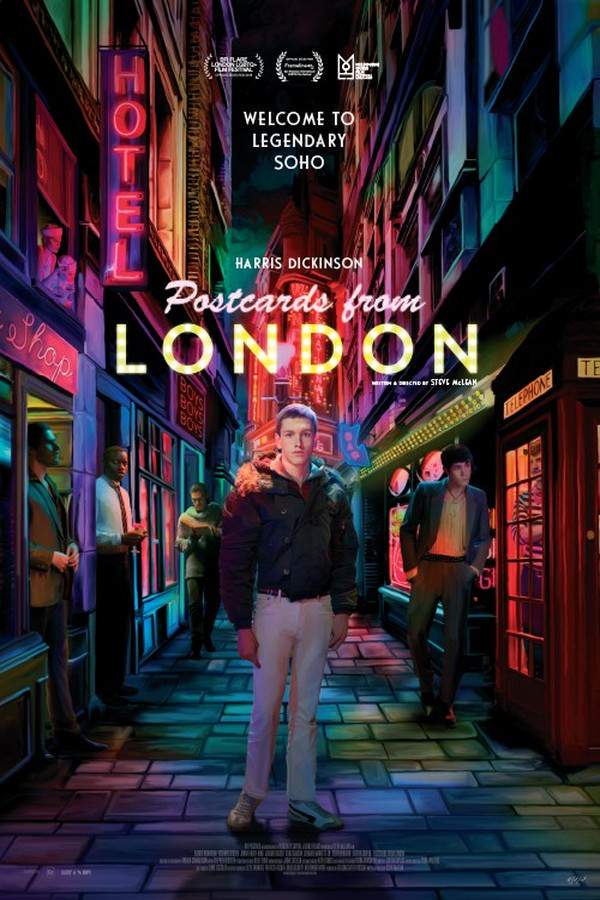
Postcards from London
2018
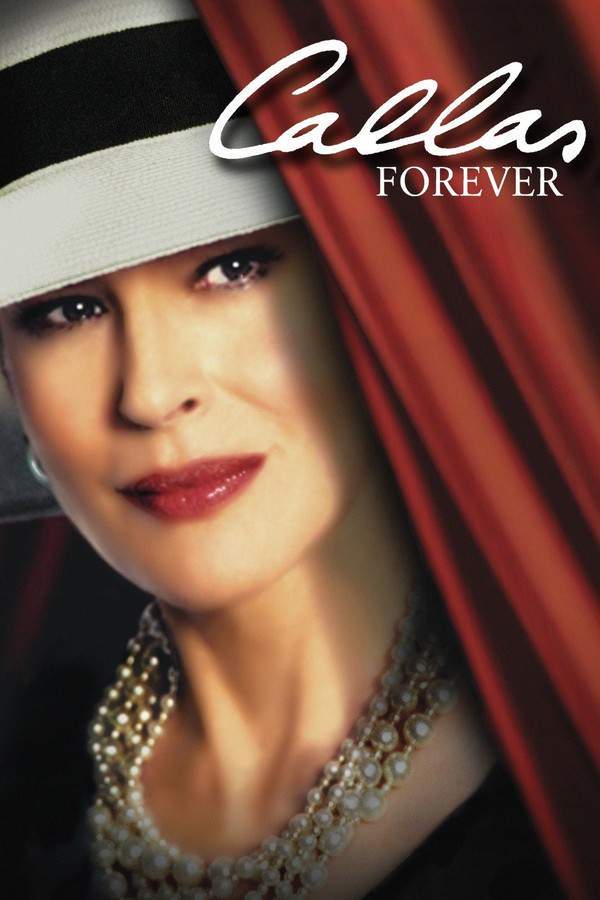
Callas Forever
2004
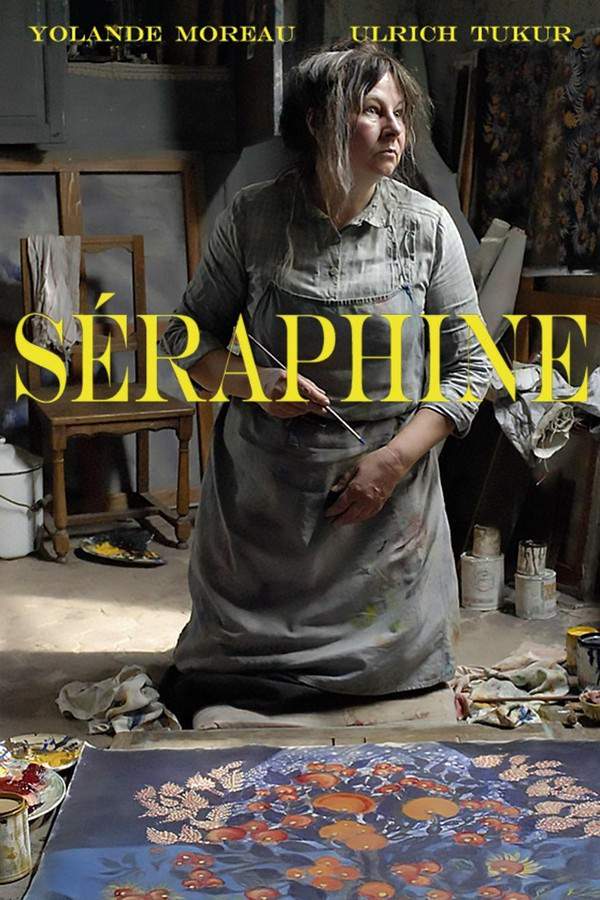
Séraphine
2009

The Unbearable Lightness of the Revolution
2021

Clouds of Sils Maria
2015

Identification of a Woman
1982

The Projectionist
2019

Wheel of Fortune and Fantasy
2021

Liberal Arts
2012

La Belle Noiseuse
1991
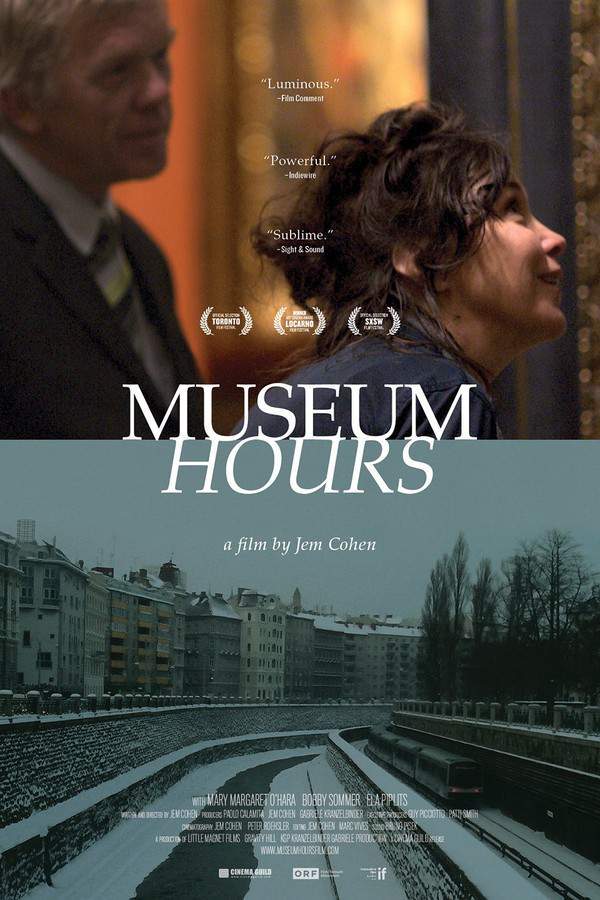
Museum Hours
2013

Year of Enlightment
1986
Fur: An Imaginary Portrait of Diane Arbus
2006
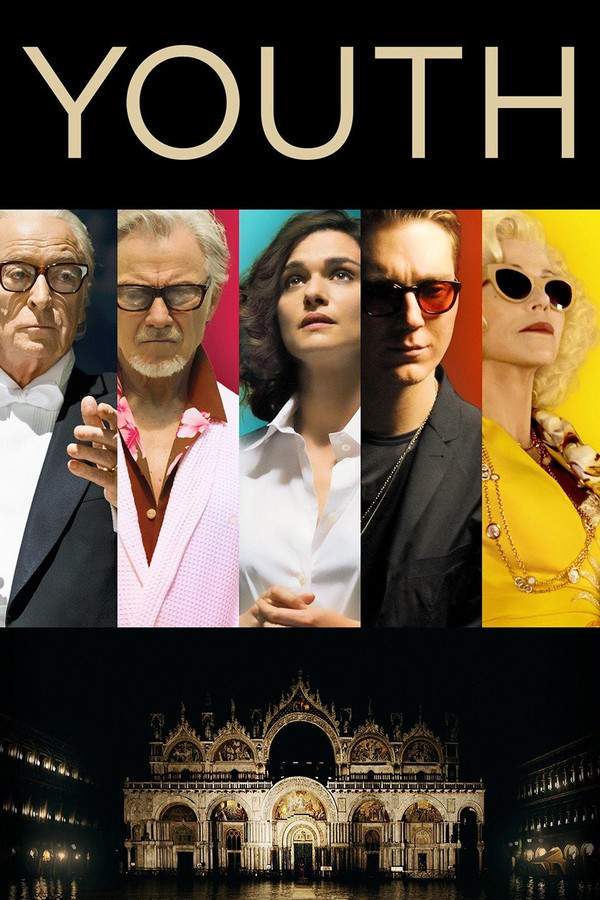
Youth
2015
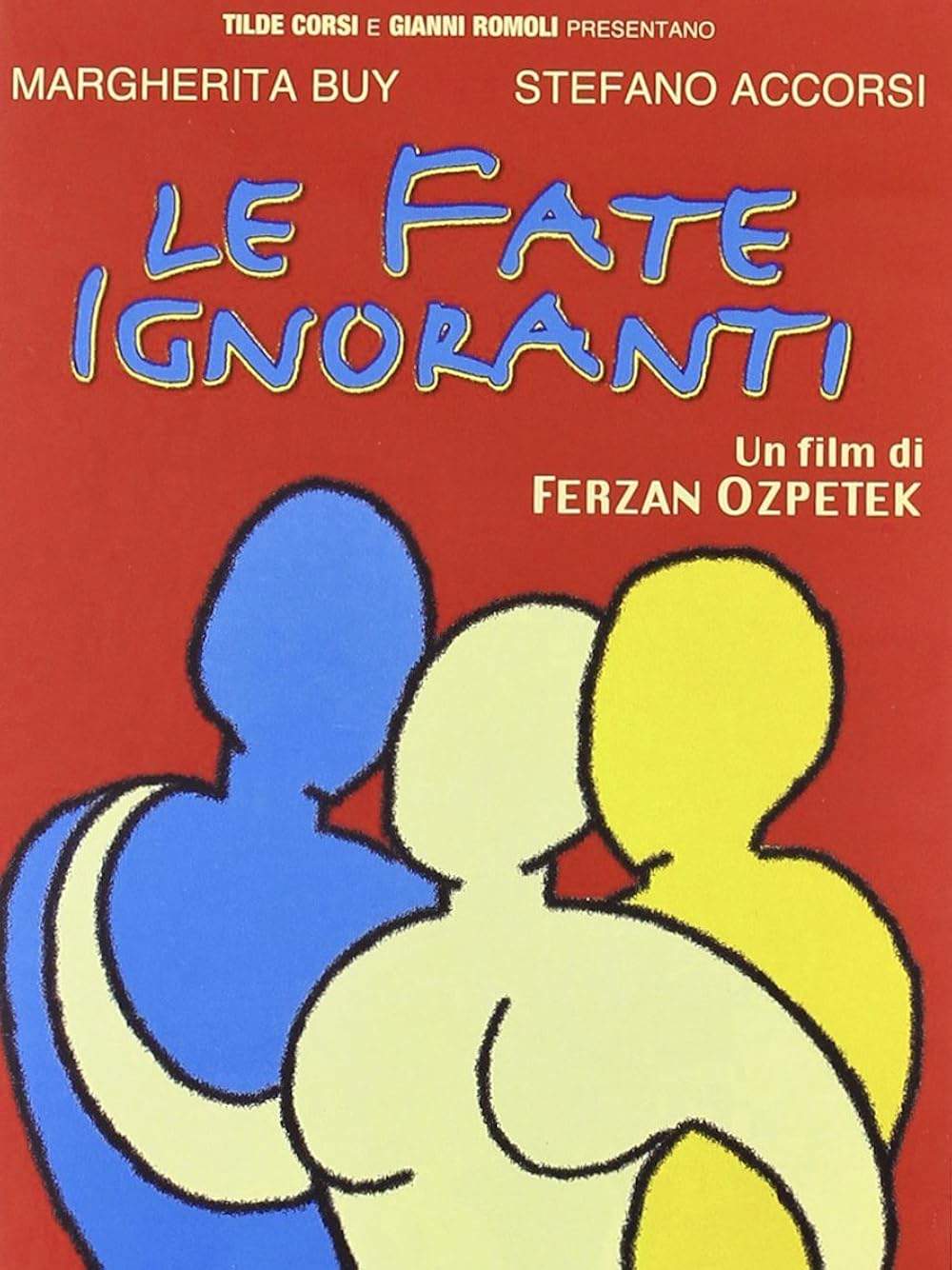
The Ignorant Fairies
2002
Narrative Summary
The narrative follows a protagonist trapped in a comfortable but unfulfilling life. An external catalyst—often a person from the fringes of society—ignites a profound internal change. The story unfolds as a slow, character-driven exploration of their artistic emergence, culminating in a bittersweet resolution where creative empowerment is achieved alongside personal loss.
Why These Movies?
These movies are grouped by their shared focus on the transformative power of art as a means of escape and self-realization. They blend a melancholic tone with a sensual, contemplative mood, often set in repressive time periods. The central conflict is internal—the struggle between duty and desire—leading to a powerful, character-defining arc.
Movies about melancholic outsider bonds like Fur: An Imaginary Portrait of Diane Arbus
Slow-burn stories of intense, transformative bonds between societal misfits.For viewers who appreciated the poignant connection between Diane and Lionel in Fur, this collection features movies about transformative relationships between outsiders. These slow-paced, character-driven dramas explore forbidden love, societal alienation, and the deep yearning for understanding, all with a melancholic and sensual atmosphere.
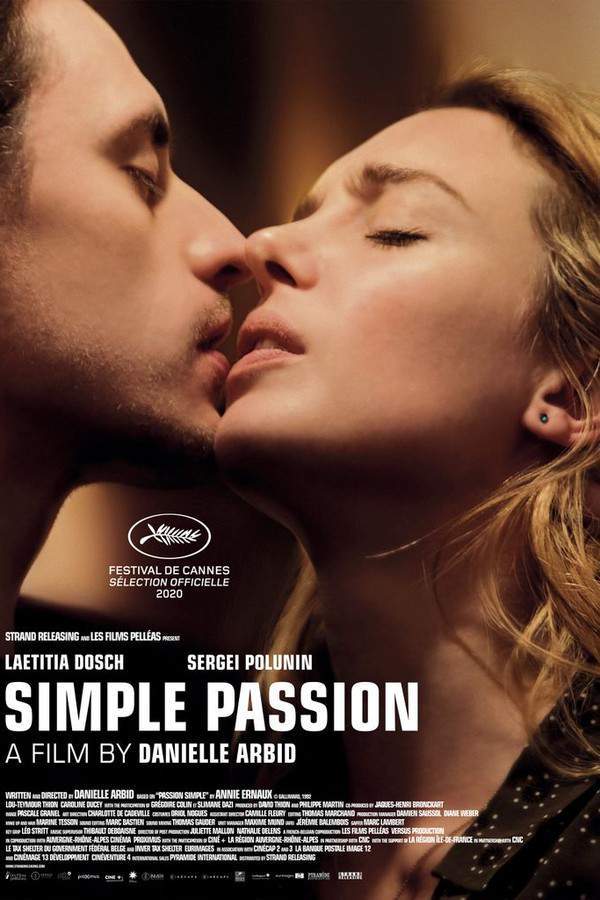
Simple Passion
2022
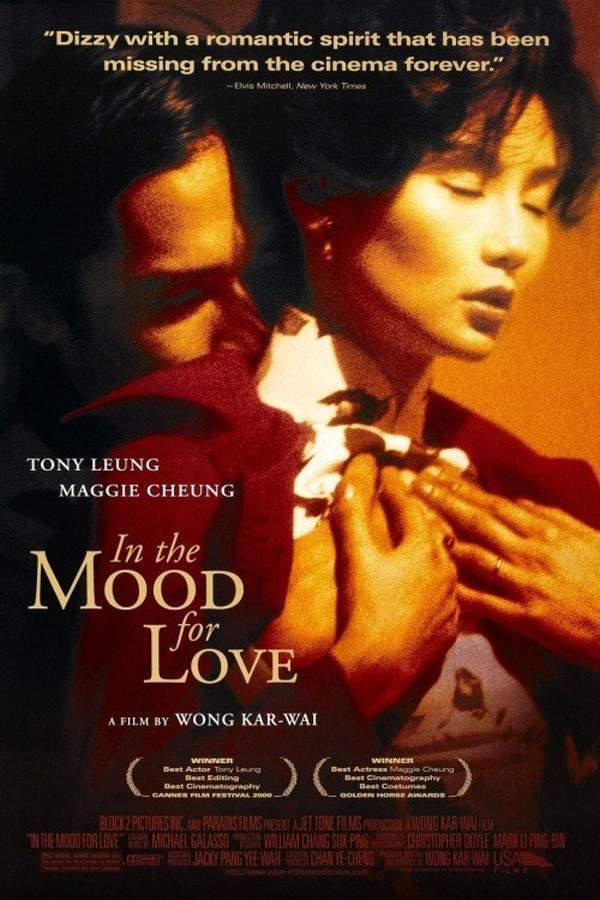
In the Mood for Love
2001
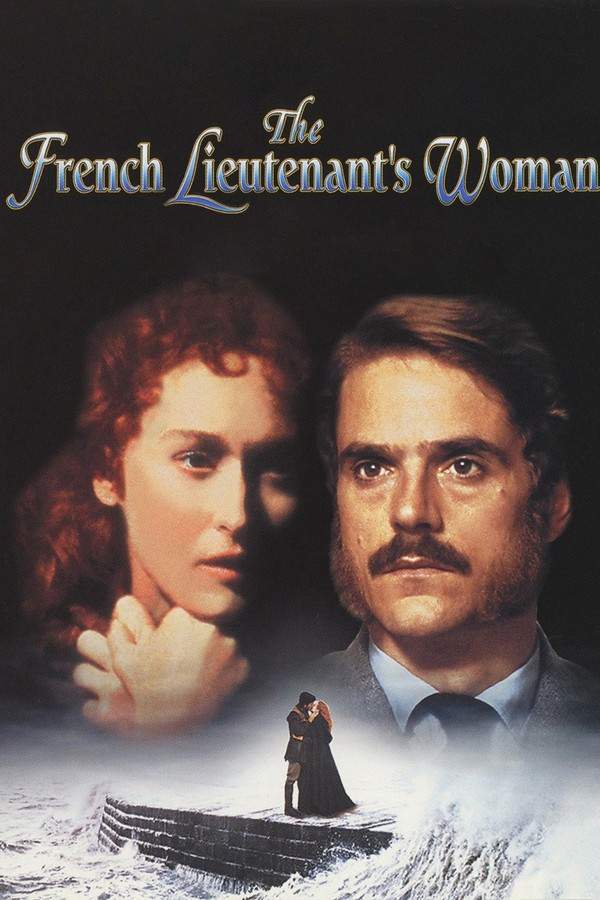
The French Lieutenant's Woman
1981

Peony Pavilion
2001

The End of the Pale Hour
2021

Goodbye First Love
2024

Days of Being Wild
1990

My Reputation
1946
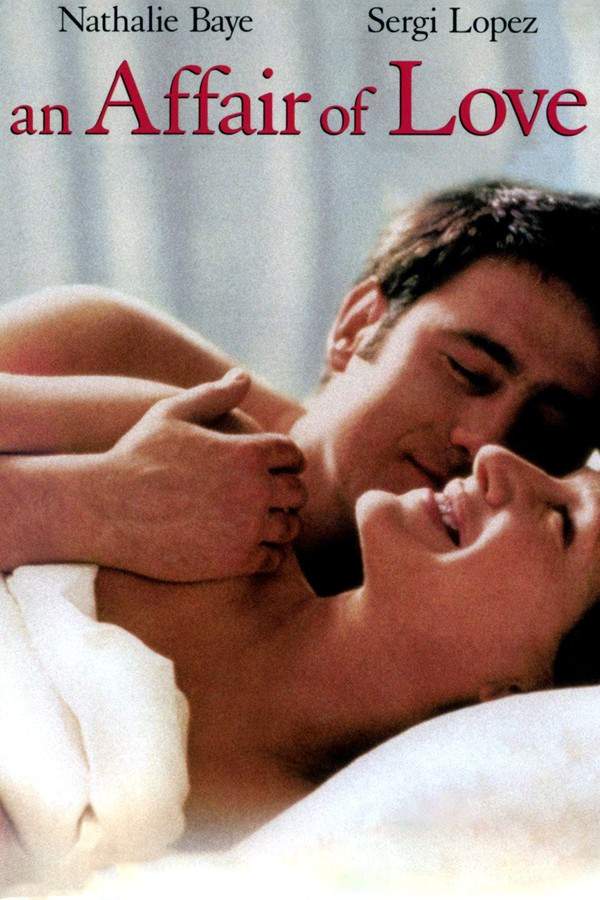
An Affair of Love
2000

A Short Film About Love
1988

Sentimental Destinies
2000

Old Boyfriends
1979

Somewhere I Have Never Travelled
2009

Lost in Translation
2003

Lost
2005
Narrative Summary
The plot revolves around the intense, transformative relationship between two lonely souls—one often from a conventional world, the other from the margins. Their connection is built on a shared sense of otherness and a yearning for authenticity. The narrative unfolds slowly, focusing on emotional intimacy rather than plot, and typically ends on a bittersweet note, leaving the characters forever changed.
Why These Movies?
These films share a specific emotional and tonal blend: a slow, contemplative pace, a core melancholic mood, and a focus on the powerful, often tragic, dynamics of outsider love. They prioritize mood and character revelation over complex plotting, creating a immersive, emotionally resonant experience centered on the beauty and pain of unconventional bonds.
Unlock the Full Story of Fur: An Imaginary Portrait of Diane Arbus
Don't stop at just watching - explore Fur: An Imaginary Portrait of Diane Arbus in full detail. From the complete plot summary and scene-by-scene timeline to character breakdowns, thematic analysis, and a deep dive into the ending - every page helps you truly understand what Fur: An Imaginary Portrait of Diane Arbus is all about. Plus, discover what's next after the movie.
Fur: An Imaginary Portrait of Diane Arbus Timeline
Track the full timeline of Fur: An Imaginary Portrait of Diane Arbus with every major event arranged chronologically. Perfect for decoding non-linear storytelling, flashbacks, or parallel narratives with a clear scene-by-scene breakdown.

Characters, Settings & Themes in Fur: An Imaginary Portrait of Diane Arbus
Discover the characters, locations, and core themes that shape Fur: An Imaginary Portrait of Diane Arbus. Get insights into symbolic elements, setting significance, and deeper narrative meaning - ideal for thematic analysis and movie breakdowns.

Fur: An Imaginary Portrait of Diane Arbus Spoiler-Free Summary
Get a quick, spoiler-free overview of Fur: An Imaginary Portrait of Diane Arbus that covers the main plot points and key details without revealing any major twists or spoilers. Perfect for those who want to know what to expect before diving in.


Similar Movies to Fur: An Imaginary Portrait of Diane Arbus
Discover movies like Fur: An Imaginary Portrait of Diane Arbus that share similar genres, themes, and storytelling elements. Whether you’re drawn to the atmosphere, character arcs, or plot structure, these curated recommendations will help you explore more films you’ll love.




Explore More About Movie Fur: An Imaginary Portrait of Diane Arbus
Fur: An Imaginary Portrait of Diane Arbus (2006) Scene-by-Scene Movie Timeline
Fur: An Imaginary Portrait of Diane Arbus (2006) Movie Characters, Themes & Settings
Fur: An Imaginary Portrait of Diane Arbus (2006) Spoiler-Free Summary & Key Flow
Movies Like Fur: An Imaginary Portrait of Diane Arbus – Similar Titles You’ll Enjoy
The School of Flesh (1999) Full Movie Breakdown
High Art (1998) Spoiler-Packed Plot Recap
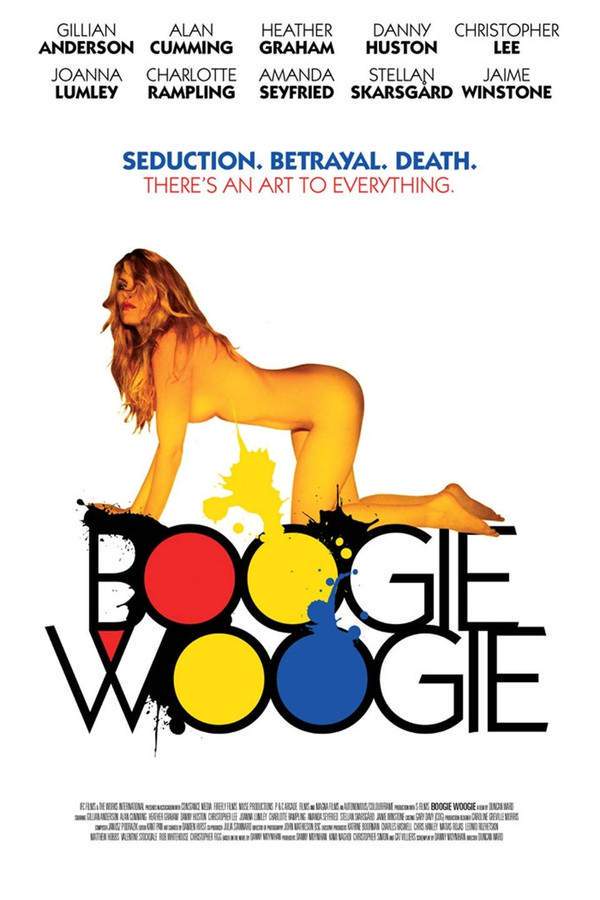
Boogie Woogie (2010) Story Summary & Characters
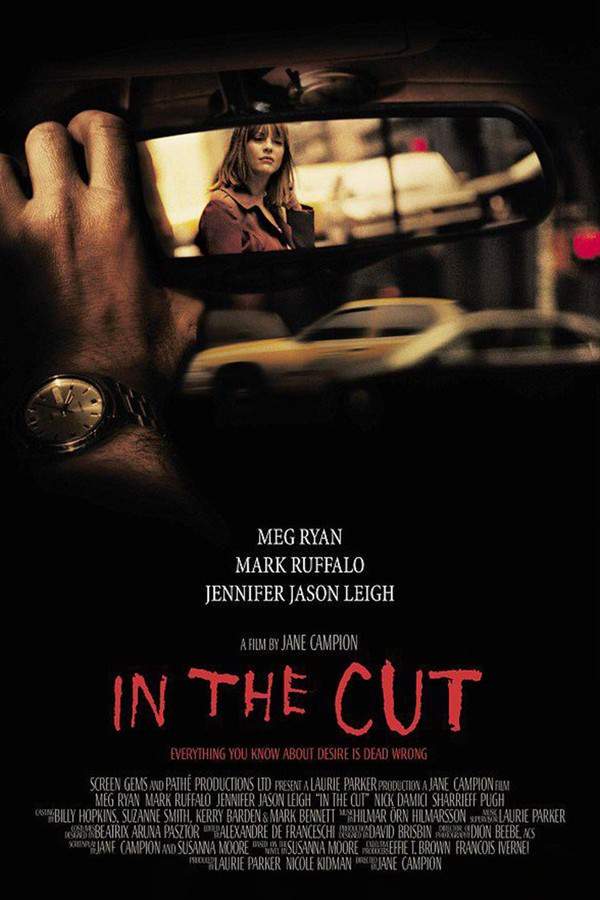
In the Cut (2003) Detailed Story Recap
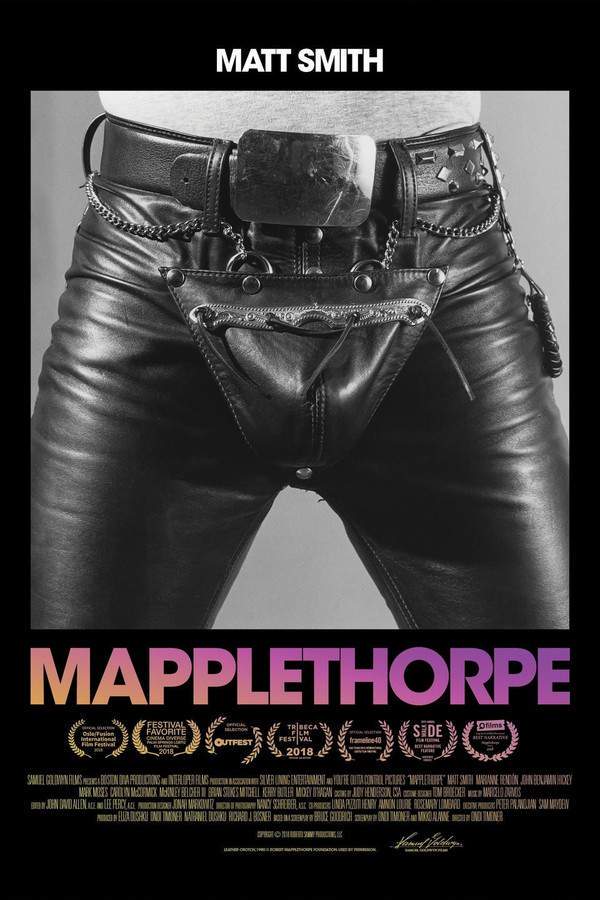
Mapplethorpe (2019) Story Summary & Characters
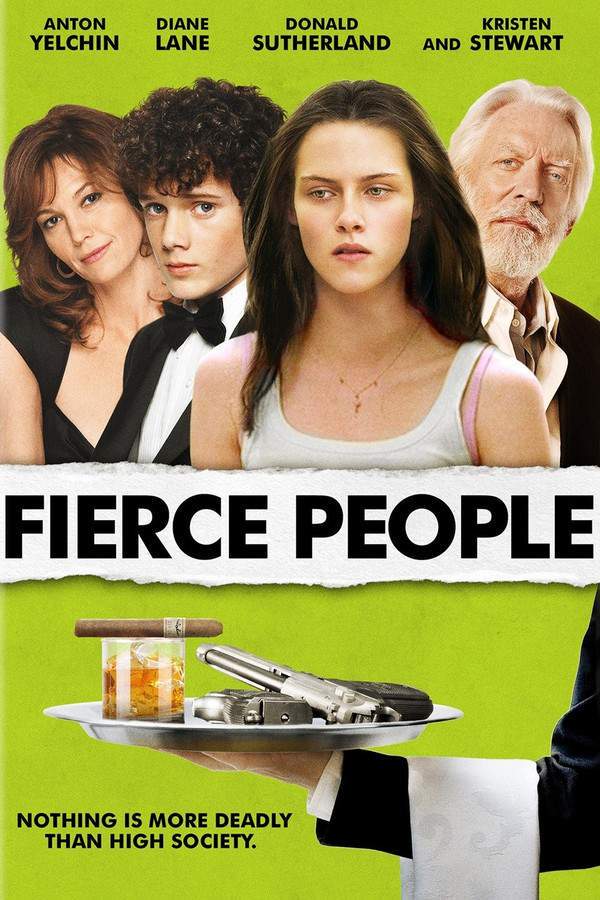
Fierce People (2007) Spoiler-Packed Plot Recap
Crave (2013) Complete Plot Breakdown
Art History (2011) Full Movie Breakdown
Desnudos (2004) Full Movie Breakdown
Man of Flowers (1983) Full Movie Breakdown
Love Rites (1987) Story Summary & Characters
The Beautiful, the Bloody, and the Bare (1964) Movie Recap & Themes
The Furrow of the Peach (1976) Film Overview & Timeline
Flesh (1968) Movie Recap & Themes
Furia (1999) Full Movie Breakdown