Plot Explained Spoilers guaranteed!
Plot Explained

Browse by genre

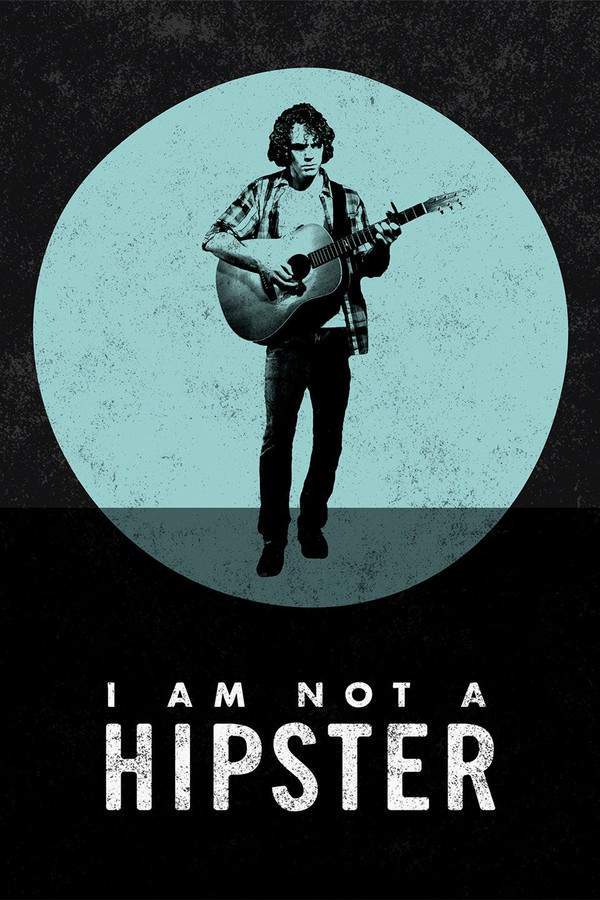
I Am Not a Hipster (2013) movie poster

Plot Summary

I Am Not a Hipster (2013) Plot Summary Explained

Release, runtime and language
2013 · 90 min · English
Loading streaming availability…
Directed by
Destin Cretton

A group of musicians navigate personal struggles and broader societal challenges, finding refuge and a voice through their music. Their songs explore themes of hope and heartbreak, creating a powerful and emotional narrative about resilience in difficult times. The music becomes a testament to their shared experiences and a reflection of the world around them.

On this page (6)
  1. 1 Where to watch
  2. 2 What happens: full plot
  3. 3 Plot questions answered
  4. 4 Movie threads
  5. 5 Movies like I Am Not a Hipster
  6. 6 Every angle
Loading streaming availability…

Full plot summary · contains spoilers

What Happens in I Am Not a Hipster: Full Plot Summary

The whole story of I Am Not a Hipster (2013) explained, from the opening scene to the final frame: every key event, every twist and what it all adds up to. Read it as a quick recap before the sequel, to check a scene you missed, or to finally understand what really happened.

Brook is an emerging musician making waves in the San Diego indie music scene. Known for his deeply emotional and self-recorded songs combined with captivating live performances, he seems to have it all. However, beneath this surface lies a bitterness that alienates him from those who care about him. His best friend, Clark, a person who tirelessly champions his work, tries to propel Brook's music into the spotlight. Despite these efforts, Brook often mocks Clark's artistic sensibilities and dismisses his support.

As he navigates his professional life, Brook finds his personal relationships fraying at the seams. He avoids interactions with his ex-girlfriend, finds himself at odds with local artists, and frequently erupts in anger over trivial matters. What lies beneath this aggressive facade is an unaddressed grief stemming from the recent death of his mother—a loss he adamantly refuses to face.

The arrival of Brook's three sisters and father brings a pivotal change; they have come to spread their mother's ashes at sea. While they hope to reconnect as a family, Brook only pushes them further away. His interactions with his sisters are marked by emotional distance, and he steadfastly refuses to acknowledge his father's presence until the emotional tension reaches a boiling point. Gradually, as conflicts escalate within the family, Brook is compelled to wrestle with his grief and confront the root causes of his self-destructive tendencies.

Caught in a struggle between his artistic pursuits and his emotional turmoil, Brook's journey takes a crucial turn as he finally comes to terms with the consequences of his behavior on those who genuinely care for him. Faced with a profound choice, he must decide whether to continue his spiral into isolation or take a painful but necessary step towards reconnecting with his family and friends.

Last updated: May 12, 2025 at 07:03

Was this helpful?

Plot questions answered

I Am Not a Hipster Plot Explained: Your Questions Answered

The questions people ask most about I Am Not a Hipster (2013): what happens in the confusing scenes, why the characters do what they do, the twists, hidden details and what the ending means. Each answer contains spoilers.

Q1

Why is Brook so bitter and aggressive toward people who care about him?

Brook's bitterness stems from unprocessed grief over his mother's recent death. Rather than confronting this loss, he channels his pain into anger and isolation, pushing away everyone who tries to help him, including his best friend Clark who genuinely believes in his talent.

Foreshadowing: The film establishes his hostile behavior early, showing how quickly he dismisses those who support him.

  • brook
  • bitterness
  • grief
  • mother death
  • emotional isolation
Q2

Why does Brook refuse to acknowledge his mother's death?

Brook cannot face his mother's death because it represents an overwhelming loss he hasn't processed. His aggressive facade is a defense mechanism, he uses anger to avoid the vulnerability that comes with mourning, which is why he pushes his family away when they try to help him grieve.

Foreshadowing: His emotional distance increases whenever his sisters mention their mother or the upcoming ashes ceremony.

  • brook
  • mother death
  • grief denial
  • family
  • emotional pain
Q3

Why is Brook particularly distant from his father?

Brook's distance from his father appears connected to the family's shared loss of their mother. While his father and sisters attempt to process their grief together, Brook retreats into isolation. His father's presence likely reminds him of the mother he cannot face losing, making their interactions particularly tense and Avoidant.

Foreshadowing: Brook's refusal to engage with his father intensifies throughout the family's visit, especially as the ashes-spreading ceremony approaches.

  • brook
  • father
  • grief
  • family tension
  • avoidance
Q4

What causes Brook to finally confront his grief?

The escalating confrontations with his sisters, who refuse to let him remain emotionally absent, reach a breaking point. Their persistence forces Brook to acknowledge the damage his isolation has caused to those who care about him, which ultimately compels him to face the grief he has been avoiding.

Foreshadowing: The timeline shows escalating family tensions that peak before Brook's breakthrough.

  • brook
  • grief breakthrough
  • family confrontation
  • emotional turning point
Q5

How does Brook's music change after he confronts his emotions?

Once Brook begins processing his grief and reconnecting with his family, his music becomes more authentic and emotionally resonant. Rather than using music as a distraction from his pain, he channels his actual experiences into his songwriting, creating performances that deeply connect with his audience.

Foreshadowing: Early in the film, his music is described as emotionally charged but lacks the depth that comes from genuine vulnerability.

  • brook
  • music evolution
  • artistic growth
  • emotional expression
  • authentic performance
Q6

Why does Brook mock Clark's efforts to support his music career?

Brook mocks Clark because accepting help would require him to acknowledge his vulnerability. Clark represents hope and future potential, but Brook's unresolved grief makes him reject anything that requires emotional investment. His mockery is a defense mechanism that keeps people at a safe distance.

Foreshadowing: The timeline establishes early that Brook ridicules Clark's artistic tastes despite Clark being his most loyal supporter.

  • brook
  • clark
  • best friend
  • support rejection
  • defense mechanism
Q7

What is the significance of Brook's family spreading his mother's ashes?

The ashes-spreading ceremony represents the family's attempt to find closure and honor their mother's memory together. For Brook's sisters and father, it's a healing ritual. For Brook, it symbolizes the finality of his loss, facing the reality that his mother is truly gone, which is why he resists participating.

Foreshadowing: The family's arrival in San Diego is specifically tied to this ceremony, and Brook's resistance grows as the event approaches.

  • mother ashes
  • family ceremony
  • closure
  • grief ritual
  • memorial
Q8

Why does Brook avoid his ex-girlfriend?

Brook avoids his ex-girlfriend because emotional intimacy requires vulnerability. After losing his mother, Brook has shut down emotionally and cannot handle the complexity of past relationships. His isolation extends to all personal connections, not just family.

Foreshadowing: The summary notes he avoids his ex-girlfriend as part of his broader pattern of relationship withdrawal.

  • brook
  • ex-girlfriend
  • relationship avoidance
  • emotional shutdown
  • isolation
Q9

How does the arrival of Brook's family affect his behavior?

The arrival of Brook's sisters and father forces him out of his self-imposed isolation. Their persistent attempts to reconnect, combined with the emotional weight of the ashes ceremony, create the pressure needed to eventually break through his defenses. Without this family confrontation, Brook would likely have continued his downward spiral.

Foreshadowing: The timeline marks the family's arrival as a pivotal change in Brook's journey.

  • brook
  • family arrival
  • sisters
  • father
  • emotional confrontation
  • turning point
Q10

What motivates Brook to choose reconnection over continued isolation?

Brook ultimately chooses reconnection when he realizes his isolation is hurting the people who genuinely care for him, specifically his father, sisters, and Clark. The painful confrontation with his grief becomes unavoidable, and he recognizes that continued isolation would destroy both his relationships and his art.

Foreshadowing: The timeline positions this as his 'moment of choice' between continuing his destructive cycle or healing.

  • brook
  • choice
  • reconnection
  • healing
  • family reconciliation
  • personal growth
Q11

Why does Brook conflict with other local artists in the music scene?

Brook's conflicts with local artists stem from the same emotional turmoil driving his other relationship problems. His bitterness and unresolved grief make him hostile toward anyone in his professional sphere. Rather than collaborating or building community, he pushes away peers, further isolating himself in his pain.

Foreshadowing: The summary mentions he 'finds himself at odds with local artists' as part of his broader pattern of conflict.

  • brook
  • local artists
  • music scene
  • professional conflict
  • hostility

Movie threads

More Movies Like I Am Not a Hipster, by Mood & Story

Curated lists built around what makes I Am Not a Hipster tick: the same mood, the same kind of story or the same emotional payoff. Each list explains why these movies belong together.

Bittersweet musician dramas like I Am Not a Hipster

Intimate portraits of artists confronting personal demons through their music. If you liked the emotional journey of I Am Not a Hipster, you'll appreciate these movies about artists finding their voice through struggle. They share a focus on the indie music scene, themes of grief and healing, and a slow, introspective pacing that makes the emotional climaxes feel earned.

  • melancholic
  • introspective
  • raw
  • cathartic
  • emotional
  • grieving
  • Tone: melancholic, cathartic, bittersweet
  • Pacing: slow, deliberate
Why these movies?

The story pattern: These stories typically center on a protagonist, often a musician, who is struggling with a significant personal loss or internal conflict. The narrative follows their journey of isolation and self-destructive behavior, gradually moving towards a painful but necessary acceptance, often expressed through their art.

Why they belong together: They are grouped by their shared melancholic tone, raw emotionality, and focus on the artist's life as a lens for exploring grief and resilience. The pacing is consistently slow and character-driven, prioritizing emotional depth over plot complexity.


Slow burn character studies of grief like I Am Not a Hipster

Character-driven stories where emotional pain unfolds gradually and realistically. Viewers looking for movies like I Am Not a Hipster will find similar emotional depth in these character studies. They share a straightforward narrative style, a medium emotional weight, and a focus on the realistic, slow process of dealing with loss and personal conflict.

  • melancholic
  • introspective
  • grieving
  • emotional
  • raw
  • slow burn
  • Tone: melancholic, introspective, raw
  • Pacing: slow burn
Why these movies?

The story pattern: The narrative pattern is a linear, straightforward character arc focused on processing a major emotional wound. Conflict arises from the protagonist's strained relationships and their own resistance to healing, leading to a conclusion that is realistically bittersweet rather than neatly resolved.

Why they belong together: These films are connected by their deliberate, slow pacing that mirrors the real-life process of grieving. They share a melancholic, introspective mood and a medium intensity derived from sustained emotional conflict rather than external action.

If you liked this

Movies Like I Am Not a Hipster

Similar movies to I Am Not a Hipster: the same genre, themes or kind of story. Each one comes with its own plot summary, timeline and ending explained.

Browse all movie summaries

Every angle

I Am Not a Hipster (2013) Explained: Plot, Timeline & Characters

Everything about I Am Not a Hipster in one place: what happens in the plot summary, the timeline in chronological order, the characters and meaning and a spoiler-free summary. What's After the Movie adds the cast, box office and post-credit scenes.

Coming soon on iOS and Android

The Plot Explained Movie Summary App

Plot summaries, endings explained and timelines on your phone. Catch up on any movie in minutes, save your favorites and never miss a twist again.

Be the first to know when we launch. Your email stays private, always.

Learn more about the app