Plot Explained Spoilers guaranteed!
Plot Explained

Browse by genre

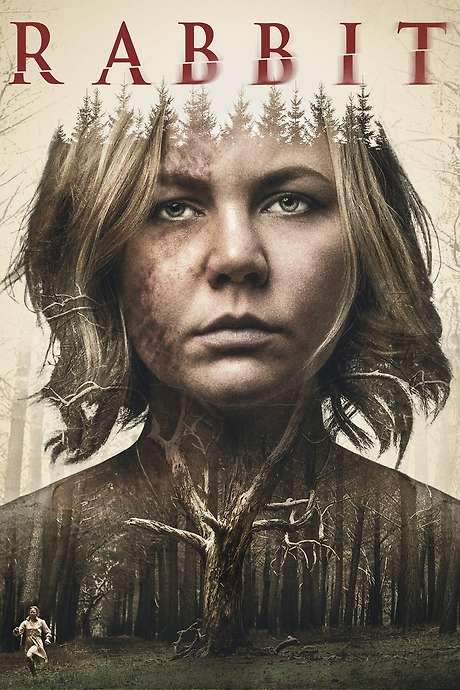
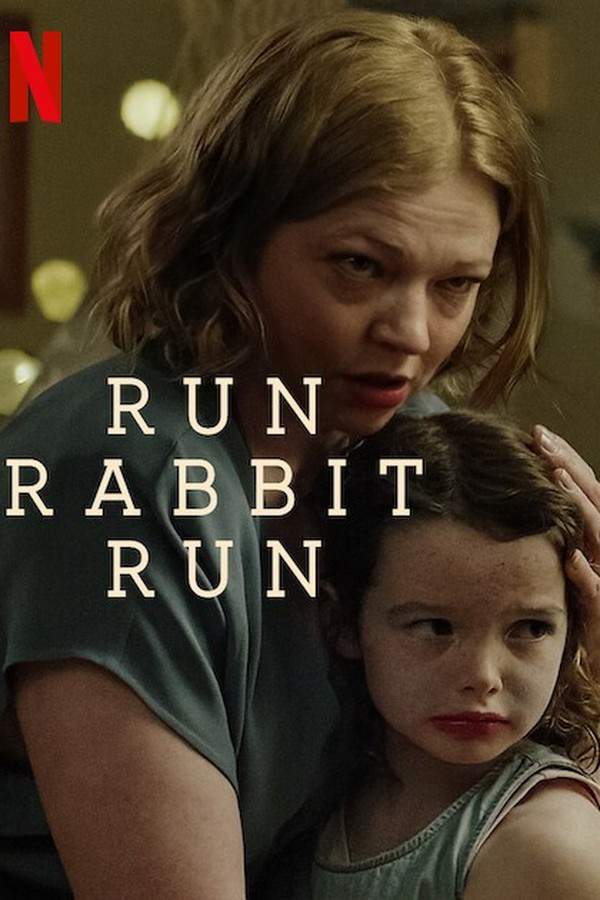
Run Rabbit Run (2023) movie poster

Plot Summary

Run Rabbit Run (2023) Plot Summary & Ending Explained

Release, runtime and language
2023 · 100 min · English
Echo score 60
JustWatch #1,543 16
Directed by
Daina Reid
Starring
Damon Herriman, Genevieve Morris, Georgina Naidu, Greta Scacchi, Julia Davis, Katherine Slattery

Sarah, a fertility specialist, finds her understanding of the world challenged when her daughter displays strange behavior suggesting supernatural forces are at play. Haunted by a difficult past, she must confront unsettling truths and reconcile her scientific beliefs with a growing sense of dread. As she investigates, Sarah uncovers a connection between her daughter's experiences and a past she thought she had left behind, threatening her family's safety and forcing her to confront a disturbing reality.

On this page (7)
  1. 1 Where to watch
  2. 2 What happens: full plot
  3. 3 Plot questions answered
  4. 4 How it ends
  5. 5 Movie threads
  6. 6 Movies like Run Rabbit Run
  7. 7 Every angle

Where to watch

Where to Watch Run Rabbit Run (2023)

Where can you watch Run Rabbit Run? Stream, rent or buy it in the US, including on Netflix and Netflix Standard: current JustWatch availability with up-to-date prices.

Streaming availability powered by JustWatch

Full plot summary · contains spoilers

What Happens in Run Rabbit Run: Full Plot Summary

The whole story of Run Rabbit Run (2023) explained, from the opening scene to the final frame: every key event, every twist and what it all adds up to. Read it as a quick recap before the sequel, to check a scene you missed, or to finally understand what really happened.

Sarah, a divorced fertility doctor, is gearing up for her daughter Mia's seventh birthday celebration. Their day takes an unexpected turn when they find a rabbit in their yard, which Mia quickly becomes fond of. As the evening unfolds, they are joined by Peter, Mia's father, along with Denise, Peter's new partner, and her young son, Toby. However, amidst the festivities, a playful incident escalates as Toby accidentally hits Mia on the head, prompting an angry response from Sarah. Despite Sarah's initial outburst, Peter intervenes and calms the situation.

Later that night, a significant moment occurs when Sarah attempts to discard the rabbit by throwing it over the garden wall, only to be bitten for her troubles. This act does not go unnoticed by Mia, leading to increasingly concerning behavior from her daughter. The next day, Mia starts exhibiting strange tendencies, becoming distant and donning a self-made rabbit mask that she refuses to remove. Her school life worsens as she hides in a playground tube, refusing to acknowledge any bullying, while she confesses to missing her estranged grandmother, Joan, whom Mia has never had the chance to meet.

The situation escalates when Mia asks for family pictures to create a family tree. While searching, Sarah comes across a childhood photograph featuring herself and her sister, prompting a shocking revelation when Mia insists she is in the image. As Mia’s demeanor begins to spiral, Sarah's own perception of reality deteriorates, leading to hallucinations and increasingly disturbing dreams, compounded by the infection from the rabbit bite.

In response to Mia's urgent pleas to see Joan, Sarah reluctantly takes her to the assisted living facility where Joan resides. Upon encountering her grandmother, who suffers from dementia, the situation grows tense when Joan mistakenly identifies Mia as "Alice," a name that stirs an intense reaction from the young girl. The ensuing chaos leads Sarah to accidentally injure Mia in the struggle.

As the story unfolds, Sarah discovers unsettling drawings in Mia's schoolwork, unveiling the depth of her daughter’s psychological turmoil. In a tense confrontation, Mia insists that she is Alice—a revelation that infuriates Sarah, especially after recalling painful memories of Alice’s mysterious disappearance at the same age. As hallucinations plague Sarah, her mental state crumbles, culminating in a tragic incident where she accidentally harms Mia with scissors.

Haunted by memories of her sister, Sarah's confusion blurs the lines between Mia and Alice. Disturbing fragments from their shared past resurface, detailing the tragic event when Sarah, in a moment of panic, pushed Alice off a cliff during a childhood scuffle. The stakes rise when Peter arrives home to a chaotic environment, where shattered family photos reveal Sarah’s mental disarray.

As the clock ticks, both Peter and Sarah frantically search for Mia, who has gone missing. The tension peaks when Sarah, racing against time, confronts Joan, finally admitting the heartbreaking truth: Alice is gone. Returning home, she seeks forgiveness from Mia, who bluntly calls her a monster for past actions. The chilling finale unfolds as Sarah looks out the window the next morning, witnessing Mia hand in hand with Alice, moving toward the cliff—a haunting image that encapsulates the fragile nature of their reality.
Last updated: November 16, 2024 at 18:00

Was this helpful?

Plot questions answered

Run Rabbit Run Plot Explained: Your Questions Answered

The questions people ask most about Run Rabbit Run (2023): what happens in the confusing scenes, why the characters do what they do, the twists, hidden details and what the ending means. Each answer contains spoilers.

Q1

Why does Mia say she is Alice?

Mia begins claiming she is Alice after visiting her grandmother Joan, who has dementia. When Joan mistakenly identifies Mia as "Alice," it triggers something in Mia, whether a supernatural connection or psychological identification with Sarah's missing sister. The film leaves this ambiguous, suggesting Mia may genuinely believe she is Alice or that Alice's spirit is somehow connected to her.

Foreshadowing: Mia first expresses sadness about never knowing her estranged grandmother before any direct contact, hinting at an unexplained bond.

  • mia
  • alice
  • identity
  • joan
  • grandmother
Q2

Who is Alice and what happened to her?

Alice was Sarah's younger sister who disappeared years ago at around the same age Mia is now. The film reveals through flashbacks that Sarah accidentally pushed Alice off a cliff during a childhood scuffle, killing her. Sarah has suppressed this traumatic memory throughout her adult life, but it resurfaces as her mental state deteriorates.

Foreshadowing: Sarah's intense emotional reaction to the rabbit bite and her growing hallucinations signal buried trauma being unleashed.

  • alice
  • sister
  • disappearance
  • cliff
  • childhood
Q3

Why does Sarah throw the rabbit over the wall?

Sarah attempts to remove the rabbit from their yard because she senses Mia becoming overly attached to it and recognizes the incident as an unexpected disruption to their lives. When she throws it over the garden wall, the rabbit bites her, marking a turning point where the film's supernatural or psychological horror elements begin to manifest.

Foreshadowing: The rabbit's appearance coincides with Mia's seventh birthday, the same age Alice was when she disappeared.

  • rabbit
  • garden
  • bite
  • throw
Q4

Why does Sarah start hallucinating?

Sarah's hallucinations stem from a combination of factors: the infection from the rabbit bite, her psychological deterioration from confronting repressed memories of Alice's death, and her guilt over harming her daughter. As she investigates Mia's strange behavior, buried trauma resurfaces, causing her to blur reality with traumatic flashbacks and visions.

Foreshadowing: Sarah's first hallucination-like moments occur after the rabbit bite, suggesting the infection accelerates her mental breakdown.

  • hallucination
  • infection
  • trauma
  • guilt
Q5

Why does Joan mistake Mia for Alice?

Joan, who has dementia, confuses Mia for Alice because Alice was her granddaughter who disappeared decades ago. The name "Alice" is clearly deeply embedded in Joan's memory, and seeing Mia, another young girl with a similar age and connection to Sarah, triggers this identification. The film may suggest something more supernatural at play, but Joan's dementia provides the primary explanation.

Foreshadowing: Mia asks about her grandmother and expresses longing to meet her before any visit occurs, hinting at an unexplained connection.

  • joan
  • alice
  • dementia
  • grandmother
Q6

Why does Mia start wearing a rabbit mask?

Mia creates and wears a rabbit mask after witnessing Sarah throw the rabbit over the wall and get bitten. This could represent her identification with the rabbit as a displaced pet, or it may signal her psychological shift toward becoming "Alice", the sister who was also connected to the family through traumatic circumstances the film connects to rabbits and childhood.

Foreshadowing: The rabbit incident directly precedes Mia's mask-making, establishing causation.

  • rabbit
  • mask
  • behavior
  • withdrawal
Q7

Why does Sarah accidentally hurt Mia with scissors?

Sarah accidentally cuts Mia with scissors during a confrontation when Mia insists she is Alice. Overwhelmed by her sister's memories and hallucinations, Sarah's mental state breaks down completely. In a moment of confusion between Mia and the ghost of her sister Alice, she lashes out physically, harming the daughter she was trying to protect.

Foreshadowing: The scissors incident follows Sarah's escalating hallucinations and her realization of what she did to Alice.

  • scissors
  • injury
  • confrontation
  • meltdown
Q8

What does the ending mean when Sarah sees Mia with Alice at the cliff?

The ending shows Sarah witnessing Mia holding hands with Alice as they walk toward the cliff, mirroring the childhood event where Sarah pushed Alice to her death. This appears to be either a hallucination or a supernatural moment where Alice's spirit has come to claim Mia, continuing the cycle of tragedy. The ambiguous ending offers no resolution, only the horrifying possibility that history is repeating itself.

Foreshadowing: The entire film builds toward this moment, with the cliff being the location where Alice died decades earlier.

  • ending
  • cliff
  • alice
  • ghost
  • cycle
Q9

Why does Sarah react so angrily when Toby hits Mia?

Sarah's overreaction to Toby accidentally hitting Mia on the head during the birthday party reveals her protective instincts and underlying psychological instability. This intensity is disproportionate to the incident, hinting at her fragile mental state and unresolved trauma. Peter noting her reaction suggests this is part of a pattern of Sarah's emotional volatility.

Foreshadowing: Sarah's anger foreshadows her complete mental breakdown later in the film as stress compounds.

  • sarah
  • toby
  • reaction
  • anger
Q10

Why does Mia want to see her grandmother Joan so badly?

Mia expresses a strong desire to meet her estranged grandmother Joan despite never having met her, which is unusual for a child. This longing appears connected to the supernatural or psychological events unfolding, Mia seems drawn to Joan because of Alice, either sensing something she shouldn't know or being influenced by forces beyond normal explanation.

Foreshadowing: Mia's request for family pictures to make a tree precedes her urgent need to find Joan.

  • mia
  • joan
  • grandmother
  • wants visit

Ending explained

What Happens at the End of Run Rabbit Run?

How Run Rabbit Run (2023) ends, in short: the final scene, the last twist and what it means for the characters. The full ending explained, with every spoiler, lives on its own page.

Read the full ending explained

The ending of Run Rabbit Run leaves viewers questioning whether the supernatural or psychological factors are at play. Throughout the film, we see signs that suggest the presence of Alice’s spirit haunting Mia and manipulating events, especially as Mia starts acting increasingly strange, claiming to be her grandmother and demanding to see Alice. The final scene shows Mia being taken by Alice’s younger self to the very same cliff where Sarah had earlier pushed Alice to her death. If one believes in the supernatural interpretation, this could mean that Alice’s spirit is still seeking revenge or closure, trying to punish Sarah for her past cruelty by ultimately returning to her original place of death and claiming Mia as her vessel or proxy. The presence of supernatural elements is reinforced by recurring ghostly sightings and eerie atmospheres throughout the film.

However, the psychological reading offers a different perspective. It suggests that Sarah’s guilt and trauma from her childhood murder of Alice have fundamentally warped her perception of reality. As Sarah’s mind begins to crumble under the weight of her secrets, she projects her repression onto Mia, seeing her as her sister Alice, who she never truly let go of. Mia’s strange behaviors and connection with animals tend to mirror Alice’s, fueling Sarah’s delusions. Scenes of Sarah injuring herself, mimicking her childhood acts, symbolize her internal struggle to confront her guilt. Ultimately, the ending represents Sarah’s mental breakdown: her belief that Mia has become Alice signifies her losing her grasp on reality, and her guilt manifests in her inability to distinguish her daughter from her sister. Whether supernatural or psychological, the film’s conclusion underscores the devastating impact of buried trauma and unaddressed guilt that can consume a person entirely.

Run Rabbit Run ending explained in full

Movie threads

More Movies Like Run Rabbit Run, by Mood & Story

Curated lists built around what makes Run Rabbit Run tick: the same mood, the same kind of story or the same emotional payoff. Each list explains why these movies belong together.

Maternal horror films like Run Rabbit Run

Stories where a mother's worst fears threaten her child and her sanity. Discover movies like Run Rabbit Run where a mother's love is tested by supernatural forces or psychological terror. If you enjoyed the theme of maternal dread and a child in peril, these films deliver similar stories of parental fear, guilt, and the fight to protect a family from unseen horrors.

  • unsettling
  • anxious
  • dread-filled
  • haunting
  • melancholic
  • paranoid
  • Tone: dark, dreadful
  • Pacing: steady escalation
Why these movies?

The story pattern: Stories in this thread typically follow a mother protagonist whose worldview is challenged by events threatening her child. The narrative often involves her investigating a mystery linked to a traumatic past, leading to a confrontation where her protective instincts clash with a horrifying reality, resulting in heavy emotional consequences.

Why they belong together: These films are grouped by their intense focus on the maternal experience of horror, blending deep emotional weight with psychological or supernatural threats. They share a dark tone, high emotional stakes, and a central conflict that tests the bond between parent and child.

Slow burn psychological thrillers like Run Rabbit Run

Where tension builds methodically, trapping characters in a creeping sense of unease. Find movies similar to Run Rabbit Run that master the art of the slow burn. If you liked the methodical pacing and the escalating psychological dread, these recommendations feature a steady build of tension, dark tones, and stories where characters confront unsettling truths about themselves or their reality.
  • slow burn
  • psychological
  • claustrophobic
  • anxious
  • unsettling
  • dread-filled
  • Tone: dark, tense, bleak
  • Pacing: steady, slow burn
Why these movies?

The story pattern: The narrative pattern involves a linear but deliberate unveiling of a central mystery or psychological conflict. The pacing is steady, allowing unease to accumulate through small, disturbing events rather than major action beats. The protagonist's perception of reality is often the main battleground, leading to a climax that is emotionally devastating rather than explosively cathartic.

Why they belong together: These films are united by their controlled pacing and focus on psychological unease. They create a cohesive experience through a dark tone, high intensity derived from mental pressure, and a narrative structure that prioritizes the slow suffocation of hope and sanity.

If you liked this

Movies Like Run Rabbit Run

Similar movies to Run Rabbit Run: the same genre, themes or kind of story. Each one comes with its own plot summary, timeline and ending explained.

Browse all movie summaries

Every angle

Run Rabbit Run (2023) Explained: Plot, Ending, Timeline & Characters

Everything about Run Rabbit Run in one place: what happens in the plot summary, the timeline in chronological order, the characters and meaning, the ending explained and a spoiler-free summary. What's After the Movie adds the cast, box office and post-credit scenes.

Coming soon on iOS and Android

The Plot Explained Movie Summary App

Plot summaries, endings explained and timelines on your phone. Catch up on any movie in minutes, save your favorites and never miss a twist again.

Be the first to know when we launch. Your email stays private, always.

Learn more about the app