
Mother

A devoted mother fights tirelessly to prove her son's innocence after he's wrongly convicted of murder. Driven by unwavering love, she delves into a complex and dangerous investigation, uncovering a web of lies and deceit. Her relentless pursuit of the truth forces her to confront the darker side of humanity and the devastating impact of her obsessive quest for justice.
Where to Watch Mother?
Find where to stream, rent, or buy Mother (2010) in the US with current JustWatch availability, up-to-date pricing, and platform listings for subscription, rental, and digital purchase options.














Streaming availability powered by 
Warning: spoilers below!
Haven’t seen Mother yet? This summary contains major spoilers. Bookmark the page, watch the movie, and come back for the full breakdown. If you're ready, scroll on and relive the story!
Mother (2010) – Full Plot Summary & Ending Explained
Read the complete plot breakdown of Mother (2010), including all key story events, major twists, and the ending explained in detail. Discover what really happened, and what it all means.
An unnamed widow sustains her life by selling medicinal herbs in a quaint town in southern South Korea while also offering unlicensed acupuncture treatments to women in the community to help them forget painful memories. Raising her only son, Yoon Do-joon, who is shy yet prone to violence if ridiculed for his intellectual disability, she is fiercely protective of him. Although she often scolds him for socializing with a local thug named Jin-tae, their lives take a dark turn when Do-joon vandalizes a car after a near-accident. As a result, he faces a lawsuit, expanding his mother’s burdens.
The tragedy escalates when Do-joon, returning home from a night out, follows a high school girl named Moon Ah-jung to an abandoned building. The next day, her lifeless body is discovered on the rooftop, sending shockwaves through the community and igniting a media frenzy that pressures the police to act swiftly in uncovering her killer. Circumstantial evidence leads to Do-joon’s arrest, though his mother steadfastly believes in his innocence. She embarks on a quest to exonerate him, but faces significant challenges from her self-centered lawyer and a community that quickly turns against her son.
In a desperate attempt to find the truth, the widow breaks into Jin-tae's home, convinced he is the true culprit. Though she retrieves what she thinks is a blood-stained golf club, it is revealed to be only lipstick, leading to Jin-tae offering his services for a fee instead of facing charges. As the mother investigates further into Ah-jung’s life, she learns that the girl had a reputation for being promiscuous and had been involved with Jong-pal, a boy who had escaped a sanatorium. In a startling visit to Do-joon in prison, he recalls a traumatic incident from his childhood, where his mother attempted to end their suffering by poisoning them, stating, > "I never want to see you again."
Through her persistent digging, the mother discovers that Ah-jung had frequent nosebleeds and owned a cellphone containing potentially incriminating pictures. After witnessing two men attacking Ah-jung’s friend looking for the phone, she hires Jin-tae to track them down. She ultimately uncovers that the phone was hidden at Ah-jung’s grandmother's house.
During a poignant revelation, Do-joon identifies an elderly man in photos from Ah-jung's phone, a junk collector he remembers. Pretending to offer medical care as a way to glean information, the collector divulges a disturbing truth: he witnessed Do-joon accidentally kill Ah-jung after she taunted him with names. Unable to bear the weight of this reality, the mother suffers a breakdown, resorting to violence against the collector to protect her son.
As events unfold, the police claim to have captured the true murderer, Jong-pal, who insists the blood on his shirt is from a consensual encounter with Ah-jung. Overcome with guilt, the mother visits him, understanding the anguish of a son with no advocate to champion him.
With Do-joon’s release from prison impending, Jin-tae retrieves him, but the pair stops to sift through the ashes of the burnt-down collector's home. During a moment of introspection at dinner, Do-joon reflects that perhaps Jong-pal meant to help Ah-jung. Just before boarding a bus for a "Thank-You Parents" tour, Do-joon returns his mother’s acupuncture kit, found amid the wreckage. This prompts a shocking realization for her as she grapples with the past. Ultimately, she chooses to erase the memories of their shared guilt, participating in the celebratory dance with other parents on the bus.
Last updated: November 07, 2024 at 22:34
Mother (2010) Plot Questions Answered – Summary FAQ
Explore frequently asked questions about Mother (2010) with spoiler-rich answers covering the full plot summary, major story beats, character motivations, hidden details, and ending meaning. This movie summary FAQ helps explain confusing scenes, plot twists, and narrative decisions in clear, searchable detail.
Why was Do-joon arrested for Ah-jung's murder?
Do-joon was arrested because circumstantial evidence pointed to him as the killer. He had followed Ah-jung to an abandoned building on the night of her death, and his intellectual disability made him an easy target for police pressure. However, the truth later emerges that Do-joon did not intentionally kill her, it was an accident triggered by her constant taunting.
Earlier scenes show Do-joon is sensitive to ridicule and prone to violent reactions when mocked.
What really happened to Ah-jung the night she died?
Ah-jung died on the rooftop of an abandoned building after Do-joon followed her there. The junk collector later revealed that Do-joon accidentally killed her when she repeatedly taunted him about his intellectual disability, calling him names. In a moment of uncontrolled rage, Do-joon pushed her, causing her to fall and die. This was not premeditated murder but a tragic accident.
Do-joon's violent reactions to ridicule were established early in the film when he vandalized a car after a near-accident.
Why did the mother try to poison Do-joon as a child?
When Do-joon was a child, his mother attempted to poison both of them because she could no longer bear the hardships of raising a son with intellectual disability alone. During this traumatic event, she told Do-joon she never wanted to see him again. This dark secret resurfaces when Do-joon recalls it during a prison visit, revealing the troubled history between them.
The mother's extreme dedication to protecting Do-joon hints at underlying guilt and a need to make up for her past attempt.
What was the golf club the mother found at Jin-tae's home?
When the mother broke into Jin-tae's home searching for evidence, she found what she believed was a blood-stained golf club that she thought was the murder weapon. However, it turned out to be only lipstick, not blood. Jin-tae used this discovery to blackmail the mother into paying him for his investigative help.
This false lead demonstrates the mother's desperation and willingness to believe anyone could be the culprit except her son.
Who was Jong-pal and why was he arrested?
Jong-pal was a boy who had escaped from a sanatorium and had been involved with Ah-jung romantically. The police arrested him for Ah-jung's murder, claiming he was the true killer. However, Jong-pal insisted the blood on his shirt was from a consensual encounter with Ah-jung, not from killing her. He became a scapegoat for the police to close the case.
Earlier investigation revealed Ah-jung had a reputation for being promiscuous and was involved with Jong-pal.
Why does the mother erase her memories at the end?
At the end, the mother uses her own acupuncture technique to erase her memories because she cannot bear the guilt of knowing the truth about her son's accidental involvement in Ah-jung's death. She also carries the trauma of her past attempt to poison him. By erasing these memories, she chooses to live in ignorant bliss rather than face the painful reality they share.
The acupuncture treatments throughout the film were established as a way to help people forget painful memories.
What did the junk collector witness?
The junk collector was an elderly man who collected scrap near the abandoned building. He witnessed the entire incident: Do-joon following Ah-jung to the rooftop, her constant taunting, and Do-joon's violent push that caused her to fall to her death. He only revealed this truth when the mother pretended to offer him medical care to extract information.
Do-joon identifies the collector from photos on Ah-jung's phone, setting up this crucial revelation.
Why did Do-joon follow Ah-jung to the abandoned building?
Do-joon followed Ah-jung after encountering her on his way home from a night out. While the exact reason is ambiguous, Ah-jung was known for her promiscuous reputation, and Do-joon, despite his intellectual disability, may have been drawn to her. His following her led to the tragic sequence of events that unfold.
Earlier scenes establish Do-joon's vulnerability to peer influence and his mother's concerns about his associations.
What was the significance of the acupuncture treatments?
The mother provided unlicensed acupuncture treatments to women in the community, helping them forget painful memories. This ability to erase memories becomes central to the ending when she uses it on herself. The treatments represent both her desire to help others escape pain and her ultimate choice to escape her own unbearable truth.
The repeated shots of the mother performing acupuncture establish this as a key thematic element throughout the film.
Why does the mother dance on the bus at the end?
The mother joins other parents in a celebratory dance on the bus during the 'Thank-You Parents' tour as a manifestation of her choice to erase her memories and live without the burden of truth. This dancing represents her acceptance of ignorance and her desperate attempt to find happiness, even if it is built on a foundation of denial and shared guilt.
The contrast between this joyful celebration and the dark truths revealed throughout creates the film's bittersweet, haunting ending.

Explore Movie Threads
Discover curated groups of movies connected by mood, themes, and story style. Browse collections built around emotion, atmosphere, and narrative focus to easily find films that match what you feel like watching right now.
Movies about an obsessive quest for truth like Mother
A lone protagonist's desperate investigation uncovers painful, unsettling realities. If you liked Mother's relentless investigation, explore more movies where a lone individual becomes consumed by a search for answers. These films share a similar vibe of desperate truth-seeking, often leading to shocking revelations and a heavy emotional toll, perfect for fans of tense, character-driven thrillers.
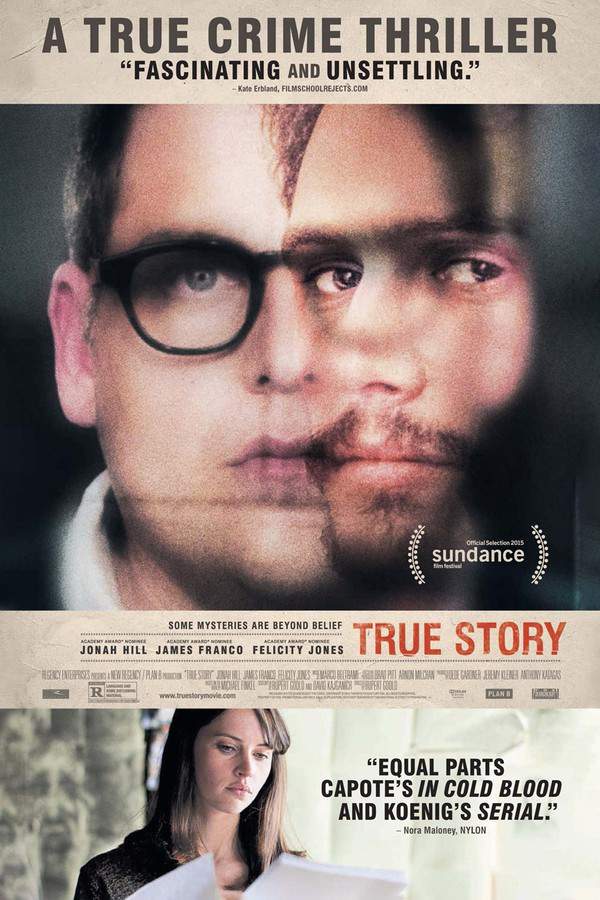
True Story
2015

Where the Truth Lies
2005

The Truth Beneath
2016

Truth About Kerry
2010

Seeking Justice
2012

I, the Jury
1953

City of Lies
2021
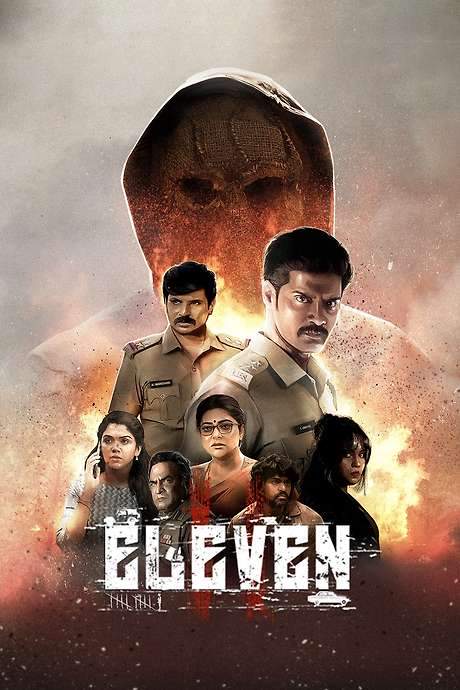
Eleven
2025

Under Suspicion
1991

The Upturned Glass
1947

The Stoneman Murders
2009
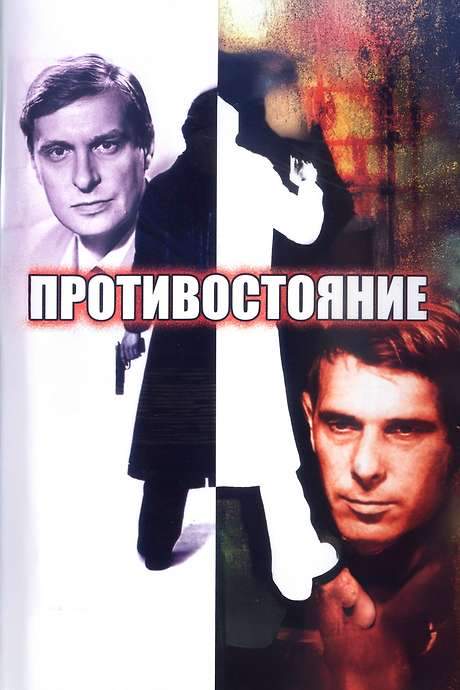
Confrontation
1000
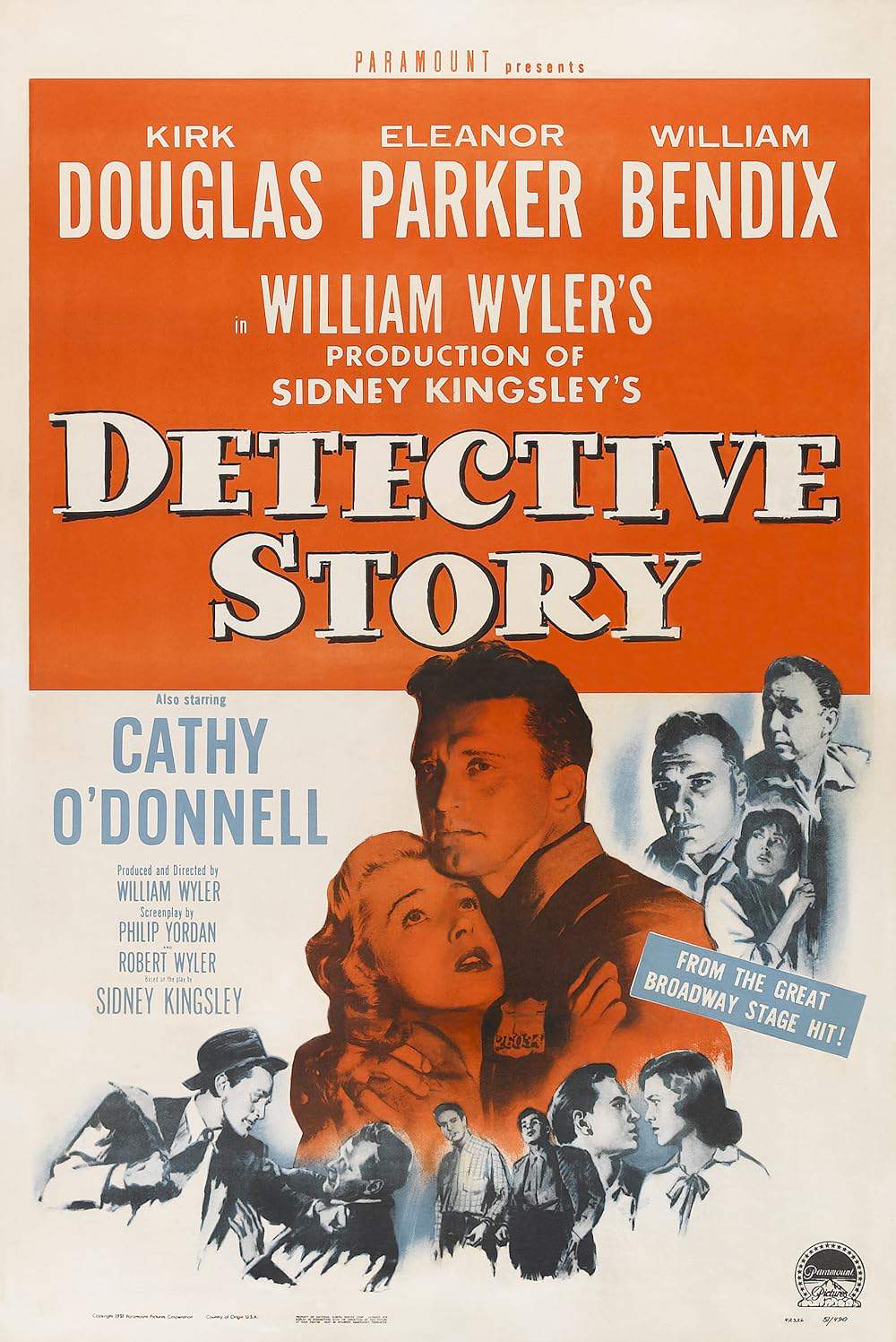
Detective Story
1951

The Oxford Murders
2010

Perfect Stranger
2007
Narrative Summary
The narrative typically centers on a protagonist, driven by a personal connection to a crime or mystery, who conducts their own inquiry outside official channels. Their methodical search progressively unveils a web of lies and corruption, escalating the stakes and forcing a confrontation with a painful, morally ambiguous truth that changes them forever.
Why These Movies?
These movies are grouped by the central motif of an all-consuming personal investigation. They share a somber, gripping mood, a steady pacing that builds tension through revelations, and a heavy emotional weight stemming from the protagonist's sacrifice and the dark truths they uncover.
Movies about morally complex motherhood like Mother
Stories exploring the extreme, shadowy lengths of a mother's love. For viewers captivated by Mother's exploration of extreme maternal sacrifice, this collection features similar dramas and thrillers. Discover films where a mother's love drives the plot into dark, ethically ambiguous territory, dealing with themes of protection, guilt, and the devastating cost of unconditional devotion.




-t1ltQ8ph-m1BPA.jpg)




Narrative Summary
The narrative follows a mother who is forced to take extreme, often morally questionable actions to protect or save her child from a grave threat, such as a wrongful accusation, a dangerous institution, or a hidden past. Her journey is one of escalating desperation, challenging her morality and ultimately leading to a bittersweet or tragic resolution that questions the very nature of her sacrifice.
Why These Movies?
These films are united by their intense focus on the psychological depth and moral complexity of a mother protagonist. They share a dark, oppressive tone, heavy emotional weight, and themes of sacrifice, guilt, and the often brutal consequences of fierce, unconditional love.
Unlock the Full Story of Mother
Don't stop at just watching - explore Mother in full detail. From the complete plot summary and scene-by-scene timeline to character breakdowns, thematic analysis, and a deep dive into the ending - every page helps you truly understand what Mother is all about. Plus, discover what's next after the movie.
Mother Timeline
Track the full timeline of Mother with every major event arranged chronologically. Perfect for decoding non-linear storytelling, flashbacks, or parallel narratives with a clear scene-by-scene breakdown.

Characters, Settings & Themes in Mother
Discover the characters, locations, and core themes that shape Mother. Get insights into symbolic elements, setting significance, and deeper narrative meaning - ideal for thematic analysis and movie breakdowns.


Similar Movies to Mother
Discover movies like Mother that share similar genres, themes, and storytelling elements. Whether you’re drawn to the atmosphere, character arcs, or plot structure, these curated recommendations will help you explore more films you’ll love.
The Crimes That Bind
2020

Mother
2020
I'm Glad My Mother Is Alive
2011

Mommy
2015

mother!
2017

Mother's Day
2012

The Good Mother
2023

A Mother’s Testimony
2001

Did I Kill My Mother?
2018

A Mother
2019

My Son
2006

The Perfect Mother
1000

Motherhood
2022

Mother Knows Best
1997

Our Mother’s Murder
1997
Explore More About Movie Mother
Mother (2010) Scene-by-Scene Movie Timeline
Mother (2010) Movie Characters, Themes & Settings
Mother (2010) Spoiler-Free Summary & Key Flow
Movies Like Mother – Similar Titles You’ll Enjoy
The Crimes That Bind (2020) Ending Explained & Film Insights
Mother (2020) Plot Summary & Ending Explained
I'm Glad My Mother Is Alive (2011) Film Overview & Timeline
Mommy (2015) Detailed Story Recap
mother! (2017) Plot Summary & Ending Explained
Mother's Day (2012) Movie Recap & Themes
The Good Mother (2023) Plot Summary & Ending Explained
A Mother’s Testimony (2001) Plot Summary & Ending Explained
Did I Kill My Mother? (2018) Film Overview & Timeline
A Mother (2019) Story Summary & Characters
My Son (2006) Story Summary & Characters
The Perfect Mother (1000) Spoiler-Packed Plot Recap
Motherhood (2022) Complete Plot Breakdown
Mother Knows Best (1997) Full Summary & Key Details
Our Mother’s Murder (1997) Plot Summary & Ending Explained