Plot Explained Spoilers guaranteed!
Plot Explained

Browse by genre

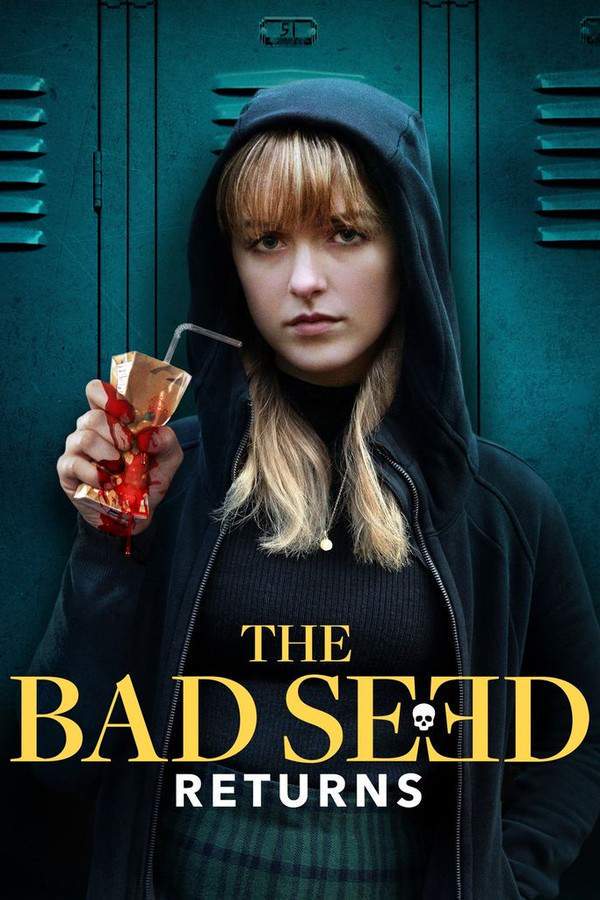
The Bad Seed (2018) movie poster

Plot Summary

The Bad Seed (2018) Plot Summary Explained

Release, runtime and language
2018 · 84 mins · English
Echo score 60
Loading streaming availability…
Starring
Cara Buono, Mckenna Grace, Marci T. House, Sarah Dugdale, Rob Lowe, Lorne Cardinal

A widower suspects that his seemingly perfect adolescent daughter is a heartless killer.

On this page (5)
  1. 1 Where to watch
  2. 2 What happens: full plot
  3. 3 Plot questions answered
  4. 4 Movie threads
  5. 5 Every angle
Loading streaming availability…

Full plot summary · contains spoilers

What Happens in The Bad Seed: Full Plot Summary

The whole story of The Bad Seed (2018) explained, from the opening scene to the final frame: every key event, every twist and what it all adds up to. Read it as a quick recap before the sequel, to check a scene you missed, or to finally understand what really happened.

Eight-year-old Rhoda Penmark is the cherished daughter of Christine and Kenneth Penmark, and at first the adults around her are drawn to her gentle intelligence and bright smile. Yet at Fern Grammar School, her classmates keep their distance, sensing that something about her is not quite right. As Rhoda’s outer charm masks a chilling detachment, the story unfolds through a series of eerie, unsettling observations and choices that disturb everyone who grows close to her.

After her husband leaves on a business trip, Christine notices Rhoda’s cold reaction to the sudden death of a classmate, Claude Daigle. Although Claude’s death is ruled accidental, there are unsettling clues—a crescent-shaped mark on his face—that hint at a harsher truth beneath Rhoda’s composed exterior. Rhoda clashes with Claude over a medal for perfect penmanship that she believes she deserves, a dispute that foreshadows darker impulses.

Christine’s search for answers leads her to reevaluate troubling incidents from the past, including the mysterious deaths of her pet dog and Rhoda’s elderly babysitter. The babysitter, Mrs. Ellis, becomes a touchpoint in Christine’s growing unease as she begins to fear that Rhoda may be connected to a string of deadly incidents. The more Christine uncovers, the more she discovers about her own family history—that she was adopted and that her birth mother, Bessie Denker, was a serial killer who died in the electric chair. This revelation gnaws at Christine’s sense of safety and fuels a creeping dread about Rhoda’s true nature.

As Christine’s mental state stretches toward the edge, she starts writing letters to her husband in which she blames herself for passing a dangerous gene to Rhoda—the so‑called “bad seed.” She never mails these letters, keeping them hidden for fear that someone might read them and reveal the disturbing truth to the world.

Throughout the unfolding nightmare, Rhoda’s behavior draws the attention of Leroy Jessup, a maintenance man at the apartment complex who needles the girl about Claude’s death. His teasing continues until a fateful moment when Rhoda reveals how far she’s willing to go to protect her secret. The tension erupts into a horrifying act: Rhoda blindsides Leroy, setting his mattress ablaze and locking him inside his shed, a horror Christine can only witness from a distance.

When faced with Rhoda, Christine confronts the truth about her daughter’s crimes. Rhoda confesses to the murders with a chilling lack of remorse, leaving Christine with a devastating choice. To prevent Rhoda from following in the footsteps of her own birth mother, Christine administers an overdose of sleeping pills to Rhoda, destroys the unsent letters, and shoots herself. A neighbor breaks into the apartment, saving Rhoda as Christine dies in the hospital, and Kenneth returns home to a scene that offers no clear answers. With the evidence erased, Rhoda appears free to kill again, leaving a lingering sense of dread that the horror may never truly end.

Last updated: October 01, 2025 at 13:05

Was this helpful?

Plot questions answered

The Bad Seed Plot Explained: Your Questions Answered

The questions people ask most about The Bad Seed (2018): what happens in the confusing scenes, why the characters do what they do, the twists, hidden details and what the ending means. Each answer contains spoilers.

Q1

Why did Christine decide to kill Rhoda instead of going to the police

Christine believed Rhoda was destined to become a serial killer like her biological mother Bessie Denker, who was executed in the electric chair. After discovering Rhoda had murdered Leroy Jessup and confessing to Claude Daigle's death without remorse, Christine became convinced the "bad seed" was inherited through her own bloodline. Rather than risk Rhoda harming others or being caught and imprisoned, Christine chose to eliminate her daughter, viewing it as the only way to prevent future deaths.

Foreshadowing: Christine's discovery of her adoption and her biological mother's execution planted the seeds of her desperate conclusion.

  • christine penmark
  • rhoda penmark
  • filicide
  • bad seed
  • serial killer genes
Q2

How did Claude Daigle actually die

Claude Daigle was murdered by Rhoda Penmark. The two quarreled over a medal for perfect penmanship that Rhoda believed she deserved but did not receive. The crescent-shaped marks on Claude's face were the key clue pointing to Rhoda's involvement, likely from the penmanship medal or a similar object used in the attack. The school ruled the death accidental, but Rhoda's cold indifference afterward revealed the truth.

Foreshadowing: The fight over the penmanship medal early in the story directly motivated Claude's murder.

  • claude daigle death
  • rhoda murder
  • penmanship medal
  • crescent marks
Q3

Why does Christine write letters to her husband but never mail them

Christine wrote letters to her husband Kenneth detailing Rhoda's crimes and her fear that their daughter was a dangerous "bad seed" inheriting killer genes. She never mailed them because she feared the letters would be read by someone else, exposing the truth about Rhoda and potentially leading to Christine being charged as an accessory or worse. The letters represented Christine's attempt to process her horror while protecting her family from scandal, but her paranoia about exposure kept them hidden until she destroyed them.

Foreshadowing: Christine's discovery of her own biological mother's execution as a serial killer made her fear the genetic truth would destroy her family.

  • christine letters
  • unsent letters
  • kenneth penmark
  • bad seed gene
Q4

Why does Rhoda kill Leroy Jessup

Leroy Jessup was a maintenance man who repeatedly taunted Rhoda about Claude Daigle's death, teasing her and suggesting she knew more about what happened. Rhoda feared he might expose her involvement in Claude's murder. Rather than risk being discovered, she waited until night, lit his mattress on fire, and locked him inside the shed, trapping him in the flames. The murder was a calculated act to silence a potential witness and protect her secret.

Foreshadowing: Leroy's persistent teasing about Claude's death directly provoked Rhoda's decision to eliminate him.

  • leroy jessup death
  • rhoda murder
  • shed fire
  • silencing witness
Q5

Why does Christine kill herself after killing Rhoda

Christine shot herself after giving Rhoda a sleeping pill overdose because she was overwhelmed with despair and believed she had no other options. Having just committed filicide, destroyed the only evidence (the unsent letters), and facing a future of either hiding her crime or exposing her daughter's true nature, Christine saw no escape. She likely believed death was the only way to end her torment, though her suicide note or final thoughts are never shown in the film.

Foreshadowing: Christine's earlier mental state, shown through her obsessive letter-writing and guilt about passing "bad genes," foreshadowed her breakdown.

  • christine suicide
  • christine death
  • filicide aftermath
  • despair
Q6

What happens to Rhoda after Christine's death

After Christine shoots herself, a neighbor breaks into the apartment and rescues Rhoda from the scene. Christine dies later in the hospital, while Rhoda survives. With Christine dead and the unsent letters destroyed, there is no evidence left to expose Rhoda's crimes. Kenneth returns home to find his wife dead and his daughter alive but unspoken for, leaving Rhoda free to potentially kill again.

Foreshadowing: The neighbor's intervention ensures Rhoda escapes justice, setting up the film's bleak conclusion.

  • rhoda survival
  • neighbor rescue
  • kenneth returns
  • evil continues
Q7

Why is Rhoda a psychopathic killer

Rhoda appears to be a psychopathic child whose capacity for violence stems from genetics and possibly a cold, detached personality. Her biological mother Bessie Denker was a serial killer who died in the electric chair, suggesting Rhoda inherited a predisposition for violence. From a young age, Rhoda showed no remorse for killing Claude Daigle or Leroy Jessup, viewing them merely as obstacles. Her charming facade allows her to manipulate adults while her classmates sense something is fundamentally wrong.

Foreshadowing: The film's title and theme of "inherited evil" establish early that Rhoda's nature is intrinsically dangerous.

  • rhoda psychopathy
  • evil child
  • nature vs nurture
  • serial killer genes
  • bessie denker
Q8

Why does the neighbor save Rhoda instead of helping Christine

The neighbor heard the gunshot from Christine's suicide and rushed to intervene, finding Rhoda alive in the apartment. Christine had already shot herself and was mortally wounded. The neighbor's priority was the child survivor, Rhoda, whom they likely saw as a helpless victim of the household's tragedy. They had no knowledge of Rhoda's crimes or that Christine was the shooter, making their rescue action seem like helping a child in distress.

Foreshadowing: The dramatic irony of saving the true monster while the hero dies reinforces the film's tragic, unjust ending.

  • neighbor intervention
  • rhoda rescue
  • mistaken rescue
  • tragic irony
Q9

Why didn't Christine know Rhoda was adopted until later

Christine and Kenneth chose to keep Rhoda's adoption a secret, as is common in some families. They wanted Rhoda to feel fully their child without the complexities of adoption awareness. When Christine began investigating Rhoda's disturbing behavior, she discovered the adoption records while searching for explanations, learning Rhoda's biological mother was Bessie Denker, the notorious serial killer. This revelation intensified Christine's terror about inherited evil.

Foreshadowing: The adoption was hidden to protect family unity, but it ultimately prevented early understanding of Rhoda's true nature.

  • adoption secret
  • bessie denker
  • biological mother
  • hidden past
Q10

What is the significance of Bessie Denker being Rhoda's mother

Bessie Denker's revelation as Rhoda's biological mother provides the central explanation for Rhoda's psychopathic nature in the film's logic. Knowing that Christine was adopted and that her birth mother was a serial killer executed in the electric chair suggests the "bad seed" is genetically inherited. This discovery drives Christine's belief that Rhoda is destined to become a serial killer like her mother, making Christine's extreme actions feel inevitable rather than impulsive.

Foreshadowing: The film's emphasis on inherited evil creates a causal link between Bessie's crimes and Rhoda's behavior.

  • bessie denker
  • biological mother
  • serial killer
  • genetic evil
  • inheritance

Movie threads

More Movies Like The Bad Seed, by Mood & Story

Curated lists built around what makes The Bad Seed tick: the same mood, the same kind of story or the same emotional payoff. Each list explains why these movies belong together.

Thrillers about monstrous children like The Bad Seed

Parents face the terrifying possibility that their child is a killer. If you liked the chilling premise of The Bad Seed, you'll find similar movies here. These films focus on parents grappling with the fear that their own child is evil, leading to suspenseful investigations and heavy moral dilemmas in the horror and thriller genres.

  • chilling
  • dread-filled
  • oppressive
  • unsettling
  • psychological
  • suspenseful
  • Tone: dark, disturbing, suspenseful
  • Pacing: steady, deliberate
Why these movies?

The story pattern: These narratives typically follow a linear, investigative path as a parent, often against all evidence, begins to suspect their child of heinous acts. The story is driven by the tension between a parent's instinct to protect and the horrifying evidence of their child's true nature, often culminating in a tragic and bleak resolution.

Why they belong together: Movies are grouped here for their shared core theme of inherited evil and the shattering of familial bonds. They create a specific, oppressive mood of dread by focusing on the intimate horror of a monstrous child, delivering a heavy emotional experience with dark tones and high psychological tension.

Slow burn suspenseful dramas like The Bad Seed

Stories where tension builds steadily into an unavoidable tragedy. Find movies with a similar pacing and mood to The Bad Seed. These psychological thrillers and horror dramas use a steady, methodical approach to build tension and a deep sense of dread, culminating in bleak and powerful endings for viewers who like a heavy, suspenseful experience.

  • slow burn
  • suspenseful
  • eerie
  • ominous
  • dread
  • psychological
  • Tone: dark, ominous, bleak
  • Pacing: steady, slow burn
Why these movies?

The story pattern: The narrative pattern involves a straightforward, linear unfolding of a central disturbing premise. Tension is built not through action, but through the gradual accumulation of evidence and the psychological unraveling of the characters. The journey is one of inescapable discovery, moving steadily towards a climax that confirms the audience's worst fears.

Why they belong together: These films are united by their specific pacing and mood. They share a STEADY pace that methodically builds HIGH intensity psychological suspense, resulting in a DARK tone and a deeply unsettling, BLEAK viewing experience. The similarity lies in the controlled, deliberate feeling of creeping horror.

Every angle

The Bad Seed (2018) Explained: Plot, Timeline & Characters

Everything about The Bad Seed in one place: what happens in the plot summary, the timeline in chronological order, the characters and meaning and a spoiler-free summary. What's After the Movie adds the cast, box office and post-credit scenes.

Coming soon on iOS and Android

The Plot Explained Movie Summary App

Plot summaries, endings explained and timelines on your phone. Catch up on any movie in minutes, save your favorites and never miss a twist again.

Be the first to know when we launch. Your email stays private, always.

Learn more about the app