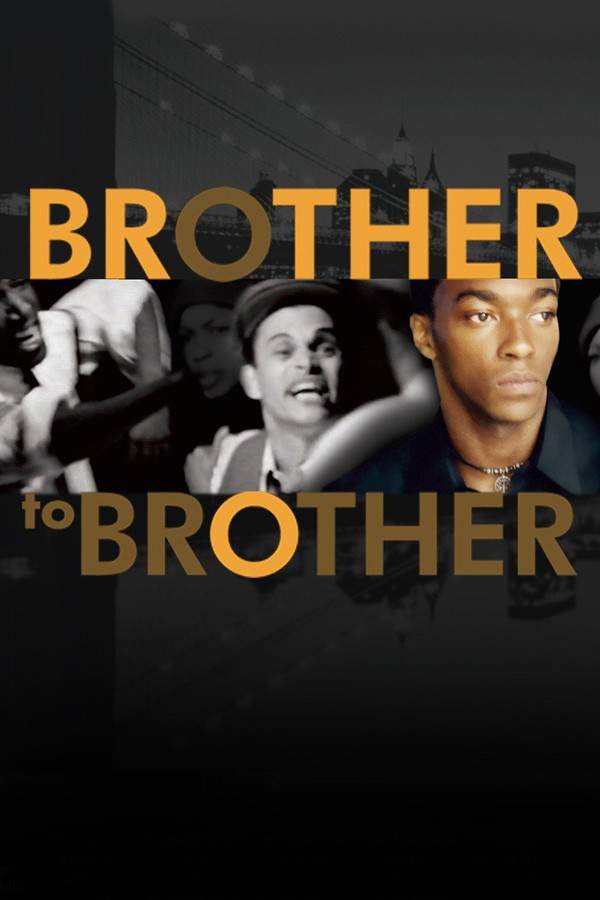
Sequan Greene, Derrick L. Middleton, is a recent New York City transplant who moves to Alabama after his mother’s death, stepping into a small Southern town where race, family history, and personal identity collide. The film opens with the weight of those pressures as Sequan learns to navigate a community that is at once curious and wary of him. The story doesn’t shy away from its heavier themes: it openly examines race relations, incest, drugs, and what it means to grow up gay in the American South. As Sequan tries to fit in, the environment grows hostile in ways that test his resilience and sense of self.
The narrative takes a traumatic turn when Sequan is brutally raped by his cousin, Michael Willis, Cameron Mitchell Mason. The film makes a pointed, uncomfortable truth clear: Michael is a gay man who is both a victim and a victimizer, a complexity that adds layers to the danger Sequan faces. The assault is not depicted for shock value but used to illuminate the precarious balance of power, fear, and vulnerability that underpins Sequan’s new reality. Sequan’s experience is compounded by ongoing bullying and physical confrontations at school, underscoring the sense of peril that shadows him in this unfamiliar landscape.
Sequan’s world begins to shift when he meets Lori Anderson, Elizabeth Dennis, the town’s self-styled “bad girl” who carries a surprising amount of warmth and loyalty beneath a rough exterior. Lori’s life is messy and combustible: she freebases, snorts coke during the school day, steals guns, and has a complicated relationship with the town’s basketball star, Ahmed Robins, Duane McLaughlin. Yet, she looks past Sequan’s outsider status and is drawn to his fearless nonconformity. In her, Sequan begins to glimpse a different kind of family and support system, one that accepts him as he is even when the world around them often does not. Lori’s boldness and generosity become the doorway through which Sequan begins to explore his own identity more openly.
Lori eventually introduces Sequan to moonshine and to her gay brother, Jake Anderson, Aidan Schultz-Meyer. Jake’s presence broadens Sequan’s social circle and deepens the film’s exploration of sexuality, kinship, and belonging in a place where outsiders frequently face judgment. Through Jake, Sequan starts to understand that growing up gay does not have to be a solitary journey, and that love, friendship, and loyalty can emerge from communities built on imperfect trust and shared vulnerability. The changing dynamic among Sequan, Lori, and Jake helps him find space to reflect on who he is and who he might become.
Across its interwoven relationships, the film paints a portrait of resilience in the face of prejudice, danger, and the painful process of self-discovery. It uses Sequan’s experiences to probe how race, sexuality, and family ties shape life in a rural South town—sometimes amplifying fear, sometimes offering unexpected care and connection. The characters’ choices reveal both the hardness and the tenderness that coexist in a community grappling with its own sense of identity. And though the path is fraught with difficulty, the story emphasizes human connection as a potential counterweight to isolation and harm.
> "I can’t be a faggot ...You’re the faggot. You’re my faggot." This stark moment, spoken by a conflicted character, underscores the film’s unflinching look at how harsh words and taboo labels intensify the pain of adolescence and the struggle for self-acceptance.
In the end, the film leaves us with a meditation on courage, belonging, and the messy but meaningful ways people reach out to one another when the world feels unkind. Sequan, Derrick L. Middleton, moves through fear toward a sense of self-earned worth, aided by the unlikely and imperfect family he finds in Lori Elizabeth Dennis and Jake Aidan Schultz-Meyer, with the ever-present undercurrent of the town’s complicated heartbeat.