Plot Explained Spoilers guaranteed!
Plot Explained

Browse by genre

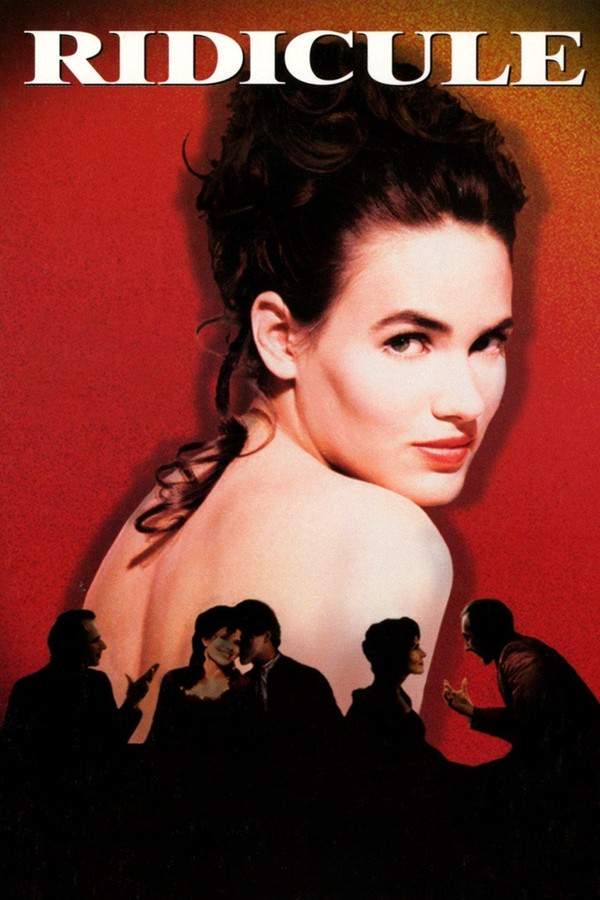
Ridicule (1996) movie poster

Characters & Themes

Ridicule (1996) Characters, Setting & Themes Explained

Release, runtime and language
1996 · 102 min · French
Loading streaming availability…
Directed by
Patrice Leconte
Starring
Charles Berling, Jean Rochefort, Urbain Cancelier, Bernard Giraudeau, Albert Delpy, Fanny Ardant

Grégoire Ponceludon de Malavoy, an aristocratic engineer, seeks to impress King Louis XVI and secure royal funding for a project to drain a swamp. He finds himself embroiled in a battle of wits against the sharp-tongued inhabitants of the French court. To succeed, he must master the art of ridicule, carefully navigating a complex web of social maneuvering and clever insults where reputation and influence hang in the balance.

On this page (8)
  1. 1 Where to watch
  2. 2 Characters explained (6)
  3. 3 Where & when it takes place
  4. 4 Themes & meaning (3)
  5. 5 Character & meaning questions
  6. 6 Movie threads
  7. 7 Movies like Ridicule
  8. 8 Every angle
Loading streaming availability…

6 main characters · contains spoilers

Ridicule Characters Explained: Who Is Who

The main characters of Ridicule (1996), heroes and villains: what drives them, how they change over the course of the story and what each of them reveals about the film's bigger ideas.

  • Baron Grégoire Ponceludon de Malavoy

    A young, penniless aristocrat and engineer whose grand drainage project for the Dombes reveals his idealism and naivety. He travels to Versailles to seek royal support but quickly learns the court’s superficial intrigues. Driven by social ascent and a desire to help the peasants, he remains stubborn, witty, and morally conflicted as events unfold.

    • 🎯 Aristocrat
    • 🧠 Engineer
    • 🕊️ Idealist
  • Marquis de Bellegarde

    A physician who mentors Ponceludon and teaches him the courtiers’ rules. He embodies integrity and skepticism toward the court’s pretenses. His debts and influence bring him into social danger, prompting him to guide Ponceludon while navigating aristocratic politics.

    • 🧭 Mentor
    • 🏥 Physician
    • 🗝️ Skeptic
  • Mathilde de Bellegarde

    Bellegarde’s daughter, who has scientific aspirations and agrees to marry a wealthy man to fund her experiments. She becomes Ponceludon’s ally and, later, his wife, balancing intellect with pragmatic choices under social pressure.

    • 💡 Scientist
    • 💍 Partner
    • 👩‍🎓 Independent
  • Madame de Blayac

    A beautiful, wealthy widow who manipulates the court’s wits for her own amusement and advantage. She cheats at games of intelligence and orchestrates real-world consequences to protect or advance her interests, ultimately driving Ponceludon toward personal jeopardy.

    • 🤑 Manipulator
    • 🃏 Schemer
    • 🧩 Power broker
  • L’abbé de Vilecourt

    Madame de Blayac’s lover, a schemer who collaborates in the court’s intrigues. His actions expose the moral ambiguities and intra-affairs of the aristocracy and demonstrate how personal alliances shape political outcomes.

    • 💫 Confidant
    • 🃏 Schemer
    • 👔 Court insider
  • King Louis XVI

    The monarch whose authority governs access to power at court. He embodies the aloof, ceremonial center of a system where deficit of trust and favor can derail a project born from good intentions.

    • 👑 Monarchy
    • 🕰️ Authority

Last updated: November 22, 2025 at 15:28

Was this helpful?

Setting

Where and When Does Ridicule Take Place?

The setting of Ridicule (1996): the year and time period, the places and locations, and how they shape the characters, the mood and the tension of the story.

Time period

Late 18th century

The action unfolds in the decades before the French Revolution, during Louis XVI's reign. It satirizes the Ancien Régime’s rituals, scheming courtiers, and the obsession with appearance. The era’s tension between tradition and change underpins Ponceludon's mission and the upheaval hinted at in the final reflections.

Location

Versailles, Dombes

Set mostly around the royal court at Versailles and the marshy Dombes region, the film contrasts opulent halls with rural disease-prone land. Versailles represents the center of political theater and social maneuvering, while the Dombes marshes symbolize neglected peasants awaiting reform. The setting emphasizes the clash between aristocratic decadence and the real-world needs of the people.

  • 🏛️ Versailles
  • 🗺️ Dombes
  • 👑 Court life

Last updated: November 22, 2025 at 15:28

Was this helpful?

3 major themes

Ridicule Meaning: Themes & Message Explained

What is Ridicule (1996) really about? The emotional, social and philosophical themes the film keeps returning to, its symbolism and the message beneath the surface.

  • Wit vs Power

    Cleverness and satire become social currency as Ponceludon tests his wits against the court’s rules. The humor exposes hollow status and the moral ambiguity of those who wield influence. The film argues that wit can challenge authority, but it also shows the danger of public ridicule as a weapon of power. The tension between intelligence and status drives the plot and its outcomes.

  • Class & Hypocrisy

    Ridicule uncovers the pretensions of the aristocracy and the way wealth, lineage, and favor shield corruption. The court rewards appearances while moral integrity is easy to overlook. The contrast with the peasants’ practical needs highlights systemic inequality. The satire reveals how social games govern life and death at court.

  • Love & Pragmatism

    Personal affection collides with political and financial concerns. Mathilde’s pragmatism—supporting science through advantageous marriage—shows how relationships are used to navigate power. Ponceludon’s devotion is tested by ambition, deceit, and honor. The romance becomes a lens through which sacrifice and resilience are explored.

Last updated: November 22, 2025 at 15:28

Was this helpful?

Character & theme questions

Ridicule Characters & Meaning: Your Questions Answered

The questions people ask about Ridicule (1996): who the characters really are, their relationships, what the symbols mean, where it takes place and what the movie is really about. Each answer contains spoilers.

Q1

Where is the movie Ridicule set?

Ridicule is set primarily at the royal court of Versailles and the marshy Dombes region in France. Versailles serves as the center of political theater and social maneuvering, while the Dombes marshes represent the neglected rural land that the protagonist seeks to drain. The contrast between the opulent court and the disease-prone countryside underscores the film's exploration of aristocratic decadence versus the real needs of the people.

  • versailles
  • dombes
  • setting
  • french court
Q2

What time period does Ridicule take place?

The film is set in the late 18th century during the reign of King Louis XVI, decades before the French Revolution. This era, known as the Ancien Régime, is portrayed as a time of ritualistic court life, scheming courtiers, and obsession with appearance. The period's tension between tradition and impending change directly shapes the protagonist's mission and the film's bittersweet ending.

  • late 18th century
  • louis xvi
  • ancien regime
  • french revolution era
Q3

What is the main theme of Ridicule?

Ridicule explores several interconnected themes, with wit versus power being central. The film argues that cleverness and satire can challenge authority, but also shows how public ridicule becomes a dangerous weapon of social power. The story demonstrates that intelligence can elevate one's status at court, yet also exposes the moral ambiguity of those who wield influence through verbal sparring.

  • wit
  • power
  • satire
  • social currency
  • cleverness
Q4

How does Ridicule portray the French aristocracy?

The film presents the French aristocracy as deeply hypocritical, where wealth, lineage, and royal favor shield corruption. The court rewards appearances and social games while overlooking moral integrity. This satire reveals how status at Versailles operates independently from genuine competence or compassion, with the contrast between court life and the peasants' practical needs highlighting systemic inequality.

  • aristocracy
  • hypocrisy
  • class
  • corruption
  • versailles court
Q5

Who is the main character in Ridicule?

Grégoire Ponceludon de Malavoy is a young, penniless aristocrat and engineer who serves as the film's protagonist. He travels to Versailles seeking royal funding for a grand project to drain the Dombes marshes and help the suffering peasant population. Idealistic but naive, he must learn to navigate the court's complex social rules and verbal sparring to succeed, though his moral integrity is repeatedly tested.

  • gregoire ponceludon
  • protagonist
  • engineer
  • aristocrat
Q6

Who is Mathilde de Bellegarde in Ridicule?

Mathilde de Bellegarde is the daughter of the Marquis de Bellegarde and a woman with scientific aspirations. She agrees to marry a wealthy man to fund her scientific experiments, showing the film's theme of love colliding with pragmatism. She becomes Ponceludon's ally and eventual wife, balancing intellectual ambition with the pragmatic choices demanded by her social position.

  • mathilde de bellegarde
  • scientist
  • wife
  • love
  • pragmatism
Q7

Who is Madame de Blayac in Ridicule?

Madame de Blayac is a beautiful, wealthy widow who manipulates the court's intellectual games for her own amusement and advancement. She cheats at games of wit and orchestrates real-world consequences to protect or advance her interests. Her character embodies the moral ambiguities of the aristocracy and serves as a significant obstacle in Ponceludon's path.

  • madame de blayac
  • schemer
  • manipulator
  • widow
Q8

What is the Dombes region in Ridicule?

The Dombes is a marshy, disease-prone rural region that represents the suffering peasant population. Ponceludon's drainage project aims to transform this swampy land into healthy farmland, serving as his noble mission that drives the entire plot. The Dombes symbolizes the neglected needs of the common people in contrast to the court's opulent indifference.

  • dombes
  • marshes
  • drainage project
  • peasants
  • rural france
Q9

How does Ridicule balance love and politics?

The romance in Ridicule serves as a lens through which sacrifice and resilience are explored. Personal affection collides with political and financial concerns throughout the film. Mathilde's pragmatic choice to marry for funding and Ponceludon's devotion tested by ambition, deceit, and honor demonstrate how relationships become tools for navigating the court's power structures.

  • love
  • romance
  • politics
  • sacrifice
  • marriage
Q10

What is King Louis XVI's role in Ridicule?

King Louis XVI appears as the monarch whose authority governs access to power at court. He embodies the aloof, ceremonial center of a system where deficits of trust and royal favor can derail projects born from good intentions. His presence underscores how the entire court operates around obtaining royal approval, making him the ultimate arbiter of Ponceludon's fate.

  • louis xvi
  • king
  • monarch
  • royal authority
  • versailles
Q11

What is the tone of Ridicule?

Ridicule maintains a consistently bittersweet tone. The protagonist's noble ambition is continuously undermined by the cynical and opportunistic court environment, leading to both professional progress and personal cost. The humor is subtle, derived from pointed wordplay and satire rather than overt comedy, creating an intelligent balance between the intellectual game of wit and genuine emotional stakes.

  • tone
  • bittersweet
  • satire
  • humor
  • irony
Q12

Why is Ridicule considered a historical drama?

Ridicule is classified as a historical drama because it accurately portrays the French court of the late 18th century during the Ancien Régime. The film meticulously depicts the rituals, social customs, and political maneuvering of the era before the French Revolution. Its blend of historical accuracy with satirical commentary on class, power, and ambition creates a thoughtful examination of a pivotal historical moment.

  • historical drama
  • ancien regime
  • french court
  • 18th century

Movie threads

More Movies Like Ridicule, by Mood & Story

Curated lists built around what makes Ridicule tick: the same mood, the same kind of story or the same emotional payoff. Each list explains why these movies belong together.

Movies about witty social maneuvering like Ridicule

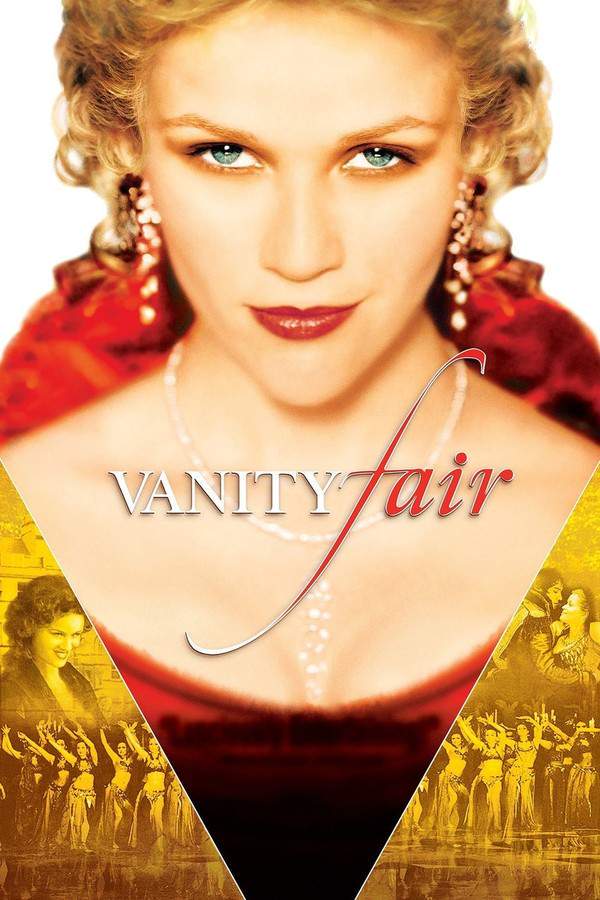
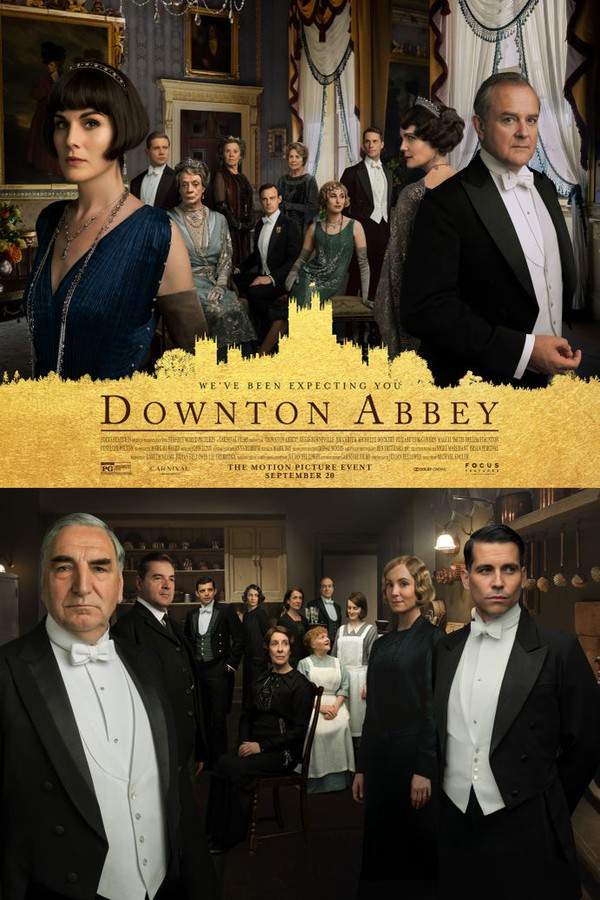
Navigate the perilous politics of high society with sharp wits as your only weapon. If you enjoyed the sharp political games and verbal sparring in Ridicule, explore more movies like it. This collection features similar period dramas and contemporary stories where characters use wit and social strategy to climb the ladder in treacherous, high-class environments.

  • witty
  • calculating
  • satirical
  • sophisticated
  • tense
  • strategic
  • Tone: bittersweet, satirical
  • Pacing: steady, conversational
Why these movies?

The story pattern: These narratives typically follow an outsider or ambitious individual entering a sophisticated, rigid society. Their journey involves learning the unwritten rules, forming alliances, and engaging in psychological duels where wit and perception are key. The central conflict is often intellectual and social, pitting sincerity against cynicism as the character's ideals are tested.

Why they belong together: Movies are grouped here for their shared focus on social peril, intellectual tension, and the intricate power dynamics of elite settings. They create a specific tension that comes from the threat of embarrassment or ruin rather than physical danger, all wrapped in a sophisticated, often satirical, package.
Movies about idealism vs cynicism like Ridicule

Stories of noble goals clashing with a world that rewards compromise. For viewers who liked the bittersweet conflict between Ponceludon's scientific idealism and the court's cynicism in Ridicule. Discover similar movies about characters fighting for a noble cause in a world that tests their integrity, leading to complex and emotionally resonant conclusions.

  • determined
  • pessimistic
  • bittersweet
  • nostalgic
  • romantic
  • satirical
  • Tone: bittersweet, pessimistic
  • Pacing: steady, character-driven
Why these movies?

The story pattern: The narrative pattern follows a dedicated character pursuing a goal for the greater good. They enter a system or environment that operates on selfish, cynical principles, forcing them to make difficult compromises. The story arc is defined by the erosion of their initial idealism, leading to a resolution that is professionally ambiguous or personally costly, highlighting the gap between their vision and reality.

Why they belong together: These films are connected by their central thematic conflict: the collision of sincere ambition with a corrupt or indifferent system. They share a bittersweet emotional core, a medium emotional weight, and a focus on the moral and emotional price of engaging with a flawed world.

If you liked this

Movies Like Ridicule

Similar movies to Ridicule: the same genre, themes or kind of story. Each one comes with its own plot summary, timeline and ending explained.

Browse all movie summaries

Every angle

Ridicule (1996) Explained: Plot, Timeline & Characters

Everything about Ridicule in one place: what happens in the plot summary, the timeline in chronological order, the characters and meaning and a spoiler-free summary. What's After the Movie adds the cast, box office and post-credit scenes.

Coming soon on iOS and Android

The Plot Explained Movie Summary App

Plot summaries, endings explained and timelines on your phone. Catch up on any movie in minutes, save your favorites and never miss a twist again.

Be the first to know when we launch. Your email stays private, always.

Learn more about the app