In Poland, Antek Gralak [Jerzy Stuhr] is released from prison after serving a three-year sentence. He leaves his home town of Kraków and heads for a construction site in Silesia, a place where he is not known and where a fresh start seems possible. He dreams of a simple life: a steady job, a wife, and a home, and he makes a conscious effort to steer clear of trouble. He greets his new coworkers with warmth and is genuinely grateful to his employer for giving him a chance to rebuild his life in this new setting.
There, he meets a nice young woman, falls in love, and marries, hoping to lay down roots and create stability after hard years. Yet happiness is short-lived as a conflict at work begins to unfold. Construction materials have disappeared, and the boss who is involved in the theft begins to deduct the loss from the workers’ wages, squeezing everyone tighter. Believing he can trust Antek, the boss tries to pull him into his scheme, testing the boundaries of Antek’s desire for peace and his integrity.
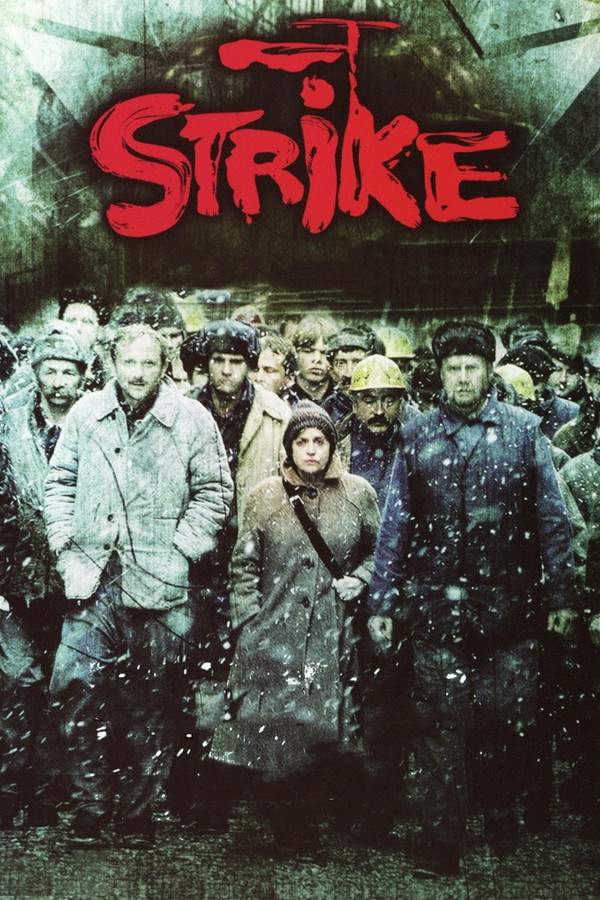
Before long, a strike erupts among the workers. Torn between loyalty to his boss and solidarity with his coworkers, Antek shows up to work with the quiet aim of keeping the peace, hoping to avoid further confrontation. The mood on the site grows tense, and the workers, convinced that Antek has aligned himself with the corrupt management, turn hostile. He is beaten by the striking workers as he mutters to himself, trying to reassure his own nerves and maintain a calm center in the midst of escalating anger.
The film traces this precarious balance between personal peace and collective pressure, painting a nuanced portrait of a man who longs for quiet amid a storm of deceit and strain. As the tensions mount, Antek’s resolve to stay true to his own sense of integrity is tested in every confrontation, revealing how easily trust can fracture under financial desperation and group grievance. The atmosphere remains restrained and observational, inviting viewers to weigh the costs of choosing peace in a world where loyalty, exploitation, and survival intersect. Through quiet, measured scenes and the recurring refrain of his whispered command to himself, the narrative emphasizes the fragility of a peaceful life when external forces push too hard, and it keeps a steady focus on the human toll of conflict and compromise.