Year: 1996
Runtime: 102 min
Language: French
Director: Patrice Leconte
Grégoire Ponceludon de Malavoy, an aristocratic engineer, seeks to impress King Louis XVI and secure royal funding for a project to drain a swamp. He finds himself embroiled in a battle of wits against the sharp-tongued inhabitants of the French court. To succeed, he must master the art of ridicule, carefully navigating a complex web of social maneuvering and clever insults where reputation and influence hang in the balance.
Warning: spoilers below!
Haven’t seen Ridicule yet? This summary contains major spoilers. Bookmark the page, watch the movie, and come back for the full breakdown. If you're ready, scroll on and relive the story!
Read the complete plot breakdown of Ridicule (1996), including all key story events, major twists, and the ending explained in detail. Discover what really happened—and what it all means.
In 18th-century France, a young, penniless aristocrat and engineer named Baron Grégoire Ponceludon de Malavoy dreams of a bold public works project: draining the swampy Dombes to end the disease that afflicts its peasants. With idealism fuelled by a desire to do good, he heads for Versailles to seek an audience with King Louis XVI and win backing for his plan. The road to power, however, proves rough: he is robbed and beaten along the way, only to be taken in by the compassionate but calculating Marquis de Bellegarde, a physician who becomes his mentor in the ways of wit, courtly manners, and the cruel politics that govern Parisian society. Through Bellegarde, Ponceludon learns that the royal court is a labyrinth of vanity, opportunism, and hidden agendas—an environment where sincerity often meets with indifference or danger.
At the heart of the court’s intrigues stands Mathilde de Bellegarde, the physician’s brilliant daughter who uses her intellect to pursue science and independence, even as she contends with familial debt and the social expectations that pressure her toward a financially advantageous marriage to a wealthy older man. The humbling, sometimes merciless landscape of court life is further complicated by the presence of Madame de Blayac, a dazzling and wealthy widow who, along with her lover, L’abbé de Vilecourt, plays a game of wit that Ponceludon begins to sense but does not aggressively expose. When Blayac’s scheming helps secure a form of legitimacy for Ponceludon’s lineage, enabling his suit to move forward, it becomes clear that his rise will depend as much on navigating deception as on any noble ambition.
Yet Ponceludon’s ambitions come at a personal cost. He engages with Madame de Blayac in a risky arrangement to gain a private audience with the King, hoping to advance his drainage project. The plan backfires in a painful, painful moment of betrayal: Blayac manipulates events so that Bellegarde is present as Mathilde discovers the affair, souring any chance of pure, straightforward support from the Bellegardes. Still determined, Ponceludon presses on, moving into the King’s orbit and finally securing a private meeting to discuss his project. His path, though, is abruptly interrupted when an insult from a cannoneer drives him into a duel, and he kills the man.
The aftermath reveals the rigid rules of honor that govern the court: the King cannot meet with someone who has killed one of his officers, even if the act is framed as an essential defense of his own honor. Madame de Blayac returns with a calculated revenge—inviting Ponceludon to a costume ball “only for wits” where he is deliberately tripped and mocked. Yet in a dramatic reversal, he casts off his mask, denounces the court’s decadence, and proclaims his resolve to drain the Dombes on his own terms, departing the social circle with Mathilde by his side.
Years pass, and the Revolution reshapes the world Ponceludon sought to influence. In 1794, the Marquis de Bellegarde—now a refugee in Great Britain—speaks with a mix of nostalgia and sober truth about the fates of the old nobles. From this conversation we learn that Ponceludon, ever steadfast, has persevered with his mission, and that Mathilde has become his wife. Together, they persist in pursuing the dream of transforming the Dombes, turning a tale of court intrigue into a testament to perseverance, partnership, and a patient, ongoing effort to improve the lives of those he set out to help.
The story remains a measured portrait of ambition colliding with elite power, the costs of reform, and the quiet strength of a couple whose shared goal endures beyond the glittering salons and the upheaval of revolution.
Last Updated: November 22, 2025 at 15:58
Discover curated groups of movies connected by mood, themes, and story style. Browse collections built around emotion, atmosphere, and narrative focus to easily find films that match what you feel like watching right now.
Navigate the perilous politics of high society with sharp wits as your only weapon.If you enjoyed the sharp political games and verbal sparring in Ridicule, explore more movies like it. This collection features similar period dramas and contemporary stories where characters use wit and social strategy to climb the ladder in treacherous, high-class environments.
These narratives typically follow an outsider or ambitious individual entering a sophisticated, rigid society. Their journey involves learning the unwritten rules, forming alliances, and engaging in psychological duels where wit and perception are key. The central conflict is often intellectual and social, pitting sincerity against cynicism as the character's ideals are tested.
Movies are grouped here for their shared focus on social peril, intellectual tension, and the intricate power dynamics of elite settings. They create a specific tension that comes from the threat of embarrassment or ruin rather than physical danger, all wrapped in a sophisticated, often satirical, package.
Stories of noble goals clashing with a world that rewards compromise.For viewers who liked the bittersweet conflict between Ponceludon's scientific idealism and the court's cynicism in Ridicule. Discover similar movies about characters fighting for a noble cause in a world that tests their integrity, leading to complex and emotionally resonant conclusions.
The narrative pattern follows a dedicated character pursuing a goal for the greater good. They enter a system or environment that operates on selfish, cynical principles, forcing them to make difficult compromises. The story arc is defined by the erosion of their initial idealism, leading to a resolution that is professionally ambiguous or personally costly, highlighting the gap between their vision and reality.
These films are connected by their central thematic conflict: the collision of sincere ambition with a corrupt or indifferent system. They share a bittersweet emotional core, a medium emotional weight, and a focus on the moral and emotional price of engaging with a flawed world.
Don't stop at just watching — explore Ridicule in full detail. From the complete plot summary and scene-by-scene timeline to character breakdowns, thematic analysis, and a deep dive into the ending — every page helps you truly understand what Ridicule is all about. Plus, discover what's next after the movie.
Track the full timeline of Ridicule with every major event arranged chronologically. Perfect for decoding non-linear storytelling, flashbacks, or parallel narratives with a clear scene-by-scene breakdown.
Discover the characters, locations, and core themes that shape Ridicule. Get insights into symbolic elements, setting significance, and deeper narrative meaning — ideal for thematic analysis and movie breakdowns.
Get a quick, spoiler-free overview of Ridicule that covers the main plot points and key details without revealing any major twists or spoilers. Perfect for those who want to know what to expect before diving in.
Visit What's After the Movie to explore more about Ridicule: box office results, cast and crew info, production details, post-credit scenes, and external links — all in one place for movie fans and researchers.
Discover movies like Ridicule that share similar genres, themes, and storytelling elements. Whether you’re drawn to the atmosphere, character arcs, or plot structure, these curated recommendations will help you explore more films you’ll love.
Ridicule (1996) Scene-by-Scene Movie Timeline
Ridicule (1996) Movie Characters, Themes & Settings
Ridicule (1996) Spoiler-Free Summary & Key Flow
Movies Like Ridicule – Similar Titles You’ll Enjoy
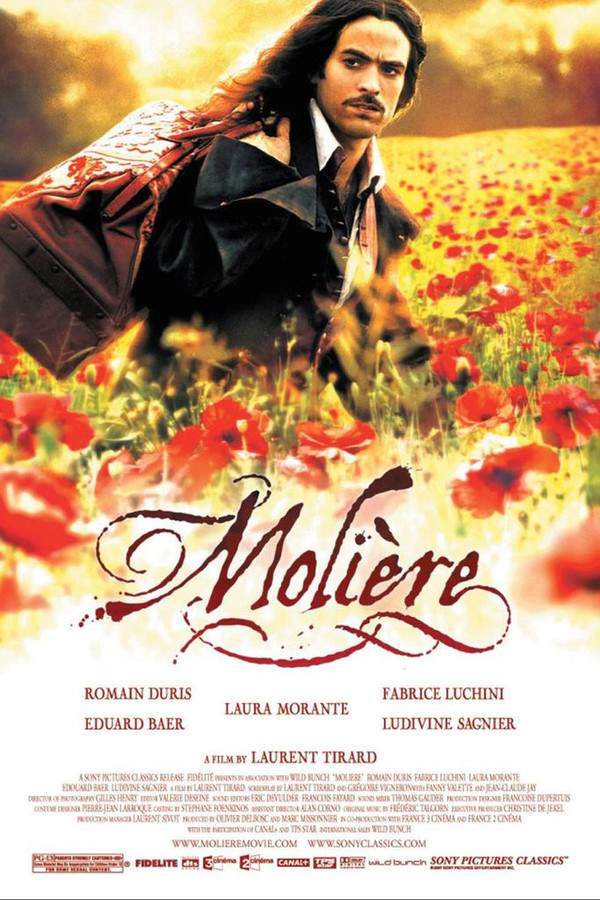
Molière (2007) Full Movie Breakdown
Laughter and Punishment (2003) Spoiler-Packed Plot Recap
Good King Dagobert (1984) Plot Summary & Ending Explained
Sans peur et sans reproche (1988) Full Summary & Key Details
Guermantes (2021) Ending Explained & Film Insights
Cadet Rousselle (1954) Spoiler-Packed Plot Recap
Monsieur Verdoux (1947) Full Summary & Key Details
Monsieur Ripois (1954) Story Summary & Characters
Marquise (1997) Complete Plot Breakdown
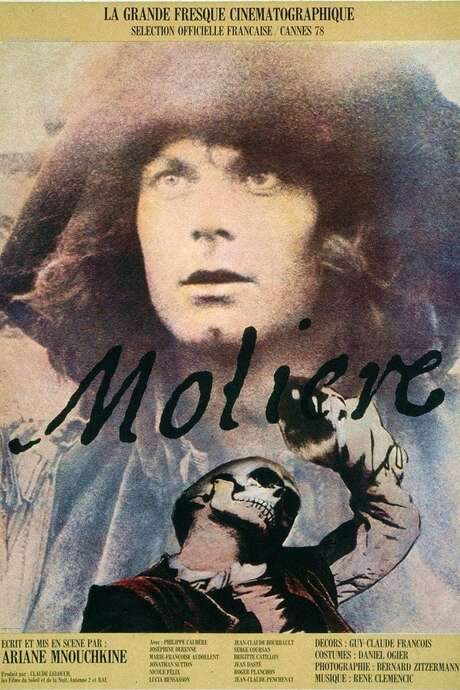
Molière (1978) Film Overview & Timeline
The Virtuous Scoundrel (1953) Spoiler-Packed Plot Recap
Monsieur Beaucaire (1946) Detailed Story Recap
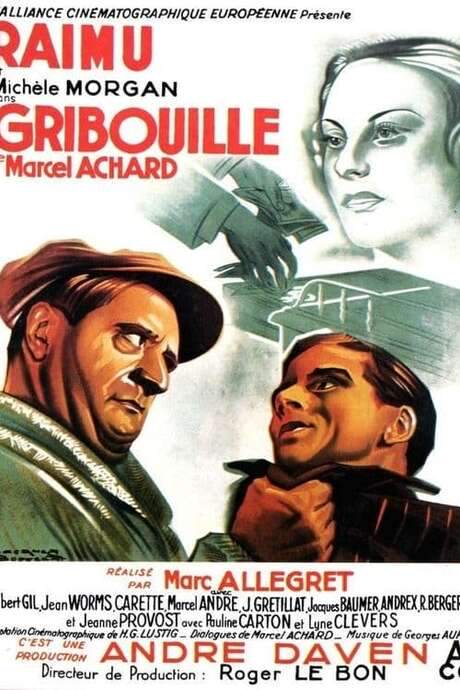
Gribouille (1937) Plot Summary & Ending Explained
Désiré (1937) Plot Summary & Ending Explained
Royal Affairs in Versailles (1954) Full Summary & Key Details