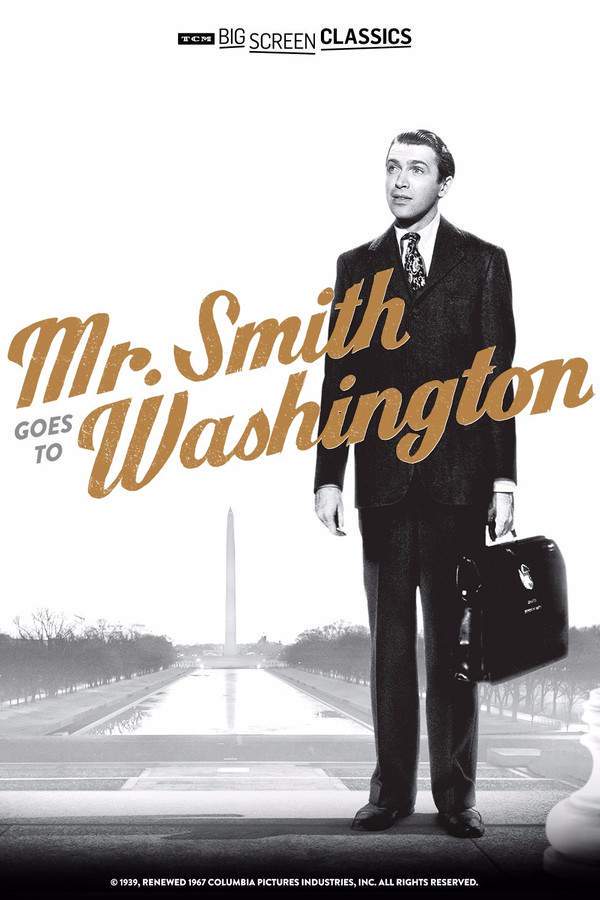
Senator Bitler is initially a driving force in the political arena, but the film centers on how Jeff Keane’s sudden rise to power tests his ideals and his personal loyalties. After successfully freeing a wrongfully convicted boy from prison, Jeff Keane is nominated and elected to the United States Senate. Although he had kept politics at arm’s length, his unwavering stance against big business garners both admiration and controversy, setting the stage for a high-stakes moral confrontation in the capital.
At a White House gala, Keane meets Consuela Fairbanks, a stylish and debt-laden socialite who becomes his wife despite Ruth Keane’s protests. The union marks a turning point, as personal and political pressures begin to intertwine in unexpected ways. Soon after the marriage, Consuela confesses that she is deep in debt and urges him to resign and join lobbyist Alan Hinsdale’s law firm, a move that would blur the line between public duty and private interest. The revelation casts a shadow over Keane’s once-panache of reform, complicating his moral compass in the face of personal need.
As the couple navigates the treacherous waters of power, Keane uncovers a far-reaching web of corruption surrounding Hinsdale, and he discovers that Consuela is involved with her former lover Henri Brenner. The personal betrayal dovetails with a broader political scandal, prompting Keane and Ruth to launch a Senate investigation into Hinsdale and his ally, [Senator Bitler]. The investigation intensifies public scrutiny of the inner circle that wields influence over national policy, testing the limits of loyalty and integrity within the highest corridors of power.
In a narrow, emotionally charged hearing, Keane delivers testimony that reveals bribery tied to his dealings with Hinsdale while also exposing the wider scheme for prosecution by the United States Attorney General. The tension mounts as the stress of the investigation weighs on him, culminating in a dramatic moment where the pressure proves too much to bear. Keane dies of a heart attack at the end of his speech, a somber reminder of the personal cost that often accompanies political sacrifice.
The narrative closes with a sharp, reflective coda attributed to Stapleton: a somber acknowledgment of Keane’s final act for his country. As Stapleton puts it, Stapleton intones the emblematic sentiment that shades the entire story—an implicit tribute to a man who chose to stand for his beliefs even as they cost him everything. The film leaves viewers with a poignant question about duty, ambition, and the price of truth in a system meant to serve the public good.