Plot Explained Spoilers guaranteed!
Plot Explained

Browse by genre

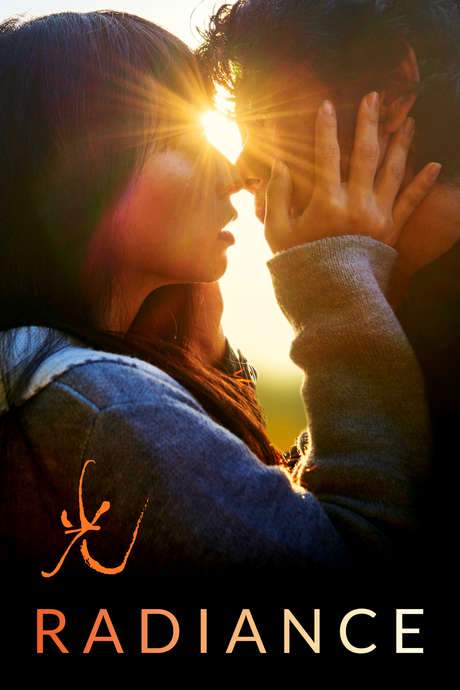
Radiance (2017) movie poster

Timeline

Radiance (2017) Timeline Explained – Every Event in Order

Release, runtime and language
2017 · 101 mins · Japanese
Loading streaming availability…
Directed by
Naomi Kawase
Starring
Kazuko Shirakawa, Noémie Nakai, Misuzu Kanno, Masatoshi Nagase, Ayame Misaki, Tatsuya Fuji

The story follows the social intercourse between a cameraman, Masaya, with a visual impairment, and Misako who disconnects from the world.

On this page (6)
  1. 1 Where to watch
  2. 2 Events in order (11)
  3. 3 Timeline questions answered
  4. 4 Movie threads
  5. 5 Movies like Radiance
  6. 6 Every angle
Loading streaming availability…

11 events in order · contains spoilers

Radiance Timeline: Events in Chronological Order

Every key event of Radiance (2017) in order, scene by scene, with when and where it takes place. Use it to untangle flashbacks, time jumps and parallel storylines, to refresh your memory before the sequel or to find the exact scene you are thinking of.

  1. Misako develops descriptive scripts

    Misako and her team craft audio description scripts that translate on-screen visuals into vivid language for blind audiences. She focuses on settings, actions, and mood to capture the film's atmosphere in words. The early drafts set the tone for how the audience might experience the movie in audio form.

    When
    early in the film
    Where
    Misako's office
  2. Initial focus-group test

    A focus group of ten blind participants evaluates Misako's draft, providing reactions to pacing, clarity, and the balance of detail. They discuss whether the descriptions convey space, character intent, and emotional beats without overpowering the viewing experience. Misako uses their feedback to revise the script.

    When
    early in the film
    Where
    testing facility
  3. Masaya enters the picture

    At a pre-premiere screening, Misako meets Masaya, a renowned photographer who has lost much of his vision. He sees how the script describes images and challenges its gaps with candid critique. Their exchange plants the seed for a difficult but transformative collaboration.

    When
    midpoint
    Where
    pre-premiere screening venue
  4. Masaya's critique

    Masaya becomes the sole member of the group willing to push back against the script's easy choices. He argues that description should invite interpretation rather than micromanage what viewers should feel. His blunt feedback exposes the coldness in some passages and spurs others to speak up.

    When
    during testing session
    Where
    focus group room
  5. A catalyst for change

    His perspective becomes a catalyst for change as testers and Misako reconsider tone, pace, and empathy in the narration. Misako begins to soften some descriptions and foreground human moments. The dialogue deepens, revealing the film's sensitivity toward perception.

    When
    during discussion
    Where
    focus group room
  6. Growing partnership

    Despite ongoing disagreements, Misako and Masaya begin to rely on each other and form a working partnership. They explore the idea that sense can extend beyond sight, enriching the film's world through audio and implication. Their collaboration grows into a mutual understanding.

    When
    late development phase
    Where
    office / studio
  7. Misako's outburst

    In a heated moment, Misako lashes out at Masaya during a focus-group session when he questions the updated script. The clash shakes the room and forces them to confront their own biases about accessibility. They emerge with a clearer sense of purpose despite lingering tension.

    When
    during a heated moment
    Where
    focus group room
  8. Reaffirming collaboration

    After the confrontation, they recommit to the project and broaden the range of voices considered in the narration. They refine their approach to include tester feedback, Masaya's sensibilities, and the director's vision. The result is a more human and inclusive description strategy.

    When
    post-conflict, pre-premiere
    Where
    office / workshop
  9. Grand premiere approach

    On the night of the grand premiere, Misako and Masaya attend with the revised plan, but Misako's colleague has finished the final script and records the overlay with his voice. The audience experiences the narration through a different storyteller, altering the dynamic of the collaboration. The moment reframes who is guiding the storytelling.

    When
    premiere night
    Where
    premiere venue
  10. Audience reaction

    Many attendees are moved to tears by the audio description, demonstrating the power of thoughtful narration to reveal a film's inner life. Viewers describe how sound and language render space, emotion, and action with new clarity. The screening validates the work of Misako and her team.

    When
    premiere night
    Where
    premiere venue
  11. Masaya completes a symbolic climb

    In the film's closing image, Masaya climbs a small dune and reaches the top to face the setting sun. The scene embodies vulnerability and perseverance, echoing themes of perception and connection. It leaves the audience with a quiet, contemplative note about what it means to truly see.

    When
    ending
    Where
    dune

Last updated: February 24, 2026 at 14:21

Was this helpful?

Timeline questions answered

Radiance Timeline Explained: Your Questions Answered

When does it happen, and why in that order? The questions people ask about the chronology of Radiance (2017): time jumps, flashbacks, cause and effect between scenes and the correct order of events, each answered with spoilers.

Q1

Why does Masaya criticize Misako's audio description script?

Masaya, a renowned photographer who has lost most of his sight, critiques Misako's script because he feels her descriptions are too precise and controlling. He argues that good audio description should invite interpretation rather than micromanaging what blind viewers should feel. His few remaining memories of images, the setting sun, Misako herself, are deeply personal, and he believes description should leave room for the audience to imagine rather than dictate every emotion.

Foreshadowing: Earlier scenes show Misako crafting detailed descriptions that prioritize accuracy over emotional resonance, setting up Masaya's eventual criticism.

  • masaya
  • audio description
  • critique
  • blind
  • interpretation
Q2

Why isn't Misako's voice used in the final audio description at the premiere?

After Misako and Masaya have a heated argument during a focus-group session, Misako's colleague completes and records the final version of the script. Despite their collaboration and the changes they made together, it is ultimately his voice that overlays the film at the premiere, not Misako's. This underscores the collaborative nature of accessible cinema and how many hands contribute to the final product.

Foreshadowing: The argument between Misako and Masaya creates tension that likely influenced who ended up delivering the final narration.

  • premiere
  • audio description
  • colleague
  • narration
  • voice
Q3

What does Masaya climbing the dune at the end symbolize?

In the closing moments, Masaya climbs a small dune and faces the setting sun, one of the few images he still remembers or can conjure. This quiet, meditative act symbolizes vulnerability, perseverance, and his personal journey of perception. It reflects the film's theme that seeing goes beyond sight, and echoes his relationship with Misako, who helped him experience the world through sound.

Foreshadowing: The setting sun is mentioned earlier as one of the rare images Masaya still remembers from his photography career.

  • dune
  • ending
  • sunset
  • masaya
  • symbolism
  • perception
Q4

Why does Misako lash out at Masaya during the focus-group session?

Misako becomes defensive and lashes out at Masaya when he expresses renewed dissatisfaction with her updated script. The moment represents her deep personal investment in her work and her struggle to balance technical precision with emotional warmth. This clash forces both characters to confront their biases about accessibility and what it means to truly guide someone through a visual experience.

Foreshadowing: Earlier scenes show Misako's dedication to her craft and her initial resistance to changing her approach.

  • argument
  • conflict
  • focus group
  • misako
  • masaya
  • emotion
Q5

How do audio descriptions work in this film?

Misako creates audio descriptions that translate on-screen visuals into vivid language for blind and visually impaired audiences. Her scripts go beyond simple captions, they describe settings, colors, textures, movements, and moods to help listeners feel present in the scene. The goal is capturing atmosphere and emotional tone, not just listing what appears on screen, making film accessible without losing its emotional core.

  • audio description
  • blind
  • accessibility
  • narration
  • visuals
Q6

What is Masaya's relationship with sight despite being a photographer?

Masaya is a renowned photographer who has lost most of his vision, yet his work remains tied to the few images he still remembers or can conjure, particularly the setting sun and Misako herself. His unique position as a visual artist who can no longer see makes his critique of audio descriptions particularly powerful; he understands both the importance of images and the limitations of sight.

  • photographer
  • vision
  • sight
  • blind
  • masaya
  • memory
Q7

How does Misako and Masaya's relationship develop throughout the film?

Their relationship evolves from tension to collaboration. Initially, Masaya's blunt criticism of Misako's script creates conflict. However, their exchanges illuminate the tension between perception and interpretation. From their clash emerges a stronger partnership, Misako begins to soften her descriptions while Masaya learns to appreciate her dedication. They discover a shared willingness to help audiences experience worlds previously invisible to them.

Foreshadowing: Their first meeting at the pre-premiere screening plants the seed for their difficult but transformative collaboration.

  • relationship
  • collaboration
  • misako
  • masaya
  • partnership
  • evolution
Q8

Why does the audio description move the audience to tears at the premiere?

The carefully crafted audio description, shaped by blind testers' feedback, Masaya's critique, and Misako's refined approach, reveals the film's inner life through sound and language. The narration renders space, emotion, and action with new clarity, allowing both sighted and blind audience members to experience the film more deeply. The power comes from description that invites imagination rather than simply narrating visuals.

  • audience
  • tears
  • premiere
  • emotion
  • reaction
  • audio description
Q9

What does the film say about perception versus interpretation?

The film explores how audio description sits between faithfully representing visuals and evoking emotional meaning. Misako initially prioritizes accuracy, while Masaya advocates for leaving room for interpretation. Through their collaboration, the film suggests that effective description is not about controlling what audiences feel, but about opening doors to empathy and shared understanding, bridging the divide between sight and imagination.

  • perception
  • interpretation
  • theme
  • audio description
  • meaning
  • understanding
Q10

What role do the blind focus-group testers play in the story?

Ten blind participants serve as a sounding board throughout the film, evaluating how Misako's descriptions land in real time. Their reactions reveal where words illuminate or obscure the on-screen world, highlighting the balance between detail and overwhelming the experience. Their feedback shapes the evolution of the script and becomes part of the film's life, demonstrating that accessibility work requires listening to those it serves.

  • focus group
  • blind testers
  • feedback
  • accessibility
  • audience

Movie threads

More Movies Like Radiance, by Mood & Story

Curated lists built around what makes Radiance tick: the same mood, the same kind of story or the same emotional payoff. Each list explains why these movies belong together.

Movies about sensory perception and human connection like Radiance

Stories where communication bridges the gap between different ways of perceiving the world. This list features movies like Radiance that explore quiet connections built through understanding different perceptions of the world. If you liked the gentle, collaborative relationship in Radiance, you may enjoy these similar character-driven dramas.

  • quiet
  • tender
  • reflective
  • introspective
  • melancholic
  • gentle
  • Tone: melancholic, tender
  • Pacing: slow, reflective
Why these movies?

The story pattern: These stories typically follow a linear, character-focused arc where the central conflict is internal and relational. The plot progresses through conversations and collaborative efforts, often in an artistic or descriptive context, leading to a deepened but often bittersweet understanding between characters.

Why they belong together: Movies are grouped here for their shared focus on the tender, often melancholic process of human connection across different sensory or emotional realities. They share a gentle intensity, slow pacing, and a contemplative mood centered on communication and artistic expression.


Movies about bittersweet artistic collaboration like Radiance

Emotional stories where creative partnerships lead to profound but complicated connections. Discover films similar to Radiance that explore the deeply personal and emotionally resonant relationships formed through artistic work. If you were moved by the cameraman and writer's collaboration, these movies capture a similar bittersweet, gentle vibe.

  • bittersweet
  • artistic
  • melancholic
  • professional collaboration
  • emotional
  • contemplative
  • Tone: melancholic, bittersweet
  • Pacing: slow, deliberate
Why these movies?

The story pattern: Narratives in this thread follow a straightforward progression where two individuals are brought together by a shared creative goal. Their professional relationship deepens into a personal one, grappling with themes of perception and expression. The endings are typically bittersweet, acknowledging the success of the art but the complexity of the human connection behind it.

Why they belong together: These films are united by their exploration of how artistic work facilitates intense but nuanced emotional bonds. They share a melancholic tone, medium emotional weight, and a bittersweet conclusion that values the artistic achievement alongside the personal journey.

If you liked this

Movies Like Radiance

Similar movies to Radiance: the same genre, themes or kind of story. Each one comes with its own plot summary, timeline and ending explained.

Browse all movie summaries

Every angle

Radiance (2017) Explained: Plot, Timeline & Characters

Everything about Radiance in one place: what happens in the plot summary, the timeline in chronological order, the characters and meaning and a spoiler-free summary. What's After the Movie adds the cast, box office and post-credit scenes.

Coming soon on iOS and Android

The Plot Explained Movie Summary App

Plot summaries, endings explained and timelines on your phone. Catch up on any movie in minutes, save your favorites and never miss a twist again.

Be the first to know when we launch. Your email stays private, always.

Learn more about the app