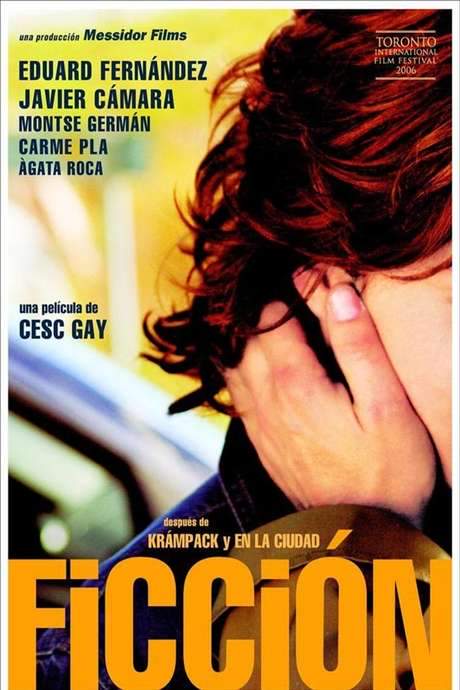
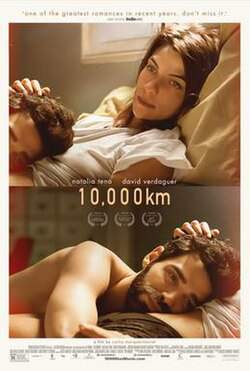
Àlex, Eduard Fernández, a shy and reserved filmmaker suffering from screenwriter's block, escapes to a village in the Pyrenees to stay with his old friend Santi Javier Cámara, who has a cabin there. The quiet setting soon becomes a stage for old ties to surface, and the pair find themselves navigating new emotional territory away from the city’s expectations.
Together the two friends go to have dinner with Santi's lesbian neighbor, Judith Carme Pla, who in turn is receiving the visit of Monica Montse Germán, a violinist. At Judith's house an attraction begins to spark between Eduard Fernández’s Àlex and Monica, emerging almost imperceptibly over the dinner table when Monica identifies with the character that Àlex describes as the protagonist of his next film project. The moment is delicate, curious, and charged with unspoken possibility, and the two part of the evening knowing there is more to say than either is willing to admit.
The friendship between Monica and Àlex deepens when they go horseback riding, the ride offering a rare chance to connect more honestly about the lives they’ve built. Their bond grows under the open sky, free from the pressures that have defined their daily routines, yet the mountain air also foreshadows the fragility of their feelings. During an excursion to the nearby lakes, Àlex and Monica become separated from Santi and Judith on a mountain walk and are forced to spend a night in a mountain shelter. The wild, unguarded landscape creates a perfect, almost cinematic backdrop for intimacy, and the two find themselves drawn closer by their shared misadventure.
What follows is a meditation on motivation and creative purpose. The unmotivated, 39-year-old Àlex mirrors the protagonist of his own unfinished script, caught between the commercial pressures of his profession and the integrity of his artistic vision. The pair talk about life, not just love, and their conversation deepens into something that feels like a possible future that both know cannot—or perhaps should not—be fully realized. Like Àlex’s unwritten screenplay, their encounter remains a private fiction, brimming with imagined possibility and the ache of what might have been.
Back in the countryside, Silvia Àgata Roca, Àlex's wife, unexpectedly arrives with the couple’s two daughters, and the fragile tension between Àlex and Monica seems to face a sudden, quiet ending. Monica, wandering through town, encounters Àlex’s family as her stay nears its end, and a sense of farewell hangs in the air. Her plans to leave the area the next day press softly against the stubborn pull of the connection she has felt with Àlex.
That morning, still early and unsettled, Àlex—still carrying the weight of his decisions—drives to find Judith and her girlfriend as they escort Monica to the train. On the road, Monica and Àlex finally acknowledge the depth of their feelings: they confess their love for one another and share a passionate kiss, a decisive moment that neither can fully translate into a new life, and then part company to resume their separate lives.
In the end, the film lingers on the tension between now and forever, between the promise of creative rebirth and the reality of adult commitments. The Pyrenees have offered a sanctuary for truth—a place where two people briefly rewrite their own narratives in the language of shared experiences, even as the world around them keeps moving forward. The story remains a gently unfolding testament to proximity, honesty, and the choices that define a life spent between art and longing.
















-FZrHEN3iiPeYcA.jpg)


