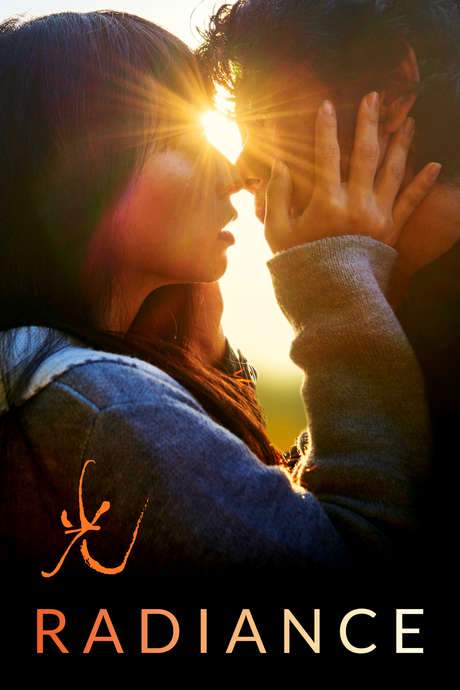
Misako [Ayame Misaki] creates movie audio descriptions that aim to translate every visual detail into words, turning on-screen sights into a narrative for audiences who are blind or visually impaired. Her scripts go beyond simple captions; they are dense, sensory maps that describe settings, colors, textures, movements, and moods with the intention of helping listeners feel present in the scene. The goal is to capture the atmosphere of each moment, not just what appears on the screen, so that the experience becomes accessible without losing the film’s emotional core.
Working with her supervisors and colleagues, she tests a script for a film we’re told early on is deeply moving, conducting a trial run with a focus group of ten blind participants. This group becomes a sounding board that reveals how her descriptions land in real time, highlighting where words illuminate or obscure the on-screen world. The process is meticulous and collaborative, with adjustments made based on how the group interprets the imagery, the pacing, and the emotional beats encoded in the narration. The testers’ reactions become part of the film’s life, shaping how the story is meant to be experienced aloud.
During a pre-premiere screening, Misako encounters Masaya [Masatoshi Nagase], a renowned photographer who is largely without sight. His own work remains tied to the few images he still remembers or can conjure—the setting sun, Misako herself—making his perspective uniquely intimate and exacting. Masaya’s strong will and clear-eyed critique stand out; he becomes the one voice capable of challenging the precision and warmth of Misako’s descriptions. His skepticism pushes her to question whether her careful prose might sometimes feel too exacting or cold, and he inspires others in the room to voice their own critiques as well. This dynamic sets up a compelling tension: the balance between fidelity to what is seen and the need to evoke what is felt.
As the focus groups unfold, their exchanges illuminate the film’s underlying tension between perception and interpretation. Misako, at times defensive, lashes out during a heated moment when Masaya expresses renewed dissatisfaction with her updated script. Yet from this clash emerges a stronger, more nuanced collaboration. The two begin to bridge their differences, discovering a shared willingness to let the audience experience a world that has been previously invisible to their own eyes. Their evolving relationship becomes a conduit for exploring how description can be more than a guide—it can be a doorway to empathy and shared understanding.
Both Misako and Masaya attend the film’s grand premiere with Misako’s script in hand, and the audience’s emotional reactions reflect the power of a well-crafted audio description. However, in the wake of their argument, Misako’s colleague finishes the final version of the script, and it is his voice that overlays the film. This mishmash of voices on the premiere night underscores the collaborative nature of creating accessible cinema and the many hands that contribute to shaping a shared experience. The result moves many audience members to tears, as the narration becomes an intimate thread that ties together sight, sound, and feeling.
In the film’s closing moments, Masaya faces a difficult, almost meditative task: he climbs a small dune. Reaching the top, he stops and faces the setting sun, a quiet, resolute image that echoes the journey he shared with Misako. The ending lingers on the idea that accessibility work—carefully described, thoughtfully voiced, and honestly critiqued—opens up vistas that were once hidden. The movie’s final beat leaves viewers with a sense of reverence for the sensory world and for the connection between two people who learned to hear each other across the divide between sight and imagination.