Plot Explained Spoilers guaranteed!
Plot Explained

Browse by genre

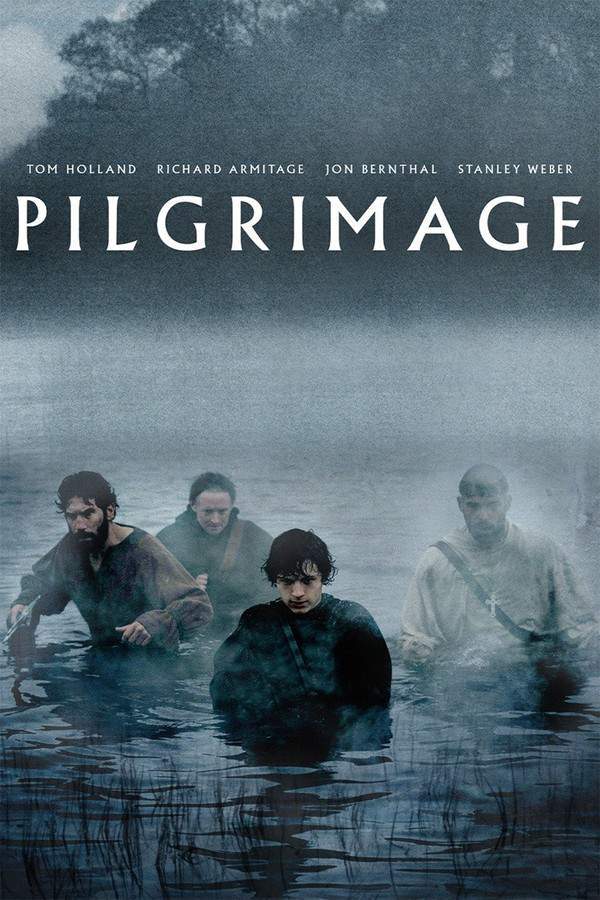
Pilgrimage (2017) movie poster

Plot Summary

Pilgrimage (2017) Plot Summary Explained

Release, runtime and language
2017 · 96 min · English
Echo score 66
JustWatch #3,904 11
Directed by
Brendan Muldowney
Starring
Tom Holland, Jon Bernthal, John Lynch, Richard Armitage, Donncha Crowley, Hugh O'Conor
Budget
$4.7M

In a harsh medieval setting, a band of Irish monks embarks on a dangerous mission to deliver a sacred relic to the Vatican. Their journey takes them through a war-torn land, presenting constant threats and challenges. Facing a brutal environment and relentless adversaries, the monks must rely on their faith, resilience, and the strength of their brotherhood to succeed in their vital quest.

On this page (6)
  1. 1 Where to watch
  2. 2 What happens: full plot
  3. 3 Plot questions answered
  4. 4 Movie threads
  5. 5 Movies like Pilgrimage
  6. 6 Every angle

Where to watch

Where to Watch Pilgrimage (2017)

Where can you watch Pilgrimage? Stream, rent or buy it in the US, including on Philo, Sundance Now and Hoopla: current JustWatch availability with up-to-date prices.

Streaming availability powered by JustWatch

Full plot summary · contains spoilers

What Happens in Pilgrimage: Full Plot Summary

The whole story of Pilgrimage (2017) explained, from the opening scene to the final frame: every key event, every twist and what it all adds up to. Read it as a quick recap before the sequel, to check a scene you missed, or to finally understand what really happened.

In AD 55 Cappadocia, Saint Matthias is dragged in chains by a crowd to be stoned to death, and just as the last stone is about to fly, a crack of lightning shatters the moment, hinting at a power beyond the ordinary.

Fast forward to 1209, in storm-wattered Ireland, where a French Cistercian monk named Frère Geraldus arrives at a remote monastery with a papal charter. The goal is stark and dangerous: to embark on a pilgrimage that will transport their holiest relic to Rome, in the hope that it will bolster the upcoming Fifth Crusade. The monks reluctantly agree, clinging to legend that the relic’s holy power will purge those who lack purity. Among the small band are a multilingual Brother Ciarán and a novice named Diarmuid, joined by a mute laborer. A rainstorm erupts as they travel, and the golden reliquary is struck by lightning but remains unscathed, reinforcing in their eyes the sanctity and power of what they carry.

The Irish landscape is volatile: Norman forces sweep through Gaelic lands, and Geraldus bears the burden of protecting the pilgrims. They reach a Norman encampment led by Baron de Merville, who believes aiding the pilgrims could grant him absolution for cruel acts committed as a crusader. The monks are unsettled by the violence surrounding the Baron's camp, especially by the Baron's son, Raymond de Merville. Geraldus argues that a measure of protection, though harsh, is a necessary evil for their sacred mission. Hidden within the convoy is the shocking truth: the reliquary does not contain the remains of Matthias, but the very stone used to martyr him; the pope imagines its power will fuel a crusade.

A larger caravan, now under Raymond’s command, escorts the monks toward a waiting boat in Waterford. The languages of the group are discordant—Raymond speaks French and the mute labourer seems to be known only to those who speak his tongue—while Brother Ciarán alone communicates in French, leaving the others in the dark about some of the tensions beneath the surface. A brutal setback arises when a bridge is found burned and its guards dead, prompting Raymond to chase after the attackers, leaving a slim guard to watch over the monks.

Ambush follows ambush as Gaelic warriors strike, slaughtering soldiers and monks. The Mute cries out a protective instinct as a sling stone strikes and knocks him unconscious, but he later reawakens with a fallen sword in hand, slaying Gaels and even killing their chieftain. Geraldus interprets this brutal, violent defense as holy wrath on the Gaels for desecrating the relic, and the two young monks, Diarmuid and Cathal, witness a transformation of their journey into something grimmer and more perilous. They choose to pursue the relic, reasoning that it is too dangerous to wait for Raymond’s men to rescue them.

The Mute tracks the stolen cart and the missing reliquary, silently eliminating a Gaelic scout and locating the Irish camp, where Brother Ciarán is bound hostage to a tree. Diarmuid pleads to rescue Ciarán, but Geraldus insists their sacred duty lies with the relic itself, arguing that Ciarán would likely say the same if the positions were reversed. Diarmuid volunteers to slip into the camp after nightfall to reclaim the relic, even if it means leaving the ornate reliquary behind with the Gaels.

As the plan unfolds, Raymond and his lieutenants descend on the camp for the relic, revealing their true motive: they have hired the Gaels to slay the pilgrims so that King John of England can seize the relic instead of the Pope. In a quiet moment of truth, Ciarán reveals that he threw the reliquary from the cart before he and the cart were captured, urging Diarmuid to find the relic and leave him to his fate. Devastated, Diarmuid leaves his mentor to face the consequences.

The monks manage to escape as Raymond discovers the reliquary’s emptiness. Ciarán refuses to reveal its location, and Raymond kills him brutally with a grim, multi-pronged barb after Ciarán calls on Jesus. The relic’s disappearance deepens the peril, but the monks recover the empty reliquary’s hollow home and press on. Dawn breaks as horns sound in the distance, and a fog-shrouded river appears as a possible lifeline. Geraldus proclaims that the divine sign must be read as permission to continue, and the monks race toward the water, praying for deliverance.

At the river, the ferrymen bring a glimmer of hope. Geraldus proposes that the Mute should murder the ferrymen to clear a path, but Brother Cathal negotiates with the pearls he recovered from the reliquary, trading them to secure a crossing. The boat carries them toward the coast, yet the tide is too shallow to pass. Raymond and his men close in from behind, and the ferrymen, fearing their own danger, cast cargo overboard and push the boat through the shallows. Geraldus, speaking French, convinces the Mute to stall the pursuers and buy the pilgrims time to escape, arguing that God will forgive the Crusader’s sins, no matter how great.

In a brutal confrontation, the Mute fights Raymond and his soldiers. He defeats some but is ultimately overwhelmed as Raymond stabs him with a barbed prong, asking where he comes from. The Mute’s reply is stark and singular: “Hell.” He then bites Raymond’s throat, severing an artery, and advances on the remaining enemy troops with grim resolve. On the boat, Cathal reveals he was struck by the last arrow and collapses. The sound of swords clashing on the shore echoes as Geraldus explains that the relic’s power would inspire thousands to wield holy violence. Disturbed, Diarmuid hesitates at the edge of the vessel and contemplates discarding the relic. Geraldus resists, and in a final struggle, he plunges overboard with the relic as Diarmuid watches in horror.

The ferryman’s question—“Where to now?”—lingers as the survivors drift away. The camera lingers on the boat, and a supernatural light bathes the vessel, suggesting that God’s will has been fulfilled even as the fate of the relic remains ambiguous. The film closes on the quiet, unsettled note that the sacred power once believed to save may have already changed everything in unexpected, irreversible ways.
Last updated: October 09, 2025 at 16:22

Was this helpful?

Plot questions answered

Pilgrimage Plot Explained: Your Questions Answered

The questions people ask most about Pilgrimage (2017): what happens in the confusing scenes, why the characters do what they do, the twists, hidden details and what the ending means. Each answer contains spoilers.

Q1

What is inside the reliquary the monks are carrying?

The reliquary does not contain the remains of Saint Matthias as everyone believes. Instead, it holds the actual stone used to martyr him. The Pope commissioned this pilgrimage believing the stone's holy power could inspire crusaders for the Fifth Crusade, mixing religious reverence with political military ambitions.

Foreshadowing: The opening scene shows Matthias's martyrdom interrupted by lightning, establishing the stone's supernatural significance before its true nature is revealed.

  • reliquary
  • saint matthias
  • relic
  • stone
  • martyrdom
  • pope
  • fifth crusade
Q2

Why does Raymond de Merville betray the monks?

Raymond betrays the monks not for religious reasons but for political power. He reveals that he hired the Gaelic warriors to murder the pilgrims so that King John of England can seize the relic instead of delivering it to the Pope. This betrayal serves English royal interests rather than the Church's.

Foreshadowing: Early signs include Raymond's violent nature unsettling the monks and his command of the convoy despite being a secular soldier.

  • raymond de merville
  • betrayal
  • king john
  • gaels
  • english
Q3

What happens to Geraldus at the end of the film?

Geraldus fights Diarmuid over the relic as Raymond's men close in, and he plunges overboard with it into the ocean. He drowns with the relic, sacrificing himself rather than letting it fall into enemy hands. His fate remains ambiguous but suggests a form of religious martyrdom.

Foreshadowing: Geraldus repeatedly argues that the sacred mission justifies harsh measures, foreshadowing his ultimate self-sacrifice.

  • geraldus
  • overboard
  • drowning
  • sacrifice
  • relic
  • ocean
Q4

Why does Geraldus ask the Mute to kill the ferrymen?

Geraldus urges the Mute to murder the ferrymen to clear a path for escape, arguing that God will forgive any sins committed in service of the sacred mission. This reveals Geraldus's pragmatic view that divine goals justify brutal means, even murder.

Foreshadowing: Geraldus previously justified Raymond's harsh protection as a necessary evil, showing his willingness to accept violence for religious purposes.

  • geraldus
  • ferrymen
  • murder
  • sins
  • forgiven
Q5

Where is the Mute from and why can't he speak?

The Mute's origin remains mysterious throughout the film. When asked where he comes from during the final battle, he replies simply: "Hell." This cryptic answer suggests a violent, traumatic past that has rendered him mute, possibly as a result of severe trauma or divine intervention.

Foreshadowing: The Mute's silent presence and fierce combat abilities hint at a warrior background before joining the monastery.

  • mute
  • hell
  • origin
  • speak
  • warrior
Q6

Why does Raymond kill Ciarán?

Raymond kills Ciarán because the monk refuses to reveal where the relic is hidden. After Ciarán reveals he threw the relic from the cart before capture, Raymond tortures him with a multi-pronged barb. Ciarán maintains his loyalty to the monks even as he dies, calling on Jesus as his final words.

Foreshadowing: Ciarán's multilingual skills and knowledge of French position him as a key figure whom Raymond would target for information.

  • ciarán
  • raymond
  • killed
  • torture
  • relic location
Q7

Why does Diarmuid consider throwing the relic into the water?

Diarmuid hesitates because he questions whether the relic's power truly comes from God or simply inspires violence. Witnessing the Mute's brutal fight, Geraldus's extreme actions, and the corruption of the holy mission makes him wonder if continuing to protect the relic serves any sacred purpose.

Foreshadowing: Diarmuid's transformation from novice to hardened survivor mirrors his growing doubts about the journey's spiritual meaning.

  • diamuid
  • relic
  • throw away
  • water
  • doubt
  • faith
Q8

What is the significance of the lightning striking the reliquary?

Lightning strikes the golden reliquary twice, once during the opening martyrdom scene and once during the journey, yet the reliquary remains unscathed. The monks interpret this as divine protection and proof of the relic's holiness. However, the Pope's political manipulation of the relic suggests the "holy power" may be more about inspiring crusader violence than genuine spirituality.

Foreshadowing: The opening lightning crack during Saint Matthias's execution establishes the stone's supernatural context from the very first scene.

  • lightning
  • reliquary
  • divine
  • protection
  • power
Q9

Why does the Pope want the relic for the Fifth Crusade?

Pope Innocent III commissions the pilgrimage believing the relic's holy power will inspire and energize crusaders for the upcoming Fifth Crusade. Rather than purely spiritual reasons, the Pope views the stone as a political and military asset, a symbol that could rally thousands to wage holy war.

Foreshadowing: The papal charter that brings Geraldus to Ireland explicitly links the relic to crusade preparation.

  • pope
  • fifth crusade
  • relic
  • innocent iii
  • political
Q10

What happens to the relic at the end?

The relic sinks to the ocean floor when Geraldus plunges overboard with it during the final struggle. The film ends with the survivors drifting toward an uncertain fate while a supernatural light bathes their boat. This ambiguous ending suggests divine will may have been fulfilled regardless of human plans or the relic's physical location.

Foreshadowing: Earlier dialogue establishes that the relic's "holy power" would inspire thousands to violence, making its loss both tragic and potentially liberating.

  • relic
  • sinks
  • ocean
  • divine will
  • ending
  • ambiguous

Movie threads

More Movies Like Pilgrimage, by Mood & Story

Curated lists built around what makes Pilgrimage tick: the same mood, the same kind of story or the same emotional payoff. Each list explains why these movies belong together.

Brutal Journeys of Faith like in Pilgrimage

Sacred missions become deadly struggles against nature and human nature. Explore movies like Pilgrimage where a sacred quest becomes a fight for survival. These films feature intense, faith-driven journeys through harsh landscapes, exploring themes of devotion, brutality, and the moral cost of carrying a holy burden. If you liked the desperate pilgrimage in Pilgrimage, you'll find similar stories here.

  • grim
  • faith-driven
  • brutal
  • desperate
  • atmospheric
  • oppressive
  • Tone: dark, grim, somber
  • Pacing: steady, relentless
Why these movies?

The story pattern: Stories in this thread center on a linear, physical journey undertaken for a deeply spiritual or moral reason. The path is fraught with external dangers and internal crises of faith. The narrative structure is often a steady progression toward a goal, with each challenge stripping away idealism and forcing characters to confront the grim reality of their mission.

Why they belong together: Movies are grouped here for their shared focus on a perilous, faith-based mission in a brutal setting. They combine high intensity, a dark tone, and heavy emotional weight, creating a cohesive experience of a spiritual ordeal where the line between devotion and fanaticism is constantly blurred.

Grim Medieval Survival Stories like in Pilgrimage

Stories of endurance in a violent, unforgiving historical era. Find movies similar to Pilgrimage that capture the gritty, violent struggle for existence in the Middle Ages. These films focus on survival, Brotherhood under extreme duress, and the bleak reality of a war-torn world. If you appreciated the harsh medieval setting and desperate survival of Pilgrimage, this thread is for you.

  • grim
  • oppressive
  • violent
  • brutal
  • atmospheric
  • desperate
  • Tone: dark, brutal, oppressive
  • Pacing: steady, tense
Why these movies?

The story pattern: The narrative pattern involves a group or individual navigating a landscape defined by conflict and deprivation. The plot is driven by immediate physical threats—starvation, enemy forces, the elements—forcing characters into difficult moral choices. The journey is often internal as well, charting a loss of innocence or the hardening of a spirit in the face of relentless hardship.

Why they belong together: These films share a powerfully grim and atmospheric medieval setting where the primary conflict is survival itself. They are united by a dark tone, high intensity from constant threat, and a heavy emotional weight derived from the brutal depiction of life in a historical period defined by its violence and hardship.

If you liked this

Movies Like Pilgrimage

Similar movies to Pilgrimage: the same genre, themes or kind of story. Each one comes with its own plot summary, timeline and ending explained.

Browse all movie summaries

Every angle

Pilgrimage (2017) Explained: Plot, Timeline & Characters

Everything about Pilgrimage in one place: what happens in the plot summary, the timeline in chronological order, the characters and meaning and a spoiler-free summary. What's After the Movie adds the cast, box office and post-credit scenes.

Coming soon on iOS and Android

The Plot Explained Movie Summary App

Plot summaries, endings explained and timelines on your phone. Catch up on any movie in minutes, save your favorites and never miss a twist again.

Be the first to know when we launch. Your email stays private, always.

Learn more about the app