Plot Explained Spoilers guaranteed!
Plot Explained

Browse by genre

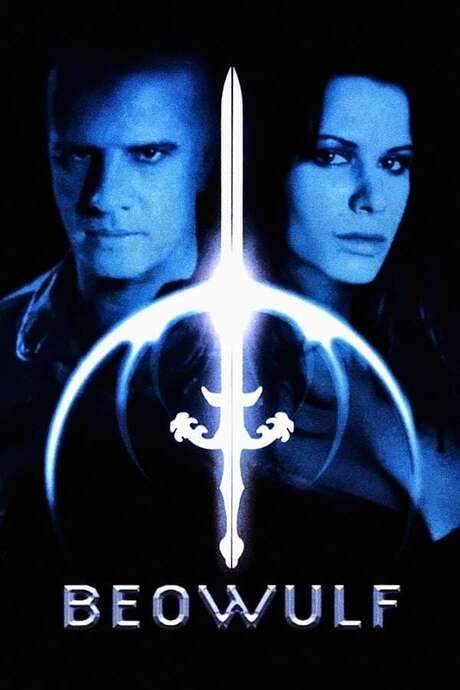
Beowulf (1999) movie poster

Plot Summary

Beowulf (1999) Plot Summary Explained

Release, runtime and language
1999 · 95 mins · English
Directed by
Graham Baker
Starring
Christopher Lambert, Rhona Mitra, Oliver Cotton, Patricia Velásquez, Roger Sloman, Götz Otto

A wandering hero discovers the legend of Grendel, a nocturnal man‑eater that stalks the Outpost, preying on trapped warriors. The Outpost is ruled by Hrothgar, whose daughter is haunted by the suspicion that her husband was slain by the Outpost’s master of arms.

On this page (7)
  1. 1 Where to watch
  2. 2 What happens: full plot
  3. 3 Plot questions answered
  4. 4 The book behind the movie
  5. 5 Movie threads
  6. 6 Movies like Beowulf
  7. 7 Every angle

Where to watch

Where to Watch Beowulf (1999)

Where can you watch Beowulf? Stream, rent or buy it in the US, including on Hoopla, Xumo Play and Amazon Video: current JustWatch availability with up-to-date prices.

Streaming availability powered by JustWatch

Full plot summary · contains spoilers

What Happens in Beowulf: Full Plot Summary

The whole story of Beowulf (1999) explained, from the opening scene to the final frame: every key event, every twist and what it all adds up to. Read it as a quick recap before the sequel, to check a scene you missed, or to finally understand what really happened.

A castle-like outpost stands on a precarious edge, nightly raids by a creature named Grendel terrorizing the fences and towers, yet curiously sparing border lord Hrothgar [Oliver Cotton]. The calm is broken when one of the outpost’s residents, Pendra [Patricia Velásquez], escapes the next morning but is soon captured by a rival siege line intent on stamping out the outpost’s supposed evil. Into this maelstrom rides a mysterious warrior named Beowulf, [Christopher Lambert], who rescues Pendra and joins her for a dangerous journey toward the outpost. Yet when she realizes Beowulf’s true aim is to reach the fortress itself, she tears away and is tragically killed, a moment that sets the tone for the blood-soaked nights ahead.

Beowulf travels to meet Hrothgar [Oliver Cotton], and is granted leave to stay and help fight the encroaching threat. The ruler’s inner circle is wary: Kyra [Rhona Mitra], Hrothgar’s daughter, and Roland [Götz Otto], his trusted commander, doubt Beowulf’s motives, wondering if he has been sent by a rival clan seeking vengeance for a lost son, Nivri, Kyra’s former husband. Yet Kyra’s initial suspicion softens as Beowulf proves himself capable of sensing evil in the deepest shadows, a trait that hints at a darker lineage within him. The siege tightens its grip, and for a few nights, Hrothgar endures nightmares of his late wife’s suicide, haunted by a mysterious woman who stalks him in his sleep.

When Grendel attacks again in the daylight, Beowulf and the remaining soldiers must defend the outpost and evacuate women and children to a sanctuary, only to watch Grendel slaughter the evacuees and turn the tide of fear into raw, brutal reality. Beowulf manages to wound the monster, but he bears his own wounds in the process. As Kyra tends to him, Roland confesses his romantic feelings for her; she replies that she sees him only as a brother. In the aftermath, Kyra reveals that Nivri was abusive and that she killed him when he forced himself on her, a truth Beowulf accepts as a justification rather than a crime. With Beowulf now wounded again yet resolute, he faces Grendel once more and rips the monster’s arm from its body, the outpost’s survivors briefly tasting victory before a darker fate looms.

The celebration is short-lived as Grendel’s mother enters the scene via a cunning ruse, luring Roland away and killing him. Kyra’s affection deepens, and she opens up to Beowulf about her history, including the brutal truth of her failed marriage. Their bond intensifies, and Beowulf shares a fearsome truth about his own nature: he is half-human, a product of a mother who was once impregnated by Bael, and his only way to keep his inner evil in check is to continually fight evil. He confides in Kyra that this struggle is the reason he travels, not to conquer but to restrain the darkness within.

Beowulf senses the lingering, unsettling presence of the mysterious woman and races to confront her, only to discover that she is Grendel’s mother. The revelation that Hrothgar is father to Grendel’s lineage casts the siege in a new, damning light, explaining why Grendel spared the king earlier and how Hrothgar’s faithlessness and past choices echo through the present danger. The confrontation turns brutal as Grendel’s mother tries to bend Beowulf’s will toward a seductive path of inner evil, a test he ultimately resists, rejecting the demonic lure and delivering a final, devastating blow to the monster.

The battle collapses the outpost around them, forcing Beowulf and Kyra to flee as the structure slowly sinks into ruin. In a moment of grim resolve, Kyra persuades Beowulf to let her accompany him on his journeys, choosing partnership over doubt and grief. The epic struggle resolves into a hard-won survival, a testament to courage, betrayal, and the complicated threads that connect a hero to the shadows he fights. Throughout, the fragile line between protector and predator, love and duty, is tested, leaving Beowulf and Kyra to chart a perilous path beyond the walls of the shattered fortress, toward an uncertain future together.

Last updated: October 05, 2025 at 11:31

Was this helpful?

Plot questions answered

Beowulf Plot Explained: Your Questions Answered

The questions people ask most about Beowulf (1999): what happens in the confusing scenes, why the characters do what they do, the twists, hidden details and what the ending means. Each answer contains spoilers.

Q1

Why does Grendel spare Hrothgar's life during the attacks?

Grendel spares Hrothgar because Hrothgar is actually the father of Grendel's lineage. This family connection explains why the monster targeted the outpost and its soldiers but never harmed the king. The reveal comes when the mysterious woman haunting Hrothgar is revealed to be Grendel's mother, who tells Beowulf that Hrothgar is father to her children.

Foreshadowing: Earlier in the film, Hrothgar experiences nightmares about his late wife's suicide and is haunted by the mysterious woman, hinting at his past infidelity.

  • grendel
  • hrothgar
  • family connection
  • mercy
  • outpost
Q2

What is Beowulf's connection to the demon Bael?

Beowulf is half-human, born to a mother who was impregnated by the demon Bael. He reveals to Kyra that he must continuously fight evil to keep his own inner darkness in check. This is why he travels from place to place seeking monsters to battle, not to conquer, but to restrain the demonic nature that runs through his blood.

Foreshadowing: Kyra senses an underlying evil in Beowulf when they first meet, and his ability to sense evil in the deepest shadows hints at his supernatural heritage.

  • beowulf
  • bael
  • demon
  • bloodline
  • half-human
  • darkness
Q3

Why did Kyra kill her husband Nivri?

Kyra reveals that Nivri was abusive and that she killed him after he forced himself on her. When she confesses this truth to Beowulf while he recovers from his wounds, he accepts her actions as justified rather than a crime. This revelation explains her initial wariness around Beowulf and the suspicious attitudes of Roland and Hrothgar.

Foreshadowing: Early in the film, Hrothgar's inner circle suspects Beowulf may have been sent by a rival clan seeking vengeance for their lost son Nivri.

  • kyra
  • nivri
  • abuse
  • killing
  • justified
  • marriage
Q4

Who is the mysterious woman stalking Hrothgar in his nightmares?

The mysterious woman is Grendel's mother, a demonic succubus-like creature. SheHaunts Hrothgar both in his dreams and in the waking world, eventually luring Roland to his death. She reveals herself to Beowulf during the climactic confrontation, explaining her connection to Hrothgar through his past infidelity.

Foreshadowing: Hrothgar is haunted by nightmares of his late wife's suicide, triggered by the stalker woman, hinting at a connection between his unfaithfulness and the current threat.

  • mysterious woman
  • grendel's mother
  • succubus
  • hrothgar
  • nightmares
Q5

Why must Beowulf continuously fight evil?

Beowulf must fight evil constantly because he is half-demon, born of Bael's bloodline. His inner darkness is always present, and the only way he can keep it in check is by fighting external evil. If he stops fighting, the darkness within him would consume him. This is the driving force behind his wandering lifestyle and his decision to help the outpost.

Foreshadowing: Beowulf demonstrates an uncanny ability to sense evil in the deepest shadows, a trait that marks him as different from ordinary warriors.

  • beowulf
  • evil
  • fight
  • darkness
  • demon
  • bael
Q6

Why does Roland die in the film?

Roland is lured away by Grendel's mother and killed shortly after Beowulf severs Grendel's arm. The victory celebration is cut short when the mysterious woman (Grendel's mother) tricks Roland into following her alone. His death adds to the film's toll of casualties and underscores the psychological manipulation tactics of Grendel's mother.

Foreshadowing: Grendel's mother has been using her seductive presence to stalk and manipulate Hrothgar throughout the film, foreshadowing her ability to lure other characters.

  • roland
  • death
  • lured
  • grendel's mother
  • trap
Q7

What does Grendel's mother want from Beowulf?

Grendel's mother tries to seduce Beowulf to the side of evil, attempting to bend his will toward his inner demonic nature. She offers him a path of embracing his darkness rather than resisting it. Beowulf ultimately rejects this lure, choosing to remain human and good, which leads to his final battle with her.

Foreshadowing: After learning Beowulf's true nature, Kyra wonders if he will be tempted by the same darkness he fights, setting up this thematic test.

  • grendel's mother
  • seduction
  • temptation
  • beowulf
  • evil
  • darkness
Q8

Why does Kyra ask to join Beowulf at the end?

After the outpost collapses and they escape together, Kyra persuades Beowulf to let her accompany him on his journeys. She chooses partnership over remaining in the ruined fortress, seeking a new purpose beyond the grief and loss she experienced. Their bond, formed through shared vulnerability and trust during the crisis, motivates her to leave everything behind.

Foreshadowing: Kyra and Beowulf's intimate moment earlier creates emotional connection, and she has already shown independence by killing her abusive husband.

  • kyra
  • beowulf
  • journey
  • ending
  • partnership
  • escape
Q9

Why does Grendel attack the sanctuary and kill the evacuees?

Grendel attacks the sanctuary during the daytime evacuation, slaughtering the women and children who had been sent there for safety. This attack turns the tide of fear into raw, brutal reality, showing that no place is truly safe from the monster. The massacre also wounds Beowulf physically while he manages to wound Grendel, demonstrating the high cost of resistance.

Foreshadowing: The evacuation was ordered specifically because Grendel had never attacked in daylight before, making this daytime assault an unexpected and devastating escalation.

  • sanctuary
  • massacre
  • evacuation
  • grendel
  • killing
  • attack
Q10

Why did Hrothgar's wife commit suicide?

Hrothgar's wife committed suicide due to Hrothgar's infidelity with Grendel's mother. The affair produced the offspring that became Grendel and his mother, and the shame and psychological torment of this betrayal drove Hrothgar's wife to take her own life. This tragedy is the root cause of the entire siege, as the demonic children returned to destroy Hrothgar's domain as revenge for his unfaithfulness.

Foreshadowing: Hrothgar is haunted by nightmares of his late wife's suicide throughout the film, and the stalker woman appears in his sleep, connecting his guilt to the present threat.

  • hrothgar
  • wife
  • suicide
  • infidelity
  • affair
  • grendel's mother

Movie threads

More Movies Like Beowulf, by Mood & Story

Curated lists built around what makes Beowulf tick: the same mood, the same kind of story or the same emotional payoff. Each list explains why these movies belong together.
Gothic siege horror movies like Beowulf

Brutal survival stories set in decaying, monster-besieged fortresses. If you liked the grim atmosphere of Beowulf, explore more movies like it. This thread features similar dark fantasy and horror stories set in decaying fortresses under siege, where survival comes at a brutal cost against monstrous threats.

  • gothic
  • brutal
  • oppressive
  • claustrophobic
  • epic
  • anxious
  • Tone: dark, grim, oppressive
  • Pacing: fast, relentless
Why these movies?

The story pattern: The narrative typically involves a group, often led by a flawed hero, defending a fortress or outpost from a monstrous threat. The physical siege mirrors internal moral decay, with paranoia, betrayal, and dark secrets threatening to destroy the defenders from within as much as the enemy from without.

Why they belong together: These movies are grouped by their shared setting of a besieged stronghold, a dark and oppressive gothic tone, high-intensity action-horror sequences, and themes of survival against overwhelming, often supernatural, odds.

Movies about flawed heroes and inherited sin like Beowulf

Protagonists haunted by a dark past or a monstrous lineage they must overcome. Fans of Beowulf's half-demon hero will enjoy these similar movies. Discover stories about protagonists struggling with a dark legacy or inner monster, where the fight for redemption is as brutal as the battle against external evil.

  • grim
  • melancholic
  • brutal
  • epic
  • anxious
  • redemption
  • Tone: dark, melancholic, morally complex
  • Pacing: fast, character-driven
Why these movies?

The story pattern: The central character's journey is defined by confronting a legacy of evil, whether it's a literal demonic ancestry or the psychological burden of past sins. The external conflict with a monster or villain often serves as a metaphor for this internal struggle, culminating in a victory that is pyrrhic and deeply personal.

Why they belong together: These films are united by the archetype of the tormented hero grappling with a dark inheritance, a heavy emotional weight, a consistently dark tone, and narratives where personal redemption is inextricably linked to the fantastical central conflict.

If you liked this

Movies Like Beowulf

Similar movies to Beowulf: the same genre, themes or kind of story. Each one comes with its own plot summary, timeline and ending explained.

Browse all movie summaries

Every angle

Beowulf (1999) Explained: Plot, Timeline & Characters

Everything about Beowulf in one place: what happens in the plot summary, the timeline in chronological order, the characters and meaning and a spoiler-free summary. What's After the Movie adds the cast, box office and post-credit scenes.

Coming soon on iOS and Android

The Plot Explained Movie Summary App

Plot summaries, endings explained and timelines on your phone. Catch up on any movie in minutes, save your favorites and never miss a twist again.

Be the first to know when we launch. Your email stays private, always.

Learn more about the app