Year: 2016
Runtime: 133 mins
Language: Russian
Director: Andrey Kravchuk
In the early Middle Ages, a clan is torn by discord following the accidental death of a brother. The Grand Duke bears the guilt, and the law dictates that revenge must be taken by his younger, illegitimate brother. Faced with a moral conflict, the younger brother risks losing everything for refusing to comply with the brutal tradition, highlighting the harsh realities of the time and the belief that maintaining peace often requires more violence than war.
Find where to stream, rent, or buy Viking (2016) in the US with current JustWatch availability, up-to-date pricing, and platform listings for subscription, rental, and digital purchase options.
Warning: spoilers below!
Haven’t seen Viking yet? This summary contains major spoilers. Bookmark the page, watch the movie, and come back for the full breakdown. If you're ready, scroll on and relive the story!
Read the complete plot breakdown of Viking (2016), including all key story events, major twists, and the ending explained in detail. Discover what really happened, and what it all means.
After the death of grand prince Svyatoslav I, Yaropolk, Oleg, and Vladimir inherit the burden of rule over Kievan Rus'. While traveling toward Polotsk, a hunting party led by Lyut crosses paths with a rival group led by Oleg. Oleg has the chance to strike first at an aurochs, but when he hesitates, Lyut kills the animal instead. In a flash of rage, Oleg murders Lyut and pursues his men, colliding with Yaropolk's main force. Sveneld tries to defuse the growing dispute, but Yaropolk's men press the confrontation. The gates of Polotsk close against Oleg, and when he attempts to force a breakthrough along the causeway, he falls and dies. Polotsk's lord Rogvolod closes the gates, and Sveneld's attempts to intervene fail, forcing Yaropolk to reconsider how to mete out Lyut's death. In the end, Sveneld escapes punishment and flees.
In the summer, Sveneld returns to Polotsk with Vladimir and his retinue of Viking mercenaries. Vladimir intends to marry Rogvolod's daughter Rogneda, but she rebuffs him, accusing him of using the alliance to seize Polotsk's soldiers and calling him the son of a slave—an insult that inflames his pride. Furious over the slight to him and his mother, Vladimir lays siege to Polotsk. When the Vikings demand a bold strike, they persuade him to drink their berserker potion to prove himself. Under its spell, he leads a brutal assault and, urged by the Vikings, he rapes Rogneda. After the raid, he discovers Rogvolod and his wife are dead, yet he manages to spare Rogneda, and his action seems to haunt him more than the executions.
The war party travels to Kyiv to bring Yaropolk's death to account. Kyiv is empty, and Yaropolk has fled with the treasury. Yaropolk's Christian wife Irina facilitates a negotiation between the brothers, with Vladimir proposing a peaceful solution. Yaropolk arrives in good faith, but is assassinated by two Vikings. Vladimir's complicity remains unclear, and Sveneld proclaims Vladimir the new grand prince. Varyazhko, loyal to Yaropolk, swears revenge and gathers a large Pecheneg host to challenge Vladimir. Facing financial strain, Vladimir cannot pay his mercenaries, who grow restive, and the city under siege endures repeated assaults. Desperately, Kyiv's inhabitants, including Rogneda, attempt a sacrificial ritual to the gods, seeking aid for Fyodor—the son of Vladimir's warrior Fyodor. Both Fyodor and his infant son die when Vladimir does not intervene. Eventually, Vladimir agrees to a parley, but the Pechenegs attack, dealing heavy losses to his loyalists. In the face of this threat, emissaries from the Byzantine Empire arrive and offer support, and the combined forces stall the rebellion.
Realizing Kyiv's defenses are formidable, Vladimir orders the destruction of the Roman aqueduct to starve the invaders. While the plan unfolds, Varyazhko and the Pechenegs attack, and the Vikings unleash a bold counterstrike by rolling longships down the hill and into the attackers. This daring move helps turn the battle in Vladimir's favor. He defeats Varyazhko, insists on his own innocence in Yaropolk's death, and spares him. With the rebels exposed, the invaders retreat, and the water supply is cut, forcing the rebels to surrender. Vladimir meets the bishop Anastas, and the spiritual counsel leads him to open up about his guilt—Yaropolk's death, Rogvolod's destruction, and Fyodor's death, as well as Rogneda's rape. Anastas absolves Vladimir of his sins and, moved by the Christian promise of forgiveness, inspires him to abandon killing and embrace Christianity for the Rus. The story closes with a mass baptism in the Dnieper, signaling a new faith for the people.
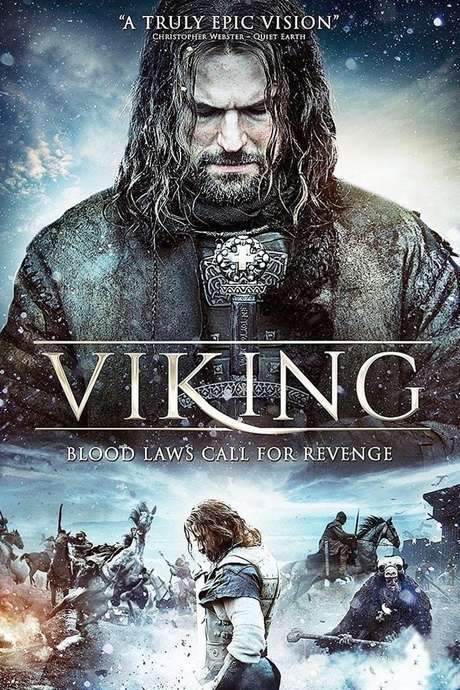
Last updated: October 09, 2025 at 15:52
Explore frequently asked questions about Viking (2016) with spoiler-rich answers covering the full plot summary, major story beats, character motivations, hidden details, and ending meaning. This movie summary FAQ helps explain confusing scenes, plot twists, and narrative decisions in clear, searchable detail.
Oleg kills Lyut in a sudden rage during an aurochs hunt. When Oleg hesitates to strike the animal, Lyut takes the opportunity and kills it instead. This insult to Oleg's honor triggers him to murder Lyut on the spot, setting off the chain of events that follows.
Oleg attempts to force his way into Polotsk after being denied entry, but during the attempt to breakthrough along the causeway, he falls from his horse and dies. Lord Rogvolod keeps the gates closed, leaving Oleg dying outside the city.
The earlier confrontation at the hunt directly leads to Oleg's death at Polotsk's gates.
Yaropolk orders Sveneld to answer for Lyut's murder since Lyut was under his command. However, Sveneld successfully thwarts the punishment and flees Polotsk, later allying with Vladimir against Yaropolk.
Rogneda openly refuses Vladimir's marriage proposal and publicly insults him by calling him the son of a slave. This grave insult to Vladimir and his mother enrages him, leading him to lay siege to Polotsk.
The Vikings pressure Vladimir to drink their berserker potion to prove himself before the assault. Under its influence and their encouragement, Vladimir leads a brutal attack on Polotsk and rapes Rogneda. He later shows remorse when he discovers Rogvolod and his wife have been killed.
Yaropolk arrives in Kyiv in good faith for negotiations arranged by his Christian wife Irina. Two Vikings murder him during the meeting. Vladimir's direct involvement remains unclear, though his cousin Sveneld proclaims him the new grand prince immediately after.
Varyazhko was loyal to Yaropolk and swears revenge after Yaropolk's assassination. He uses the treasury to recruit a large Pecheneg army and becomes Vladimir's primary challenger, leading the rebellion against his rule.
During the siege, Kyiv's inhabitants including Rogneda attempt a pagan sacrificial ritual to save Fyodor's son. Vladimir deliberately refuses to intervene, allowing both Fyodor and his infant son to die. His inaction reflects rejection of the old gods.
Vladimir orders the destruction of the Roman aqueduct to cut off Kyiv's water supply and weaken the rebel forces. When Varyazhko and the Pechenegs launch their attack during the operation, Vladimir's Vikings counter by rolling longships down the hill into the attackers, turning the battle in his favor.
After defeating Varyazhko, Vladimir confesses to Bishop Anastas, revealing his guilt over Yaropolk's murder, the deaths of Rogvolod and Fyodor, and the rape of Rogneda. Anastas absolves him, and the promise of Christian forgiveness moves Vladimir to abandon violence and convert.
Bishop Anastas absolves Vladimir of his many sins, offering him the Christian promise of forgiveness. Moved by this mercy after years of bloodshed and guilt, Vladimir chooses to abandon killing and embrace Christianity, leading to the mass baptism of the Rus.
Discover curated groups of movies connected by mood, themes, and story style. Browse collections built around emotion, atmosphere, and narrative focus to easily find films that match what you feel like watching right now.
Epic tales of violent succession and moral compromise in harsh historical settings.Looking for movies like Viking? This thread gathers historical epics defined by their brutal violence and morally complex power struggles. If you enjoyed the grim depiction of medieval succession wars and the high-stakes political tension in Viking, you'll find similar stories here.
The narrative typically follows a central figure thrust into a violent contest for a throne, kingdom, or legacy. The journey is linear and driven by conflict, forcing the protagonist to commit increasingly dark acts, questioning their own morality in the process. The story unfolds through epic battles, betrayals, and the harsh enforcement of tradition.
Movies are grouped here for their shared commitment to depicting the unvarnished brutality of historical conflict, their high emotional and violent intensity, and their exploration of the moral decay that often accompanies the pursuit of power.
Protagonists who achieve a hard-won spiritual peace after a path of bloodshed.Discover movies with endings similar to Viking, where victory comes at a great personal cost and is followed by a profound, bittersweet resolution. If you were moved by the protagonist's difficult path from brutal warlord to a figure seeking spiritual peace, explore these stories of hard-won redemption.
The narrative arc follows a protagonist who becomes deeply morally compromised by their actions, which are necessary within the context of their world's brutal rules. The story builds towards a final act where physical conquest is paired with a spiritual or ideological transformation, resulting in an ending that feels both hopeful and mournful for all that was destroyed to reach it.
These films are connected by a specific emotional and narrative pattern: a heavy, violent journey that culminates in a bittersweet ending where a form of peace or redemption is achieved, but the scars of the journey remain deeply felt.
Don't stop at just watching - explore Viking in full detail. From the complete plot summary and scene-by-scene timeline to character breakdowns, thematic analysis, and a deep dive into the ending - every page helps you truly understand what Viking is all about. Plus, discover what's next after the movie.
Track the full timeline of Viking with every major event arranged chronologically. Perfect for decoding non-linear storytelling, flashbacks, or parallel narratives with a clear scene-by-scene breakdown.
Discover the characters, locations, and core themes that shape Viking. Get insights into symbolic elements, setting significance, and deeper narrative meaning - ideal for thematic analysis and movie breakdowns.