Plot Explained Spoilers guaranteed!
Plot Explained

Browse by genre

Picture Bride (1994) movie poster

Timeline

Picture Bride (1994) Timeline Explained – Every Event in Order

Release, runtime and language
1994 · 94 mins · English
Loading streaming availability…
Directed by
Kayo Hatta
Starring
Toshirô Mifune, Youki Kudoh, Akira Takayama, Tamlyn Tomita, Cary-Hiroyuki Tagawa, Warren Fabro

Riyo, an orphaned 17‑year‑old, sails from Yokohama to Hawaii in 1918 to marry Matsuji, a man she has never met. Expecting a fresh start, she is shocked to find her husband twice her age, leaving her despondent and isolated. In the foreign island she befriends Kana, a young mother who offers compassion and guidance, helping Riyo come to terms with her unforeseen circumstances and gradually find a place in her new life.

On this page (6)
  1. 1 Where to watch
  2. 2 Events in order (13)
  3. 3 Timeline questions answered
  4. 4 Movie threads
  5. 5 Movies like Picture Bride
  6. 6 Every angle
Loading streaming availability…

13 events in order · contains spoilers

Picture Bride Timeline: Events in Chronological Order

Every key event of Picture Bride (1994) in order, scene by scene, with when and where it takes place. Use it to untangle flashbacks, time jumps and parallel storylines, to refresh your memory before the sequel or to find the exact scene you are thinking of.

  1. Riyo arrives in Hawaii as a picture bride

    She is shown a photo of Matsuji who is twenty years older than her. Her aunt arranges the marriage after her father's death. When she arrives in Honolulu, she participates in a mass ceremony with other picture brides.

    When
    1918
    Where
    Honolulu, Hawaii
  2. A grim welcome and a long journey to the plantation

    After the ceremony, Riyo rides a wagon to a ramshackle house on a sugarcane plantation. She hears a faint singing in the wind from the fields and wonders about its source. Matsuji half jokes that the ghosts of the canefields are welcoming her.

    When
    1918
    Where
    Sugarcane plantation, Hawaii
  3. Riyo begins field work and faces harassment

    On her first day in the fields she is given an ID tag and slows the pace, drawing harassment from Antone the luna. Yayoi and Kana mentor her and help her cope with the demands. Riyo forms a growing friendship with Kana as they work together.

    When
    Early days
    Where
    Sugarcane fields, Hawaii
  4. Kana's backstory of abuse and coping

    Kana reveals that her husband Kanzaki beats her and gambles away money. To escape, Kana walks into the fields at night with her baby and sings to keep up her spirit. Riyo learns more about the harsh life the picture brides endure.

    When
    Early period
    Where
    Fields and workers quarters
  5. Riyo helps with Kana's laundry and saves money

    Riyo takes on additional laundry work for the other workers and saves the earnings in a tin can with the aim of returning to Japan. Matsuji's drinking and gambling grow as he dreams of winning enough money for another bride. Kana advises him to be romantic and to model Rudolf Valentino to win Riyo's heart.

    When
    Mid period
    Where
    Plantation camp and workers quarters
  6. Matsuji resolves to gain another bride and seeks romance

    Matsuji continues to drink and gamble, declaring his plan to win more money to marry another bride. Kana counsels him that romance, not force, will win Riyo, pointing to cinema idols like Valentino as inspiration. The couple's dynamic becomes more strained as the dream persists.

    When
    Evening
    Where
    Matsuji's home
  7. The fire, the field, and the disappearance of Kei

    Antone orders the field to be burned to speed up harvesting, rushing the process. He does not let the women locate their children first, so Kana's baby Kei vanishes in the blaze. Neither mother nor daughter is seen again, echoing the peril in their lives.

    When
    Harvest day
    Where
    Fields during harvest
  8. Strikes discussed as a response to tragedy

    News of the tragedy sparks talk of a strike among the workers. Matsuji asks Riyo to contribute some of her savings to support the effort, but she refuses, still clinging to the hope of returning to Japan someday. The community begins to fray under pressure and fear.

    When
    Post tragedy
    Where
    Plantation camp
  9. Riyo reveals her past and faces a harsh reaction

    One night Riyo follows a singing voice and opens up about the tuberculosis deaths of her parents and the stigma that surrounded it. Her aunt had lied to Matsuji about her status, and Matsuji accuses her of having a secret lover, deepening the rift between them. He turns away, marking a turning point in their relationship.

    When
    Night
    Where
    Under a tree by the fields
  10. Riyo leaves the plantation and meets Kana at the shore

    Feeling betrayed, Riyo gathers her savings and belongings and runs away to the sea. She falls asleep on the shore and is awakened by the sight of Kana, who says she is leaving for Japan. Kana hands Riyo her neck tag and asks her to look after the other girls, then fades into the sea.

    When
    Night
    Where
    Shoreline and ocean
  11. Riyo returns, reconciles with Matsuji

    Riyo wakes, returns to the plantation, and finds Matsuji drunk. She helps him into bed and he remarks that he thought he was alone again. In a quiet moment they reach out and share a hesitant, intimate embrace.

    When
    That night
    Where
    Plantation house
  12. Riyo leads and embraces her new role

    The next day she begins singing in the fields and steps into a mantle of leadership once held by Kana and Yayoi. Antone mocks her, but she persists and grows more confident. Matsuji gifts her a Buddhist altar to honor her parents, acknowledging her past and her place in the community.

    When
    After reconciliation
    Where
    Fields and home
  13. Obon Festival ends the story with a lingering memory

    The workers dance in a circle at a lively Obon Festival, celebrating resilience and community. An older Riyo narrates that she sometimes hears a woman's voice singing, imagining it to be her own daughter's voice in the future. The film closes on a note of memory and hopeful continuity.

    When
    Ending
    Where
    Obon Festival grounds

Last updated: October 05, 2025 at 12:13

Was this helpful?

Timeline questions answered

Picture Bride Timeline Explained: Your Questions Answered

When does it happen, and why in that order? The questions people ask about the chronology of Picture Bride (1994): time jumps, flashbacks, cause and effect between scenes and the correct order of events, each answered with spoilers.

Q1

Why did Riyo agree to marry a man she never met?

Riyo agreed to become a picture bride because she was an orphan with limited options. Her aunt arranged the marriage after her father died, and picture brides were a common way for Japanese women to escape poverty and find stability in Hawaii. She was shown a photo of a younger-looking Matsuji, not knowing he was twenty years older than the portrait suggested.

Foreshadowing: The film establishes early that Riyo has no family left in Japan, making the arranged marriage her only viable path forward.

  • picture bride
  • arranged marriage
  • orphan
  • Japan
  • Hawaii immigration
Q2

What happened to Kana and her baby Kei?

Kana and her baby Kei disappeared during a field fire. Antone, the luna, ordered the cane fields burned to speed up harvesting without first letting the women locate their children. Kana's baby vanished in the blaze, and neither mother nor child was ever seen again, leaving the community devastated.

Foreshadowing: Earlier scenes show Kana sneaking out at night with her baby to escape her abusive husband, foreshadowing the vulnerability of mothers in the camp.

  • Kana
  • Kei
  • fire
  • disappearance
  • plantation tragedy
Q3

Why did Riyo run away from the plantation?

Riyo ran away after Matsuji reacted coldly when she revealed her parents died of tuberculosis and that her aunt had misrepresented her status. Feeling betrayed and unable to face him, she took her savings and fled to the ocean shore, where she fell asleep and had a vision of Kana.

Foreshadowing: The scene where Riyo follows the haunting singing voice earlier establishes her connection to the spiritual or metaphorical realm of the cane fields.

  • Riyo
  • run away
  • ocean
  • tuberculosis
  • betrayal
Q4

What did Kana's appearance at the shore mean?

Kana's appearance at the shore appears to be a vision or spiritual encounter rather than reality. When Riyo wakes, she finds only Kana's neck tag in her hand. This moment represents Kana's spirit passing on and transferring her responsibility to Riyo, asking her to look after the other girls.

Foreshadowing: Kana's mournful singing throughout the film, especially at night in the fields, establishes her connection to a spirit-like presence.

  • Kana
  • vision
  • shore
  • neck tag
  • spirit
Q5

Why did Matsuji react coldly when Riyo told him about her parents?

Matsuji reacted coldly because he felt betrayed by the lies surrounding Riyo's background. Her aunt had misrepresented Riyo's family status, and when Riyo revealed her parents died of tuberculosis, a disease that carried stigma, Matsuji accused her of having a secret lover. His reaction stemmed from shame and feeling deceived, not from the tuberculosis itself.

Foreshadowing: Earlier, Matsuji jokes about the ghosts of the canefields, showing his sensitivity to themes of death and the past.

  • Matsuji
  • tuberculosis
  • reaction
  • shame
  • lying
Q6

Why did Riyo choose to return to the plantation after running away?

After her vision of Kana, Riyo returned because she realized she had no one waiting for her in Japan and no place else to go. Kana's question "Who waiting for you there?" made Riyo confront that her old life was truly over. She also felt a responsibility to the other women Kana had asked her to look after.

Foreshadowing: Her earlier determination to save money for a return ticket to Japan shows her internal conflict about belonging.

  • return
  • plantation
  • belonging
  • responsibility
  • Kana
Q7

What was the significance of Matsuji giving Riyo a Buddhist altar?

Matsuji giving Riyo a Buddhist altar to honor her parents was a gesture of acceptance and respect. It showed he was acknowledging her past, her loss, and her grief over her tuberculosis-stricken parents. This act marked a turning point in their relationship, moving from conflict toward genuine connection.

Foreshadowing: The moment connects to Riyo's earlier revelation about her parents' deaths and the shame she carried.

  • Buddhist altar
  • parents
  • acceptance
  • Matsuji
  • grief
Q8

Why did Riyo join the workers in singing during the strike?

After reconciling with Matsuji and finding her place in the community, Riyo joined the workers in singing as a sign of solidarity and leadership. With Yayoi gone and Kana gone, she stepped into the role of leading the women, and her voice in the fields represented unity against the oppressive conditions imposed by Antone and the plantation owners.

Foreshadowing: Yayoi previously led the women workers, and Riyo was mentored by both Yayoi and Kana, setting up her eventual leadership role.

  • strike
  • singing
  • leadership
  • workers
  • unity
Q9

Why did Antone order the cane fields to be burned?

Antone ordered the cane fields burned to speed up the harvesting process. In his rush to maximize efficiency before the harvest deadline, he neglected to locate the workers' children first, prioritizing productivity over safety. This reckless decision directly led to the tragedy of Kana's missing baby.

Foreshadowing: Earlier scenes show Antone harassing workers and pressuring them to increase pace, establishing his careless and controlling nature.

  • Antone
  • fire
  • harvest
  • negligence
  • plantation
Q10

What does the ending voiceover suggest about Riyo's future?

The ending voiceover, spoken by an older Riyo, suggests she remained on the plantation and lived a full life within the community. She mentions sometimes hearing a woman's singing voice, possibly the voice of a daughter she never fully raised, which could reference Kana's spirit or her own imagined future. The final note is bittersweet: she found belonging but never forgot her lost companions.

Foreshadowing: Kana's haunting song appears throughout the film, making its echo in the ending a deliberate thematic callback.

  • ending
  • voiceover
  • future
  • memory
  • singing
Q11

Why did Kana sneak out to the fields at night with her baby?

Kana sneaked out at night to escape her abusive husband Kanzaki, who beat her and gambled away their money. Walking through the cane fields at night, singing a mournful tune, was her way of coping with the harsh reality of her situation and finding a moment of peace and freedom.

Foreshadowing: Kana's abusive marriage is established early, and her nighttime walks foreshadow the danger she and her child face.

  • Kana
  • abuse
  • night singing
  • baby
  • escape

Movie threads

More Movies Like Picture Bride, by Mood & Story

Curated lists built around what makes Picture Bride tick: the same mood, the same kind of story or the same emotional payoff. Each list explains why these movies belong together.

Stories of Female Resilience like Picture Bride

Quiet stories of women finding strength in the face of overwhelming hardship. For viewers who appreciated the quiet strength in Picture Bride, this section features movies like it. Discover slow burn historical dramas and character-focused stories about women overcoming cultural displacement, personal tragedy, and societal constraints, ultimately finding resilience and hope.

  • resilient
  • melancholic
  • hopeful
  • somber
  • reflective
  • isolated
  • Tone: melancholic, reflective, hopeful
  • Pacing: slow, deliberate, character-driven
Why these movies?

The story pattern: The narrative pattern follows a woman confronting a life she did not choose, often involving displacement, constrained roles, or personal tragedy. The story unfolds slowly, emphasizing her internal emotional struggle rather than external action. Through small acts of defiance, profound friendships, or gradual acceptance, she carves out a place for herself, culminating in a bittersweet but empowering resolution.

Why they belong together: These films are grouped together because they share a specific mood: a melancholic yet hopeful tone, a slow, contemplative pace, and a heavy emotional weight centered on a female protagonist's journey. They resonate with viewers seeking deeply emotional, character-driven stories about endurance and the quiet triumph of the human spirit.

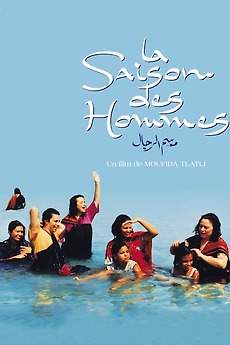
Bittersweet Immigrant Stories like Picture Bride

Emotional journeys of adapting to a new land, marked by loss and hard-won hope. If you liked the portrayal of cultural displacement in Picture Bride, explore these similar movies. Find historical dramas and poignant tales about the immigrant experience, featuring themes of forced marriage, labor exploitation, grief, and the bittersweet search for belonging in a foreign land.

  • melancholic
  • isolated
  • haunting
  • somber
  • hopeful
  • resilient
  • Tone: melancholic, somber, bittersweet
  • Pacing: slow, steady, immersive
Why these movies?

The story pattern: The narrative follows an individual or group arriving in a new country with expectations that are quickly shattered. They confront a harsh reality of labor, prejudice, and loneliness. The central conflict is the struggle between holding onto the past and building a new identity. The arc is rarely one of simple success; instead, it's a poignant mix of tragic loss and the gradual, difficult forging of a new home and family.

Why they belong together: These movies share a core focus on the thematic elements of immigration: displacement, adaptation, and the complex interplay between loss and hope. They consistently feature a heavy emotional weight, a melancholic tone, and endings that are bittersweet, acknowledging the sacrifices made while affirming the resilience required to survive.

If you liked this

Movies Like Picture Bride

Similar movies to Picture Bride: the same genre, themes or kind of story. Each one comes with its own plot summary, timeline and ending explained.

Browse all movie summaries

Every angle

Picture Bride (1994) Explained: Plot, Timeline & Characters

Everything about Picture Bride in one place: what happens in the plot summary, the timeline in chronological order, the characters and meaning and a spoiler-free summary. What's After the Movie adds the cast, box office and post-credit scenes.

Coming soon on iOS and Android

The Plot Explained Movie Summary App

Plot summaries, endings explained and timelines on your phone. Catch up on any movie in minutes, save your favorites and never miss a twist again.

Be the first to know when we launch. Your email stays private, always.

Learn more about the app