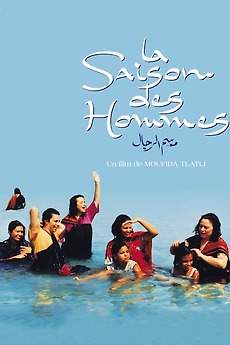
The Season of Men

The Season of Men

Year: 2001

Runtime: 122 min

Language: French

Director: Moufida Tlatli

Drama

Following a period living in the busy city of Tunis, a mother and her daughter return to Djerba, a secluded island community where women hold a unique and powerful matriarchal society. As winter descends, they bring with them hidden truths and lingering emotional wounds, and must navigate the complexities of their return to this insular and traditionally-rooted environment.

Warning: spoilers below!

Haven’t seen The Season of Men yet? This summary contains major spoilers. Bookmark the page, watch the movie, and come back for the full breakdown. If you're ready, scroll on and relive the story!

The Season of Men (2001) – Full Plot Summary & Ending Explained

Read the complete plot breakdown of The Season of Men (2001), including all key story events, major twists, and the ending explained in detail. Discover what really happened, and what it all means.

An 18-year-old girl named Aïcha resides on the beautiful island of Djerba, where she is married to Said, who spends much of his time working in Tunis. Before Aïcha can join him in the bustling capital, Said expresses a desire for her to bear him a son. Living under the strict authority of her mother-in-law, alongside several other wives who also wait for their husbands to return, Aïcha’s life is filled with challenges. Eventually, she gives birth to a son named Aziz and is granted permission to reunite with Said in Tunis.

However, the joy of motherhood soon turns to sorrow when it becomes apparent that Aziz faces developmental issues, leading to a likely diagnosis of autism. This news causes Said to turn his back on his son, forcing Aïcha to make the heart-wrenching decision to return to Djerba, accompanied by her son and her two adult daughters. The narrative skillfully shifts between Aïcha’s past—filled with tender moments of joy with her young daughters on Djerba before Aziz’s birth—and the present, where Aziz, now around eight years old, adjusts to life back on the island.

As the film unfolds, we see Aïcha and Aziz collaborating on the loom, creating intricate tapestries that Aïcha sells to support their family. The story culminates in a poignant moment as Aïcha’s younger daughter, Emna, prepares to leave, marking a new chapter in their lives. Ultimately, Aïcha and Aziz find solace in each other’s company as they continue their journey together in Djerba, weaving the fabric of their daily lives.

Last updated: November 15, 2024 at 17:50

Was this helpful?

The Season of Men (2001) Plot Questions Answered – Summary FAQ

Explore frequently asked questions about The Season of Men (2001) with spoiler-rich answers covering the full plot summary, major story beats, character motivations, hidden details, and ending meaning. This movie summary FAQ helps explain confusing scenes, plot twists, and narrative decisions in clear, searchable detail.

Q1

Why did Said abandon his son Aziz?

A.

Said rejected Aziz after learning about his developmental issues (likely autism). Unable to accept having a son with special needs, he turned his back on both Aïcha and Aziz. This rejection forced Aïcha to make the painful decision to leave Tunis and return to Djerba with her children, as she received no support from her husband in caring for their son.

saidazizrejectionabandonmentautismdisability
Q2

Why did Aïcha return to Djerba with her children?

A.

Aïcha returned to Djerba because Said refused to support her and their son Aziz after the diagnosis of developmental issues. With no help from her husband and facing the challenges of raising a child with special needs alone in Tunis, she made the heart-wrenching choice to retreat to her familiar world on the island, where she had family support.

aichadjerbareturnsaidsupportson
Q3

How does Aïcha support her family after returning to Djerba?

A.

Aïcha supports her family by creating intricate tapestries on a loom. She collaborates with Aziz to weave these textiles, which she then sells. This work becomes a vital source of income for the family, providing both financial stability and emotional solace as mother and son work together.

weavingtapestryincomesupportfamilyloomaichaaziz
Q4

What happens to Emna at the end of the movie?

A.

Aïcha's younger daughter Emna prepares to leave Djerba, marking a significant transition in the family dynamic. This departure symbolizes both an ending and a new beginning for the family, as Emna ventures out into the world while Aïcha remains on the island with Aziz.

emnadepartureleavingdaughterfamily
Q5

Why did Said want Aïcha to bear him a son before joining her in Tunis?

A.

Before Aïcha could join Said in Tunis, he expressed a strong desire for her to give him a son. This request reflected traditional expectations placed on women in their community, where bearing a male child was often seen as a wife's primary duty and a requirement for the family to be complete.

saidsondesiretraditionexpectationtunis
Q6

How has Aziz's condition affected Aïcha's relationship with him?

A.

Despite the challenges of raising a son with developmental issues, Aïcha and Aziz have developed a deep bond. They find solace in collaborating on the loom, creating tapestries together. This shared creative work has become a source of comfort and connection between mother and son, helping them navigate their reality on Djerba.

azizaichabondmothersontapestryweavingdisability
Q7

What is significant about Djerba's matriarchal society in the film?

A.

Djerba is portrayed as a matriarchal society where women hold unique power and authority. When Aïcha returns with her children, she enters this supportive social structure that contrasts sharply with the isolation she faced in Tunis after Said rejected Aziz. The island community provides her with a network of women who understand and support each other.

djerbamatriarchalsocietywomencommunityisland
Q8

What does weaving represent in The Season of Men?

A.

Weaving serves as both practical income and symbolic healing in the film. The tapestries Aïcha and Aziz create together represent their bond and shared resilience. The slow, meditative process of weaving mirrors the film's contemplative pacing and reflects how Aïcha literally and metaphorically weaves together the fabric of her family's daily life after hardship.

weavingtapestrysymbolhealingresiliencemotherson
Q9

Why did Aïcha marry Said and live under her mother-in-law's authority?

A.

At eighteen, Aïcha was married to Said, who frequently worked in Tunis. In Djerba's traditional setting, she lived under the strict authority of her mother-in-law, alongside other wives who also waited for their husbands to return. This arrangement reflects the social structure of the community where married women are expected to服从 familial hierarchy.

aichasaidmarriagemother-in-lawauthoritytraditiondjerba
Q10

Why does the movie have a bittersweet ending?

A.

The ending is bittersweet because while Aïcha and Aziz find comfort in their deepened relationship and continue their journey together on Djerba, this solace is offset by the departure of Emna and the enduring challenges they face. There is warmth in their bond, but also sadness in loss and the ongoing difficulties of their situation.

endingbittersweetemnadeparturesolacefamily
Mobile App Preview

Coming soon on iOS and Android

The Plot Explained Mobile App

From blockbusters to hidden gems - dive into movie stories anytime, anywhere. Save your favorites, discover plots faster, and never miss a twist again.

Sign up to be the first to know when we launch. Your email stays private, always.

Explore Movie Threads

Discover curated groups of movies connected by mood, themes, and story style. Browse collections built around emotion, atmosphere, and narrative focus to easily find films that match what you feel like watching right now.

Movies set in matriarchal societies like The Season of Men

Stories set in unique, woman-centered societies shadowed by sorrow.If you were fascinated by the unique matriarchal society of Djerba in The Season of Men, this thread features films that explore similar woman-centered communities. Discover other movies with melancholic tones that delve into the complexities of tradition, duty, and resilience within insular, matriarchal worlds.

matriarchalmelancholicoppressiveisolatedtraditionalresilientquietreflective

Narrative Summary

Narratives in this thread often center on characters returning to or living within a defined matriarchal structure. The conflict arises from the clash between personal struggles—such as hidden pasts, emotional wounds, or desires for change—and the unyielding traditions of the community. The journey is typically internal, focusing on quiet defiance and the bittersweet acceptance of one's role.

Why These Movies?

These films are grouped together for their shared setting of a matriarchal society and a consistently melancholic, reflective tone. They prioritize atmosphere and cultural immersion over fast-paced plots, creating a cohesive viewing experience for those interested in stories about female power, tradition, and isolation.


Slow-burn dramas about maternal resilience like The Season of Men

Quiet, heavy dramas about mothers enduring profound hardship.If you appreciated the profound portrayal of a mother's struggle in The Season of Men, explore this collection of movies with heavy emotional weight. Find similar slow-paced, bittersweet dramas that center on maternal sacrifice, resilience against abandonment, and the quiet burdens of family duty.

resilientmelancholicheavyquietbittersweetmaternaloppressivereflective

Narrative Summary

The narrative pattern follows a mother protagonist grappling with a sustained, life-altering difficulty. The plot is less about external events and more about the internal, day-to-day perseverance. The emotional journey is central, often involving flashbacks to contextualize the pain and culminating in a resolution that is bittersweet, acknowledging the cost of resilience without diminishing its power.

Why These Movies?

These films share a core focus on the theme of maternal resilience, presented through a slow, melancholic lens. They possess a heavy emotional weight and a bittersweet sensibility, making them cohesive for viewers seeking deeply moving, character-centered stories about the sacrifices and strength of mothers.

Unlock the Full Story of The Season of Men

Don't stop at just watching - explore The Season of Men in full detail. From the complete plot summary and scene-by-scene timeline to character breakdowns, thematic analysis, and a deep dive into the ending - every page helps you truly understand what The Season of Men is all about. Plus, discover what's next after the movie.

The Season of Men Timeline

Track the full timeline of The Season of Men with every major event arranged chronologically. Perfect for decoding non-linear storytelling, flashbacks, or parallel narratives with a clear scene-by-scene breakdown.

The Season of Men Timeline

Characters, Settings & Themes in The Season of Men

Discover the characters, locations, and core themes that shape The Season of Men. Get insights into symbolic elements, setting significance, and deeper narrative meaning - ideal for thematic analysis and movie breakdowns.

Characters, Settings & Themes in The Season of Men

The Season of Men Spoiler-Free Summary

Get a quick, spoiler-free overview of The Season of Men that covers the main plot points and key details without revealing any major twists or spoilers. Perfect for those who want to know what to expect before diving in.

The Season of Men Spoiler-Free Summary

More About The Season of Men

Visit What's After the Movie to explore more about The Season of Men: box office results, cast and crew info, production details, post-credit scenes, and external links - all in one place for movie fans and researchers.

More About The Season of Men