Plot Explained Spoilers guaranteed!
Plot Explained

Browse by genre

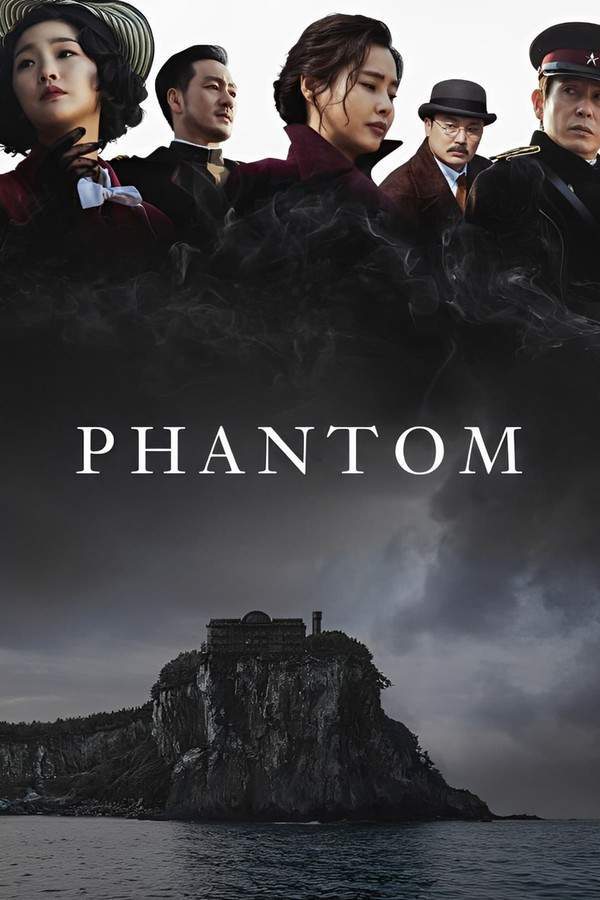
Phantom (2015) movie poster

Plot Summary

Phantom (2015) Plot Summary Explained

Release, runtime and language
2015 · 136 min · Hindi
Directed by
Kabir Khan

Amidst rising global tensions, Daniyal undertakes a dangerous journey seeking justice. His quest takes him across India, Europe, America, and the volatile Middle East. As he gets closer to his objective, he confronts the heavy price of vengeance, a deeply personal sacrifice that puts everything he holds dear at risk.

On this page (5)
  1. 1 What happens: full plot
  2. 2 Plot questions answered
  3. 3 Movie threads
  4. 4 Movies like Phantom
  5. 5 Every angle

Full plot summary · contains spoilers

What Happens in Phantom: Full Plot Summary

The whole story of Phantom (2015) explained, from the opening scene to the final frame: every key event, every twist and what it all adds up to. Read it as a quick recap before the sequel, to check a scene you missed, or to finally understand what really happened.

In 1954 London, the esteemed fashion designer Reynolds Woodcock (Daniel Day-Lewis) masterfully crafts exquisite dresses for the elite. His creative brilliance, however, is matched by his obsessive and controlling nature, where every stitch must embody perfection. With a talented team of tailors, he meticulously breathes life into his elaborate designs.

Reynolds’ sister, Cyril (Lesley Manville), oversees the daily workings of his prestigious fashion house, wielding considerable influence in both his personal and professional realms. The shadow of their mother looms large over Reynolds, as he clandestinely incorporates hidden messages into the linings of his creations—a haunting reminder of loss. His current girlfriend, Johanna (Camilla Rutherford), often finds herself neglected, her pleas for attention falling on deaf ears. Realizing Johanna’s presence has become more of a distraction, Cyril suggests that Reynolds should escape the city for some rejuvenating time in the countryside.

Following the design of a stunning gown for the esteemed Countess Henrietta Harding (Gina McKee), Reynolds ventures out to a countryside restaurant where he meets a captivating waitress named Alma (Vicky Krieps). Their chemistry is immediate, and Reynolds shares a poignant memory of his childhood ambition to help craft a wedding dress for his superstitious nanny, Miss Blackwood. Despite his efforts, the nanny never wed, a fate Reynolds suggests is akin to his own—“I was never meant to marry. I am a confirmed bachelor.” Yet, as he designs a dress specifically for Alma, their dynamic shifts, and she becomes an integral part of his creative process, love life, and a source of inspiration.

Alma, initially enamored with her new role, soon realizes that living with Reynolds comes with its own set of challenges. He oscillates between treating her like royalty and dismissing her as mere help in his esteemed household. Their bond deepens, and Alma moves in, aspiring to be the perfect muse for the genius designer. However, tension brews as Reynolds insists on the sanctity of his designs. During one particular fashion engagement, he forces Barbara Rose (Harriet Sansom Harris) into a suffocating gown, which ends poorly during a dinner event, showcasing Reynolds’ uncompromising nature.

Cyril begins skeptical of Alma’s determination but ultimately respects her strength as she navigates the complex emotional landscape of Reynolds’ world. This culminates in an embarrassing scene at the shop when a Belgian Princess arrives for measurements and Alma finds herself relegated alongside the other staff. The couple's volatile dynamic escalates when Alma attempts to prepare a romantic dinner, only to face Reynolds’ irritable standards.

In a desperate bid to reclaim her position within the relationship, Alma makes the drastic decision to poison Reynolds' tea using wild mushroom shavings, leading to a severe deterioration in his health. As he prepares another gown for the Belgian Princess Mona Braganza (Lujza Richter), Reynolds begins to hallucinate and confront the specter of his mother, but it’s Alma’s unwavering care that sees him through.

Once recovered, Reynolds, moved by Alma's dedication, proposes marriage. She initially hesitates but eventually agrees, believing they could form a life together. A brief honeymoon in Switzerland yields a facade of harmony, which quickly dissolves as Reynolds reasserts his controlling tendencies. Cyril raises concerns about his waning status in the fashion world, suggesting that his classic designs may be fading into obscurity, and Reynolds casts blame upon Alma for becoming a distraction.

In a final act of rebellion, Alma prepares a poisoned omelet for Reynolds, revealing her desire to possess and nurture his vulnerability. After a strained moment, he eventually consumes it, surrendering to her intentions and filling the void that once belonged to his mother. While lying in a weakened state, Alma envisions a future of shared dreams—children, captivating social events, and her emerging role as a partner in the dressmaking business. Acknowledging the trials that may lie ahead, she embraces the belief that their love can withstand any obstacle, wrapped in an intricate tapestry of devotion and control.

Last updated: October 25, 2024 at 09:23

Was this helpful?

Plot questions answered

Phantom Plot Explained: Your Questions Answered

The questions people ask most about Phantom (2015): what happens in the confusing scenes, why the characters do what they do, the twists, hidden details and what the ending means. Each answer contains spoilers.

Q1

Why is Reynolds Woodcock so controlling and obsessive about his work?

Reynolds' controlling nature stems from unresolved grief over his mother's death. He secretly embeds hidden messages into the linings of his garments, a haunting ritual that keeps his mother's memory present in his work. This obsessive need for perfection in his designs reflects his inability to let go of loss and his fear of anything disrupting his carefully constructed world.

Foreshadowing: The film opens with Reynolds' meticulous morning routine, establishing his rigid need for control before Alma's arrival.

  • reynolds woodcock
  • control issues
  • mother death
  • grief
  • perfectionism
  • fashion designer
Q2

Why does Alma poison Reynolds?

Alma poisons Reynolds because she feels trapped in their relationship. Reynolds alternates between treating her like royalty and dismissing her entirely, leaving her desperate to matter to him. When his controlling nature overwhelms her, she uses mushroom shavings to make him vulnerable, believing that caring for him during illness is the only way to truly connect and regain his attention.

Foreshadowing: Earlier scenes show Alma being relegated to staff status during the Belgian Princess fitting, highlighting her growing invisibility.

  • alma poisoning
  • reynolds alma relationship
  • control
  • desperation
  • mushrooms
Q3

Why does Reynolds propose to Alma after recovering from poisoning?

Reynolds proposes because Alma's devoted care during his illness made him see her differently. When he was weak and hallucinating, she stayed by his side, which mirrors the nurturing he craved but never received. His vulnerability during the poisoning broke down his emotional barriers, allowing him to accept her in a way his control-freak nature normally wouldn't permit.

Foreshadowing: During his hallucinations, Reynolds confronts his mother's ghost, revealing his deep need for maternal comfort that Alma provided.

  • reynolds proposal
  • marriage
  • vulnerability
  • illness
  • alma care
Q4

Why does Alma poison Reynolds a second time with the omelet?

Alma prepares a second poison because the first poisoning gave her what she wanted, Reynolds needed her. After their honeymoon, he reverted to his controlling behavior, and she realized she could only keep him close by making him vulnerable. The poisoned omelet represents her final attempt to bind him to her through dependence rather than acceptance.

Foreshadowing: The Switzerland honeymoon scene shows Reynolds immediately returning to his old patterns, foreshadowing Alma's desperate final act.

  • second poisoning
  • omelet
  • control
  • alma final act
  • dependency
Q5

What do the hidden messages in Reynolds' dress linings represent?

The hidden messages sewn into garment linings are Reynolds' private tribute to his deceased mother. This secret ritual allows him to keep her close in his work, creating an intimate connection between his grief, his art, and his emotional state. It reveals that despite his cold exterior, his mother's loss profoundly shapes his identity and creative process.

Foreshadowing: The film establishes this practice early, with Cyril watching over Reynolds as he engages in this private mourning ritual.

  • hidden messages
  • mother
  • linings
  • grief
  • sewing
  • fashion
Q6

Why does Alma feel embarrassed during the Belgian Princess fitting?

Alma is embarrassed because the Belgian Princess arrival exposes how Reynolds truly sees her, as staff rather than a partner. Despite living with him and being his romantic muse, Alma is positioned alongside the other tailors during measurements. This moment shatters her illusion of equality in the relationship and highlights the power imbalance she desperately wants to overcome.

Foreshadowing: This incident directly precedes Alma's decision to poison Reynolds, showing how humiliation fuels her desperation.

  • belgian princess
  • alma embarrassment
  • fitting
  • humiliation
  • status
Q7

What does the ending signify, does Reynolds die?

The ending is deliberately ambiguous. Reynolds eats the poisoned omelet and becomes weakened, but Alma visions a hopeful future together with children and shared success. He appears to surrender to her control rather than resist, which she interprets as love. Whether he survives long-term or dies remains unclear, but the final image suggests Alma has achieved twisted control over their relationship through his vulnerability.

Foreshadowing: The film's closing frames show Alma smiling confidently while Reynolds lies weakened, reversing their traditional power dynamic.

  • ending
  • death
  • surrender
  • control
  • poison
  • ambiguous
  • alma vision
Q8

Why does Reynolds say he was never meant to marry?

Reynolds claims he's a confirmed bachelor after recalling his superstitious nanny Miss Blackwood never married. This reflects his deeper belief that his obsessive dedication to craft and his unresolved grief make genuine intimacy impossible. His rejection of marriage is both self-protection and a manifestation of the emotional damage from losing his mother, he fears becoming trapped in the same way he believes his nanny was.

Foreshadowing: This early conversation with Alma establishes Reynolds' resistance to commitment before their relationship develops.

  • marriage
  • bachelor
  • reynolds attitude
  • commitment
  • nanny blackwood
Q9

What is Cyril's role in Reynolds and Alma's relationship?

Cyril serves as both gatekeeper and enabler in Reynolds' life. She manages his fashion house and monitors his relationships, initially viewing Alma as a distraction. However, she ultimately respects Alma's strength and stops actively opposing her. Cyril's concern about Reynolds' declining relevance in fashion creates tension that he redirects toward Alma, complicating the dynamic further.

Foreshadowing: Cyril's early suggestion that Reynolds leave Johanna for the countryside sets the entire Alma relationship in motion.

  • cyril
  • sister
  • role
  • fashion house
  • influence
  • enabler
Q10

Why does Reynolds hallucinate about his mother?

Reynolds hallucinates about his mother while poisoned and physically weakened. The mushroom poisoning causes feverish visions where the ghost of his mother appears, confronting him about his work and choices. This psychological breakdown forces him to face his unresolved grief and the guilt he carries over never adequately processing her death, themes that have haunted him throughout the film.

Foreshadowing: The hidden messages in his garments foreshadow his mother's persistent presence in his psychological landscape.

  • hallucination
  • mother
  • ghost
  • poisoning
  • fever
  • psychological

Movie threads

More Movies Like Phantom, by Mood & Story

Curated lists built around what makes Phantom tick: the same mood, the same kind of story or the same emotional payoff. Each list explains why these movies belong together.

International Revenge Journeys like Phantom

Characters who cross continents seeking justice, only to find the price is higher than anticipated. If you liked the global scale and high stakes of Phantom, explore movies featuring protagonists on a dangerous quest for justice across countries. These stories blend action, drama, and thriller elements, focusing on the personal cost of vengeance in an international context. Find more films like Phantom where the journey is as important as the destination.

  • tense
  • obsessive
  • methodical
  • high-stakes
  • serious
  • melancholic
  • Tone: tense, serious, melancholic
  • Pacing: steady, deliberate
Why these movies?

The story pattern: The narrative follows a protagonist driven by a powerful motive—often revenge or justice—that compels them to travel across diverse and volatile locations. As they move closer to their objective, the journey forces them to grapple with escalating danger and profound personal sacrifices, challenging their original intent and revealing the true cost of their quest.

Why they belong together: These movies are grouped by their core narrative engine: a high-stakes, international pursuit driven by a personal mission. They share a medium-to-high intensity, a tense tone, and a heavy emotional weight, focusing on the moral and psychological toll of a single-minded quest.

Psychological Control Dramas like Phantom

Stories where relationships become a subtle, devastating battleground for power and control. Movies like Phantom that delve into the dark dynamics of controlling relationships and psychological manipulation. If you appreciated the tense, slow-burn exploration of obsession and toxic power plays, this thread features similar character studies with heavy emotional weight and ambiguous endings.

  • slow burn
  • claustrophobic
  • tense
  • psychological
  • toxic
  • obsessive
  • Tone: tense, claustrophobic, disturbing
  • Pacing: slow burn, deliberate
Why these movies?

The story pattern: These narratives focus on the intricate, often slow-moving erosion of autonomy within a relationship. The conflict is primarily psychological, built on manipulation and obsession, rather than overt action. The story arc typically follows a corrosive dance of control that culminates in a deeply personal sacrifice or a unsettling, unresolved power balance.

Why they belong together: The connection is based on a shared focus on psychological manipulation, a slow-burning pace that allows tension to simmer, a tense and claustrophobic tone, and themes of dysfunctional love and control. The emotional journey is heavy and often ends on an ambiguous note.

If you liked this

Movies Like Phantom

Similar movies to Phantom: the same genre, themes or kind of story. Each one comes with its own plot summary, timeline and ending explained.

Browse all movie summaries

Every angle

Phantom (2015) Explained: Plot, Timeline & Characters

Everything about Phantom in one place: what happens in the plot summary, the timeline in chronological order, the characters and meaning and a spoiler-free summary. What's After the Movie adds the cast, box office and post-credit scenes.

Coming soon on iOS and Android

The Plot Explained Movie Summary App

Plot summaries, endings explained and timelines on your phone. Catch up on any movie in minutes, save your favorites and never miss a twist again.

Be the first to know when we launch. Your email stays private, always.

Learn more about the app