Plot Explained Spoilers guaranteed!
Plot Explained

Browse by genre

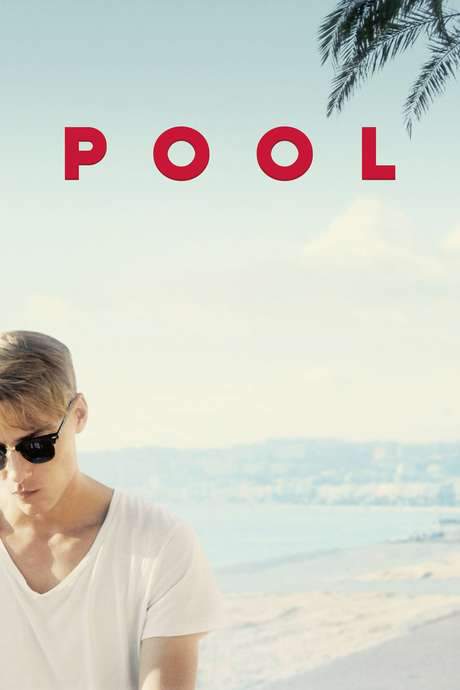
La Piscine (1970) movie poster

Plot Summary

La Piscine (1970) Plot Summary Explained

Release, runtime and language
1970 · 122 min
Directed by
Jacques Deray
Starring
Alain Delon, Jane Birkin, Maddly Bamy, Maurice Ronet, Paul Crauchet, Romy Schneider

A scorching summer romance develops on the French Riviera, quickly spiraling into obsession and tragedy. Alain Delon and Romy Schneider star in this 1969 psychological thriller, portraying characters whose desires and vulnerabilities lead to a destructive entanglement. The idyllic setting contrasts sharply with the escalating tensions and jealousies that ultimately lead to a devastating outcome, exploring the dark side of passion and the fragility of relationships.

On this page (6)
  1. 1 Where to watch
  2. 2 What happens: full plot
  3. 3 Plot questions answered
  4. 4 Movie threads
  5. 5 Movies like La Piscine
  6. 6 Every angle

Where to watch

Where to Watch La Piscine (1970)

Where can you watch La Piscine? Stream, rent or buy it in the US, including on Google Play Movies and YouTube: current JustWatch availability with up-to-date prices.

Streaming availability powered by JustWatch

Full plot summary · contains spoilers

What Happens in La Piscine: Full Plot Summary

The whole story of La Piscine (1970) explained, from the opening scene to the final frame: every key event, every twist and what it all adds up to. Read it as a quick recap before the sequel, to check a scene you missed, or to finally understand what really happened.

Jean-Paul, a writer, portrayed by [Alain Delon], and Marianne, his girlfriend of just over two years, played by [Romy Schneider], are holidaying at a friend's villa near Saint-Tropez. The poolside opening tone is tense and intimate: Marianne asks for a back scratch, he obliges, then unexpectedly shoves her into the water and dives in after her. A later moment grows more unsettling as he uses a branch to lash her bare buttocks—playful at first, but the force of it thickens as the scene cuts away, hinting at a volatile undercurrent beneath their flirtatious surface.

Harry, an old friend and record producer who was Marianne's lover before Jean-Paul, arrives with his 18-year-old daughter Penelope, played by [Jane Birkin]. They arrive unannounced, and Marianne invites them to stay, much to Jean-Paul’s surprise. The four stay together, and Harry’s presence stirs old tensions as he rekindles his pull on Marianne. Harry drinks heavily and throws a surprise party while Jean-Paul, a recovering alcoholic, makes a valiant effort to stay sober. Penelope, whom they had not known about, resists her father’s authority and forms an uneasy bond with Jean-Paul, with whom she spends a day along the sea, testing loyalties and boundaries.

As days pass, the house becomes a pressure cooker of desire, pride, and hidden grievances. Harry’s charisma and drinking deepen Marianne’s pull back toward him, while Penelope’s wary independence draws her closer to Jean-Paul. The dynamic between the two men sharpens, and Penelope’s presence magnifies the unspoken competition simmering beneath the surface of their holiday idyll. The atmosphere grows increasingly charged, and the line between play and peril blurs in the bright light of the coast.

One night, after the women are asleep, Harry confronts Jean-Paul in a drunken flare-up and accuses him of seducing Penelope to lash out at his own failed ambitions. A brutal moment follows: Harry falls into the pool and, unable to swim, slips from the surface as a struggle ensues. Jean-Paul, also drinking, initially resists helping him, then deliberately holds him underwater until he drowns. He discards Harry’s clothes and arranges fresh ones by the pool to make the death look accidental, a cover-up that haunts the remainder of their time at the villa.

After the funeral, Inspector Lévêque visits and questions the family, doubting the accident theory. He notes unambiguous inconsistencies—Harry’s expensive watch, not waterproof, is missing, and there is no sweat on the clothes he was supposed to have worn. Marianne, torn between truth and loyalty, learns of the evidence but does not hand it to the police, and the inquiry is reluctantly suspended. Marianne later takes Penelope to the airport, and Penelope presses for the truth; Marianne insists that Harry’s death was an accident. As they prepare to leave, Marianne calls for a taxi but Jean-Paul intercepts the call, freezing the moment and forcing a silent standstill. In the final shot, they stand side by side at the window, looking out at the pool, and then embrace, leaving the moral question unresolved and the future uncertain.


Last updated: November 22, 2025 at 15:57

Was this helpful?

Plot questions answered

La Piscine Plot Explained: Your Questions Answered

The questions people ask most about La Piscine (1970): what happens in the confusing scenes, why the characters do what they do, the twists, hidden details and what the ending means. Each answer contains spoilers.

Q1

Why does Jean-Paul push Marianne into the pool at the beginning?

Jean-Paul pushes Marianne into the pool as an expression of their volatile relationship dynamic. The opening scene establishes a pattern where affection and aggression intertwine, moments after she asks him to scratch her back, he shoves her into the water and jumps in after her. This establishes the film's central theme of love as destructive and unpredictable, setting up the psychological tension that escalates throughout their stay.

Foreshadowing: The pool becomes the site of the film's most devastating event later, transforming from a playground of flirtation to a place of death.

  • Jean-Paul Marianne pool scene opening scene Aggression
Q2

Why does Jean-Paul kill Harry?

Jean-Paul kills Harry during a confrontation in which the drunken Harry accuses Jean-Paul of seducing Penelope to retaliate against his own failed ambitions as a writer. The accusation strikes a nerve, Harry had earlier taunted Jean-Paul about abandoning serious writing for advertising work. During the struggle, Harry falls into the pool and cannot swim; Jean-Paul, also drinking, deliberately holds him underwater until he drowns, turning aaccidental fall into murder.

Foreshadowing: Earlier, Harry throws a party where he publicly mocks Jean-Paul's career choices, planting the seeds of resentment that culminates in the confrontation.

  • Jean-Paul Harry murder drowning pool confrontation jealousy
Q3

What does Harry accuse Jean-Paul of before he dies?

Harry accuses Jean-Paul of seducing his daughter Penelope as a way to lash out at his own failed ambitions and frustrations. The accusation comes during a drunken confrontation late at night, with both men having been drinking. Harry's words reflect his own insecurities about his career and life, projecting his failures onto Jean-Paul.

Foreshadowing: Penelope and Jean-Paul had spent a day together by the sea earlier, which Harry observed, fueling his suspicions.

  • Harry accusation Penelope seduction jealousy confrontation
Q4

How does Jean-Paul cover up Harry's death?

After drowning Harry, Jean-Paul strips his body of clothes and arranges fresh trousers and a shirt by the poolside to make the death appear accidental. He deliberately removes evidence of the struggle and stages the scene to suggest Harry fell in while intoxicated and drowned without help. The cover-up is methodical, though the inspector later notes inconsistencies that expose the deception.

Foreshadowing: Jean-Paul's act of placing fresh clothes by the pool mirrors earlier scenes of the couple's carefree poolside moments, now corrupted into deception.

  • cover-up murder evidence poolside clothes staging
Q5

Why does the inspector suspect Harry's death wasn't an accident?

Inspector Lévêque notices two key inconsistencies: Harry was wearing an expensive watch that is not waterproof, yet it's missing from the body, and there is no sweat on the clothes that Jean-Paul claims Harry was wearing when he supposedly changed before swimming. These details suggest someone staged the scene after Harry died, contradicting the accidental drowning theory.

Foreshadowing: Jean-Paul's careful placement of fresh clothes by the pool becomes the very evidence that raises the inspector's suspicions.

  • Inspector Lévêque investigation evidence watch clothes inconsistency
Q6

Why does Marianne not turn in the evidence against Jean-Paul?

After learning the truth from Jean-Paul's confession, Marianne discovers items in the cellar that could prove Harry's death was not accidental. However, she chooses not to hand them to the police, torn between truth and her loyalty to Jean-Paul. Her decision reflects the film's exploration of how love and complicity intertwine, she protects the man she loves despite knowing his crime, sacrificing moral justice for personal connection.

Foreshadowing: Marianne's earlier invitation for Harry and Penelope to stay without consulting Jean-Paul set the chain of events in motion, making her partly responsible for what unfolded.

  • Marianne evidence cover-up loyalty confession complicity
Q7

Why didn't Jean-Paul and Marianne know about Penelope?

Penelope is Harry's 18-year-old daughter whose existence was unknown to both Jean-Paul and Marianne before she arrives with Harry at the villa. Harry never mentioned having a child, and her sudden appearance introduces a new dynamic to the group, Penelope's independent spirit challenges her father's authority and creates an unexpected bond with Jean-Paul, further complicating the web of relationships.

Foreshadowing: Penelope's unknown existence foreshadows the hidden truths and secrets that permeate the film, culminating in the hidden truth of Harry's murder.

  • Penelope Harry daughter surprise arrival unknown child
Q8

Why does Jean-Paul start drinking again?

Jean-Paul is a recovering alcoholic who has been sober throughout the film, resisting Harry's heavy drinking and party-throwing. However, during the confrontation that leads to Harry's death, Jean-Paul is also drinking. The alcohol lowers his inhibitions and contributes to his decision to drown Harry rather than help him to safety, blending his personal struggle with the moment of violence.

Foreshadowing: The party scene earlier shows Jean-Paul's determination to stay sober despite pressure, making his relapse during the murder scene a pivotal turning point.

  • Jean-Paul alcoholism sober relapse drinking pool scene
Q9

What happens in the final scene of La Piscine?

In the final scene, Marianne tells Jean-Paul they cannot leave together and attempts to call a taxi, but Jean-Paul intercepts the call, creating a tense standoff. The film ends with them standing side by side at the window overlooking the pool, where they finally embrace. The ending is intentionally ambiguous, the embrace could signify reconciliation, mutual guilt, or simply the inability to separate despite everything that has happened.

Foreshadowing: The pool, which opened the film with playful tension and became the site of murder, now serves as the backdrop for their unresolved future.

  • final scene embrace taxi pool window ambiguous ending
Q10

Why does Marianne stay with Jean-Paul after learning the truth?

Marianne chooses to stay with Jean-Paul despite knowing he murdered Harry. Her decision reflects the film's dark exploration of love and complicity, she is bound to him not just by affection but by shared secrets and guilt. By hiding the evidence, she becomes an accomplice, and their relationship transforms into something built on mutual deception rather than trust.

Foreshadowing: Marianne's earlier wavering between Harry and Jean-Paul established her pattern of emotional dependency, which culminates in her choice to protect Jean-Paul.

  • Marianne Jean-Paul relationship loyalty guilt complicity
Q11

Why does Harry throw a surprise party at the villa?

Harry throws a surprise party while staying at the villa, using the occasion to assert his presence and charisma. His heavy drinking and taunts toward Jean-Paul about abandoning serious writing for advertising work reveal his competitive nature and attempt to undermine Jean-Paul's confidence. The party becomes a catalyst for escalating tensions among the group.

Foreshadowing: The party creates the environment of resentment that later fuels Harry's confrontation with Jean-Paul about Penelope.

  • Harry party taunts Jean-Paul writing advertising jealousy
Q12

What is the nature of Jean-Paul and Penelope's relationship?

Jean-Paul and Penelope form an uneasy bond during her stay at the villa. She seeks his company despite her father's objections, and they spend a day together by the sea. However, their relationship remains ambiguous, Penelope tests boundaries and independences, while Jean-Paul becomes a confidant. Harry's accusation that Jean-Paul seduced Penelope appears to be a projection of his own jealousy and insecurities rather than an accurate portrayal of what actually occurred.

Foreshadowing: The seaside scene with Penelope and Jean-Paul is observed by Harry, fueling the later false accusation.

  • Jean-Paul Penelope bond sea day friendship ambiguous

Movie threads

More Movies Like La Piscine, by Mood & Story

Curated lists built around what makes La Piscine tick: the same mood, the same kind of story or the same emotional payoff. Each list explains why these movies belong together.

Sultry psychological thrillers in idyllic settings like La Piscine

Stories where a glamorous, idyllic setting becomes a prison of psychological tension. If you liked the sultry tension and psychological unraveling of La Piscine, explore more movies where a beautiful, confined location becomes a pressure cooker for jealousy and obsession. These films share a similar feel of slow-burn dread, glamorous but volatile characters, and a sharp contrast between a picturesque surface and a dark underbelly.

  • sultry
  • claustrophobic
  • anxious
  • slow burn
  • volatile
  • oppressive
  • Tone: tense, sultry, melancholic
  • Pacing: slow burn, deliberate
Why these movies?

The story pattern: The narrative pattern often begins with a seemingly perfect scenario—a holiday, a reunion—that is disrupted by the arrival of an outsider or the resurfacing of old wounds. The story unfolds through charged dialogue and lingering glances rather than action, building a palpable sense of dread. The conflict is primarily psychological, leading to a violent climax or a morally complex act that leaves the characters forever changed.

Why they belong together: This thread groups movies that masterfully use a confined, luxurious setting to generate intense psychological tension. They share a focus on the dark side of human relationships, a sultry and anxious mood, and a pacing that deliberately builds atmosphere before a devastating release.

Movies about moral ambiguity and cover-ups like La Piscine

Stories that explore the heavy psychological fallout of a crime and its cover-up. For viewers who appreciated the moral complexities and the silent aftermath of the crime in La Piscine, this thread gathers movies about the heavy consequences of a violent act. These stories explore the psychological toll of guilt, the strain of maintaining a secret, and relationships fractured under pressure.

  • moral ambiguity
  • tense
  • heavy
  • psychological
  • paranoid
  • guilt-ridden
  • Tone: tense, bleak, ambiguous
  • Pacing: steady, psychological
Why these movies?

The story pattern: The journey typically involves a 'before and after' structure. A stable (or seemingly stable) situation is shattered by a moment of passion or conflict that results in a death or serious crime. The remainder of the film follows the perpetrators as they attempt to normalize their lives while dealing with internal guilt, external suspicion, and the unspoken tension between them. The ending often leaves their future uncertain, emphasizing the permanent stain of their actions.

Why they belong together: Movies in this thread are united by their focus on the ethical and emotional consequences of crime rather than its execution. They share a heavy emotional weight, a tense and often melancholic tone, and a narrative interest in how ordinary people navigate the unbearable weight of a shared secret.

If you liked this

Movies Like La Piscine

Similar movies to La Piscine: the same genre, themes or kind of story. Each one comes with its own plot summary, timeline and ending explained.

Browse all movie summaries

Every angle

La Piscine (1970) Explained: Plot, Timeline & Characters

Everything about La Piscine in one place: what happens in the plot summary, the timeline in chronological order, the characters and meaning and a spoiler-free summary. What's After the Movie adds the cast, box office and post-credit scenes.

Coming soon on iOS and Android

The Plot Explained Movie Summary App

Plot summaries, endings explained and timelines on your phone. Catch up on any movie in minutes, save your favorites and never miss a twist again.

Be the first to know when we launch. Your email stays private, always.

Learn more about the app