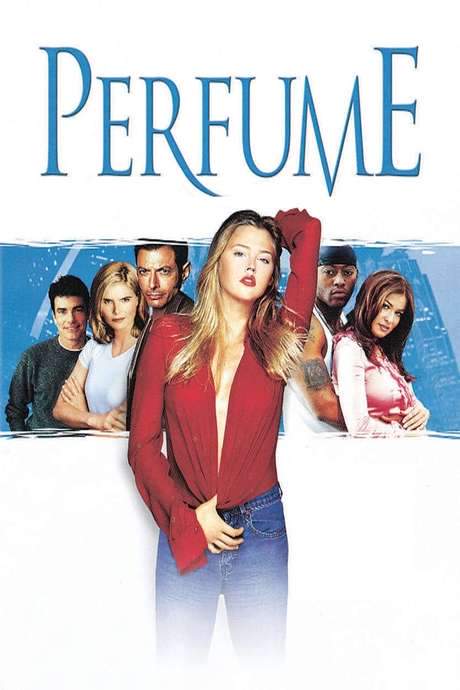
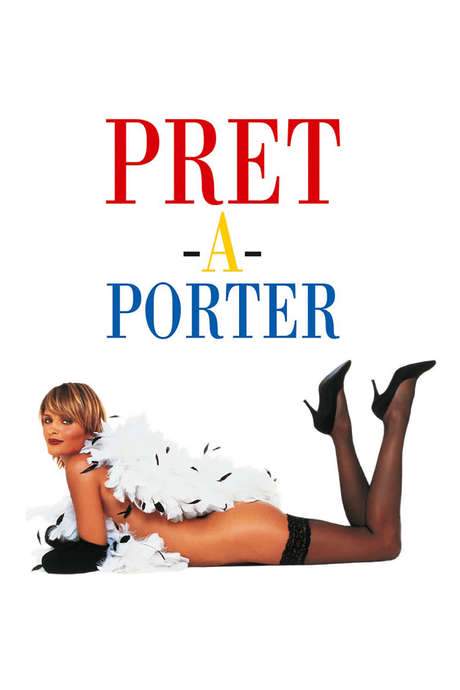
In the week before New York Fashion Week, a dense web of ambition, pride, and fragile egos threads through the fashion world, pulling in photographers, editors, designers, agents, and publicists as they navigate a high-stakes landscape of reinvention and reputation.
Anthony is a fashion photographer who has built his career on a signature heroin chic style, but the look now feels tired and overused. He confronts the tough task of reinventing himself, hoping to land a coveted cover shoot that could redefine his career. Janice Crawford, the powerful chief editor of A Magazine, offers him a lifeline, a high-profile assignment that could restore his edge—but the opportunity comes with pressure, scrutiny, and a clock that’s ticking toward fashion week. As Anthony weighs his options, the return of Halley, Janice’s estranged daughter, adds a personal complication, reactivating old tensions and reminding everyone that the humans behind the clothes carry stories just as dramatic as any wardrobe.
Meanwhile, Camille, an up-and-coming designer, is making a decisive leap from Roberta Colaredo’s small studio to the large, glamorous sphere of Fantasia, a fashion house that promises bigger platforms but also bigger risks. Her decision rattles Roberta Colaredo, the Atelier’s driving force, who fears losing the intimate, hand-crafted world she built with her own hands. Jamie, a talent scout for Fantasia, plays a key role in Camille’s ascent, adding his own brand of pressure and mentorship to the mix. As Camille seals the deal that will move her career forward, Roberta’s atelier feels the tremors of change, and the balance between loyalty and ambition becomes a central tension of the season.
On another front, Lorenzo Mancini—a legendary Italian fashion designer—fights a private battle nobody can see from the outside: a cancer diagnosis he chooses to keep from his loved ones. He grapples with how to steer the future of the Mancini brand while facing the prospect of stepping back from the family business he helped build. He tries to shield Irene Mancini, his former wife, and their life together from the harsh truth, while also informing his boyfriend Guido only as much as necessary. Lorenzo’s struggle becomes a quiet, intimate chess match about legacy, control, and what it means to say goodbye while still trying to guide the next generation.
Lorenzo’s fear centers not only on his own health but on the tension with his son Mario Mancini, who wants to pivot the family enterprise toward a hip-hop-influenced, street-smart clientele. The idea excites some, alarms others, and forces a reckoning within the Mancini clan about what their fashion house should represent in a shifting cultural moment. To test the waters and broaden his perspective, Lorenzo invites a range of hip hop artists to discuss and sample ideas, an encounter that unsettles the old guard but opens doors to new possibilities. The family’s conversations become a live-focus group for a brand with roots that run deep and a future that could go in many directions.
Across these interwoven threads, the clock ticks toward the chaos and glamour of Fashion Week, where decisions are made in back rooms and backstage corridors with equal intensity. Anthony’s reinvention, Camille’s career leap, and the Mancini family’s crossroads all collide with the high-stakes politics of editors, designers, and imitators who shape trends as much as they are shaped by them. The week becomes a crucible in which personal loyalties are weighed against professional ambitions, and where the cost of staying true to a vision—whether it’s a photographer’s edge, a designer’s voice, or a family legacy—can be measured in both artistic integrity and commercial success.
Throughout the unfolding drama, the fashion world is portrayed as a living organism: the studios hum with energy, the salons pulse with conversation, and every decision sends ripples through every connected life. The cast moves through a city that never sleeps, where collaborations glitter like fabric under spotlights even as old wounds reappear in quiet corners and private moments. The film invites viewers to observe how people who speak in patterns, silhouettes, and headlines try to preserve their humanity when the industry’s lights are brightest—and its temptations the strongest.
In the end, the story remains anchored in its core: a week of deadlines, disagreements, and dreams that asks how much of ourselves we must alter to fit the ever-changing demand of style, spectacle, and success. The result is a portrait of resilience and ambition, where the characters wrestle with what it means to still feel authentic while navigating a world that rewards constant reinvention. The name of the game is visibility, and the players learn that fame can be as fragile as a hemline and as enduring as a designers’ legacy.