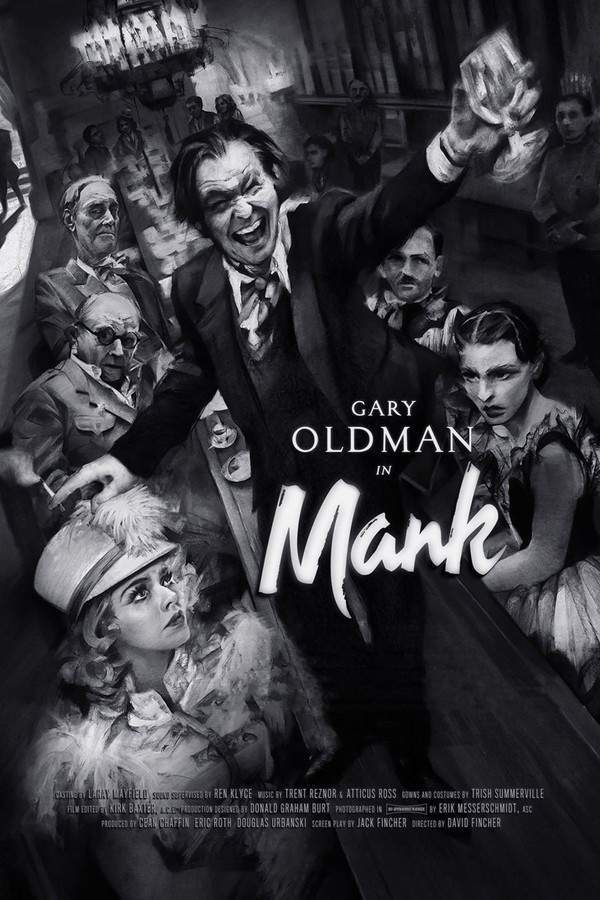
During the 1930s in Hollywood, the gifted but struggling screenwriter Herman J. Mankiewicz grapples with personal struggles as he contributes to the creation of "Citizen Kane." The film explores his experiences and the complex relationship with director Orson Welles, set against the backdrop of the vibrant and sometimes turbulent Golden Age of Hollywood. He finds himself caught up in the intoxicating allure and harsh realities of Tinseltown.
Warning: spoilers below!
Haven’t seen Mank yet? This summary contains major spoilers. Bookmark the page, watch the movie, and come back for the full breakdown. If you're ready, scroll on and relive the story!
Read the complete plot breakdown of Mank (2020), including all key story events, major twists, and the ending explained in detail. Discover what really happened—and what it all means.
Mank delves into the life of Herman Mankiewicz, eloquently portraying his experiences from 1933 to 1940, a period during which America was grappling with the harsh realities of the Great Depression while simultaneously being aware of the ominous approach of World War II. The narrative not only highlights Mank’s journey but also weaves in the political backdrop of Upton Sinclair’s left-leaning campaign for the governorship of California, emphasizing how Hollywood united against him.
Sinclair is depicted as championing values that the establishment deemed “anti-American,” with MGM aggressively engaging in what would today be termed disinformation campaigns. This tumultuous environment compels Mank to face his own moral compromises and the minor deceits he has perpetuated.
In a captivating scene, Charles Dance, portraying the formidable William Randolph Hearst, shares a compelling story with Gary Oldman, who plays Mank. He recounts the “parable of the organ grinder’s monkey,” right after Mank has found himself in a drunken tirade, revealing the idealism that underpinned Hearst’s empire. Hearst coolly reminds Mank that he must “dance” whenever the music plays, serving as a stark insight into the bitterness that would ultimately lead to Mank’s downfall in Hollywood.
His defiance against Hearst, backed by Orson Welles, sets in motion a chain of events that leaves Mank jobless, particularly as he struggles with the consequences of his choices. In the backdrop of his tumultuous life, he finds solace in creating Citizen Kane while bedridden with a broken leg, isolated from friends and family, desperately battling his alcohol dependency in pursuit of just one drink, which leads him to win the only Oscar awarded to him.
As he poignantly articulates to a friend, “We have got a huge responsibility, to people in the dark willingly checking their disbelief at the door.” The film skillfully captures the essence of Mank’s complex legacy against the chaos of his times, illustrating the profound impact of personal choice in the landscape of Hollywood and beyond.
Last Updated: November 15, 2024 at 17:26
Still wondering what the ending of Mank (2020) really means? Here’s a spoiler-heavy breakdown of the final scene, major twists, and the deeper themes that shape the film’s conclusion.
Mank’s ending leaves Herman J. Mankiewicz in a bittersweet place. After a career marked by alcohol and disappointment, he finally earns the recognition he craved—his name appears on the screenplay of Citizen Kane, and he delivers a sardonic Oscar acceptance speech, joking about accepting the award “in the manner in which the screenplay was written, which is to say, in the absence of Orson Welles.” This moment of vindication is tinged with irony; while Welles famously claimed the entire film as his own, Mankiewicz’s insistence on getting credit signifies his desire to claim his rightful place in Hollywood history. The ending hints that, despite this triumph, Mank’s personal struggles remain unresolved. His career ended quickly after Citizen Kane, and he battled alcoholism until his early death at just 55. Meanwhile, Welles continued making films until his death in 1985, cementing his status as a legendary director. The film also reminds us that behind the glamor and myth, Hollywood has always been a broken system—cynical, political, and driven by business interests more than creative passion. Mank’s final moments underscore that while he may have claimed his voice, his life was ultimately marred by the cost of that success. The closing scenes reflect on the legacy of the film and its creators, illustrating how fame, credit, and truth are often tangled in Hollywood’s complex web. The movie suggests that Mank’s crowning achievement was not just the screenplay but his courage to speak openly about the industry’s flaws, even if it cost him everything. In the end, Mank’s story is a reminder of the sacrifices behind cinematic greatness and the ongoing struggle for recognition and integrity in a world obsessed with glamour and power.
Last Updated: June 25, 2025 at 08:44
Discover curated groups of movies connected by mood, themes, and story style. Browse collections built around emotion, atmosphere, and narrative focus to easily find films that match what you feel like watching right now.
Brilliant creators battling their demons and compromising their ideals.Explore movies like Mank that delve into the lives of gifted but troubled artists. These films share a melancholic tone and focus on the personal cost of genius, perfect for viewers interested in stories about writing, filmmaking, and the dark side of creative genius.
These stories often follow a non-linear or reflective structure, juxtaposing moments of creative triumph with personal downfall. The central conflict is usually internal, pitting the protagonist's talent against their self-destructive tendencies or the corrupting influence of power and success.
Movies are grouped here for their shared focus on the psychological portrait of the artist. They possess a similar bittersweet or melancholic tone, a steady pacing that allows for character study, and a theme of artistic legacy being forged through personal sacrifice.
A bittersweet love letter to a romanticized yet corrupt period.Discover films similar to Mank that offer a complex look at a golden age. If you liked the blend of old Hollywood glamour with sharp political and social criticism in Mank, you'll find more thoughtful period dramas here that don't shy away from the darker truths.
Narratives in this thread use a specific historical setting not just as backdrop, but as a character itself. They often employ flashbacks or a reflective point of view to contrast the era's romantic facade with the grim realities of power, corruption, and moral compromise experienced by the characters.
These films are united by their dual nature: they are aesthetically immersed in their time period but intellectually critical of it. They share a similar complexity in storytelling, a bittersweet ending feel, and a mood that balances nostalgia with sharp disillusionment.
Don't stop at just watching — explore Mank in full detail. From the complete plot summary and scene-by-scene timeline to character breakdowns, thematic analysis, and a deep dive into the ending — every page helps you truly understand what Mank is all about. Plus, discover what's next after the movie.
Track the full timeline of Mank with every major event arranged chronologically. Perfect for decoding non-linear storytelling, flashbacks, or parallel narratives with a clear scene-by-scene breakdown.
Discover the characters, locations, and core themes that shape Mank. Get insights into symbolic elements, setting significance, and deeper narrative meaning — ideal for thematic analysis and movie breakdowns.
What really happened at the end of Mank? This detailed ending explained page breaks down final scenes, hidden clues, and alternate interpretations with expert analysis and viewer theories.
Get a quick, spoiler-free overview of Mank that covers the main plot points and key details without revealing any major twists or spoilers. Perfect for those who want to know what to expect before diving in.
Visit What's After the Movie to explore more about Mank: box office results, cast and crew info, production details, post-credit scenes, and external links — all in one place for movie fans and researchers.
Discover movies like Mank that share similar genres, themes, and storytelling elements. Whether you’re drawn to the atmosphere, character arcs, or plot structure, these curated recommendations will help you explore more films you’ll love.
Mank (2020) Scene-by-Scene Movie Timeline
Mank (2020) Movie Characters, Themes & Settings
Mank (2020) Ending Explained & Theories
Mank (2020) Spoiler-Free Summary & Key Flow
Movies Like Mank – Similar Titles You’ll Enjoy
Manhattan (1979) Full Summary & Key Details
Of Mice and Men (1940) Full Summary & Key Details
The Other Side of the Wind (2018) Full Summary & Key Details
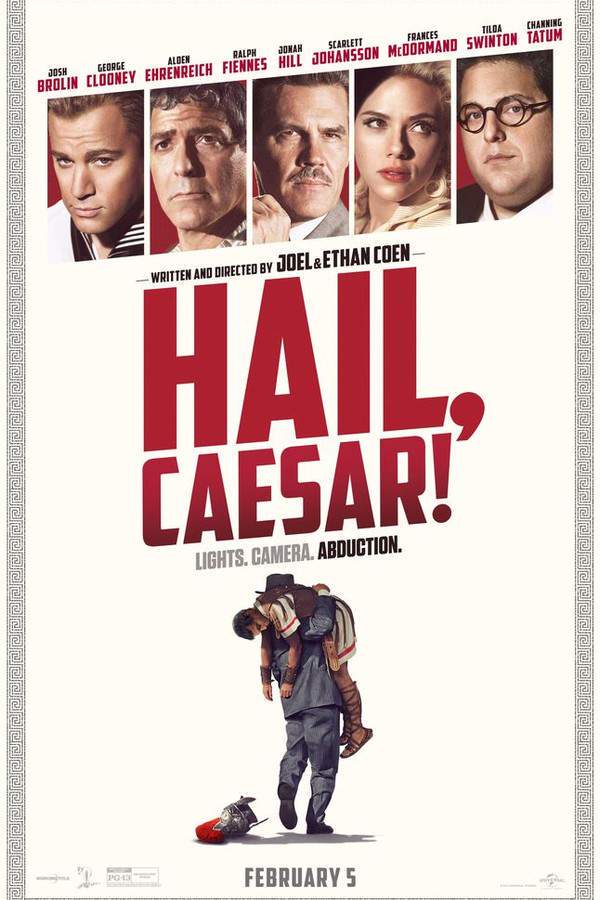
Hail, Caesar! (2016) Film Overview & Timeline
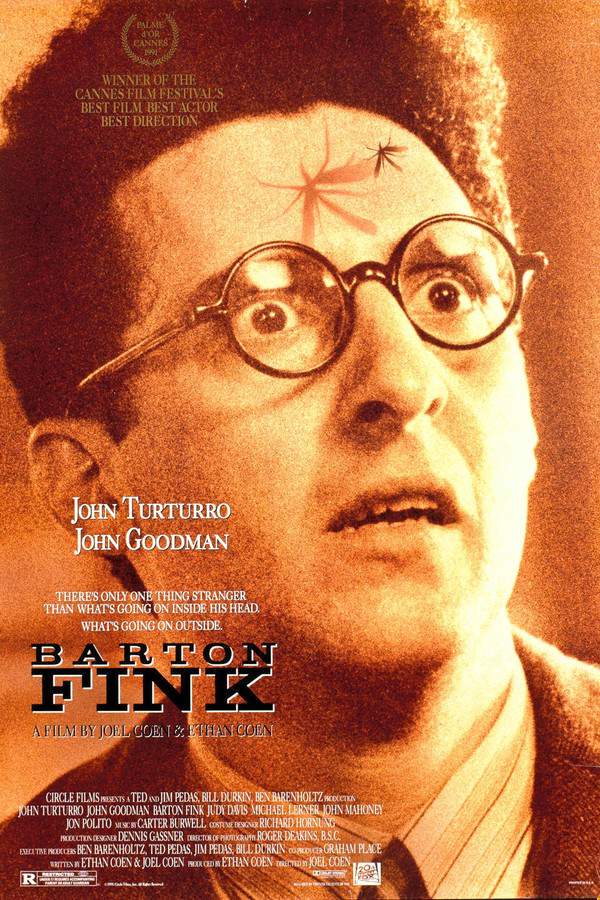
Barton Fink (1991) Ending Explained & Film Insights
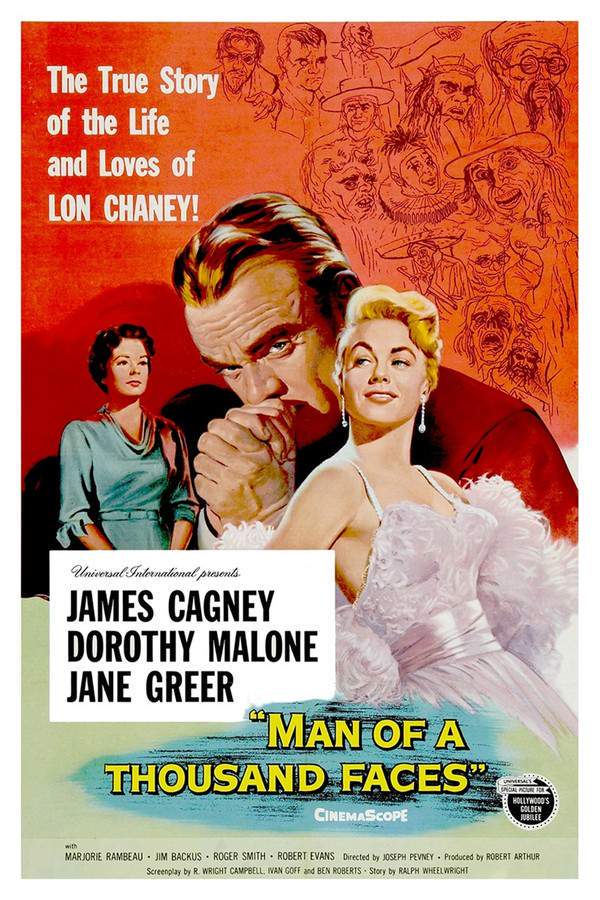
Man of a Thousand Faces (1957) Film Overview & Timeline
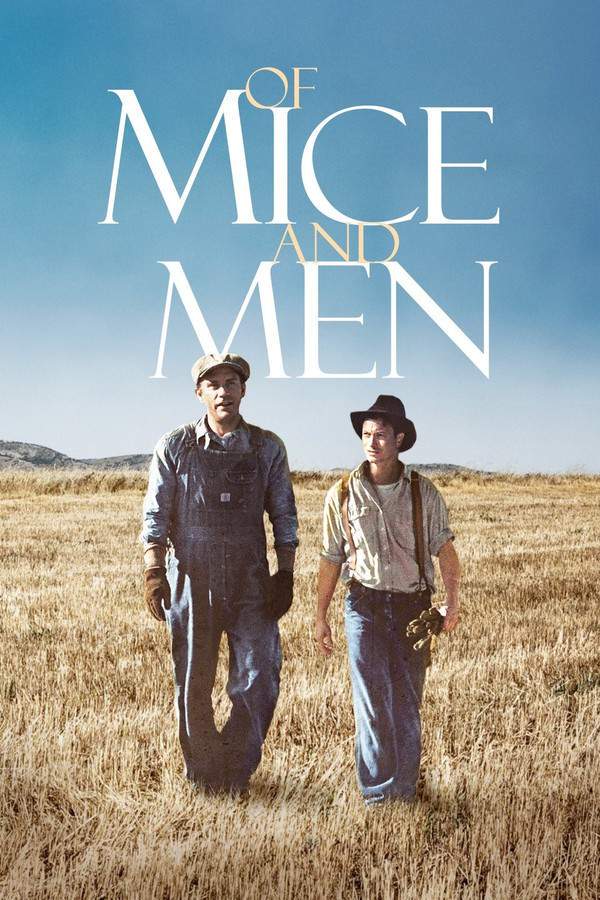
Of Mice and Men (1992) Film Overview & Timeline
The Majestic (2001) Film Overview & Timeline
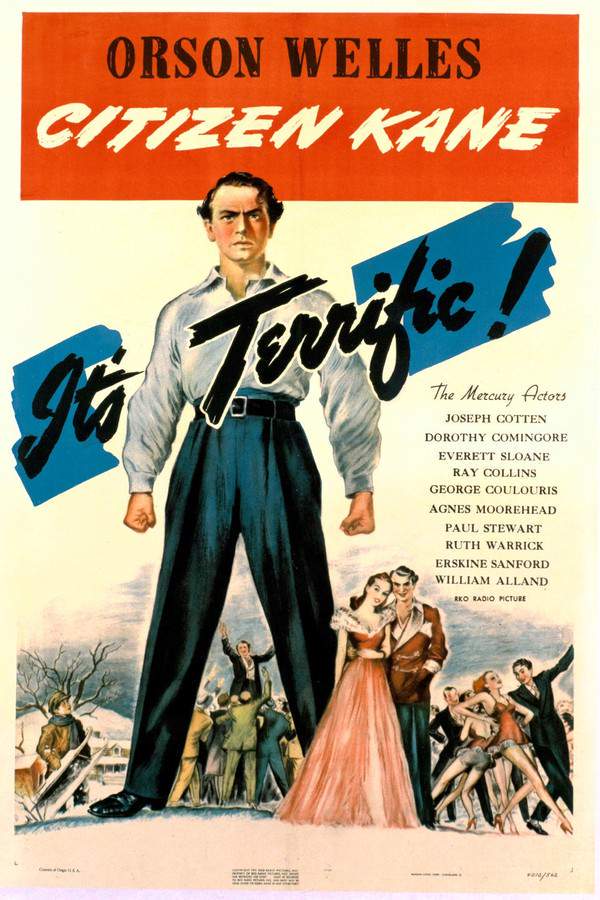
Citizen Kane (1941) Complete Plot Breakdown
The Man with Bogart’s Face (1980) Film Overview & Timeline
All About Mankiewicz (1983) Film Overview & Timeline
Manhattan Melodrama (1934) Plot Summary & Ending Explained
The Battle Over Citizen Kane (1996) Story Summary & Characters
M (1951) Full Movie Breakdown
Merton of the Movies (1947) Plot Summary & Ending Explained