Plot Explained Spoilers guaranteed!
Plot Explained

Browse by genre

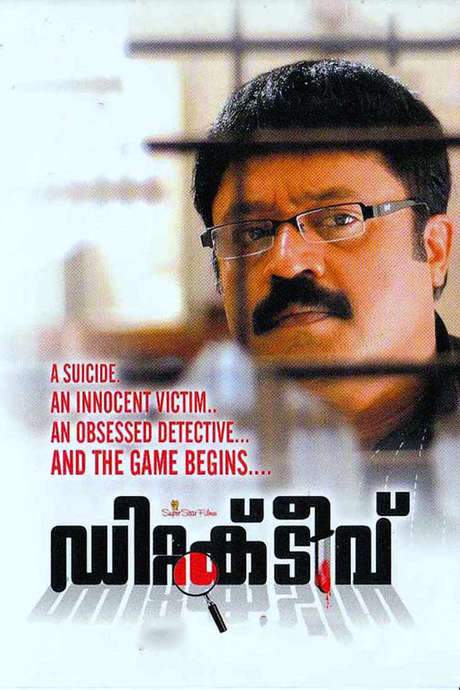
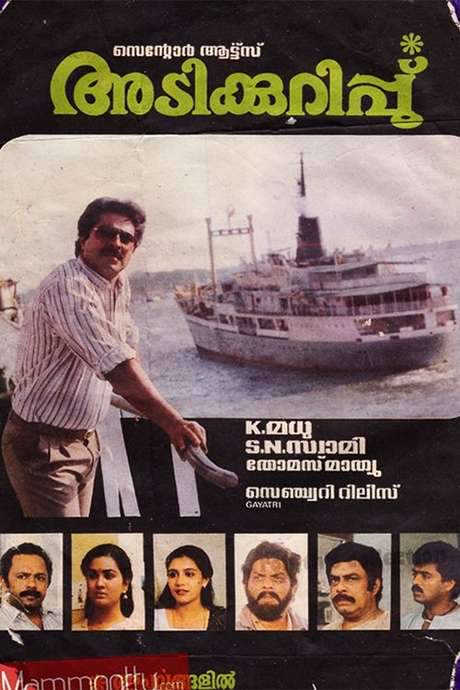
Oru CBI Diary Kurippu (1988) movie poster

Plot Summary

Oru CBI Diary Kurippu (1988) Plot Summary Explained

Release, runtime and language
1988 · 132 mins · Malayalam
Loading streaming availability…
Directed by
K. Madhu
Starring
Mammootty, Jagathy Sreekumar, Mukesh, Vijayaraghavan, Captain Raju, Jagannatha Varma

Prabhakar Varma, an investigator, is tasked by the police to look into the suicide of Omana, the daughter‑in‑law of a prominent businessman. As he examines the evidence, inconsistencies and hidden motives emerge, convincing him the death was not self‑inflicted but a calculated murder, prompting a deeper, methodical probe into the family’s secrets.

On this page (6)
  1. 1 Where to watch
  2. 2 What happens: full plot
  3. 3 Plot questions answered
  4. 4 Movie threads
  5. 5 Movies like Oru CBI Diary Kurippu
  6. 6 Every angle
Loading streaming availability…

Full plot summary · contains spoilers

What Happens in Oru CBI Diary Kurippu: Full Plot Summary

The whole story of Oru CBI Diary Kurippu (1988) explained, from the opening scene to the final frame: every key event, every twist and what it all adds up to. Read it as a quick recap before the sequel, to check a scene you missed, or to finally understand what really happened.

Omana Omana's body is discovered on the grounds behind her house, appearing to be a suicide by leaping from the roof onto the rough stone pavement below. The case is assigned to an upright, honest police officer, SP Prabhakara Varma, who is aided by Circle Inspector Alex. The investigators begin by questioning Omana's close circle: her husband Sunny, her father-in-law Ouseppachan, a local businessman, Narayanan, along with the household staff and neighbors. Sunny admits there was a quarrel with Omana the night before and that he pushed her onto the bed before stepping out to drink, though he maintains he did not strike her and notes that Omana had reportedly attempted suicide in the past. Ouseppachan provides a different version, saying he returned home from a business trip, was locked out, and only found Omana’s body after going around to the cook’s quarters. The inconsistencies in these testimonies begin to mount, casting doubt on the official suicide ruling.

The Regional Medical Officer confirms death by head trauma at 8:00 P.M., but Omana’s cousin, Chacko, a constable, spots suspicious details. He notices Ouseppachan praising a servant for something questionable and challenges the autopsy report, suggesting the timeline and blood evidence don’t quite fit. He informs the investigation team that it rained heavily until 9:30 P.M., so if Omana had died at 8:00 P.M., her body would have been wet and the blood would have mixed with rainwater. The bribery-laden atmosphere around the case becomes clearer when Alex warns Ouseppachan to steer Varma and Chacko away from the case. Realizing Varma’s potential to disrupt the cover-up, Ouseppachan enlists Narayanan to pull strings with politicians to have Varma shifted away, while also moving Chacko out of the way.

A new investigator, DYSP Devadas, arrives, and he uses intimidation to push a quick, clean conclusion: Omana died by suicide. He also pressures Omana’s grieving family and witnesses to keep quiet, effectively stalling the truth. The case then threads its way to the CBI when Omana’s father, Thomachan, and her sister, Annie, insist on pursuing justice and take the matter to the central bureau with the assistance of Chacko. The CBI Director assigns Sethurama Iyer, the Deputy Superintendent, to head the renewed inquiry, aided by CI Harry and SI Vikram. Iyer’s team digs into political interference and uncovers a troubling pattern: a surge of calls to Ministers and Party Leaders from Narayanan’s number and cash withdrawals from Ouseppachan that never show up in the books.

To probe further, Iyer and his teammates bring two dummies matching Omana’s height and weight to Ouseppachan’s residence. The test, which drops one dummy straight down and tosses the other as if thrown, shows Omana’s corpse would have landed in roughly the same area, indicating she could not have jumped from the roof on her own. They then track down Vasu, Ouseppachan’s driver who has been missing since Omana’s death. He reveals that he delivered jewelry as collateral for a loan; among it is a bracelet belonging to Omana. Vasu explains that Narayanan had visited him the night Omana died, telling him that Sunny had accidentally killed Omana during a domestic altercation and urging him to move the body and throw it from the roof. In the moment alone with Omana’s corpse, Vasu notices her bracelet and decides to steal it before carrying out the act.

Vasu’s testimony implicates Sunny, yet Iyer remains unconvinced. If Sunny left the house at 8:00 P.M. after striking Omana, the blood evidence and the scene don’t align with that timing. A closer look at the crime-scene photographs reveals a small bloodstain on Omana’s saree below the waist, a detail the autopsy had missed. Blood typing confirms the sample is O-negative, a rare blood type in town. A broad blood-dlood screening, prompted by a recent malaria-driven mandatory testing, shows that only three people in the town carry O-negative blood.

Armed with this new clue, Iyer returns with a substantial police presence and arrests Ouseppachan for Omana’s murder. The revelation hits Sunny hard, and guilt-stricken, he confesses that he accidentally killed Omana by hitting her too hard during their quarrel. Iyer explains that Omana did not die from the blow; she had fainted, and the crucial blood on her saree did not belong to her. The discovery narrows the killer’s circle to those with O-negative blood, and the investigation finally converges on Johny, Ouseppachan’s son-in-law. Johny admits he came to the house the night Omana died, found her unconscious on the bed, and, after attempting to rape her, suffocated her when she woke and screamed. In the process, he wounds himself and leaves his own blood on the saree.

Confronted with the mounting evidence, Johny owns up to the murder. The case closes with a sweeping sense of justice, driven by meticulous forensics, careful testimony, and the unyielding pursuit of truth by Sethurama Iyer and his team. The narrative moves from initial, muddled testimonies through political pressure to a forensic-backed resolution that lays bare the lethal consequences of ambition, deceit, and the darker currents within the community.

Last updated: October 09, 2025 at 14:36

Was this helpful?

Plot questions answered

Oru CBI Diary Kurippu Plot Explained: Your Questions Answered

The questions people ask most about Oru CBI Diary Kurippu (1988): what happens in the confusing scenes, why the characters do what they do, the twists, hidden details and what the ending means. Each answer contains spoilers.

Q1

Why was Omana's death initially ruled a suicide?

The initial investigation was quickly mishandled due to corruption. Circle Inspector Alex took bribes from Ouseppachan, and a new DYSP named Devadas used intimidation to force a quick conclusion of suicide, pressuring witnesses to stay silent. Political influence from Narayanan helped orchestrate this cover-up to protect the family.

Foreshadowing: Early inconsistencies in testimonies about when each family member arrived home hinted at a coordinated effort to hide the truth.

  • omana
  • suicide ruling
  • cover-up
  • corruption
  • devadas
Q2

How did the dummy test prove Omana couldn't have jumped from the roof?

Sethurama Iyer's team brought two dummies matching Omana's height and weight to Ouseppachan's house. They dropped one straight down and threw the other as if pushed. Both landed in roughly the same spot, showing that Omana could not have jumped from the roof on her own and still landed where her body was found.

Foreshadowing: The initial police report failed to consider the physics of the fall and the body's final position.

  • dummy test
  • rooftop
  • forensic experiment
  • suicide theory
Q3

Who actually killed Omana and why?

Johny, Ouseppachan's son-in-law, was the actual killer. He arrived at the house on the night Omana died, found her unconscious on the bed, attempted to rape her, and when she woke and screamed, he suffocated her. During the attack, he cut himself and left his own blood on her saree.

Foreshadowing: The small bloodstain on Omana's saree below the waist was initially missed by the autopsy but became crucial evidence.

  • johny
  • ouseppachan
  • son-in-law
  • rape
  • suffocation
  • real killer
Q4

How did O-negative blood type solve the case?

Investigators found a small bloodstain on Omana's saree below the waist that didn't belong to her. Blood typing revealed it was O-negative, a rare blood type in town. The Malaria Research Centre's mandatory testing showed only three people in town had O-negative blood, narrowing the suspect pool to Johny, who was Ouseppachan's son-in-law.

Foreshadowing: The autopsy had missed the bloodstain on the saree, but Iyer's careful review of crime scene photographs caught it.

  • o-negative blood
  • blood typing
  • forensic evidence
  • rare blood type
Q5

Why did Sunny confess to killing Omana if he didn't do it?

Sunny, Omana's husband, confessed to accidentally killing her during a domestic altercation, claiming he hit her too hard during a quarrel. However, Iyer clarified that Omana did not die from Sunny's blow, she had fainted from it. The blood evidence pointed to someone else as the actual killer.

Foreshadowing: Sunny admitted to pushing Omana onto the bed earlier in the investigation, setting up the false confession.

  • sunny
  • confession
  • accidental killing
  • domestic violence
Q6

How did rainfall affect the investigation of Omana's death?

Constable Chacko noticed that it rained heavily until 9:30 PM on the night Omana died. If she had died at the officially stated time of 8:00 PM, her body would have been wet and blood would have mixed with rainwater. This inconsistency suggested the timeline was wrong and helped challenge the suicide ruling.

Foreshadowing: Chacko's attention to weather details revealed how the crime scene was manipulated.

  • rain
  • timeline
  • body condition
  • evidence tampering
Q7

What did Vasu the driver reveal about Omana's death?

Vasu, Ouseppachan's missing driver, revealed that Narayanan had recruited him to move Omana's body to the roof and throw it off to make the death look like a suicide. While alone with the body, Vasu stole Omana's bracelet. His testimony exposed the conspiracy between Narayanan, Ouseppachan, and local authorities.

Foreshadowing: Vasu's disappearance after Omana's death suggested he knew too much and was being protected.

  • vasu
  • driver
  • body disposal
  • bracelet
  • conspiracy
Q8

How did political corruption influence the initial investigation?

Narayanan used his connections to make phone calls to Ministers and Party Leaders to exert pressure on the police. Ouseppachan made unreported cash withdrawals from his bank to bribe officials. This coordinated effort successfully removed honest investigator Varma from the case and replaced him with the compliant DYSP Devadas.

Foreshadowing: The initial testimonies from family members contained obvious contradictions that went unexamined due to political pressure.

  • political interference
  • bribery
  • narayanan
  • ouseppachan
  • cover-up
Q9

Why was the CBI brought in to investigate Omana's death?

When the local police ruled Omana's death a suicide despite obvious inconsistencies, her father Thomachan and sister Annie insisted on pursuing justice. With help from Constable Chacko, they took the case to the CBI, who assigned Sethurama Iyer to lead a fresh investigation away from local political interference.

Foreshadowing: Chacko had been sidelined from the case but remained committed to finding the truth.

  • cbi
  • sethurama iyer
  • justice
  • central bureau
  • thomachan
  • annie
Q10

What was the significance of the bloodstain on Omana's saree?

The bloodstain on Omana's saree below the waist was crucial evidence that the autopsy initially missed. Iyer realized that Omana would not have bled from that area two hours after death, as her blood would have pooled internally. The blood belonged to her attacker, Johny, who cut himself during the assault.

Foreshadowing: This small detail was the key piece that eventually led to Johny's arrest and confession.

  • bloodstain
  • saree
  • forensic analysis
  • injury timeline
Q11

Why was Ouseppachan arrested if he didn't kill Omana?

Ouseppachan was arrested because the investigation initially pointed to him as the culprit due to the blood evidence and his involvement in the cover-up. However, the rare O-negative blood type pointed to his son-in-law Johny as the actual killer. Ouseppachan was complicit in the cover-up but not the murderer.

Foreshadowing: Ouseppachan's inconsistent testimony and his attempts to bribe and intimidate investigators made him a primary suspect.

  • ouseppachan
  • arrest
  • cover-up
  • complicity
  • family conspiracy
Q12

How did Johny's blood end up on Omana's saree?

When Johny attempted to rape Omana and she woke up and screamed, he suffocated her. During the struggle, he cut himself on a sharp object, causing his blood to drip onto her saree. This O-negative blood sample became the definitive evidence linking him to the murder.

Foreshadowing: The wound Johny sustained was minor enough that he may not have noticed it during the attack, but it left sufficient blood to identify him.

  • johny
  • blood transfer
  • assault
  • wound
  • dna evidence

Movie threads

More Movies Like Oru CBI Diary Kurippu, by Mood & Story

Curated lists built around what makes Oru CBI Diary Kurippu tick: the same mood, the same kind of story or the same emotional payoff. Each list explains why these movies belong together.

Methodical Investigative Thrillers like Oru CBI Diary Kurippu

Stories where patient, forensic detail unravels a complex web of lies and conspiracy. If you liked the meticulous, evidence-driven detective work in Oru CBI Diary Kurippu, you'll enjoy these similar crime stories. These movies feature protagonists who solve complex cases through rigorous forensic analysis and patient deduction, offering a slow-burn, intellectually stimulating viewing experience.

  • methodical
  • suspenseful
  • rigorous
  • gripping
  • forensic
  • intellectual
  • Tone: tense, rigorous
  • Pacing: variable, deliberate
Why these movies?

The story pattern: Narratives in this thread follow a systematic, often slow-burn progression where a central mystery is unraveled piece by piece. The protagonist's journey is one of intellectual perseverance, facing obstacles like misinformation and powerful antagonists, but ultimately achieving justice through methodical effort.

Why they belong together: These movies are grouped together because they share a focus on the procedural aspects of crime-solving, prioritizing logic and evidence over action. They create a specific, satisfying tension derived from watching a complex puzzle being meticulously put together.

Corrupt System Crime Dramas like Oru CBI Diary Kurippu

Gripping tales of investigators battling powerful, corrupt systems to uncover the truth. Fans of Oru CBI Diary Kurippu will appreciate these films that also feature a lone investigator confronting a powerful, corrupt system. These movies explore themes of political interference, cover-ups, and the heavy personal cost of seeking justice against influential adversaries.

  • tense
  • anxious
  • gripping
  • corrupt
  • political
  • distrustful
  • Tone: tense, bleak
  • Pacing: variable, building
Why these movies?

The story pattern: The narrative pattern involves an incorruptible protagonist discovering that a crime is part of a larger conspiracy protected by powerful figures. The story becomes a high-stakes battle of wits and morals, where exposing the truth requires overcoming systemic obstruction and immense pressure.

Why they belong together: These films are united by their exploration of systemic corruption as the main antagonist. They share a tense, anxious mood and a heavy emotional weight, focusing on the moral courage needed to challenge powerful, entrenched interests.

If you liked this

Movies Like Oru CBI Diary Kurippu

Similar movies to Oru CBI Diary Kurippu: the same genre, themes or kind of story. Each one comes with its own plot summary, timeline and ending explained.

Browse all movie summaries

Every angle

Oru CBI Diary Kurippu (1988) Explained: Plot, Timeline & Characters

Everything about Oru CBI Diary Kurippu in one place: what happens in the plot summary, the timeline in chronological order, the characters and meaning and a spoiler-free summary. What's After the Movie adds the cast, box office and post-credit scenes.

Coming soon on iOS and Android

The Plot Explained Movie Summary App

Plot summaries, endings explained and timelines on your phone. Catch up on any movie in minutes, save your favorites and never miss a twist again.

Be the first to know when we launch. Your email stays private, always.

Learn more about the app