Year: 1985
Runtime: 152 mins
Language: Tamil
Director: Bharathiraja
David, a devoted aide to the powerful politician Suryaprakash, is betrayed when Suryaprakash rapes and murders David’s wife and frames him, landing David in prison. After serving a life sentence, David is released and sets out to avenge his loss, confronting the man who destroyed his life.
Warning: spoilers below!
Haven’t seen Oru Kaidhiyin Diary yet? This summary contains major spoilers. Bookmark the page, watch the movie, and come back for the full breakdown. If you're ready, scroll on and relive the story!
Read the complete plot breakdown of Oru Kaidhiyin Diary (1985), including all key story events, major twists, and the ending explained in detail. Discover what really happened—and what it all means.
David, a prisoner, makes a desperate attempt to escape from prison, but is quickly caught, and his sentence swells dramatically as a consequence. After 22 long years, he is released and goes to visit his dear friend Velappan.
A flashback reveals that Rosy and David were once married and shared a happy life. The couple welcome a newborn son named James, a moment blessed by the party leader, the powerful politician Suryaprakasam, whom David trusts deeply. Suryaprakasam is captivated by Rosy, and he crafts a cruel plan: stage a protest to block the rail traffic, with David as the figurehead, anticipating the arrest that would draw Rosy into his hands for help.
The plan unfolds exactly as hoped. David is arrested, and Rosy comes to him seeking aid. Suryaprakasam manipulates her into handing over her child to his henchman Arumugam, then attempting to disrobe her. Rosy escapes, but the villain is prepared—Arumugam threatens James if she resists. Rosy submits, and Suryaprakasam, with his men, rapes her violently. Struck by shame and humiliation, Rosy hangs herself and leaves a handwritten note detailing the crime. Velappan bails out David, unaware of the depths of the betrayal.
David returns home, proud of his time in jail and his activism, only to be confronted with Rosy’s corpse and her note. He confronts Suryaprakasam at his birthday function, while Inspector Viswanathan and Dr. Unnikrishnan pretend to help but are secretly aligned with the politician. They manipulate Rosy’s note and burn the evidence, all while laughing at the aghast David.
David is framed for Rosy’s murder and is sent to prison, vowing revenge. He leaves his only son, James, in the care of Velappan, who raises him as a hardened enforcer with the aim of aiding David in his vengeance. As time passes, James grows into Shankar, a respected police inspector, creating a painful rift because David cannot trust the life his son leads. This revelation compounds the ache of a man whose life has been torn apart by betrayal.
Seeking solace and a plan, David quietly returns to a church, confessing to the priest that he intends to kill three people, without naming them or himself. The priest warns the authorities, and the hunt for the unknown killer begins to dominate the city. David begins his methodical revenge, tricking his way into Police Headquarters by posing as a priest who knows about the would‑be killer and insisting that he speak only with the Superintendent of Police, S. P. Viswanathan. He identifies himself and forces Viswanathan to call Dr. Unnikrishnan, then sets a Rube Goldbergian trap—a hanging contraption attached to the office door. When Dr. Unnikrishnan arrives and opens the door, Viswanathan slumps from the trap, dying in front of him. David escapes, but a taped conversation reveals the other two victims: Dr. Unnikrishnan and [Suryaprakasam], and the chase intensifies.
David seizes another opportunity, taking Sharadha hostage after she learns of his motive and begins to understand his pain and hunger for justice. With firm protection in place, he eliminates Dr. Unnikrishnan with a telescopic rifle and escapes once again. Sharadha hides David in her basement, a space unseen by the pursuing authorities, keeping him safe for the moment.
Velappan hands over David’s diary to [Shankar], and its pages lay bare the full arc of David’s life up to the moment of his imprisonment. Though outwardly furious at Suryaprakasam, Shankar is urged by DIG RajaManickam to perform his duty and not be swayed by sentiment. The police, meanwhile, scheme to protect Suryaprakasam at the DIG’s residence, while David listens from his hidden refuge. The climactic sequence culminates in David finally killing his last target, [Suryaprakasam], and forcing Shankar to confront the impossible choice of shooting his own father. In a tragic close, David dies alongside Suryaprakasam, and the film ends on a somber note about the cost of vengeance and the toll it takes on the people who try to deliver justice.
Last Updated: October 09, 2025 at 14:41
Discover curated groups of movies connected by mood, themes, and story style. Browse collections built around emotion, atmosphere, and narrative focus to easily find films that match what you feel like watching right now.
Stories of profound loss leading to a destructive path of vengeance with a tragic end.If you liked the raw, tragic vengeance in Oru Kaidhiyin Diary, explore these movies. This list features similar action and crime thrillers where a devastating betrayal propels a character on a grim, emotionally heavy path of revenge, often ending in sorrow.
These narratives typically begin with a horrific act of betrayal or violence that shatters the protagonist's life. The core plot follows a long, arduous, and often violent quest for revenge against a powerful antagonist. The emotional journey is defined by grief, rage, and a descent into darkness, usually culminating in a Pyrrhic victory or outright tragedy that underscores the destructiveness of vengeance.
Movies in this thread share a uniformly dark tone, high emotional intensity, and a focus on the cyclical nature of violence and loss. They are united by their bleak worldview, heavy emotional weight stemming from injustice, and a narrative structure that prioritizes cathartic but ultimately tragic confrontations.
Patient builds of injustice explode into fast-paced, methodical acts of retribution.For viewers who appreciated the shifting rhythms of Oru Kaidhiyin Diary, from its slow, painful setup to its intense payoff. These movies share a similar variable pacing, starting with a deliberate, heavy build-up that transitions into a tense and fast-moving quest for retribution.
The narrative pattern involves a prolonged first act that meticulously details a heinous wrong committed against the protagonist, creating a deep sense of injustice and emotional weight. This is followed by a significant passage of time (like a prison sentence). The latter half of the film then shifts gears dramatically into a tense, fast-paced, and highly focused sequence of events as the protagonist works tirelessly to achieve their goal, creating a powerful sense of release and tension.
These films are grouped by their distinctive and intentional use of variable pacing as a narrative tool. They share a journey from passive suffering to active pursuit, creating a unique rhythm that builds immense sympathy for the character before delivering a cathartic, albeit often dark, resolution. The emotional payoff is directly tied to this structural choice.
Don't stop at just watching — explore Oru Kaidhiyin Diary in full detail. From the complete plot summary and scene-by-scene timeline to character breakdowns, thematic analysis, and a deep dive into the ending — every page helps you truly understand what Oru Kaidhiyin Diary is all about. Plus, discover what's next after the movie.
Track the full timeline of Oru Kaidhiyin Diary with every major event arranged chronologically. Perfect for decoding non-linear storytelling, flashbacks, or parallel narratives with a clear scene-by-scene breakdown.
Discover the characters, locations, and core themes that shape Oru Kaidhiyin Diary. Get insights into symbolic elements, setting significance, and deeper narrative meaning — ideal for thematic analysis and movie breakdowns.
Get a quick, spoiler-free overview of Oru Kaidhiyin Diary that covers the main plot points and key details without revealing any major twists or spoilers. Perfect for those who want to know what to expect before diving in.
Visit What's After the Movie to explore more about Oru Kaidhiyin Diary: box office results, cast and crew info, production details, post-credit scenes, and external links — all in one place for movie fans and researchers.
Discover movies like Oru Kaidhiyin Diary that share similar genres, themes, and storytelling elements. Whether you’re drawn to the atmosphere, character arcs, or plot structure, these curated recommendations will help you explore more films you’ll love.
Oru Kaidhiyin Diary (1985) Scene-by-Scene Movie Timeline
Oru Kaidhiyin Diary (1985) Movie Characters, Themes & Settings
Oru Kaidhiyin Diary (1985) Spoiler-Free Summary & Key Flow
Movies Like Oru Kaidhiyin Diary – Similar Titles You’ll Enjoy
Kadaram Kondan (2019) Movie Recap & Themes
Kaithi (2019) Detailed Story Recap
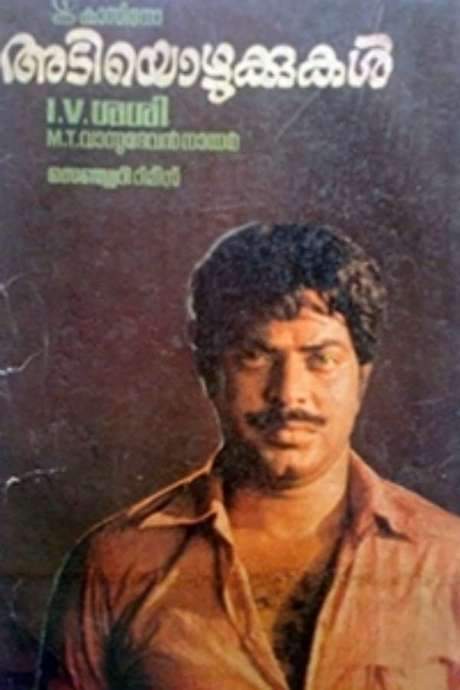
Adiyozhukkukal (1984) Complete Plot Breakdown
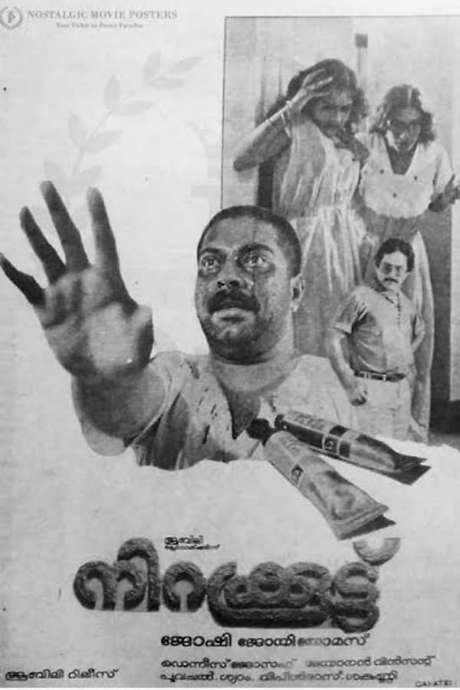
Nirakkoottu (1985) Story Summary & Characters
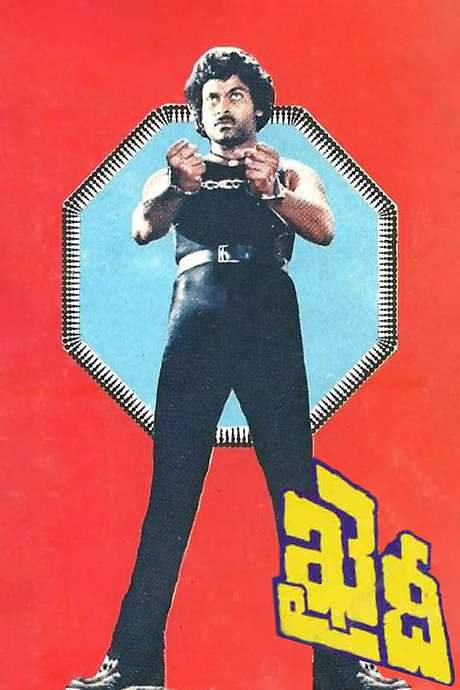
Khaidi (1983) Ending Explained & Film Insights
Padikkadavan (1985) Film Overview & Timeline
Oru CBI Diary Kurippu (1988) Movie Recap & Themes
Oru Vadakkan Veeragatha (1989) Film Overview & Timeline
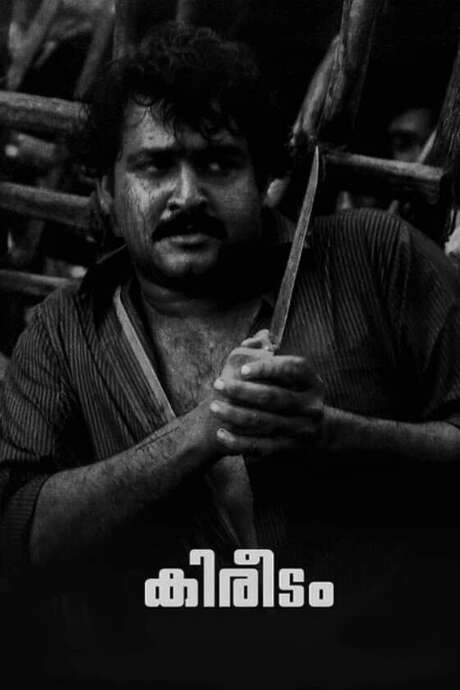
Kireedam (1989) Ending Explained & Film Insights
Naandhi (2021) Complete Plot Breakdown
Kottayam Kunjachan (1990) Spoiler-Packed Plot Recap
Aakhree Raasta (1986) Ending Explained & Film Insights
Anjathe (2008) Complete Plot Breakdown
Indian (1996) Full Summary & Key Details
Oru Abhibhashakante Case Diary (1995) Plot Summary & Ending Explained