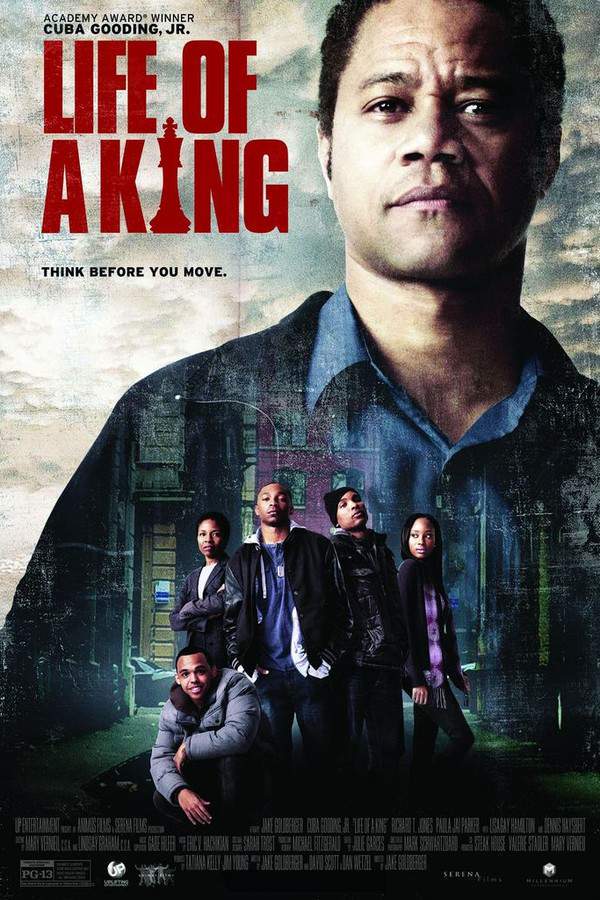
In Washington D.C., former bank robber Eugene Brown seeks redemption by mentoring at-risk inner-city youth through chess. Forming the Big Chair Chess Club, he guides them away from despair and towards a hopeful future. The club's journey takes them from challenging detention settings to competitive tournaments, offering a path to self-discovery and a chance to redefine their lives.
Find where to stream, rent, or buy Life of a King (2014) in the US with current JustWatch availability, up-to-date pricing, and platform listings for subscription, rental, and digital purchase options.
Warning: spoilers below!
Haven’t seen Life of a King yet? This summary contains major spoilers. Bookmark the page, watch the movie, and come back for the full breakdown. If you're ready, scroll on and relive the story!
Read the complete plot breakdown of Life of a King (2014), including all key story events, major twists, and the ending explained in detail. Discover what really happened, and what it all means.
In this inspiring true story, Eugene Brown (Cuba Gooding Jr.) embarks on a transformative journey from confinement to redemption. While serving his time, Eugene, known as “Chess Man,” hones his skills in strategy through intense games of chess, trading cigarettes for the thrill of mental combat. As his release date draws near, he faces mounting concerns about reintegrating into society. Before he leaves prison, Chess Man gifts him a wooden king chess piece, imparting wise words that resonate deeply: > “Take care of the King, everything else follows.”
Upon stepping back into the outside world, Eugene finds it challenging to carve out a sense of purpose and belonging, especially when he tries to reconnect with his daughter Katrina (Trini). Their reunion is fraught with tension, as she delivers the heartbreaking news that his son Marco is stuck in Juvenile Hall, entangled in the drug trade.
A friend intervenes, helping Eugene secure a janitorial position at a local high school. There, he encounters a new set of challenges as he battles against the influence of his old life and his former lieutenant, Perry, who tempts him back with tantalizing promises of wealth. Meanwhile, Eugene discovers that the high school students are a rowdy bunch, engaging in drug dealings and harassment. It falls upon the overwhelmed principal, Sheila King, to rely on Eugene, who surprisingly takes on the role of detention monitor, where he shines brightly, using his natural charisma to connect with the students.
As Eugene builds rapport with the students, he awakens a shared passion for chess. He challenges one of the boys to a game of cards, resulting in a prize that changes their lives forever—the opportunity to learn chess. Two students particularly stand out to Eugene: Tahime and Clifton. However, they are pawns in a broader game orchestrated by the formidable “King Perry,” who demands unwavering loyalty. When Clifton reports Eugene’s efforts at curbing drug activities to Perry, it leads to disastrous consequences, ultimately resulting in Eugene’s dismissal from the school.
Despite facing adversity, Eugene remains resolute, fueled by newfound purpose. Navigating through obstacles, he finds comfort in his chess club, which becomes a gathering space for inner-city youths eager to engage in the game of kings. However, when the local teens refuse to participate except during detention, Eugene partners with Peanut (Peanut), who later assumes the presidency of the club after Eugene gifts him the revered wooden king piece. They establish their club’s base in a run-down house that Eugene leases, turning it into a vibrant hub of activity.
Tragedy strikes when Clifton and Tahime lead Peanut into a robbery that tragically costs him his life. When Eugene returns to the vandalized chess house, he is met with despair as Tahime grapples with the guilt of refusing to continue his partnership with Clifton.
In the wake of this heart-wrenching loss, Tahime returns the wooden king piece—an emotional symbol of Peanut’s sacrifice. Determined, the club gathers its strength to rebuild and spread the word through flyers. Eugene encourages Tahime to enter a local chess tournament, yet when he forges his mother’s signature on the consent form, it results in their disqualification due to the lack of authentic documentation.
Though disappointed, their persistence earns them an invite to a local radio show to share their story. In a candid moment, Eugene admits that they fell short because they didn’t adhere to the rules, leaving Tahime feeling disillusioned. This strain begins to affect Eugene’s relationship with Trini, who feels sidelined as he invests more energy into mentoring Tahime.
Tahime’s commitment to chess deepens, as he dedicates himself to rigorous study and practice. Meanwhile, Clifton faces the bitter consequences of his choices behind bars, a stark reminder of the choices that led to his current situation. As Tahime competes in the Washington, D.C. open tournament, he faces off against J. Thomas Gaines (J. Thomas Gaines), one of the nation’s top players. Although he fights valiantly, he ultimately comes up short, garnering respect from both Gaines and his supporters. His mother watches proudly as a representative from the Urban League extends a helping hand for Eugene’s educational advancement.
The film concludes on a poignant note, showcasing the enduring impact of Eugene’s commitment to the chess club as his children visit the newly rejuvenated chess house—a true testament to the power of resilience and the lasting legacy of community.
Last updated: November 19, 2024 at 12:21
Explore frequently asked questions about Life of a King (2014) with spoiler-rich answers covering the full plot summary, major story beats, character motivations, hidden details, and ending meaning. This movie summary FAQ helps explain confusing scenes, plot twists, and narrative decisions in clear, searchable detail.
Eugene uses chess as a way to connect with the students and give them an alternative to the street life he once lived. Having mastered chess in prison while serving his sentence, he sees the game as a tool to teach discipline, strategy, and critical thinking, skills that can help these at-risk youth escape the cycle of crime and drugs plaguing their community.
The wooden king symbolizes leadership and responsibility. Before Eugene leaves prison, a fellow inmate gifts him the piece with the advice 'Take care of the King, everything else follows.' Eugene later passes this same piece to Peanut, who becomes the club's president, representing the transfer of mentorship and the idea that protecting and leading one's community matters more than individual success.
Clifton betrays Eugene because he is already entangled in King Perry's drug operation and feels pressured to maintain loyalty to his old lifestyle. When Eugene tries to curb drug activities at the school, Clifton sees it as a threat to his position and reports Eugene's efforts to Perry, which ultimately leads to Eugene's dismissal from the school.
Clifton's entanglement with Perry is hinted at early when Eugene notices the students are involved in drug dealings.
Peanut is killed during a robbery that Clifton and Tahime lead him into. The three attempt to commit a robbery, but it goes tragically wrong, resulting in Peanut's death. This devastating event occurs after Eugene has been dismissed from the school and the chess club has moved to the run-down house.
Tahime is disqualified because he forges his mother's signature on the consent form required to enter the tournament. When the tournament organizers discover the signature is not authentic, Tahime and Eugene are removed from the competition, despite their strong performance leading up to that point.
Eugene's relationship with Katrina is tense because he has been absent for much of her life due to his incarceration. When he returns, she is still processing his long absence and resents his reappearance in her life. Additionally, Eugene invests so much of his time and energy into the chess club and mentoring Tahime that Katrina feels pushed aside, further straining their relationship.
King Perry is Eugene's former lieutenant from his criminal past who still operates in the neighborhood. He represents the tempting pull of Eugene's old life, offering him wealth and a return to his previous lifestyle. Perry also exerts control over some of the students, including Clifton, creating conflict for Eugene as he tries to steer youth away from drug dealing.
No, Tahime does not win the Washington, D.C. open tournament. He faces J. Thomas Gaines, one of the nation's top players, and puts up a strong fight but ultimately loses. However, he earns respect from Gaines and his supporters, and his mother watches proudly from the audience.
Eugene's son Marco is stuck in Juvenile Hall when Eugene is released from prison. Katrina tells Eugene that Marco is entangled in the drug trade, which adds to Eugene's motivation to help steer other youth away from a similar path. Marco's fate beyond Juvenile Hall is not explicitly shown in the film.
Eugene is fired from his janitorial position at the high school after Clifton reports his efforts to curb drug activities to King Perry. This betrayal results in Perry's influence causing Eugene's dismissal, even though Eugene was making a positive impact with the students as a detention monitor.
Clifton ends up in jail as a consequence of his choices. After leading the robbery that results in Peanut's death and betraying Eugene, Clifton faces the legal consequences of his criminal activities. The film shows him behind bars as a stark reminder of how his decisions led to a destructive path.
The chess club gives the students an alternative to street life, teaching them discipline, focus, and strategic thinking. Through competitive tournaments, they gain confidence and a sense of purpose. The club becomes a safe space that keeps them away from drugs and crime, with some students like Tahime developing skills that open doors to educational opportunities.
Discover curated groups of movies connected by mood, themes, and story style. Browse collections built around emotion, atmosphere, and narrative focus to easily find films that match what you feel like watching right now.
Damaged individuals find purpose by guiding the next generation away from their past mistakes.Find movies similar to Life of a King that feature powerful stories of redemption through mentorship. These films explore how damaged individuals guide at-risk youth, offering second chances and hope. If you enjoyed Eugene Brown's journey, you'll appreciate these heartfelt dramas about community and positive change.
Stories in this thread follow a character, often with a troubled past, who finds a path to personal redemption by taking responsibility for young people. The narrative typically involves overcoming initial resistance, facing setbacks that test the mentor's resolve, and achieving small, meaningful victories that signify growth for all involved.
These movies are grouped together because they share a core theme of redemption achieved through the nurturing of others. They balance the weight of past failures with the hopefulness of future potential, creating a emotionally resonant, character-driven experience focused on healing and community.
Stories where positive change is earned through struggle, leaving behind a legacy of hope.Discover films like Life of a King that depict hard-won community triumphs. These stories show positive change emerging from struggle, often with bittersweet endings that feel earned and realistic. If you liked the balanced hopeful tone of Life of a King, you'll find similar uplifting yet grounded dramas here.
The narrative pattern involves a group or community facing significant obstacles. While the overall arc leads to a positive outcome or legacy, the journey is marked by setbacks, sacrifices, or losses that prevent a simplistic happy ending. The focus is on the realistic, earned nature of hope.
These films are united by a specific emotional mix: they are ultimately uplifting but acknowledge the pain and cost of progress. They avoid sentimentality by grounding their hope in tangible struggle, creating a deeply satisfying and authentic viewing experience.
Don't stop at just watching - explore Life of a King in full detail. From the complete plot summary and scene-by-scene timeline to character breakdowns, thematic analysis, and a deep dive into the ending - every page helps you truly understand what Life of a King is all about. Plus, discover what's next after the movie.
Track the full timeline of Life of a King with every major event arranged chronologically. Perfect for decoding non-linear storytelling, flashbacks, or parallel narratives with a clear scene-by-scene breakdown.
Discover the characters, locations, and core themes that shape Life of a King. Get insights into symbolic elements, setting significance, and deeper narrative meaning - ideal for thematic analysis and movie breakdowns.
Discover movies like Life of a King that share similar genres, themes, and storytelling elements. Whether you’re drawn to the atmosphere, character arcs, or plot structure, these curated recommendations will help you explore more films you’ll love.
Life of a King (2014) Scene-by-Scene Movie Timeline
Life of a King (2014) Movie Characters, Themes & Settings
Life of a King (2014) Spoiler-Free Summary & Key Flow
Movies Like Life of a King – Similar Titles You’ll Enjoy
Life (1999) Ending Explained & Film Insights
Brooklyn Castle (2012) Ending Explained & Film Insights
Once in the Life (2000) Ending Explained & Film Insights
Kings (2018) Story Summary & Characters
Queen of Katwe (2016) Full Summary & Key Details
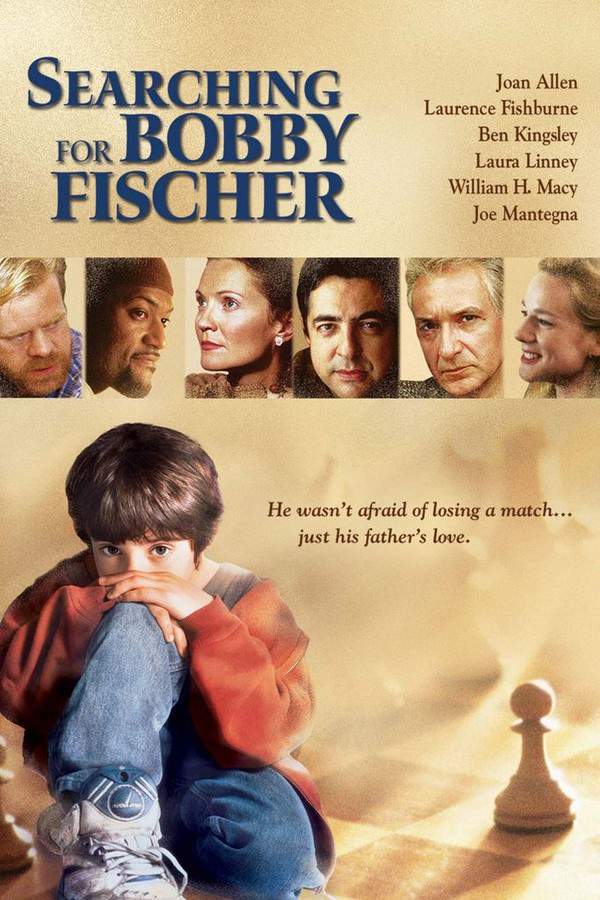
Searching for Bobby Fischer (1993) Ending Explained & Film Insights
This Boy's Life (1993) Ending Explained & Film Insights
The Dark Horse (2016) Detailed Story Recap
Lean on Me (1989) Ending Explained & Film Insights
Life of Crime 1984-2020 (2021) Complete Plot Breakdown
The Great & The Small (2017) Full Movie Breakdown
King of Kings: Chasing Edward Jones (2024) Story Summary & Characters
Knights of the South Bronx (2005) Plot Summary & Ending Explained
King (1000) Movie Recap & Themes
Da Game of Life (1998) Plot Summary & Ending Explained