Year: 1987
Runtime: 156 mins
Language: Tamil
Director: Mani Ratnam
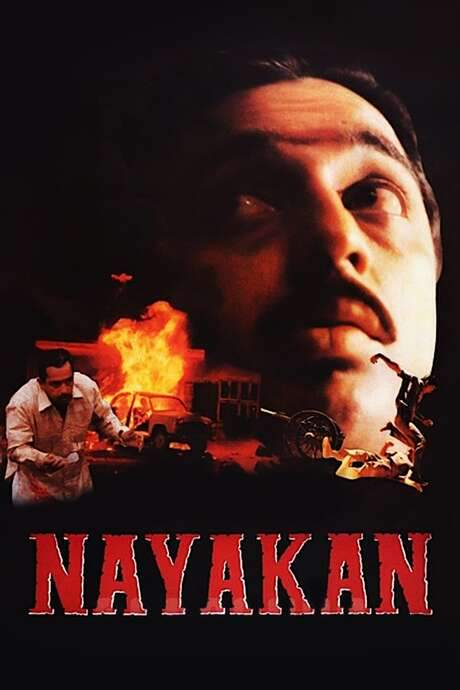
Are you a good man or a bad man? Velu Naicker, who witnesses the brutal murder of his father, kills a corrupt policeman and escapes to Mumbai, only to become a gangster.
Warning: spoilers below!
Haven’t seen Nayakan yet? This summary contains major spoilers. Bookmark the page, watch the movie, and come back for the full breakdown. If you're ready, scroll on and relive the story!
Read the complete plot breakdown of Nayakan (1987), including all key story events, major twists, and the ending explained in detail. Discover what really happened, and what it all means.
Sakthivel Velu Naicker rises from the shadows of a turbulent political climate as the son of a noted anti-government union leader. When the police trap him under the pretense of being well-wishers and release him, Velu hopes for a chance to reconnect with his father. But tragedy strikes: when Velu finally meets his dad, the police shoot him dead. At the funeral, Velu’s grief boils into brutal resolve, and he fatally stabs the police inspector before slipping away to Bombay, where a compassionate smuggler named Hussain Bhai takes him in and shields him in the Dharavi slums.
[Hussain Bhai] grows ill, and Velu steps forward to shoulder the family business, steering the smuggling operations on Hussain’s behalf. His insistence on a bigger commission finds him fiery resistance from the smugglers, who bring in a corrupt inspector to arrest Hussain and kill him in jail. The case is closed as a suicide, but Velu refuses to accept the lie and brutally murders the inspector, Kelkar. He then assumes responsibility for Kelkar’s wife and their son, Ajit, recognizing the human cost of betrayal and corruption.
In this new life, Velu crosses paths with Neela, a schoolgirl forced into prostitution who longs to pursue her education. Her innocence and courage move Velu, and they marry, building a family that includes two children: Surya and Charumathi. Velu’s power and public appeal surge as he becomes a voice for the local people, spreading protection and prosperity through Dharavi and earning the title of the harbour’s king.
Yet danger never strays far. A brutal attack by rival forces claims Neela’s life, and Velu’s thirst for vengeance is soon quenched as he exacts justice on the enemies who sought to snuff out his family. In the wake of this tragedy, Velu sends his children to Madras for safety. Years roll by, and Velu’s influence only grows; the community lovingly calls him Velu Naicker, and his children return to Bombay as adults. [Surya], initially hesitant, follows in his father’s footsteps, while [Charumathi] eventually blazes her own path and grows distant from Velu after a botched mission.
Amid this shifting landscape, a new ACP, Patil, is assigned to clean up Bombay’s gangs. He learns that Charumathi is Velu’s daughter and suspects she might aid her father, a revelation that adds a personal layer to the case. Velu, sensing the tightening noose, decides to surrender to spare his allies, arranging the move through Charumathi. Patil, meanwhile, encounters Kelkar’s widow and the grown-up [Ajit], who reveal the full truth behind his father’s death to no avail. When Velu stands trial, the lack of indisputable evidence against him leaves the court unable to convict, and he is exonerated amid a roaring crowd.
In a poignant moment, Velu reunites with his grandson, Shaktivel. Just as the crowd’s cheers rise to a fever pitch, tragedy strikes again: Ajit shoots Velu, ending his life on the court steps. The film closes with Ajit’s arrest, a stark reminder of how vengeance and justice can collide with devastating outcomes, even for those who fight for the underdog.
Last updated: November 22, 2025 at 16:00
Explore frequently asked questions about Nayakan (1987) with spoiler-rich answers covering the full plot summary, major story beats, character motivations, hidden details, and ending meaning. This movie summary FAQ helps explain confusing scenes, plot twists, and narrative decisions in clear, searchable detail.
Velu kills the police inspector because the same police force that promised to help him actually murdered his father. After being manipulated by police who posed as well-wishers, Velu finally met his father only to watch him get shot dead by the same authorities. The grief and betrayal boiled over at the funeral, leading Velu to stab the inspector responsible and flee to Bombay.
Earlier, the police trick Velu by posing as well-wishers, establishing their deceptive and deadly nature.
Velu escapes to Bombay after killing the inspector and is taken in by Hussain Bhai, a compassionate smuggler in the Dharavi slums. When Hussain falls ill and can no longer manage his smuggling operations, Velu steps forward to support the family business. His efficiency and ambition soon earn him a bigger commission, but more importantly, he inherits and expands the smuggling network, eventually becoming the king of Bombay harbour.
Hussain's kindness in sheltering Velu sets the foundation for his entry into criminal enterprise.
After Velu discovers that corrupt inspector Kelkar orchestrated Hussain's arrest and death in jail (framed as suicide), Velu murders Kelkar in revenge. However, he then chooses to care for Kelkar's widow and their mentally challenged son Ajit, recognizing the human cost of his actions. This decision shows Velu's complex moral code, he kills corrupt officials but takes responsibility for their innocent families.
Kelkar's involvement in Hussain's death makes him a target, but Velu's later compassion for Ajit plants the seed for the tragic ending.
The Reddy brothers challenge Velu to a bet over smuggling outcomes. When Velu prevails and wins the bet, the Reddy brothers lose face and retaliate by staging a brutal attack on Velu and his family. This attack results in Neela's death, prompting Velu to exact brutal vengeance on his enemies.
The bet with the Reddy brothers establishes the rivalry that escalates to violence.
After Neela is killed in the attack by the Reddy brothers, Velu decides to send his children Surya and Charumathi to Madras for their safety. With his enemies still threatening his family and his criminal empire drawing increasing danger, Velu wants to protect his children from the violence that has already claimed his wife's life.
Neela's death is the catalyst that forces Velu to separate from his children for their protection.
Surya dies while attempting to escape from the police during a botched mission. As an adult following his father's footsteps in the criminal underworld, Surya finds himself cornered at a petrol bunk by police and dies in the subsequent explosion while trying to flee.
Surya's decision to follow his father's criminal path inevitably leads him to the same dangers Velu faced.
Charumathi blames Velu for Surya's death, believing that if Velu had not involved his son in the criminal world, Surya would still be alive. This tragedy creates a permanent rift between Charumathi and her father, leading her to disown him and eventually distance herself from his life.
Surya's initial hesitation to join his father's world foreshadows the fatal consequences of that involvement.
Velu surrenders to spare his allies from torture, but when he stands trial, the court lacks indisputable evidence to convict him. Despite his notorious reputation as a gangster, the prosecution cannot prove the crimes beyond reasonable doubt, and Velu is acquitted, greeted by cheering supporters outside the courtroom.
Velu's careful management of his criminal empire leaves little direct evidence linking him to specific crimes.
Ajit is the mentally challenged son of Inspector Kelkar, whom Velu killed for revenge. Despite Velu caring for Ajit and his mother after Kelkar's death, Ajit's underlying psychological trauma and need to avenge his father's murder ultimately surface. When Velu is exonerated and celebrating outside the courthouse, Ajit shoots him, fulfilling his own desire for vengeance despite Velu's years of guardianship.
Velu's decision to care for Kelkar's family plants the seed for this tragic irony, his own death comes from the family he tried to protect.
Discover curated groups of movies connected by mood, themes, and story style. Browse collections built around emotion, atmosphere, and narrative focus to easily find films that match what you feel like watching right now.
Morally complex stories charting an anti-hero's violent ascent and inevitable fall from power.Explore movies like Nayakan that follow the tragic trajectory of a crime lord. These films are emotionally heavy character studies set in worlds of organized crime, exploring themes of power, family, and moral decay with a dark tone and steady, epic pacing.
Narratives typically follow a linear, chronological rise-to-power arc spanning decades. The protagonist, often starting from a place of trauma or injustice, gains influence through a mix of charisma and ruthlessness. However, each victory is shadowed by personal sacrifice, leading to an inevitable, bittersweet or bleak conclusion where power proves hollow.
These films are grouped by their shared focus on the psychological and emotional toll of a life of crime. They feature intense, violent worlds, morally ambiguous protagonists, and a heavy, melancholic mood that questions the very nature of good and evil.
Cycles of violence sparked by personal trauma, blurring the lines between justice and corruption.Discover movies similar to Nayakan that explore dark, morally complex journeys of revenge. If you liked the theme of a life defined by a traumatic event and a violent quest for justice that leads to moral ambiguity, these films deliver a heavy, intense experience.
The story is triggered by a traumatic loss or betrayal that shatters the protagonist's world. Their pursuit of revenge becomes the central driving force, often spanning years and leading them deeper into a world of violence and corruption. The narrative explores the psychological toll of this obsession, culminating in an ending that questions whether any form of justice was truly achieved.
These movies share a dark, oppressive tone rooted in the theme of vengeance. They feature high-intensity violence, anxious and melancholic moods, and protagonists whose initial righteous anger becomes tangled with moral compromise, creating a powerful and unsettling viewing experience.
Don't stop at just watching - explore Nayakan in full detail. From the complete plot summary and scene-by-scene timeline to character breakdowns, thematic analysis, and a deep dive into the ending - every page helps you truly understand what Nayakan is all about. Plus, discover what's next after the movie.
Track the full timeline of Nayakan with every major event arranged chronologically. Perfect for decoding non-linear storytelling, flashbacks, or parallel narratives with a clear scene-by-scene breakdown.
Discover the characters, locations, and core themes that shape Nayakan. Get insights into symbolic elements, setting significance, and deeper narrative meaning - ideal for thematic analysis and movie breakdowns.
Discover movies like Nayakan that share similar genres, themes, and storytelling elements. Whether you’re drawn to the atmosphere, character arcs, or plot structure, these curated recommendations will help you explore more films you’ll love.
Nayakan (1987) Scene-by-Scene Movie Timeline
Nayakan (1987) Movie Characters, Themes & Settings
Nayakan (1987) Spoiler-Free Summary & Key Flow
Movies Like Nayakan – Similar Titles You’ll Enjoy
Vada Chennai (2018) Detailed Story Recap
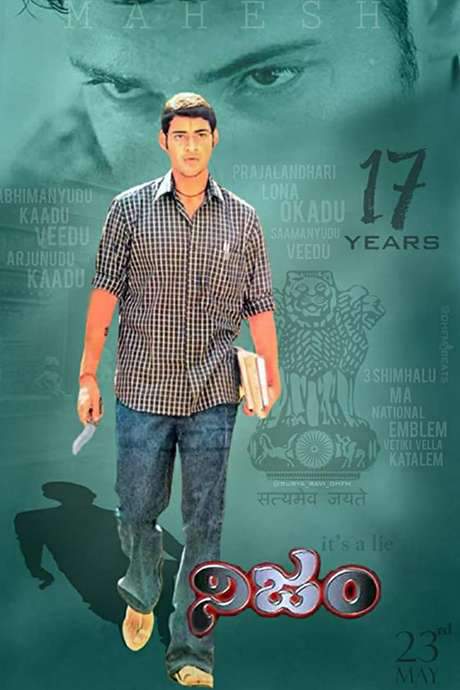
Nijam (2003) Ending Explained & Film Insights
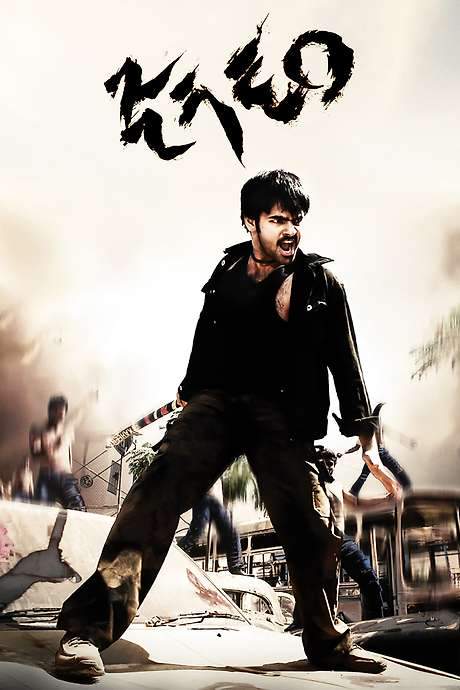
Jagadam (2007) Detailed Story Recap
Aan: Men at Work (2004) Detailed Story Recap
Indrajaalam (1990) Full Movie Breakdown
Nayam Vyakthamakkunnu (1991) Full Summary & Key Details
Dayavan (1988) Spoiler-Packed Plot Recap
Nay Varan Bhat Loncha Kon Nai Koncha (2022) Movie Recap & Themes
Nayattu (2021) Plot Summary & Ending Explained
My Name Is Vendetta (2022) Complete Plot Breakdown
Mahanadhi (1994) Detailed Story Recap
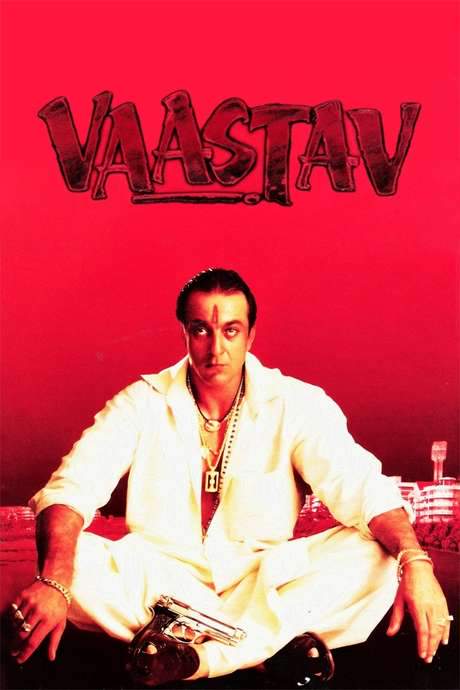
Vaastav (1999) Detailed Story Recap
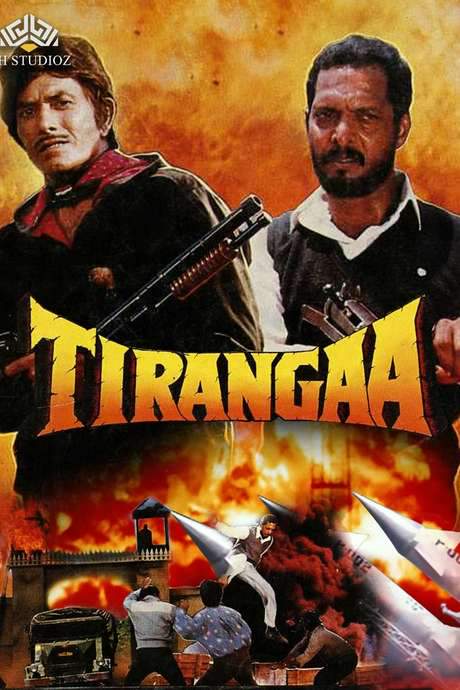
Tirangaa (1993) Detailed Story Recap
Khal Nayak (1993) Plot Summary & Ending Explained
Indian (1996) Complete Plot Breakdown