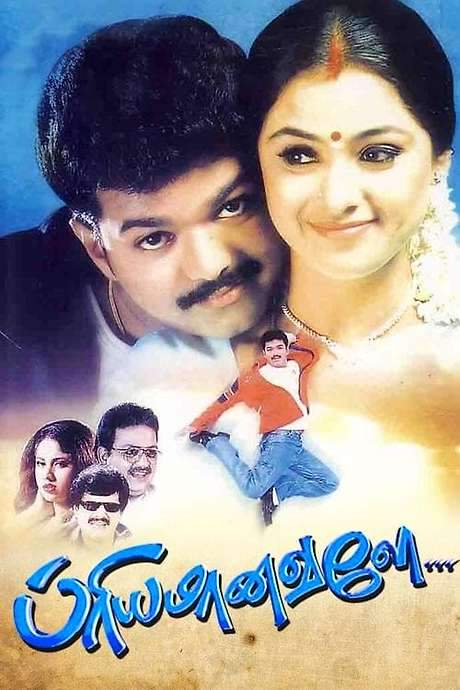
Vijay, a professional photographer from a middle‑class background, falls in love with Priya, a woman from a wealthy family. Their romance faces immediate resistance from Priya’s father, Rajasekhar, a man who guards the boundaries of class with sharp, calculating instinct. Undeterred, the couple chooses to marry despite his opposition, driven by a stubborn conviction in their own feelings.
Yet the union quickly strains under the weight of social difference. Rajasekhar uses every possible lever to drive a wedge between the newlyweds, and the pressure takes a toll on the couple’s harmony. Their vows are tested as misunderstandings and family pressure chip away at the happiness they thought they had secured. When the couple’s fight turns bitter, Priya returns to her parents, and Rajasekhar intensifies his campaign to end the marriage by pressing for a divorce.
A turning point arrives when Priya visits a doctor and discovers she is pregnant. The news fills her with guarded joy, and she longs to share the happiness with Vijay. However, Rajasekhar steps in again, orchestrating a plan that would sever the bond between Priya and her husband. He fixes a remarriage for Priya and forbids contact with Vijay, forcing Priya to attempt a fragile reconciliation on her own. She slips away from her father’s grip and makes her way to Vijay’s home, only to find it empty—the place that could have become a sanctuary is no longer theirs.
The narrative intensifies at the hospital, where fate intensifies its grip. Vijay, visiting a friend, learns that Priya has come in with labor pains. Rajasekhar presents a chilling demand: he will allow Vijay to have the baby only if he agrees to never see Priya again. In a moment of desperate resolve, Vijay agrees. Priya gives birth to a son, and the baby’s arrival is shrouded in silence and secrecy. Vijay takes their child away, while Priya’s father tells her that the baby did not survive. The news shatters her, and she sinks into a deep, painful grief that threatens her sanity.
In the years that follow, Vijay raises the child away from Priya’s family, trying to shield him from the fractured past. Priya’s life becomes a shadow of its former brightness; she grows increasingly withdrawn, haunted by the belief that her baby is lost forever. She carries a doll everywhere, clinging to the memory of the son she never truly held, and her mind wavers between hope and despair.
Decades pass, and the world around them changes, but the human heart keeps pressing for clues and connection. Priya is suddenly brought near Vijay’s neighborhood by her parents, who hope to stir some sense of healing in her. There, she encounters a boy who seems to belong to the very street she has come to fear and remember. As the boy draws her into his world, a realization dawns: he is the son she believes is gone. This boy, who has grown up with his own quiet sense of belonging, guides Priya to Vijay, setting the stage for a poignant confrontation with the past and a faint, hopeful possibility of reconciliation.
In this story of love tested by social divides, the path to forgiveness is slow and fraught with pain. The film tracks the long arc of a family torn apart by pride and circumstance, and it asks whether a mother’s longing and a man’s steadfast devotion can bridge the gulf that years of separation have carved. Through the quiet courage of its leads and the stubborn endurance of a family traditions, the movie reveals that sometimes the simplest acts—returning to the ones you love, accepting a second chance, and letting a child find their own way—can be the most powerful moments of connection.