











Plot Explained Spoilers guaranteed!
Plot Explained

Browse by genre

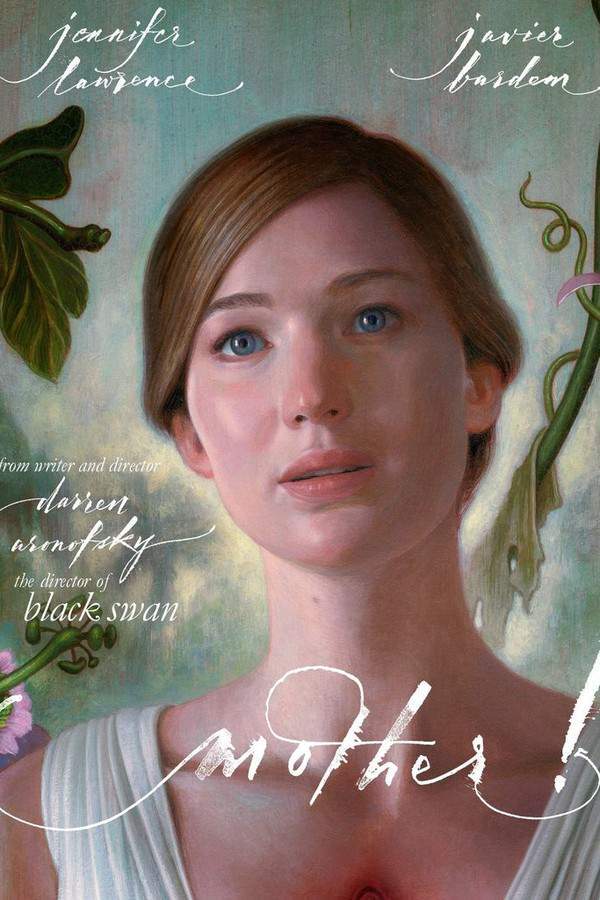
mother! (2017) movie poster

Timeline

mother! (2017) Timeline Explained – Every Event in Order

Release, runtime and language
2017 · 121 min · Czech
Echo score 63
JustWatch #4,019 13
Directed by
Darren Aronofsky
Starring
Javier Bardem, Kristen Wiig, Domhnall Gleeson, Jennifer Lawrence, Michelle Pfeiffer, Ed Harris
Budget
$30M

A writer and her husband live a secluded life in a remote house, enjoying peace and quiet until unexpected guests arrive. As the visitors’ presence disrupts their sanctuary, unsettling events unfold, revealing the fragility of their relationship and exposing disturbing truths about humanity and the world beyond their home. The couple must then grapple with the increasingly chaotic situation and confront the consequences of the visitors' intrusion.

On this page (6)
  1. 1 Where to watch
  2. 2 Events in order (15)
  3. 3 Timeline questions answered
  4. 4 Movie threads
  5. 5 Movies like mother!
  6. 6 Every angle

Where to watch

Where to Watch mother! (2017)

Where can you watch mother!? Stream, rent or buy it in the US, including on fuboTV, MGM Plus and Philo: current JustWatch availability with up-to-date prices.

Streaming availability powered by JustWatch

15 events in order · contains spoilers

mother! Timeline: Events in Chronological Order

Every key event of mother! (2017) in order, scene by scene, with when and where it takes place. Use it to untangle flashbacks, time jumps and parallel storylines, to refresh your memory before the sequel or to find the exact scene you are thinking of.

  1. The Beginning

    The film opens with a woman engulfed in flames, her body consumed by fire as screams fill the background. This eerie scene sets a tone of chaos and destruction that lingers throughout the narrative.

  2. Him's Refurbished Home

    A man, referred to as 'Him,' places a crystal object in his bedroom. This object magically transforms the rundown house into a beautiful, refurbished home, marking a significant change in the setting.

    Where
    Him's house
  3. Mother's Despair

    Mother, portrayed by Jennifer Lawrence, appears in bed next to Him, who is absent. She searches for him, revealing her confusion and the emptiness she feels in their relationship as she begins to explore their home.

    Where
    Him's bedroom
  4. Unexpected Guests

    The tranquility of the home is disrupted by a knock at the door. A stranger, 'Man,' enters, and despite Mother's discomfort, Him welcomes him into their lives, leading to an awkward dynamic in the house.

    Where
    Him's house
  5. Flesh and Ominous Signs

    Mother's unease grows as she observes Man exhibit bizarre behaviors, including violent coughing fits and a disturbing injury on his side. These signs hint at a deeper, more sinister presence within the home.

    Where
    Him's bathroom
  6. Woman's Arrivals

    Man's wife, 'Woman,' arrives soon after, further unsettling Mother. As the new arrivals disrupt the home, Mother feels increasingly left out of Him's life and uncertain about their relationships.

    Where
    Him's house
  7. Tragic Consequences of Violence

    Tensions escalate when Man and Woman's sons arrive, bickering over inheritance. The argument turns deadly, culminating in Oldest Son brutally killing Younger Brother, leading to chaos and bloodshed.

    Where
    Him's bedroom
  8. Blood and the Basement

    Following the violent confrontation, Mother discovers a persistent blood stain on the floor. Investigating further, she finds blood leaking into the basement, where she uncovers a dark secret related to the house's history.

    Where
    Him's basement
  9. Wake of Grief

    The arrival of guests for Younger Brother's wake overwhelms Mother. As she struggles with the noise and grief, her agitation builds, leading to a climactic argument with Him that reignites their passion.

    Where
    Him's house
  10. Pregnancy Revelation

    After a night of passion, Mother announces she is pregnant, which fills Him with joy and inspires him to begin writing again. This moment of hope contrasts sharply with the chaos surrounding them.

    Where
    Him's house
  11. The Influx of Fans

    As Mother's pregnancy progresses, Him's fans begin arriving at the house, drawn by his newfound inspiration. What starts as a celebration quickly devolves into disorder as the crowd becomes unruly and destructive.

    Where
    Him's house
  12. Birth Amidst Chaos

    Mother goes into labor during the chaos and gives birth to a baby boy. In a desperate attempt to protect her son, she pleads with Him to send the fans away, showcasing her maternal instincts amidst turmoil.

    Where
    Him's office
  13. Tragic Loss

    After a day of holding her newborn, Mother awakens to find her baby gone. The horrifying reality sets in as Him brings their son to the waiting crowd, who brutally mutilate and consume him.

    Where
    Him's house
  14. Mother's Fury

    In a moment of rage and despair, Mother retaliates against the crowd after witnessing the horror they inflicted upon her child. This violent confrontation escalates as Him desperately attempts to protect her.

    Where
    Him's house
  15. Cycle of Destruction

    In a final act of defiance, Mother sets the house ablaze, symbolizing the end of her suffering. The cycle resets, as Him survives unscathed and prepares to begin again, ultimately introducing a new woman into his life.

    Where
    Him's house

Last updated: December 24, 2024 at 10:01

Was this helpful?

Timeline questions answered

mother! Timeline Explained: Your Questions Answered

When does it happen, and why in that order? The questions people ask about the chronology of mother! (2017): time jumps, flashbacks, cause and effect between scenes and the correct order of events, each answered with spoilers.

Q1

Why does Him keep inviting more people into the house even though Mother clearly wants them to leave?

Him is depicted as a creator figure who thrives on adoration and attention from others. His writer's block stems from losing his previous muse (the first wife), and he views each new visitor as potential inspiration. Despite Mother's warnings, he prioritizes his creative needs over her discomfort, seeing the visitors as necessary for his artistic revival. His welcoming nature isn't generosity, it's a dependency that ultimately destroys their relationship.

Foreshadowing: Earlier, Him mentions his writer's block and the loss of his first wife, hinting at his pattern of seeking new muses.

  • Him
  • mother
  • visitors
  • writer
  • invitation
  • conflict
Q2

What is the crystal object and how does it transform the ruined house into a beautiful home?

The crystal appears to be a mystical artifact that functions as a creative force, essentially materializing Him's vision into reality. When he places it in the bedroom, the house instantly transforms from a decrepit wreck into a pristine living space. This reflects Him's role as a creator who can manifest his desires, but also suggests the artificial, unsustainable nature of his world. The crystal serves as the literal and symbolic foundation of his domain.

Foreshadowing: The opening scene shows a woman burning, likely the result of a previous cycle when the crystal's power was exhausted.

  • crystal
  • house
  • transformation
  • magic
  • object
Q3

What does Mother discover in the basement of the house?

Mother discovers a dark, blood-soaked basement that represents the foundation of Him's previous creations, the accumulated toll of his cycles. She finds blood seeping through the floor, indicating that the house's structure is literally built on violence and sacrifice. This hidden space reveals that every previous iteration of their world has ended in bloodshed, foreshadowing the ultimate sacrifice that will occur.

Foreshadowing: The violent death of the younger son and the persistent bloodstain on the floor lead Mother to investigate below.

  • basement
  • blood
  • discovery
  • secret
  • house
Q4

Why does Him allow the fans to take the baby after Mother gives birth?

Him's obsession with his audience and creative validation overrides his protective instincts as a father. When the crowd demands to see the child, he relents because their adoration mirrors his need for worship, he cannot refuse those who praise him. This moment exposes his fundamental flaw: he values the love and attention of strangers over the safety of his own child. The baby becomes another offering to his followers.

Foreshadowing: Throughout the film, Him consistently prioritizes his relationship with visitors over Mother's feelings, foreshadowing this ultimate betrayal.

  • baby
  • crowd
  • Him
  • Mother
  • kidnapping
  • worshippers
Q5

What do the unnamed characters represent in the film?

The characters function as biblical allegories: Him represents God/the Creator, Mother represents Earth/Nature/the Muse, Man is Adam, Woman is Eve, and the two sons are Cain and Abel. The arriving fans symbolize humanity's worship, devotion, and ultimately their destructive capacity. The film reimagines the creation story, the fall of man, and fratricide as a循环 of exploitation where the creator constantly seeks new muses while destroying the current one.

Foreshadowing: The naming convention itself signals allegory, characters are identified by their roles rather than individual identities.

  • allegory
  • biblical
  • symbolism
  • characters
  • meaning
  • Adam
  • Eve
Q6

What does the opening scene with the burning woman mean?

The opening scene depicts the end of a previous cycle, the previous 'Mother' figure being consumed by fire, just as the current Mother will be. This is the film's way of establishing its cyclical structure from the very beginning. The woman who burns is essentially the same entity as Mother, representing that this exact scenario has happened countless times before and will continue to repeat.

Foreshadowing: This is the opening image, establishing the循环 nature before the story proper begins.

  • opening
  • fire
  • woman
  • burning
  • cycle
  • beginning
Q7

What happens to Mother at the end of the film?

Mother is burned alive when she sets the house on fire in her grief and rage over losing her child. However, after her body turns to ash, Him reaches into her chest and removes her heart, the source of her life force. He then crushes it, killing her completely. This represents the ultimate exploitation: even her death becomes material for his next cycle. She is destroyed utterly, while he survives unchanged to begin again.

Foreshadowing: The opening fire and the basement blood both foreshadow Mother's fiery demise.

  • Mother
  • death
  • fire
  • heart
  • ending
  • destruction
Q8

Why does the cycle restart at the end of the film?

The cycle restarts because Him, the eternal creator figure, cannot exist without a muse to inspire him. After destroying Mother, he simply finds another woman (another Earth/nature/muse) to begin the process anew. The final scene shows the new Mother appearing in bed, calling for 'Baby,' just as the previous Mother did. This represents the endless, exploitative pattern of creation where the creator uses up and destroys his greatest gifts repeatedly.

Foreshadowing: The repeated line 'Baby?' and Him's statement 'I am I and you are home' establish his unchanging nature across cycles.

  • cycle
  • restart
  • repeat
  • ending
  • new
  • beginning
Q9

Why is Him the only one who survives the fire at the end?

Him survives because he exists outside the natural order, he is the creator figure who cannot be destroyed by his own creation. The fire is an act of destruction that he permits, but he is immune to it. This reflects his role as an eternal, self-perpetuating entity. Mother, as the created being (representing Earth/nature), is subject to destruction, while Him persists across cycles, unchanging and undamaged.

Foreshadowing: Throughout the film, Him is shown as having power over life and death but never being personally harmed.

  • Him
  • fire
  • survive
  • injury
  • immune
  • creator
Q10

What is the wound on Man's side and why does he cough violently throughout the film?

Man's wound on his ribs represents the 'rib' from which Eve (Woman) was created, his injury literally echoes the biblical creation story. His violent coughing fits symbolize the labored breathing of a dying world, reflecting the declining state of the environment. The wound never heals because the couple represents humanity's fundamental brokenness and their inability to exist peacefully within the created world.

Foreshadowing: This injury appears shortly after they arrive, establishing their doomed nature from the start.

  • Man
  • coughing
  • wound
  • ribs
  • biblical
  • illness
Q11

Why does Him's writing suddenly improve after Mother becomes pregnant?

Mother's pregnancy represents the birth of new creation, the ultimate muse and source of inspiration for a creator. Her carrying a child awakens Him's creative power because she becomes the literal embodiment of new life. This inspiration attracts his fans, who arrive seeking to witness and worship his genius. The pregnancy is the catalyst that brings both his creative revival and the chaos that follows.

Foreshadowing: Mother's earlier artistic attempts to 'paint the house with color' represent her own creative essence, which Him ignores until she can create something for him.

  • pregnancy
  • writing
  • inspiration
  • Mother
  • Him
  • fans
Q12

Why does the older son kill his younger brother in the film?

The older son murders his younger brother over inheritance, the same Cain and Abel story from the Bible. This fratricide represents the inherent violence and competition within humanity, sparked by greed and jealousy. The argument over their father's will mirrors how humanity fights over territory and resources. This violent act marks the turning point where chaos definitively enters the once-peaceful home.

Foreshadowing: The two sons arrive already arguing, showing their contentious relationship from the moment they appear.

  • son
  • killing
  • brother
  • murder
  • inheritance
  • fight
Q13

What does it mean when Him reaches into Mother's chest and removes her heart?

Him removing Mother's heart represents the complete extraction of her life force, creativity, and purpose, the very essence that made her 'home.' In allegory, this is the creator taking from nature everything she has to give until nothing remains. The heart is also symbolic of love; by crushing it, Him demonstrates that his need for adoration supersedes any genuine connection. This act ensures she cannot return or resist, the ultimate exploitation.

Foreshadowing: Mother's earlier line 'I am home' establishes that her identity is tied to being his space of creation.

  • heart
  • chest
  • extraction
  • symbolism
  • love
  • creator
Q14

Why do Him's fans turn from adoring worshippers into a violent mob?

The fans represent humanity's relationship with God/creation, initially reverent and appreciative, but quickly becoming destructive when competing for attention and resources. Their violence escalates as more people arrive, showing how crowds devolve into chaos when unchecked. They are not evil by nature but become destructive when given unchecked access to the creator. The mob destroys the home (the world) because they consume everything without respect or restraint.

Foreshadowing: The breaking of the crystal and the violent argument between sons establish early that disruption leads to destruction.

  • fans
  • mob
  • violence
  • worshippers
  • crowd
  • destruction

Movie threads

More Movies Like mother!, by Mood & Story

Curated lists built around what makes mother! tick: the same mood, the same kind of story or the same emotional payoff. Each list explains why these movies belong together.

Surreal home invasion horror like in mother!

Stories where a home becomes a stage for surreal and invasive horrors. If you liked the surreal and allegorical home invasion in mother!, explore more movies where domestic spaces turn into nightmarish landscapes. These films share a similar vibe of claustrophobic dread, oppressive atmosphere, and the unsettling breakdown of a safe haven, perfect for fans of psychological and symbolic horror.

  • surreal
  • claustrophobic
  • unsettling
  • feverish
  • oppressive
  • chaotic
  • Tone: dark, unsettling, oppressive
  • Pacing: variable, starting slow and building to chaotic
Why these movies?

The story pattern: Narratives in this thread typically begin with an idyllic or peaceful domestic setting that is gradually invaded, either by literal intruders or by abstract, allegorical forces. The protagonist's sense of control and safety erodes, leading to a feverish and often non-linear descent into chaos that comments on broader societal or existential fears.

Why they belong together: Movies are grouped here based on their shared core premise: the home as a besieged fortress against surreal or symbolic threats. They connect through a potent mix of claustrophobic setting, high psychological tension, and a narrative structure that prioritizes allegorical meaning over literal plot, creating a uniquely unsettling viewing experience.

Complex allegorical thrillers like mother!

Complex allegories depicting the violent unraveling of a controlled system. For viewers who appreciated the dense biblical and artistic allegory in mother!, this collection features similar movies with very complex narratives and bleak endings. These films challenge interpretation, using symbolic stories to explore heavy themes like creation, sacrifice, and humanity's destructive nature, offering a profound and intense experience.

  • symbolic
  • complex
  • bleak
  • philosophical
  • disturbing
  • thought-provoking
  • Tone: dark, bleak, intellectual
  • Pacing: variable, often building to a climax
Why these movies?

The story pattern: The narrative pattern involves a central metaphor (e.g., artistic creation, biblical story, societal model) that dictates the plot's events. Characters often represent abstract concepts, and the story follows the violent or chaotic failure of the system they inhabit. The journey is one of increasing confusion and devastation for the protagonist, who is usually a sacrificial figure within the allegory.

Why they belong together: These films are grouped by their commitment to complex, non-literal storytelling that serves a grand allegorical purpose. They share a very high narrative complexity, a dark tone, a heavy emotional weight, and a bleak ending feel, united by their ambition to use cinema as a vehicle for exploring profound, often disturbing, philosophical ideas.

If you liked this

Movies Like mother!

Similar movies to mother!: the same genre, themes or kind of story. Each one comes with its own plot summary, timeline and ending explained.

Browse all movie summaries

Every angle

mother! (2017) Explained: Plot, Ending, Timeline & Characters

Everything about mother! in one place: what happens in the plot summary, the timeline in chronological order, the characters and meaning, the ending explained and a spoiler-free summary. What's After the Movie adds the cast, box office and post-credit scenes.

Coming soon on iOS and Android

The Plot Explained Movie Summary App

Plot summaries, endings explained and timelines on your phone. Catch up on any movie in minutes, save your favorites and never miss a twist again.

Be the first to know when we launch. Your email stays private, always.

Learn more about the app