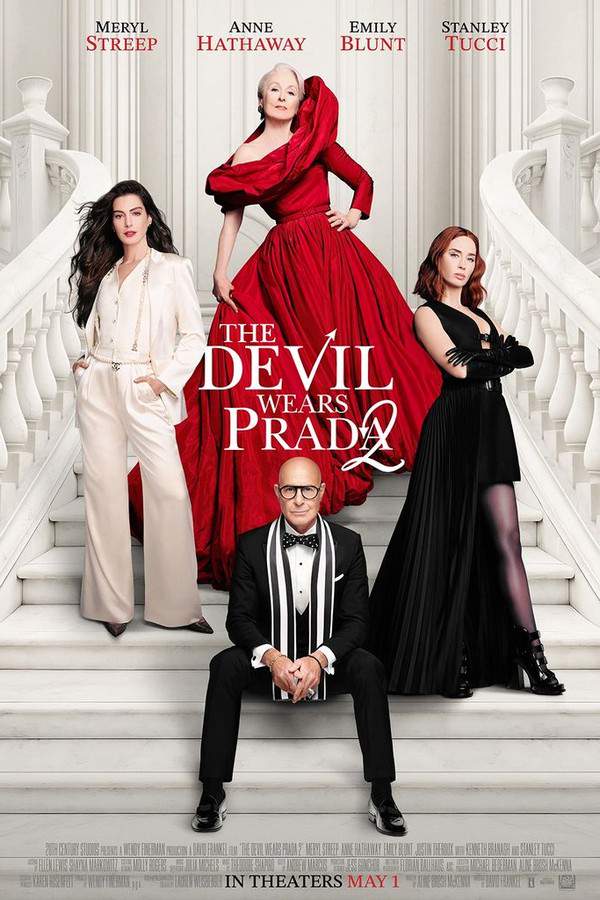
The central conflict of The Devil Wears Prada 2 revolves around a high-stakes power struggle for control of Runway magazine, and the resolution brings surprising alliances and hard-won victories. When the company chairman dies and his son Jay takes over, he threatens to dismantle the magazine's legacy in pursuit of quick profits, cutting entire departments and dismissing the artistic value that defines Runway. In a desperate bid to save the publication, Andy orchestrates a plan to purchase the magazine with the help of Emily and Emily's wealthy fiancé, Benji. However, Emily has her own agenda—she intends to seize control for herself and push Miranda out entirely. The tension culminates when Andy and Miranda set aside their differences and join forces, reaching out to Benji's ex, Sasha, who ultimately buys the magazine and ensures it remains under Miranda's leadership.
The ending delivers a sense of triumph for the characters who truly value what Runway represents. Miranda not only retains her position but is positioned to achieve her long-sought promotion, while Andy finds renewed purpose at the magazine and continues her romantic relationship with Peter. Nigel, long underappreciated, finally receives recognition from Miranda and takes center stage at a major fashion event. Even Emily, whose scheme fails and who is left by Benji, finds resolution through an affirmed friendship with Andy. The film extends its generosity to nearly everyone—the assistants receive promotions, and Miranda gives Andy her blessing to write a book about her, leaving the door open for new creative possibilities.
Beyond the character resolutions, the film offers a pointed commentary on the state of modern journalism and the cultural value of art. Andy's journey begins with the painful experience of being fired from a newspaper despite award-winning work, a scenario that mirrors the real-world erosion of respected media institutions. Her defense of Runway is not just about saving a magazine but about preserving a space where quality journalism and creative vision still matter. The antagonists, Jay and Benji, are portrayed as wealthy, out-of-touch figures who see media only as an investment opportunity, devoid of respect for its mission. In the end, The Devil Wears Prada 2 argues that beauty, culture, and genuine storytelling deserve protection—and that those who fight for them, together, can win against forces that care only about profit margins. The film celebrates the idea that people coming together in defense of something greater than themselves can turn the tide, a message delivered with both warmth and relevance for today's world.