













This gripping drama follows Steve Harmon, a bright teenager whose life takes a dramatic turn when he’s accused of a crime. The film chronicles his experience navigating the justice system, from his high school to the courtroom, as he struggles to prove his innocence. Through his perspective, the story explores the complexities of guilt, perception, and the fight for freedom in a tense and emotional journey.
Warning: spoilers below!
Haven’t seen Monster yet? This summary contains major spoilers. Bookmark the page, watch the movie, and come back for the full breakdown. If you're ready, scroll on and relive the story!
Still thinking about how Monster (2021) ended? Here’s a full breakdown of the ending, key final moments, major twists, and the deeper meaning behind the film’s conclusion.
In the end, Monster reveals that much of what we see is filtered through the characters’ perceptions and misunderstandings. Throughout the film, different perspectives—Saori’s, Hori’s, and Yori’s—shift and challenge our notions of guilt, innocence, and truth. When Saori accuses Hori of mistreating Minato, it appears straightforward at first, but as the story unfolds, we learn that Hori truly cares for the children, and many accusations are based on rumors, miscommunication, or misjudgments. Hori’s intentions are benign, and the incident with Minato’s nose was an unfortunate accident, not abuse.
Many misunderstandings stem from the rumors and stereotypes that characters buy into, fueling a cycle of suspicion and blame that escalates over time. Hori, misunderstood as a monster, is actually a kind and sincere teacher caught in a web of community prejudices and media sensationalism. Conversely, Saori’s fears and accusations are driven by her inability to understand her son’s emotional development, leading her to seek external monsters to explain his strange behavior.
When the perspectives shift to Yori, it becomes clear why Minato kept their friendship a secret. Minato was vulnerable to societal pressures about masculinity and fear of ridicule, which made him hide his true feelings and their relationship, even from himself. Their secret bond was a source of solace for both boys, a safe space amid the misunderstanding and hostility they faced. The bond between Minato and Yori ultimately becomes a symbol of innocence and genuine connection, contrasting sharply with the prejudice and suspicion that permeate their lives.
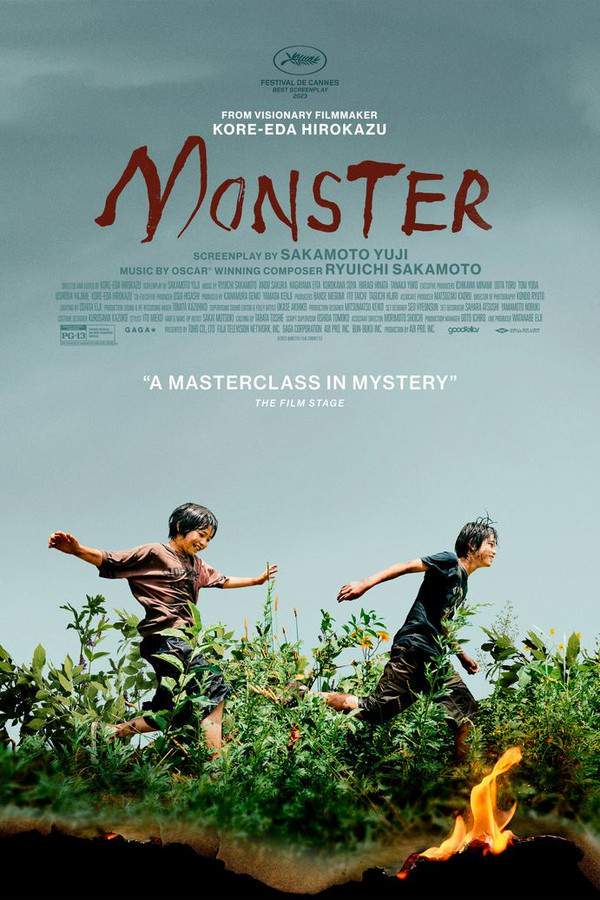
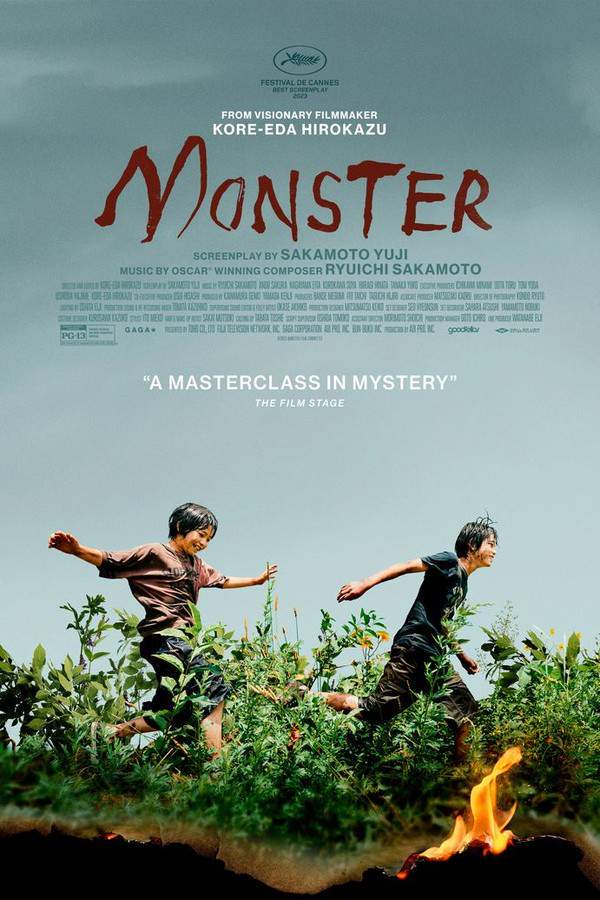
Finally, the film concludes on a surprisingly hopeful note. As Minato and Yori play freely in the sunlight, it’s a moment of liberation from confusion and accusations, demonstrating that understanding and acceptance can emerge despite the chaos. Their innocent laughter signifies a renewal, a sense that even in a world filled with misconceptions, compassion and friendship can prevail. The ending suggests that youth and innocence hold the power to reset perceptions, hinting at the possibility that truth and genuine human connection can shine through, bringing clarity to a world clouded by fear and misunderstanding. Last Updated: July 21, 2025 at 10:29
Discover curated groups of movies connected by mood, themes, and story style. Browse collections built around emotion, atmosphere, and narrative focus to easily find films that match what you feel like watching right now.
Stories where the truth is pieced together from contradictory accounts and perspectives.If you liked the way Monster revealed its story through different viewpoints, you'll appreciate these movies. This selection includes similar tense dramas and crime stories where the narrative structure is key to unraveling a complex emotional truth.
The narrative pattern revolves around a central mystery or conflict that is revisited from different character perspectives. This structure deliberately creates ambiguity and cognitive dissonance, leading to a pivotal revelation that re-contextualizes everything the viewer thought they knew. The journey is as much about understanding the characters' perceptions as it is about the plot.
Movies are grouped here for their shared use of perspective as a narrative device. They create a gripping, puzzle-like experience where tone is tense, pacing is methodical, and the emotional payoff hinges on the audience's journey of discovery alongside the characters.

Emotional journeys of young protagonists facing harsh societal systems and moral crises.For viewers seeking more emotionally heavy stories about young people like the one in Monster. These movies feature teenagers grappling with serious accusations, systemic failure, and the bittersweet loss of innocence in a complex world.
The narrative follows a young protagonist whose life is upended by an accusation or a systemic failure. The story chronicles their struggle for truth and identity against overwhelming odds, often within institutional settings. The journey is emotionally taxing, focusing on the psychological impact of injustice and the bittersweet nature of growing up too fast.
These films share a heavy emotional weight, a somber and melancholic mood, and a central focus on a young person's traumatic encounter with authority or societal structures. The pacing is steady, building towards a conclusion that is often bittersweet, reflecting the scars left by the ordeal.
Don't stop at just watching — explore Monster in full detail. From the complete plot summary and scene-by-scene timeline to character breakdowns, thematic analysis, and a deep dive into the ending — every page helps you truly understand what Monster is all about. Plus, discover what's next after the movie.
Read a complete plot summary of Monster, including all key story points, character arcs, and turning points. This in-depth recap is ideal for understanding the narrative structure or reviewing what happened in the movie.
Track the full timeline of Monster with every major event arranged chronologically. Perfect for decoding non-linear storytelling, flashbacks, or parallel narratives with a clear scene-by-scene breakdown.
Discover the characters, locations, and core themes that shape Monster. Get insights into symbolic elements, setting significance, and deeper narrative meaning — ideal for thematic analysis and movie breakdowns.
Get a quick, spoiler-free overview of Monster that covers the main plot points and key details without revealing any major twists or spoilers. Perfect for those who want to know what to expect before diving in.
Visit What's After the Movie to explore more about Monster: box office results, cast and crew info, production details, post-credit scenes, and external links — all in one place for movie fans and researchers.
Discover movies like Monster that share similar genres, themes, and storytelling elements. Whether you’re drawn to the atmosphere, character arcs, or plot structure, these curated recommendations will help you explore more films you’ll love.
Monster (2021) Plot Summary & Movie Recap
Monster (2021) Scene-by-Scene Movie Timeline
Monster (2021) Movie Characters, Themes & Settings
Monster (2021) Spoiler-Free Summary & Key Flow
Movies Like Monster – Similar Titles You’ll Enjoy
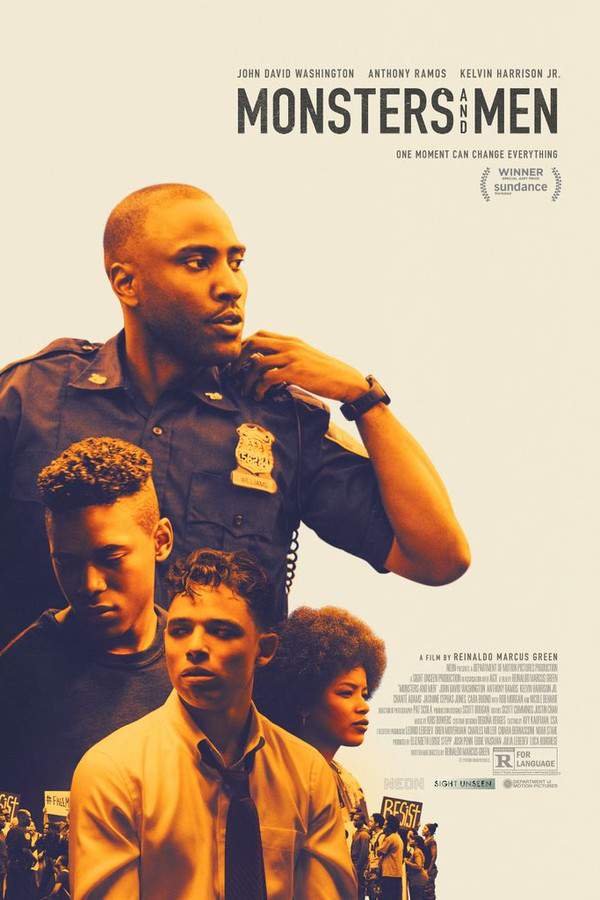
Monsters and Men (2018) Movie Recap & Themes
Closet Monster (2016) Detailed Story Recap
A Monster Calls (2016) Film Overview & Timeline
Monster (2003) Story Summary & Characters
Monster's Ball (2001) Full Summary & Key Details
Bully (2001) Story Summary & Characters
The Monster (2016) Full Movie Breakdown
Monstrous (2022) Story Summary & Characters
Monster (2023) Detailed Story Recap
Monster (2024) Full Summary & Key Details
Monster Summer (2024) Plot Summary & Ending Explained
Boy (2004) Movie Recap & Themes
The Monster and the Girl (1914) Film Overview & Timeline
The Monster (1994) Spoiler-Packed Plot Recap
Monster! (1999) Full Summary & Key Details