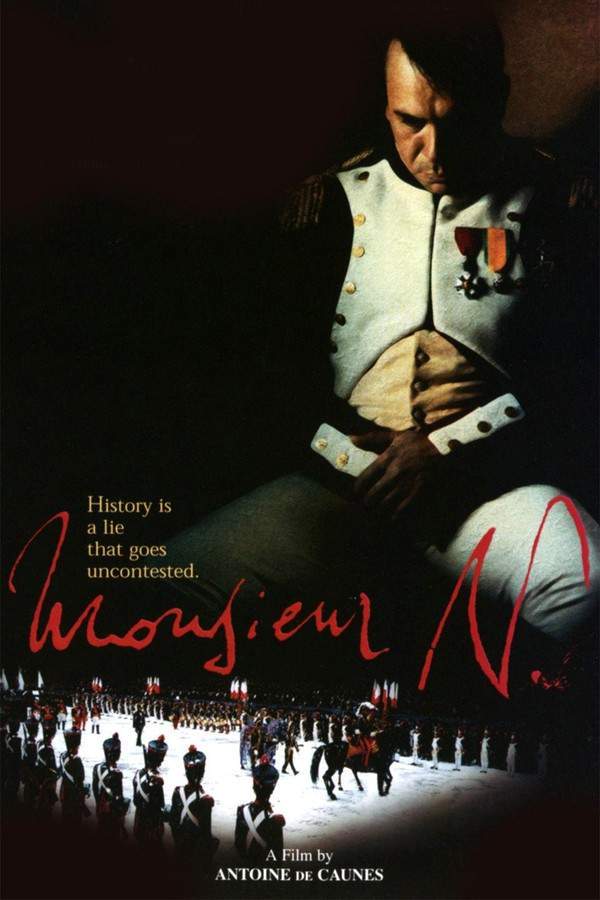
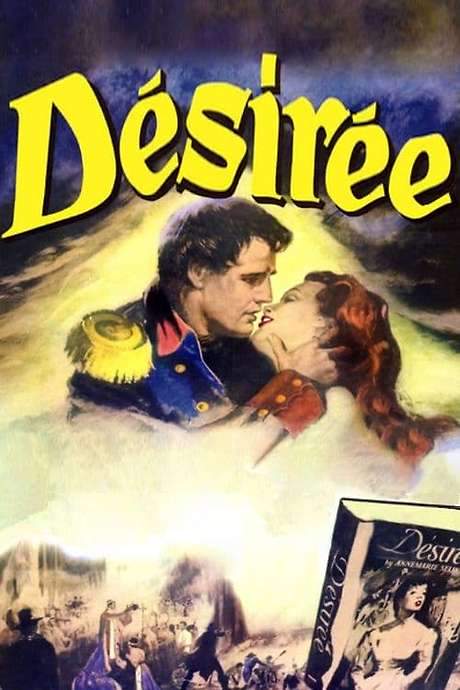
Napoleon Bonaparte’s final years are reimagined here as a measured, immersive portrait of exile on Saint Helena, a place where the Atlantic winds and a rigid administrative gaze compress a life into a slow, introspective campaign. The film unfolds not as a conventional biography but as a retrospective inquiry, narrated through the perspective of Basil Heathcote, a young British officer stationed on the island who finds himself increasingly drawn to the prisoner at the center of this manufactured stillness.
The emperor’s mind remains animated by a stubborn, private yearning for escape, and he frames his captivity as his “last battle”, a strategic chess game waged against isolation, time, and the ever-watchful eyes of London’s representatives. Meanwhile, Basil Heathcote wrestles with a dual allegiance: duty to the Crown and a growing fascination with the captive figure who challenges the boundaries of power and legacy. The film carefully maps the tension of Lowe’s ironclad surveillance, the intricate undercurrents within Napoleon’s entourage, and the delicate, almost fissile bond that forms between Napoleon and Betsy Balcombe, the daughter of a local English merchant who offers him a fragile, human contact in a place designed to sever such ties. Lowe’s animosity toward this friendship highlights the political stakes behind each personal connection on the island.
When Napoleon dies in 1821, the narrative shifts into a quieter, more unsettling mode. Heathcote begins to sense inconsistencies surrounding the burial and the official story, prompting a careful doubt that the history etched on Saint Helena may not be the whole truth. The film advances a conspiratorial thread, suggesting that Napoleon did not die in his place on the island but may have escaped with help from sympathetic insiders and even Betsy, with Cipriani, the devoted Corsican servant, potentially acting as the silent hinge in a fatal masquerade. The plot thickens as years pass and the remains are returned to France in 1840, with Heathcote, now an older Colonel, forced to confront the secret he has kept and the moral cost of unwavering loyalty to a legend.
In its most provocative turn, the ending leaves a resonant possibility hanging in the air: Napoleon might have reached Louisiana, living away from European scrutiny, marrying Betsy Balcombe, starting a family, and passing from the world in quiet peace. The film presents this as a deeply human alternative to the grand narrative of conquest and conquest’s glories, a life that contrasts starkly with the public gaze. Heathcote’s final act is a choice born of devotion and restraint—he preserves the mystery rather than shatter the legend, choosing to believe that some truths are better left unspoken so that the legend—and the imprint of a remarkable man—can endure.