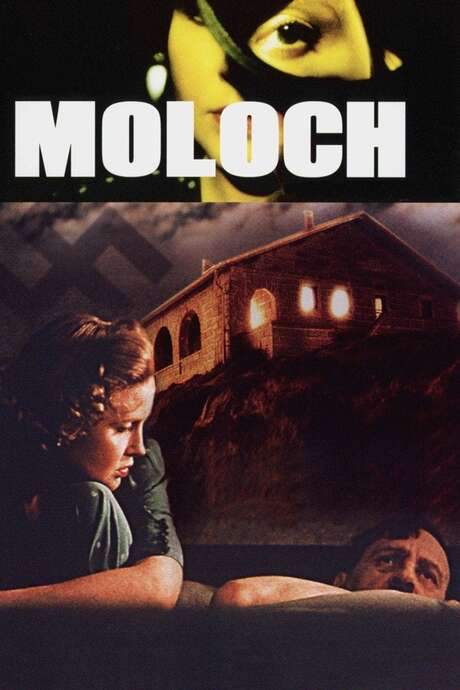
In the spring of 1942, a few months before the notorious Battle of Stalingrad, Adolf Hitler, Leonid Mozgovoy, withdraws to his secluded Berghof Retreat, perched atop a hill in the Bavarian Alps near Berchtesgaden, to unite with his longtime companion Eva Braun, Yelena Rufanova. Eva Braun spends her spare time with trivial pursuits that stand in stark contrast to the world-shaping shadow of the war: she dances in the nude, hums along to marching-band music, and noisily rummages through Hitler’s personal belongings, finding small pleasures in the quiet of the mountains.
When Hitler is joined by guests, the scene shifts into a social mix of conversation and playful banter. The visitors include Joseph Goebbels, Leonid Sokol, Magda Goebbels, Elena Kramer, Martin Bormann, Vladimir Bogdanov, and a priest, Anatoliy Shvederskiy. The gathering becomes a stage where the leaders and their circle trade jokes, share quick witticisms, and volley opinions about politics, power, and the war.
During his stop-over, Hitler rants and shares a broad spectrum of opinions on everyday matters—food, health, and climate—along with reflections on wartime politics and military victories. He moves through the Alpine setting with a sense of triumph, buoyed by the news of Germany’s early successes, and the moment takes on a satirical edge as he proclaims that he has never heard of the Auschwitz concentration camp, a line that underscores the film’s provocative engagement with history and denial. The conversation and movement through the landscape reveal a man who can be both charismatic and inflexible, capable of grand statements as the scenery around him remains unyielding.
As the visit nears its end, Eva Braun offers a quiet, sobering reminder that no one is beyond death or invincible in the face of fate. Her words hint at vulnerability beneath the public image, nudging Hitler to confront a hidden flaw as he prepares to return to the campaign. The encounter closes with Hitler mounting his motorcade, resuming Germany’s military push, while the mountains keep their silent watch over the conversations that hovered between intimacy, power, and a brutal historical reality.