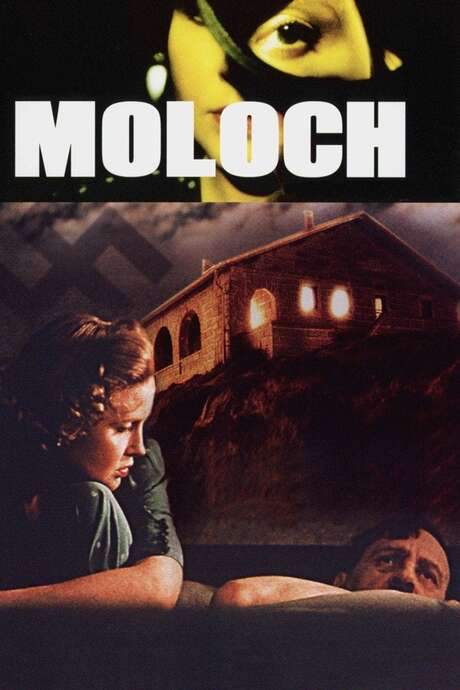
In the spring of 1942, a secluded Bavarian retreat perched on the Alpine cliffs becomes a silent stage for an unusually intimate gathering. The serene isolation of the mountains, with their crisp air and looming pine forests, contrasts sharply with the turbulence echoing across Europe, creating an atmosphere that feels both timeless and precariously perched on history’s edge. The film’s tone walks a delicate line between darkly comic satire and contemplative stillness, letting the natural beauty of the setting amplify the undercurrents of power and vulnerability that linger in every quiet corner.
The story centers on Adolf Hitler, who has withdrawn to his private sanctuary to escape the relentless demands of leadership. Here he is joined by his long‑time companion Eva Braun, whose presence infuses the retreat with a mixture of whimsical spontaneity and private tenderness. Their dynamic is one of unguarded familiarity, marked by moments of carefree dance, humming, and an almost childlike curiosity about the world beyond the warroom. The arrival of close confidants—Joseph Goebbels and his wife Magda Goebbels, as well as the steadfast Martin Bormann—adds layers of camaraderie and subtle tension, each bringing their own brand of loyalty and intellect to the secluded circle.
As the guests move through the snow‑capped landscape, their conversations drift between the mundane and the monumental. Topics such as food, health, climate, and the triumphs of a nation in conflict swirl together, revealing personalities that are both larger than life and unexpectedly ordinary. A visiting priest offers a quiet, reflective counterpoint, highlighting the blend of reverence and irreverence that permeates the gathering. Throughout, the film invites the audience to linger on the paradox of a man famed for grand, destructive ambition seeking fleeting moments of normalcy in an intimate, almost domestic setting.
The atmosphere is charged with an unspoken awareness that the world outside continues its relentless march, while within the walls of the Berghof, the characters navigate a fragile dance between public personas and private selves. This juxtaposition fuels a compelling intrigue, prompting viewers to ponder what lies beneath the polished veneer of power when it is stripped of its usual trappings.