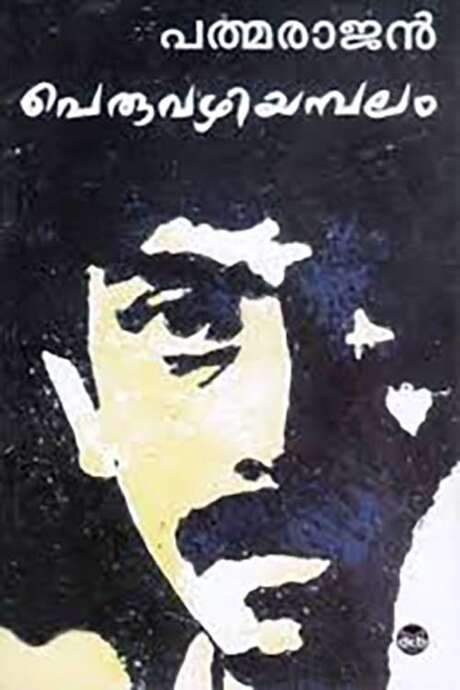
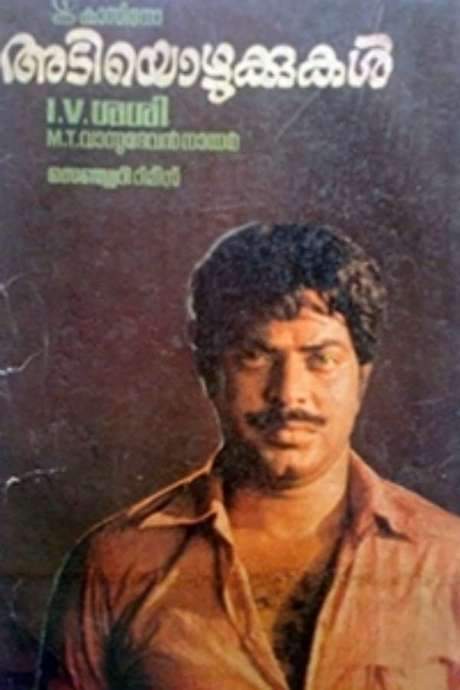
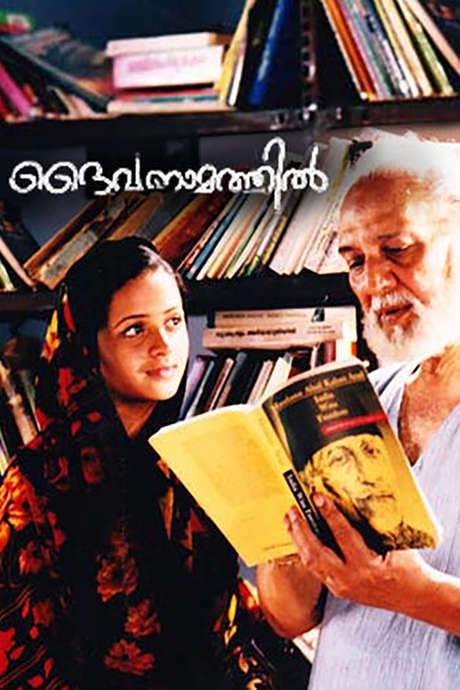
Basheer Mammootty is imprisoned on charges of sedition, and from the start he stands apart from the others: curious, quick-witted, and gently sardonic. His demeanor draws people to him, and in moments of trouble they naturally seek his counsel. This unusual charm earns him favored treatment inside the prison walls. He strikes up a rapport with the warden Thilakan and with an enthusiastic jailor Sreenath, and his status as a celebrated author helps him receive privileges that other inmates do not enjoy. The officers even supply him with papers so he can continue his writing, a small but clear sign of how much his presence affects the routine of the place.
For a while, life behind bars seems almost tolerable. Then a routine update shatters Basheer’s sense of expectation: he is told that all political prisoners will be pardoned and released. The relief he anticipates swells, only to crash when he discovers his own name is missing from the list. The mood in the cell block shifts from hopeful to uneasy, and Basheer finds himself wrestling with a growing unease. The vast, eerie solitude of the prison complex weighs on him, and a creeping depression begins to take root.
Amidst this tension, the inmates propose a simple, almost pastoral plan to lift spirits: they decide to cultivate a vegetable garden in front of the neighbouring women’s prison. It’s a small gesture, but it becomes a beacon of routine and purpose in a place that has feel of stillness and walls. Basheer’s heart, meanwhile, finds itself pulled toward a woman on the other side of a high barrier. He falls in love, and the two of them must navigate a relationship that cannot easily be seen or touched. They are separated by the wall, yet they find ways to communicate—an exchange of gifts tossed over the barrier becoming their lifeline. Narayani KPAC Lalitha, the woman’s voice, speaks across the divide and gives shape to a relationship that remains unseen to the world. Their conversations are raw, unfiltered, and intimate, a stark contrast to the rigid order surrounding them.
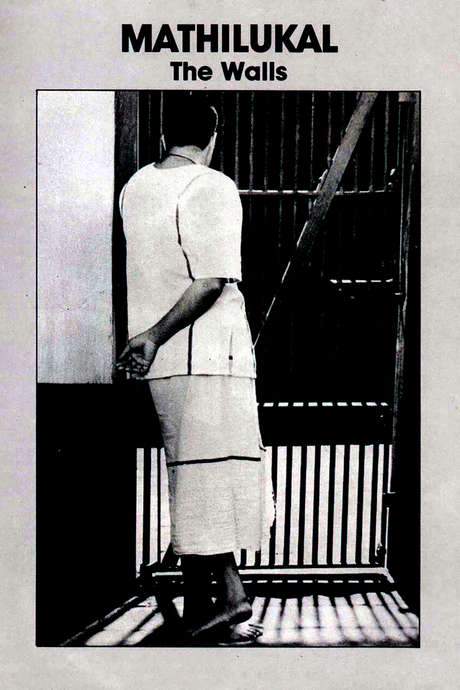
As their plan to meet grows more urgent, Narayani devises a scheme for a real encounter, aiming to meet at the hospital a few days later. The idea of freedom, love, and a possible future seems within reach—yet the timeline shifts again. Basheer is released, unexpectedly, before their meeting ever happens. For a moment, the old hunger for liberty flickers back to life, but Basheer finds himself conflicted about what freedom means in this fragile, newly awakened context. He hopes to convey something deeply meaningful to Narayani, yet the moment of contact never arrives in the way either of them imagined. When Basheer walks out, the gates close behind him, and his eyes stay fixed on the walls that defined his world for so long. He leaves the jail in tears, carrying with him the weight of what he could not tell Narayani and the ambiguous future that now lies beyond the barrier.
-9oRID22_wgwsFA.jpg)