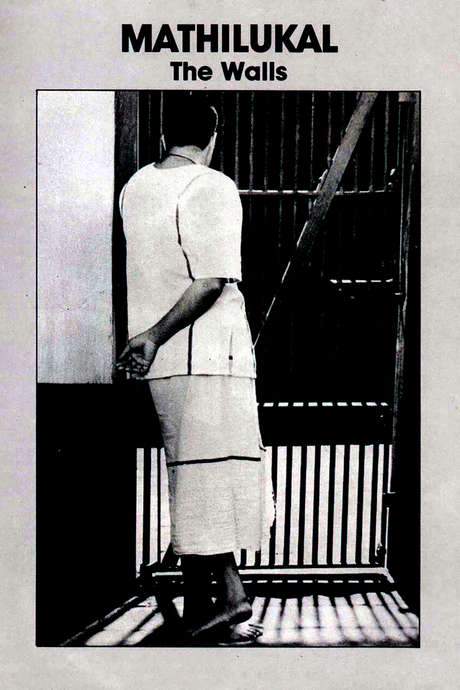
Laxmikanthan, a seasoned theater artist now enjoying a peaceful retirement, finally tastes the dream he has carried for years: a home of his own that stands as a personal victory over hardship. This house is more than bricks and a roof; it is a memory of his father’s struggles and a symbol of security for his family. He shares the space with his daughter, his son, and his daughter-in-law, and the daily rhythms of rehearsals, gatherings, and small comforts weave a sense of continuity into his life. The walls become a quiet sanctuary where art, family, and the hope of stability mingle, making the home feel like a fragile treasure he guards with care.
That calm shatters when trouble arrives from the darker side of local politics. Goons aligned with Senathipathi vandalize Laxmikanthan’s home by painting the party symbol on its wall, a crude message that the neighborhood’s power dynamics have shifted. In the aftermath, he seeks relief from the local sub-inspector, Veeramuthu, but the inspector finds himself caught in a web of influence and intimidation. The trouble deepens when Sena uses his clout to cut the electricity to the house, turning a private grievance into a public, punitive spectacle. The act is more than an annoyance; it is a direct attack on a middle-class life built around a modest dream of belonging and dignity.
Undeterred, Laxmikanthan chooses not to bow out. He rallies his friends and his drama troupe to respond, turning the fight into a collective stand rather than a solitary battle. Alongside him stand members of the troupe who bring warmth, energy, and a sense of communal resilience: [Swaminathan], [Jangiri Madhumitha], and [Kathadi Ramamurthy]. Together they stage performances and organize local demonstrations that blend art with advocacy, aiming to restore a sense of power to ordinary people and to remind the neighborhood that culture and creativity can be a form of resistance. The plan isn’t flawless, and it carries risks, but it is fueled by a belief that their shared space deserves protection and respect.
The conflict escalates as Sena intensifies his campaign against them. In a decisive and destructive gesture, he tears down part of the wall, signaling a widening rift between local authority and a community that refuses to be erased. The stakes grow higher as Sena edges closer to an MLA candidacy, a move that would place power in his hands and silence their voices once and for all. The story intensifies as the troupe, aided by other townsfolk who rally to their cause, weighs its next steps and considers how far they are prepared to go to defend their home and their right to perform, speak, and live with dignity.
Against this backdrop of class tension, artistic resolve, and political pressure, the film follows a single, unwavering thread: can Laxmikanthan and his troupe prevail in their quest to reclaim their home and their community from Sena’s reach? The answer remains open, inviting audiences to watch a nuanced battle between everyday people and a system that often seems rigged against them. The journey blends heartfelt family moments with sharp social critique, all underscored by the enduring belief that art, solidarity, and steady resolve can challenge even the most entrenched power. The outcome is left to unfold, leaving viewers to reflect on the cost of dignity and the power of collective action.