Plot Explained Spoilers guaranteed!
Plot Explained

Browse by genre

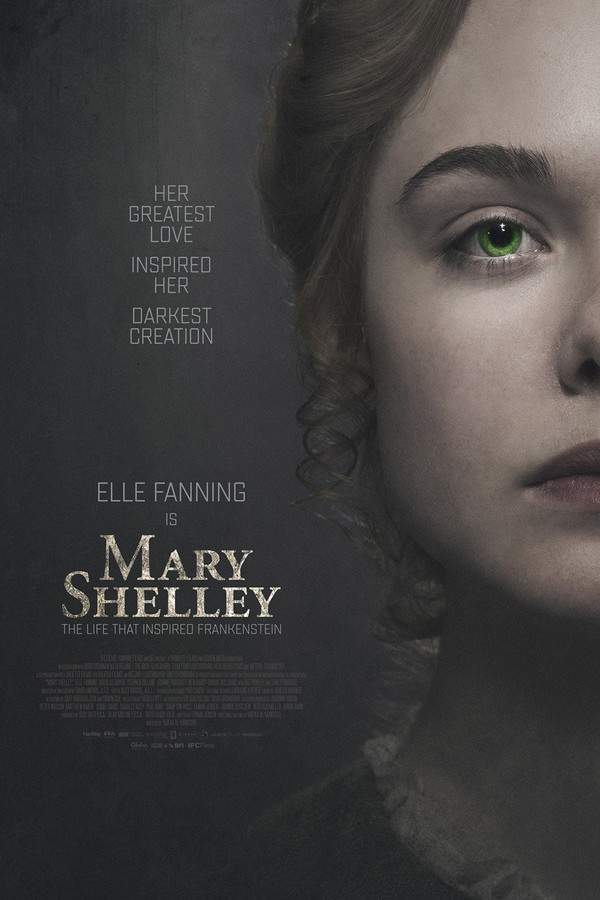
Mary Shelley (2018) movie poster

Plot Summary

Mary Shelley (2018) Plot Summary Explained

Release, runtime and language
2018 · 120 min · English
Echo score 51
Loading streaming availability…
Directed by
Haifaa Al-Mansour
Starring
Ben Hardy, Elle Fanning, Maisie Williams, Tom Sturridge, Douglas Booth, Stephen Dillane

In 18th-century London, a young and ambitious Mary Wollstonecraft Godwin embarks on a passionate romance with the brilliant Percy Shelley. Their intense relationship is marked by personal tragedy and a vibrant, bohemian lifestyle. As Mary grapples with loss and experiences profound emotional turmoil, her vivid imagination takes flight, ultimately inspiring her to write the classic novel, Frankenstein, and forever change the landscape of horror literature.

On this page (6)
  1. 1 Where to watch
  2. 2 What happens: full plot
  3. 3 Plot questions answered
  4. 4 Movie threads
  5. 5 Movies like Mary Shelley
  6. 6 Every angle
Loading streaming availability…

Full plot summary · contains spoilers

What Happens in Mary Shelley: Full Plot Summary

The whole story of Mary Shelley (2018) explained, from the opening scene to the final frame: every key event, every twist and what it all adds up to. Read it as a quick recap before the sequel, to check a scene you missed, or to finally understand what really happened.

Mary Wollstonecraft dies shortly after giving birth to her daughter Mary Godwin [Elle Fanning]. Sixteen years later, Mary Godwin [Elle Fanning] is living with her father, William Godwin [Stephen Dillane], her stepmother, and her stepsister Claire Clairmont [Bel Powley].

A tense clash with her stepmother pushes the family to send Mary away, but William Relents and sends her to Scotland to stay with a good friend and his daughter, where Mary [Elle Fanning] meets and falls in love with the radical and unconventional poet Percy Bysshe Shelley [Douglas Booth], who is already married.

Called home under the pretense that Claire is on her deathbed, Mary returns to find Claire confessing it was a ruse to bring her back. While at home, William Godwin [Stephen Dillane] brings Percy Shelley [Douglas Booth] into the household as a new student, and the two rekindle their affections.

Mary and Claire are confronted in the street by Shelley's wife and daughter; the wife begs Mary to stay away from Percy. Mary lies, insisting that Shelley is only her father’s student, while Percy explains that his wife and child are “only that in name,” and that he supports them financially but has nothing to do with them, all the while claiming to love Mary.

The couple elopes, taking Claire [Bel Powley] with them. Shelley's lack of money forces them to borrow against his wealthy father’s estate to set themselves up in lavish fashion in Bloomsbury. At a dinner party, Shelley flirts with Claire, and Mary encounters a friend who later makes advances toward her. When Mary complains about the flirting, Shelley tells her that lovers should be free, and he demands the same freedom for himself. He even calls her a hypocrite, and Mary’s disappointment in him grows.

One night, Shelley's creditors arrive unexpectedly, and the trio must flee in the rain, finding cheap lodgings. Mary gives birth, but the baby does not survive long. Claire announces that she is pregnant by Byron, and that he has invited them to stay with him at a villa near Geneva. When they arrive, Byron makes it clear that the invitation is more wishful thinking than a real arrangement, yet he asks them to stay.

Bad weather keeps them indoors for days, and Byron challenges the group to write a ghost story; this sparks Mary’s imagination and she dreams of galvanism. A message arrives that Byron’s wife has just drowned herself. Throughout the visit, Byron treats Claire with increasing contempt. She confronts him, but he shrugs it off, quipping that their affair was “a lapse in judgement.” He promises to provide financially for Claire’s baby, but nothing more.

The trio returns to England, where Mary begins writing Frankenstein. Publishers refuse to accept the manuscript under a female author, deeming the subject matter unsuited for a lady, but a foreword by Shelley helps it pass as anonymous. The book becomes a success, initially credited to Shelley until he publicly reveals the true author. The couple’s bond is rekindled.

Mary’s father later ensures a second publication of Frankenstein under her own name, securing a solid income for Mary. In the final shots, Mary, dressed in black, walks with a young son, and an afterword explains that Mary and Shelley married and stayed together until his death at 29, with Mary never remarrying.

> "a lapse in judgement"
Last updated: February 24, 2026 at 14:22

Was this helpful?

Plot questions answered

Mary Shelley Plot Explained: Your Questions Answered

The questions people ask most about Mary Shelley (2018): what happens in the confusing scenes, why the characters do what they do, the twists, hidden details and what the ending means. Each answer contains spoilers.

Q1

Why does Mary travel to Scotland in the film?

Mary is sent to Scotland by her father after a tense confrontation with her stepmother. There, she stays with a family friend and meets Percy Bysshe Shelley, a radical poet who is already married. This trip becomes pivotal as it introduces her to Percy and sets the stage for their intense romantic relationship.

  • mary godwin
  • percy shelley
  • scotland
  • elopement
Q2

Why does Percy Shelley abandon his wife and daughter?

Percy claims his wife Harriet and their daughter are "only that in name" and insists he provides financially but has nothing emotional to do with them. He tells Mary he loves her and frames his departure as following his radical beliefs about love and freedom. The film presents this as characteristic of Percy's unconventional philosophy rather than a simple rejection.

  • percy shelley
  • wife
  • daughter
  • harriet shelley
  • abandonment
Q3

Why does Claire pretend to be on her deathbed?

Claire invents a fake illness to lure Mary back home from Scotland. When Mary returns, Claire admits it was a ruse designed to bring her back. This manipulation reveals Claire's desperation to reinsert herself into Mary's life and the Shelley orbit, driven by her own romantic ambitions.

  • claire clairmont
  • deathbed
  • lie
  • manipulation
Q4

Why does Shelley demand an open relationship with Mary?

During a dinner party, Shelley flirts openly with Claire and later argues that lovers should be free to pursue other connections. He demands the same freedom for himself and accuses Mary of hypocrisy when she objects. This confrontation reveals the growing tension in their relationship and Mary's disappointment with Percy's philosophy of free love.

  • percy shelley
  • open relationship
  • free love
  • claire clairmont
  • jealousy
Q5

What inspires Mary to write Frankenstein at Byron's villa?

During a rainy stay at Byron's villa near Geneva, Byron challenges the group to write ghost stories. Mary struggles at first but then dreams vividly about galvanism, seeing a dead creature brought to life by electricity. This dream, combined with the earlier public demonstration of galvanism she witnessed in London, becomes the core inspiration for Frankenstein.

  • frankenstein
  • byron
  • villa
  • geneva
  • galvanism
  • ghost story
Q6

Why isn't Frankenstein published under Mary's name initially?

Publishers refuse to accept the manuscript from a female author, declaring the subject matter unsuitable for a lady. To get the work published, Mary and Percy use a foreword by Percy that helps the book pass as anonymous. The book becomes a success, initially credited to Percy until he publicly reveals Mary as the true author.

  • frankenstein
  • publishers
  • female author
  • anonymous
  • publication
Q7

What happens to Mary's baby in the film?

After fleeing from Shelley's creditors in the rain to cheaper lodgings, Mary gives birth but the baby does not survive long. This tragic loss occurs during one of the family's periods of financial crisis and instability, adding to the emotional turmoil Mary experiences throughout the film.

  • mary shelley
  • baby
  • death
  • childbirth
  • creditors
Q8

Why does Byron treat Claire with contempt?

Despite initially inviting the trio to stay, Byron grows increasingly contemptuous toward Claire, who is pregnant with his child. When Claire confronts him, he dismisses their affair as "a lapse in judgement" and refuses to provide anything beyond minimal financial support. This reflects Byron's self-centered and aristocratic attitude toward his romantic entanglements.
  • byron
  • claire clairmont
  • pregnancy
  • affair
  • contempt
Q9

How do Mary and Shelley reconcile after their conflicts?

After the turmoil of financial ruin, infidelities, and personal tragedies, Mary and Shelley reconcile when Shelley publicly reveals Mary as the true author of Frankenstein. This act of acknowledgment strengthens their bond. Additionally, Mary's father later arranges a second publication under her own name, securing her income and literary recognition, which further stabilizes their relationship.

  • reconciliation
  • frankenstein authorship
  • shelley
  • marriage
  • father godwin
Q10

Why does Mary never remarry after Shelley's death?

The film explains that Mary and Percy eventually marry and stay together until his death at age 29. After Shelley drowns, Mary never remarries. The afterword suggests her lifelong devotion to Shelley and the legacy of their relationship, combined with the profound emotional impact of his early death, led her to remain single.

  • mary shelley
  • percy death
  • never remarried
  • marriage
  • devotion

Movie threads

More Movies Like Mary Shelley, by Mood & Story

Curated lists built around what makes Mary Shelley tick: the same mood, the same kind of story or the same emotional payoff. Each list explains why these movies belong together.

Tragic Romances That Spark Creation Like Mary Shelley

Passionate love affairs and devastating losses that ignite a creative spark. Discover movies like Mary Shelley where personal heartbreak and passionate relationships fuel artistic genius. These films explore the bittersweet journey of creators who channel their deepest tragedies into enduring works of art, perfect for viewers seeking emotionally heavy period dramas and literary biopics.

  • tragic romance
  • creative struggle
  • melancholic
  • passionate
  • bittersweet
  • grief-stricken
  • Tone: melancholic, passionate, bittersweet
  • Pacing: steady, reflective
Why these movies?

The story pattern: The narrative follows a creator—a writer, painter, or musician—whose life is upended by a deeply passionate and often tumultuous romance. Personal tragedies, such as loss or betrayal, compound this emotional intensity. The story’s climax is not just the survival of the relationship, but the birth of a significant creative work born from that pain, leading to a bittersweet resolution where artistic triumph is shadowed by personal cost.

Why they belong together: These movies are grouped together because they share a core theme: creation emerging from devastation. They balance a heavy, melancholic tone with a steady, reflective pacing, focusing on the internal journey of an artist grappling with love and loss. The emotional weight is consistently high, making the act of creation feel like a necessary, if painful, form of resilience.

Melancholic Period Dramas About Resilient Women Like Mary Shelley

Stories of women overcoming societal constraints and personal sorrow in bygone eras. If you liked the story of female strength in Mary Shelley, explore other movies about women persevering through grief and societal limits in historical settings. These steady-paced dramas share a heavy emotional tone and focus on quiet resilience, perfect for fans of thoughtful, character-driven biographical films.

  • melancholic
  • historical
  • female protagonist
  • grief
  • resilience
  • introspective
  • Tone: melancholic, introspective, heavy
  • Pacing: steady, character-driven
Why these movies?

The story pattern: The narrative centers on a woman's internal and external struggles within a specific historical period. The plot is driven by her confrontation with personal tragedies (like loss or betrayal) and societal limitations. The pacing is steady, allowing for deep immersion in her emotional world. The ending is often bittersweet, acknowledging the high cost of her resilience and the complex legacy of her actions, rather than a simple victory.

Why they belong together: This thread connects films through their shared melancholic atmosphere, steady pacing, and focus on the heavy emotional journey of a female protagonist. The similarity lies in the specific blend of historical setting, a tone of reflective sorrow, and a narrative that prizes internal strength and resilience in the face of overwhelming circumstances.

If you liked this

Movies Like Mary Shelley

Similar movies to Mary Shelley: the same genre, themes or kind of story. Each one comes with its own plot summary, timeline and ending explained.

Browse all movie summaries

Every angle

Mary Shelley (2018) Explained: Plot, Timeline & Characters

Everything about Mary Shelley in one place: what happens in the plot summary, the timeline in chronological order, the characters and meaning and a spoiler-free summary. What's After the Movie adds the cast, box office and post-credit scenes.

Coming soon on iOS and Android

The Plot Explained Movie Summary App

Plot summaries, endings explained and timelines on your phone. Catch up on any movie in minutes, save your favorites and never miss a twist again.

Be the first to know when we launch. Your email stays private, always.

Learn more about the app